





Диагностика проблем с низким давлением в пресс-тормозах
Неисправности пресс-тормоза, связанные с низким давлением, обычно проявляются в том, что оборудование не достигает своей номинальной тоннажной нагрузки, выполняет изгибы непостоянного качества или работает с медленно перемещающимся ползуном при нагрузке. На практике в мастерских эта проблема встречается довольно часто, однако при точной диагностике редко требует замены крупных компонентов. В данном руководстве подробно описывается пошаговый подход к выявлению коренных причин низкого давления, проведению надлежащих проверок гидравлической и электрической систем, а также реализации практических, безопасных и эффективных решений для восстановления полной функциональности пресс-тормоза по созданию рабочего давления.
Распознавание симптомов проблем с низким давлением в пресс-тормозе
Перед началом любых ремонтных работ необходимо точно определить конкретные симптомы низкого давления, поскольку они могут различаться в зависимости от конфигурации станка.
Недостаточное усилие изгиба под нагрузкой
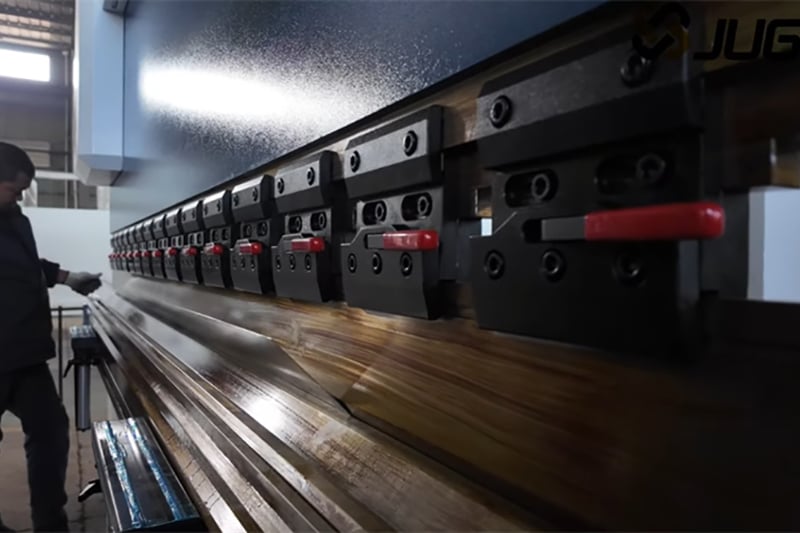
Гидравлическая система, неспособная создать достаточное давление, не позволит гибочному прессу достичь его номинальной силы при выполнении операции гибки, что обычно приводит к следующим проблемам:
• Углы гибки отклоняются от заданных программой параметров
• Неполное формование обрабатываемого материала
• Необоснованные попытки оператора станка компенсировать недостаток усилия
Замедленное перемещение ползуна во время прессования
Чрезмерное замедление движения ползуна на этапе прессования является характерным признаком либо внутренней гидравлической утечки, либо недостаточной производительности насоса; этот симптом особенно часто встречается в старых гидравлических гибочных прессах.
Показания манометра ниже установленного значения
Для ЧПУ-пресс-тормозов прямое сравнение показаний фактического манометра и заданного значения в контроллере является критически важной первой проверкой. Заметное расхождение между этими двумя значениями — один из основных признаков проблемы низкого давления.
Пошаговая проверка гидравлической системы
Подавляющее большинство проблем с низким давлением вызвано неисправностями внутри гидравлической системы, и для точной диагностики рекомендуется структурированная проверка по компонентам.
Шаг 1: Проверка уровня и качества гидравлического масла
Недостаточный уровень гидравлического масла — самая простая и наиболее часто упускаемая из виду причина низкого давления. Ключевые точки проверки включают:
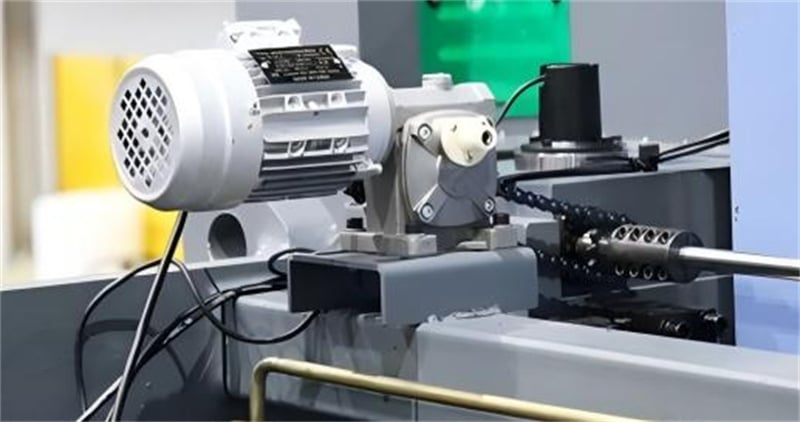
• Уровень масла в гидравлическом баке
• Цвет масла (потемнение или молочный оттенок указывают на загрязнение)
• Наличие воздушных пузырьков в масле
Низкий уровень масла может привести к тому, что гидравлический насос будет засасывать воздух, что вызовет нестабильное давление в системе. Если уровень масла недостаточен, долейте в бак гидравлическое масло той марки, которая указана производителем оборудования.
Шаг 2: Оценка производительности гидравлического насоса
Если уровень гидравлического масла находится в норме, следующим шагом является проверка работоспособности гидравлического насоса. Распространённые признаки износа насоса включают:
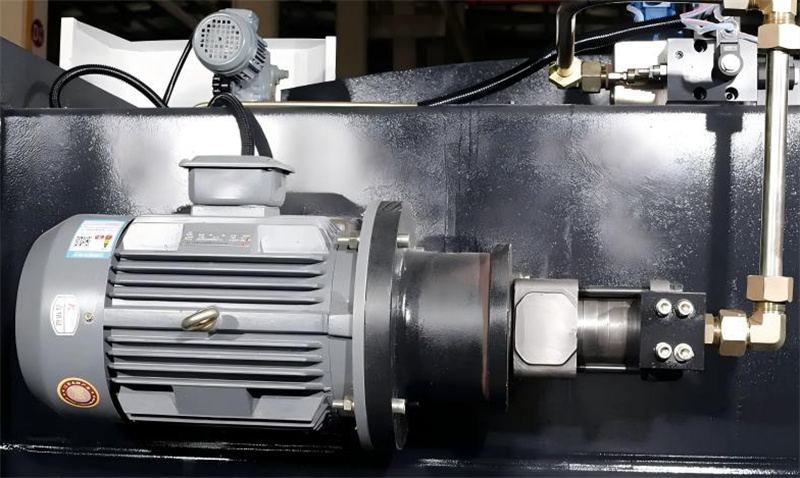
• Необычный или аномальный шум при работе
• Чрезмерное выделение тепла во время эксплуатации
• Падение давления в системе под нагрузкой
Износ внутренних компонентов насоса может снизить расход масла, что напрямую приводит к проблемам с низким давлением. В некоторых случаях для точной оценки состояния насоса требуется профессиональный тест на расход.
Шаг 3: Проверка гидравлических клапанов и калибровки предохранительного клапана
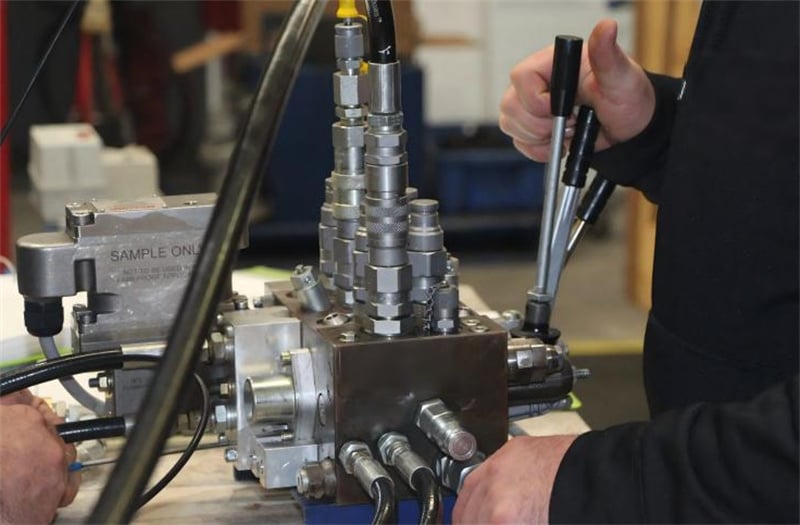
Предохранительный клапан является основным компонентом, регулирующим максимальное давление в гидравлической системе. Неправильно отрегулированный или залипший в открытом положении предохранительный клапан не позволит машине достичь полного рабочего давления.
Стандартные действия по осмотру и техническому обслуживанию включают:
• Проверку соответствия настройки предохранительного клапана номинальному давлению машины
• Проверку наличия засоров клапана, вызванных загрязнением гидравлического масла
• Очистку или повторную калибровку клапана при необходимости
Неправильная регулировка предохранительного клапана — одна из наиболее распространённых причин неисправностей гидравлического давления в гидравлических листогибочных прессах.
Обнаружение внутренней утечки в гидравлических цилиндрах
Внутренняя утечка в основных гидравлических цилиндрах может резко снизить эффективность давления в системе листогибочного пресса, а выявление износа уплотнений является ключевым этапом диагностики данной неисправности.
Выявление изношенных уплотнений цилиндров
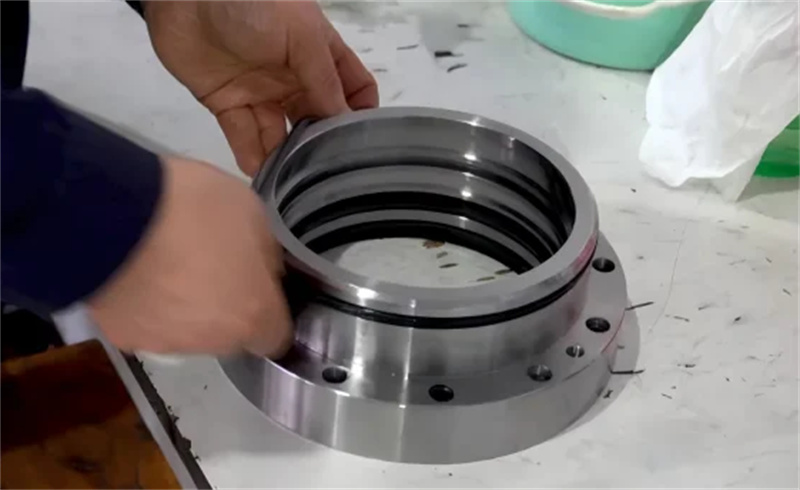
Изношенные или повреждённые уплотнения позволяют гидравлическому маслу проходить внутренне мимо них; типичные симптомы включают:
• Дрейф штока при удержании давления в системе
• Резкое падение давления после достижения системой максимального значения
Если подозревается повреждение уплотнений, следует провести испытание на удержание давления. Замена изношенных уплотнений — простое решение, которое, как правило, полностью восстанавливает способность системы развивать номинальное давление.
Факторы, связанные с электрической и системой управления в ЧПУ-гибочных прессах
Проблемы низкого давления в ЧПУ-гибочных прессах вызываются не только гидравлическими неисправностями; ошибки в электрической системе управления также могут ограничивать выходное давление системы.
Неисправности датчиков давления или преобразователей давления
Современные системы ЧПУ-гибочных прессов в значительной степени полагаются на датчики давления для обеспечения обратной связи в реальном времени. Неточный сигнал датчика может привести к следующим проблемам:
• Автоматическое ограничение выходного давления контроллером ЧПУ в целях защиты системы
• Отображение аварийных сообщений на панели управления
• Колебания отображаемых значений давления
Для диагностики данной неисправности проверьте калибровку датчика и осмотрите соединения проводки в электрическом распределительном шкафу.
Проблемы с питанием сервоприводов или двигателей
В серво-гидравлических листогибочных прессах недостаточная выходная мощность серводвигателя может напрямую приводить к снижению давления в системе. Основные пункты проверки включают:
• Рабочий ток серводвигателя
• Параметры калибровки сервопривода
• Стабильность электропитания, подаваемого на систему
В некоторых случаях первопричиной является не механический износ, а колебания внешнего электропитания.
Профилактическое обслуживание для предотвращения проблем с низким давлением
Практический опыт показывает, что регулярное, запланированное профилактическое обслуживание значительно снижает частоту возникновения проблем с низким давлением в листогибочных прессах.
Регулярная замена гидравлических фильтров
Засоренные гидравлические фильтры ограничивают поток масла и снижают эффективность насоса. Замена фильтров в соответствии с рекомендованным производителем графиком предотвращает накопление загрязнений в гидравлической системе.
Плановая замена гидравлического масла и очистка системы
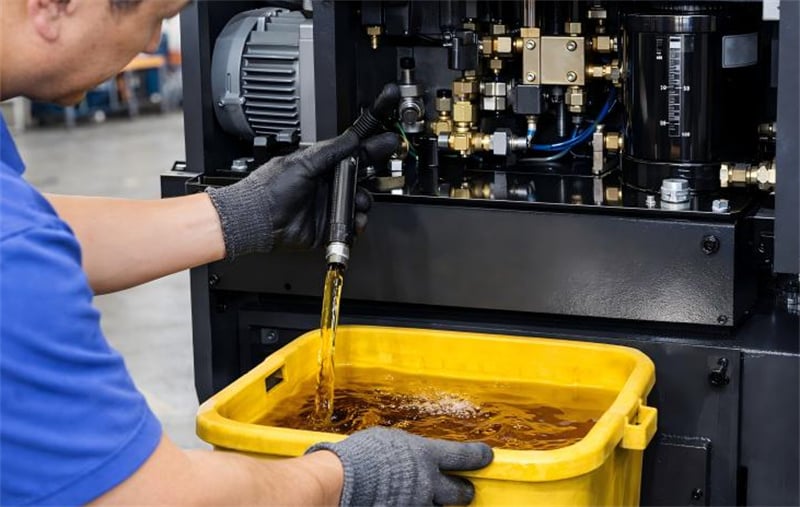
Загрязнённое гидравлическое масло со временем вызывает постепенное повреждение клапанов и уплотнений. Поддержание чистоты масла обеспечивает стабильный выход давления и продлевает срок службы всех гидравлических компонентов.
Регулярный осмотр уплотнений и JUGAO
Небольшие внешние утечки через уплотнения или JUGAO зачастую являются ранними признаками внутреннего износа. Замена повреждённых уплотнений и JUGAO при первых признаках утечки предотвращает более серьёзные отказы гидравлической системы.
Часто задаваемые вопросы
Какова наиболее распространённая причина низкого давления в гибочных прессах?
На практике наиболее частыми причинами являются низкий уровень гидравлического масла, загрязнённое гидравлическое масло или некорректные настройки калибровки предохранительного клапана.
Могу ли я самостоятельно отрегулировать предохранительный клапан для устранения низкого давления?
Да, ручная регулировка возможна, однако её необходимо выполнять аккуратно и строго в соответствии с номинальными давлением и другими техническими характеристиками оборудования. Неправильная регулировка может привести к серьёзному повреждению всей гидравлической системы.
Как определить, изношен ли гидравлический насос?
Ключевые предупреждающие признаки включают необычный шум при работе, чрезмерный перегрев и невозможность поддержания стабильного давления под нагрузкой. Наиболее точным способом подтверждения степени износа насоса является профессиональный тест на расход рабочей жидкости.
Могут ли электрические неисправности вызывать снижение давления в ЧПУ-пресс-тормозах?
Безусловно. Неисправные датчики давления, повреждённые соединения проводки, а также сбои в работе сервоприводной системы могут приводить к ограничению давления в ЧПУ-пресс-тормозах.
Заключение
Проблемы с низким давлением в листогибочных прессах могут серьёзно повлиять на точность гибки, производственную эффективность и даже на безопасность эксплуатации оборудования. Однако, следуя структурированному процессу диагностики — включая проверку состояния гидравлического масла, осмотр работы насоса, проверку настроек клапанов, тестирование уплотнений цилиндров и анализ электрических систем управления — можно быстро выявить и устранить корневую причину неисправности.
На практике ежедневной эксплуатации и технического обслуживания листогибочных прессов доказано, что подавляющее большинство проблем, связанных с низким давлением, предотвратимы при соблюдении надлежащего регулярного технического обслуживания и плановых проверок. Если вам требуется техническая поддержка, руководство по калибровке или профессиональные консультации по обслуживанию гидравлической системы, наша команда всегда готова оказать помощь в восстановлении полной производительности вашего листогибочного пресса и обеспечении его надёжной и долгосрочной эксплуатации.

