





Cum să preveniți întreruperile producției prin depanarea deteriorării conductelor?
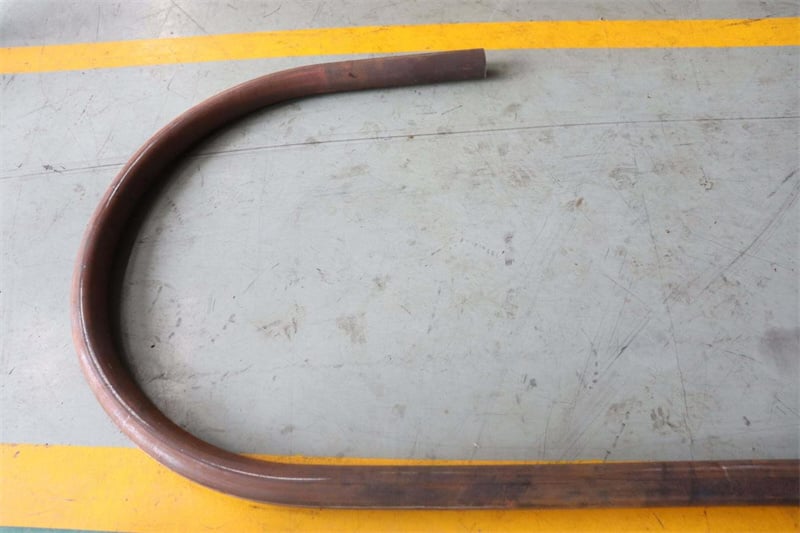
În echipamentele hidraulice, cum ar fi mașinile de îndoit conducte și mașinile de presurizare, deteriorarea conductelor (țevi de ulei, țevi de aer) este una dintre cauzele frecvente ale opririlor bruște. O mică scurgere, dacă nu este detectată la timp, poate duce la o scădere bruscă a presiunii din sistem, la disfuncționarea echipamentului sau chiar la stropirea unei cantități mari de ulei hidraulic, ceea ce poate provoca un accident de securitate. Stabilirea unui mecanism sistematic de inspecție a conductelor este esențială pentru evitarea opririlor neplanificate.
Semne tipice de avertizare privind deteriorarea conductelor
Înainte ca o scurgere reală să apară, echipamentul emite, de obicei, semnale de avertizare:
Fluctuații ale presiunii: fluctuații frecvente ale acului manometrului hidraulic sau dificultăți în atingerea presiunii stabilite.
Zgomote anormale: sunete de şuierat sau de aspirare provenite de la pompa hidraulică sau sunete de fluierat provenite de la conductă.
Creștere anormală a temperaturii uleiului: scurgerile determină o scădere a randamentului volumetric al sistemului, ceea ce duce la o creștere rapidă a temperaturii uleiului.
Scădere lentă a nivelului uleiului: nivelul uleiului din rezervor continuă să scadă fără prezența unei scurgeri externe (scurgere internă).
Modificări ale aspectului conductelor: umflături, fisuri, întărire sau coroziune a stratului împletit apar pe suprafața furtunului.
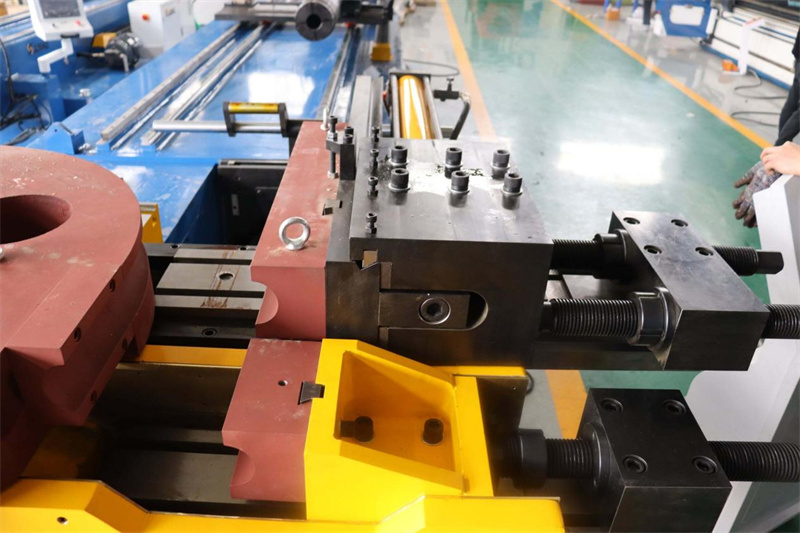
Metoda în patru pași pentru inspecția conductelor
Pasul 1: Inspectie vizuală statică
Cu echipamentul oprit, inspectați toate furtunurile, conductele rigide și racordurile pentru urme de ulei sau picături.
Aveți o atenție deosebită pentru secțiunile de conductă cu raze mici de îndoire și pentru cele aflate în contact cu piese mobile.
Verificați etichetele de pe furtunuri pentru a confirma dacă au depășit durata de funcționare recomandată (de obicei 2–5 ani).
Pasul 2: Detectarea scurgerilor sub presiune în regim dinamic
Pornește echipamentul, rulează-l fără sarcină și crește treptat presiunea până la presiunea de funcționare.
Aplică un detector de scurgeri (apă săpunuoasă) pe îmbinări, pe ambele capete ale furtunurilor și pe punctele suspecte de scurgere, observând apariția bulelor.
Pentru scurgerile minore, se poate utiliza o lampă UV de detectare a scurgerilor împreună cu un traser fluorescent.
Pasul 3: Testul de măsurare a scăderii presiunii
Închide ieșirea echipamentului și efectuează un test de presiune asupra sistemului: după ce sistemul este presurizat la presiunea nominală, închide valva de închidere și observă dacă indicația manometrului scade dincolo de domeniul admisibil într-un interval de timp specificat (de exemplu, 5 minute).
Dacă presiunea scade rapid fără prezența unei scurgeri exterioare, există o scurgere internă (de exemplu, scurgere la nivelul etanșării cilindrului sau al corpului valvei).
Pasul 4: Luarea deciziei privind înlocuirea preventivă
În următoarele situații, conducta trebuie înlocuită direct, nu reparată: fisura stratului exterior al furtunului depășește stratul țesut, sârma de oțel de la racord este ruptă sau peretele conductei rigide este subțiat semnificativ sau prezintă pitting.
Pentru furtunurile de înaltă presiune, se recomandă o strategie bidimensională de înlocuire „timp + stare”: chiar dacă aspectul este bun, acestea trebuie incluse în planul de înlocuire dacă au fost utilizate timp de mai mult de 5 ani.
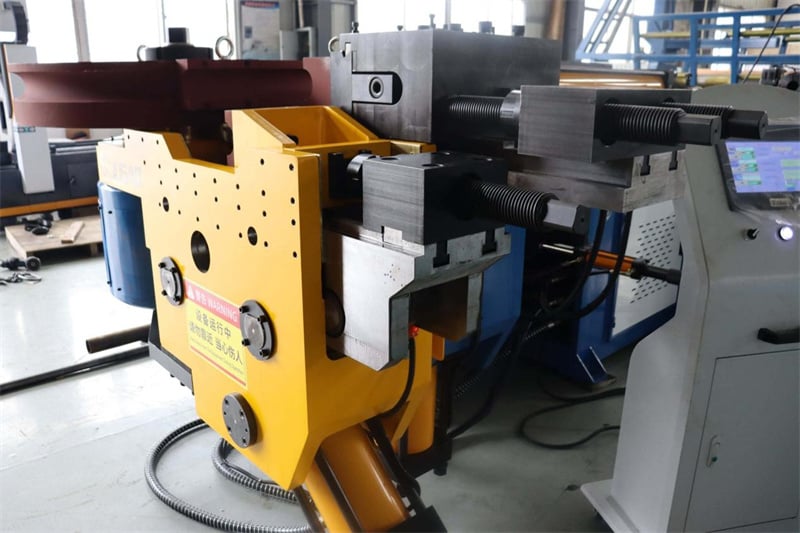
Măsuri cheie pentru prevenirea întreruperilor de funcționare
Stabilirea unui sistem de inspecție: efectuarea unei inspecții rapide înainte de pornirea mașinii în fiecare zi, urmând pașii „priviți (pentru urme de ulei), ascultați (pentru zgomote neobișnuite) și atingeți (pentru temperatură).”
Marcarea secțiunilor de conductă cu risc ridicat: utilizarea etichetelor codificate pe culori pentru a marca conductele cu rază mică de îndoire, cele aflate în apropierea surselor de căldură sau ale pieselor mobile, astfel încât să li se acorde prioritate în cadrul inspecțiilor.
Stocați piese de schimb esențiale: Mențineți un stoc minim de furtunuri la presiune înaltă, racorduri și inele O frecvent utilizate pentru a evita opririle prelungite cauzate de așteptarea pieselor.
Înregistrați istoricul înlocuirilor: Întrețineți un jurnal de înlocuire a conductelor, în care să înregistrați data instalării, presiunea de lucru și durata de utilizare, pentru a facilita previziunea duratei de viață.
Standardizați normele de instalare: La înlocuirea conductelor, respectați raza corectă de îndoire (pentru furtunuri, nu mai mică de 6–8 ori diametrul exterior), evitați răsucirea și folosiți două chei pentru strângerea racordurilor.
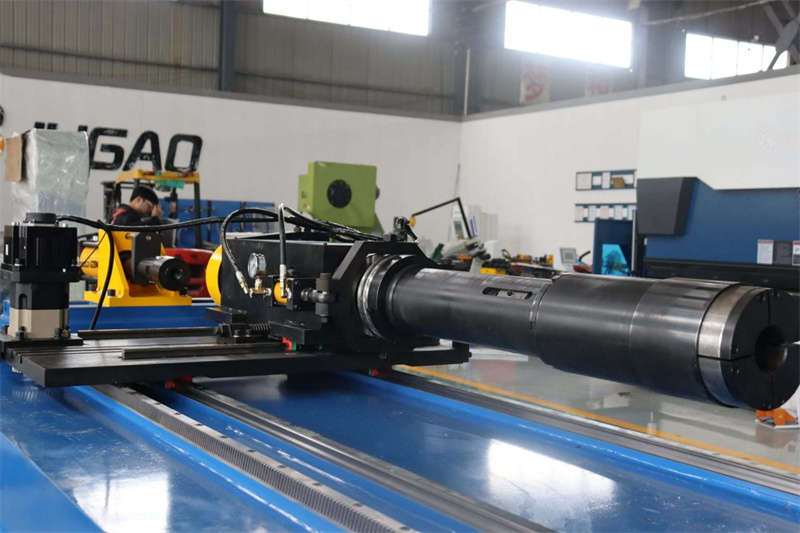
Deși sunt mici, conductele reprezintă «vasurile sanguine» ale unui sistem hidraulic. Inspectia proactivă și înlocuirea la timp, transformând «întreținerea reactivă» în «întreținere preventivă», sunt esențiale pentru a evita în mod fundamental opririle de producție cauzate de deteriorarea conductelor.

