





Why Does Inconsistent Laser Kerf Width Occur in Cutting Processes?
An Inconsistent Laser Kerf Width is a frequent headache in cutting work that can throw off part accuracy, how pieces fit together, and how steady production stays. When the kerf width keeps changing across one job, shops end up with parts that are off size, edges that look rough, and material that goes to waste. This trouble is rarely down to a single thing; more often it comes from a mix of how the machine is set, the state of the optics, differences in the material, and the way maintenance is handled. Below I go through the most usual causes of inconsistent laser kerf width and pass on hands-on fixes that help you cut more steadily, hold tighter tolerances, and get dependable results across many materials and production runs.
Understanding Kerf Width Problems in Laser Cutting
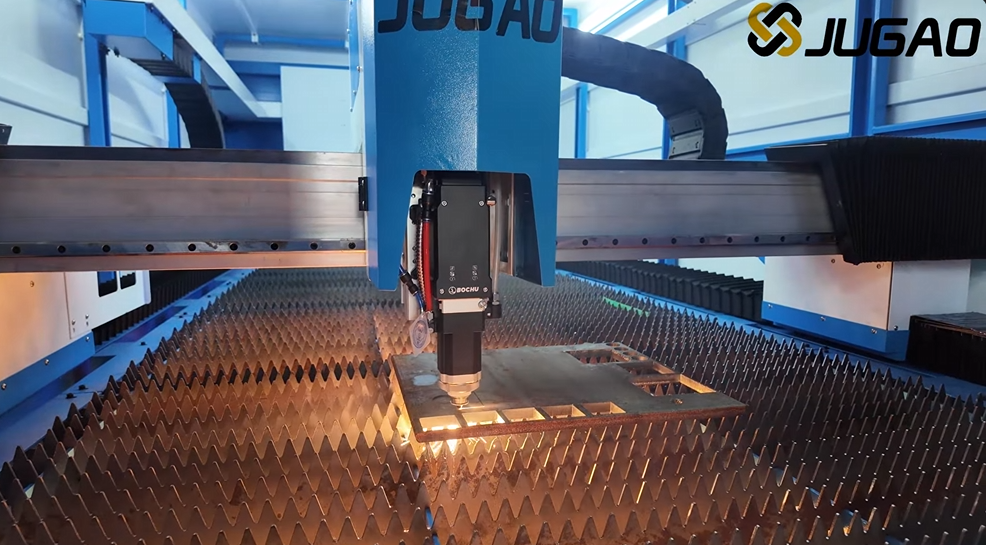
What Does Laser Kerf Width Mean?
Kerf width is simply the amount of material that gets taken away while the beam cuts. It is shaped by laser power, where the focus sits, the assist gas, and the cutting speed.
Why a Steady Kerf Width Counts
If the kerf width swings around, parts stop mating together the way they should when assembled, tolerances get hard to predict, and the scrap pile grows. Holding it steady is central to precision work.
What Drives an Inconsistent Laser Kerf Width
Focus in the Wrong Place and a Lens That Is Worn or Dirty
When the focus is not set the way it should be, the energy spreads unevenly right at the cut point. A lens that is worn or covered in grime can also bend the beam, and the kerf width starts to wander.
Laser Power That Wavers
Power that is not steady makes the metal melt or vaporize unevenly. The direct result is an inconsistent laser kerf width, and it shows up most during long production runs.
Cutting Speed Set Wrong
Going too fast or too slow changes how much energy the plate takes in. When the speed does not line up with the plate thickness, the kerf turns unstable and uneven.
Assist Gas Pressure That Is Not Stable
The assist gas has a central job in carrying away the melted metal. When its pressure rises and falls, the debris is not cleared evenly, and the kerf ends up wider in some spots and narrower in others.
Variations in the Material and Its Surface
Different batches of stock can differ in thickness, coating, or makeup. Even a small change can shift how the beam meets the surface.
Step-by-Step Ways to Hold the Laser Kerf Width Steady
Step 1: Calibrate the Laser Focus on a Schedule
I always begin by checking the focus position before production starts. A correct focus keeps the energy packed tight and even on the cutting surface.
Step 2: Clean and Inspect the Optical Parts
The lenses and protective windows need regular cleaning. Any dirt on them will bend the beam and throw off how uniform the kerf stays.
Step 3: Tune the Cutting Settings for Each Material
Every material asks for its own set of settings. I advise trying out speed, power, and gas pressure on samples before the full run.
Step 4: Keep the Assist Gas System Steady
Make sure the gas regulators and the pipelines do not leak or let the pressure swing. An even gas flow keeps the cuts clean and uniform.
Step 5: Watch over the Machine and Its Maintenance
Looking after the guide rails, the motion systems, and the laser generator on a regular basis keeps mechanical shaking and power swings away.
Good Habits to Stop Kerf Variation
Use Standard Cutting Profiles
Saving parameter sets that have already proven themselves for each material cuts down on human mistakes and keeps results repeatable.
Control the Workshop Environment
Shifts in temperature and humidity can change how the material behaves and how steady the machine is. A room that is kept stable helps consistency.
Train Operators to Adjust Parameters
Operators who know the machine well can spot odd kerf behavior early and correct it on the spot.
Frequently Asked Questions
What is the main cause of Inconsistent Laser Kerf Width?
The biggest culprits are focus that is off, laser power that is not steady, cutting speed that is wrong, and gas pressure that keeps changing.
Can lens contamination affect kerf width?
Yes. Even a little dust or residue on the lens can bend the laser beam and leave the cutting width uneven.
How often should I calibrate my laser machine?
For high-precision work I would check the focus and the calibration every day, and do a full optical-system service on a set schedule.
Conclusion
An inconsistent laser kerf width is common, but it is very much a fixable problem. Keep the focus calibrated, hold the laser power steady, tune the cutting settings, and stay on top of maintenance, and you can lift cutting consistency and product quality by a clear margin.
If you want more technical help or exact parameter guidance for your laser cutting system, feel free to contact the JUGAO engineering team.

