





Jak diagnozować wycieki oleju w giętarkach hydraulicznych
Wyciek oleju jest powszechnym problemem występującym u operatorów giętarek mechanicznych, zwykle wykrywanym na podstawie plam oleju wokół urządzenia. W większości przypadków zaczyna się od niewielkiego wycieku, który można skutecznie wykryć i naprawić w odpowiednim czasie dzięki właściwym procedurom inspekcyjnym. Na podstawie praktycznego doświadczenia w konserwacji giętarek hydraulicznych w rzeczywistych warunkach produkcyjnych najczęstszymi przyczynami wycieku oleju są zużyte uszczelki, luźne połączenia hydrauliczne lub zanieczyszczony olej hydrauliczny. W niniejszym artykule przedstawiono praktyczne metody diagnozowania wycieku oleju w giętarkach mechanicznych, omówiono jego główne przyczyny oraz wyjaśniono, jak precyzyjnie zlokalizować miejsce wycieku w celu zapobiegania poważnym awariom układu hydraulicznego.
Najczęstsze przyczyny wycieku oleju w giętarkach mechanicznych
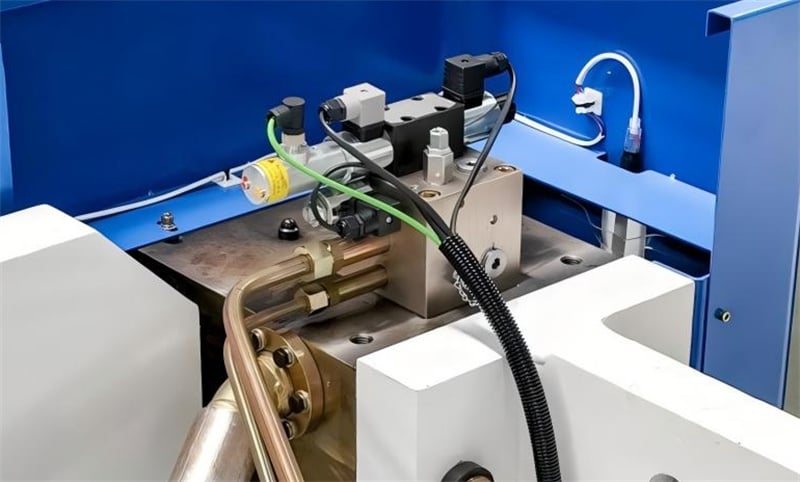
Przed rozpoczęciem procesu rozwiązywania problemów konieczne jest zidentyfikowanie potencjalnych źródeł wycieku oleju w układzie hydraulicznym prasy krawędziowej. Ponieważ układ hydrauliczny działa pod wysokim ciśnieniem, nawet najmniejszy defekt może spowodować zauważalny wyciek oleju.
Wytarte uszczelki cylindra hydraulicznego
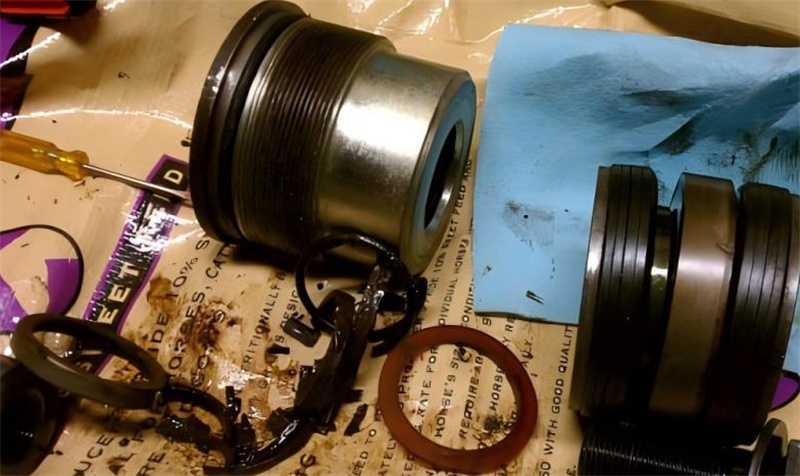
Wytarte uszczelki cylindra są jednym z najczęstszych powodów wycieku oleju z prasy krawędziowej. Uszczelki ulegają ciągłemu tarciu i cyklom ciśnienia w miarę przesuwania się suwaka przez dłuższy czas, co prowadzi do stopniowego zużycia.
Typowe objawy tego problemu obejmują:
• Wyciek oleju wokół drążka cylindra
• Stopniowa utrata ciśnienia hydraulicznego podczas procesu gięcia
• Widoczne ślady oleju na powierzchni suwaka
Gdy zaobserwuje się te objawy, konieczne jest sprawdzenie stanu drążka cylindra oraz ustalenie, czy uszczelka wymaga natychmiastowej wymiany.
Luźne połączenia rur hydraulicznych
Luźne połączenia w przewodach hydraulicznych stanowią kolejną częstą przyczynę usterki. Ciągłe drgania generowane podczas pracy maszyny mogą stopniowo poluzować złącza przewodów, tworząc szczeliny, przez które olej wycieka.
Ten problem może prowadzić do:
• Widocznych kropelek oleju powstających w miejscach połączeń przewodów
• Niewielkich i nieregularnych wahań ciśnienia hydraulicznego
• Skraplania się plam oleju wokół obszarów połączeń
Dokręcenie luźnych połączeń oraz sprawdzenie stanu pierścieni uszczelniających zwykle szybko i skutecznie rozwiązuje ten problem wycieków.
Uszkodzone przewody hydrauliczne JUGAO
Przewody hydrauliczne JUGAO są narażone na pęknięcia lub starzenie się w wyniku długotrwałego użytkowania, ekspozycji na wysokie temperatury lub powtarzających się naprężeń zginających podczas pracy maszyny. Wycieki z uszkodzonych przewodów JUGAO mogą objawiać się drobnym opryskiem oleju lub powolnym przeciekaniem, co na początku łatwo przeoczyć.
W ramach regularnej konserwacji kluczowymi punktami kontroli przewodów hydraulicznych JUGAO są:
• Widoczne pęknięcia na powierzchni lub szczypanie się przewodu
• Puchnięcie lub odkształcenie części JUGAO
• Wilgotny olejowy osad wokół powierzchni JUGAO
Właściwy w terminie wymiany uszkodzonych hydraulicznych JUGAO jest kluczowy dla zapobiegania nagłym i nieoczekiwanym awariom układu hydraulicznego.
Krok po kroku: przewodnik rozwiązywania problemu wycieku oleju z prasy giętarkowej
Aby dokładnie zlokalizować źródło wycieku oleju, niezbędny jest systematyczny, krok po kroku przeprowadzany proces diagnozowania. Poniżej przedstawiono ustandaryzowaną procedurę diagnostyczną w celu wykrycia wycieku oleju z prasy giętarkowej:
Krok 1: Oczyszczenie obszaru hydraulicznego
Pierwszym i podstawowym krokiem jest dokładne oczyszczenie wszystkich komponentów hydraulicznych. Nagromadzona kurz, brud oraz pozostałości starego oleju mogą zakrywać rzeczywiste źródło wycieku, uniemożliwiając dokładne zidentyfikowanie problemu.
Użyj czystej, bezwłóknistej ściereczki do przetrzepania następujących kluczowych komponentów:
• Pompy hydrauliczne oraz ich elementy łączące
• Wszystkie zawory olejowe i bloki zaworów
• Kołnierz i łączniki przewodów hydraulicznych
• Powierzchnia cylindrów i tłoczysk hydraulicznych
Czysta strefa hydrauliczna znacznie ułatwia wykrycie świeżych śladów oleju oraz precyzyjne zlokalizowanie miejsca wycieku.
Krok 2: Uruchomienie maszyny i obserwacja miejsc wycieku
Po zakończeniu czyszczenia uruchom maszynę giętarkę i wykonaj kilka pełnych cykli gięcia w normalnych warunkach roboczych.
Podczas pracy maszyny uważnie obserwuj poniższe obszary pod kątem jakichkolwiek oznak wycieku oleju:
• Ruch tłoczyska cylindra oraz otaczająca je strefa uszczelnienia
• Wszystkie połączenia przewodów hydraulicznych oraz łączniki
• Bloki zaworów, regulatory ciśnienia oraz ich porty połączeniowe
Jeśli występuje wyciek oleju, świeży olej natychmiast pojawi się i zacznie gromadzić się wokół uszkodzonego komponentu, co ułatwia identyfikację miejsca wycieku.
Krok 3: Sprawdzenie stabilności ciśnienia hydraulicznego
Niestabilne ciśnienie hydrauliczne jest często objawem wewnętrznej nieszczelności zaworów lub cylindrów hydraulicznych, co stanowi ukrytą usterkę trudną do wykrycia wyłącznie na podstawie inspekcji wizualnej.
W tym kroku należy zwrócić uwagę na następujące aspekty:
• Odczyty w czasie rzeczywistym na manometrze ciśnienia hydraulicznego – nieoczekiwane spadki lub wahania
• Płynność ruchu tłoka w górę i w dół podczas gięcia
• Nieprawidłowe zmiany temperatury oleju hydraulicznego podczas pracy
Nagły i nieuzasadniony spadek ciśnienia hydraulicznego wskazuje zwykle na zużycie uszczelek wewnętrznych w zaworach lub cylindrach, co stanowi pierwotną przyczynę wewnętrznej nieszczelności.
Krok 4: Inspekcja jakości oleju hydraulicznego
Zanieczyszczony olej hydrauliczny może przyspieszać zużycie uszczelek i zaworów, prowadząc do różnych problemów związanych z nieszczelnościami. Dlatego sprawdzenie jakości oleju hydraulicznego jest kluczowym etapem procesu diagnozowania usterki.
Główne parametry do sprawdzenia w przypadku oleju hydraulicznego obejmują:
• Obecność cząstek metalowych lub innych zanieczyszczeń stałych (spowodowanych zużyciem elementów)
• Niezwykle ciemny kolor lub mętność (wskazujące na utlenianie oleju lub jego zanieczyszczenie)
• Zanieczyszczenie wodą (może powodować korozję oraz uszkodzenie uszczelek)
Właściwe i terminowe wymienianie zanieczyszczonego oleju hydraulicznego oraz filtra oleju hydraulicznego skutecznie zapobiega dalszym wyciekom spowodowanym problemami jakościowymi oleju.
Środki zapobiegawcze przed wyciekiem oleju z prasy krawędziowej
Po usunięciu istniejącego wycieku oleju konieczne jest wprowadzenie skutecznych środków zapobiegawczych, aby uniknąć jego powtórzenia oraz zagwarantować długotrwałą i stabilną pracę prasy krawędziowej.
Regularne inspekcje układu hydraulicznego
Regularna kontrola układu hydraulicznego to najbardziej podstawowa i skuteczna metoda zapobiegawcza. Szybka wizualna kontrola przeprowadzana raz w tygodniu pozwala wykryć wczesne oznaki wycieku jeszcze przed pogorszeniem się sytuacji i wystąpieniem poważniejszych uszkodzeń.
Główne elementy objęte regularnymi kontrolami obejmują:
• Stan zużycia uszczelek cylindra hydraulicznego oraz powierzchni tłoczyska
• Szczelność wszystkich połączeń i złączy przewodów hydraulicznych
• Nienaruszalność powierzchni hydraulicznych JUGAO (brak pęknięć, wybrzuszeń lub rozplatających się warstw)
• Poziom oleju w zbiorniku hydraulicznym oraz czystość oleju
Poprawna konserwacja oleju hydraulicznego
Olej hydrauliczny jest „krwią” układu hydraulicznego giętarki i jego niewłaściwa konserwacja stanowi główny czynnik przyspieszający zużycie uszczelek oraz uszkodzenia zaworów. Przestrzeganie standardowych zasad konserwacji oleju jest kluczowe dla ograniczenia ryzyka przecieków.
Zalecane praktyki konserwacji oleju hydraulicznego:
• Wymieniać olej hydrauliczny ściśle zgodnie z określonymi w instrukcji obsługi godzinami pracy maszyny
• Wymieniać filtry oleju hydraulicznego w regularnych odstępach czasu zgodnie z instrukcją konserwacji
• Podczas uzupełniania oleju stosować środki zapobiegawcze przed zanieczyszczeniem (np. używać czystych lejek, szczelnie zamykać zbiornik oleju)
Takie proste, ale skuteczne kroki mogą znacznie wydłużyć żywotność elementów hydraulicznych i zmniejszyć prawdopodobieństwo wycieku oleju.
Utrzymuj stabilną temperaturę pracy
Nadmiernie wysoka temperatura oleju hydraulicznego może szybko niszczyć materiał uszczelnienia i hydraulicznego JUGAO, co prowadzi do twardzenia, pęknięcia i następnego wycieku. Utrzymanie stabilnej temperatury pracy układu hydraulicznego jest zatem kluczowym środkiem zapobiegawczym.
Aby zapewnić stabilność temperatury, należy podjąć następujące kroki:
• Regularnie sprawdzać i upewniać się, że system chłodzenia jednostki hydraulicznej działa prawidłowo
• Utrzymuj w powietrzu i w powietrzu otwarty i niezawodny obszar wentylacyjny wokół urządzenia hydraulicznego
• W każdym momencie monitorować temperaturę oleju, aby zapewnić, że pozostaje w zakresie zalecanym przez producenta
Stabilna temperatura pracy może skutecznie wydłużyć żywotność wszystkich elementów hydraulicznych i zminimalizować ryzyko wycieku oleju spowodowanego degradacją w wysokiej temperaturze.
Lista kontrolna rozwiązywania problemów z wyciekiem oleju w prasie krawędziowej
Aby uprościć i ustandaryzować proces diagnozowania, poniższa szybka lista kontrolna pozwala skutecznie i bezpiecznie zidentyfikować dokładne źródło wycieku oleju:
1. Dokładnie oczyść wszystkie elementy układu hydraulicznego i usuń cały stary olej oraz brud
2. Uruchom maszynę w normalnych warunkach pracy i zlokalizuj miejsca świeżego wycieku oleju
3. Sprawdź stan uszczelek cylindrów hydraulicznych oraz powierzchnię tłoczysk cylindrów
4. Sprawdź wszystkie połączenia rur hydraulicznych i dokręć luźne połączenia
5. Przebadaj przewody hydrauliczne JUGAO pod kątem pęknięć, wybrzuszeń, odsłonięcia żył lub innych uszkodzeń
6. Zweryfikuj jakość oleju hydraulicznego i wymień go na nowy w przypadku wykrycia zanieczyszczeń
Najczęściej zadawane pytania
Jaka jest najczęstsza przyczyna wycieku oleju w prasie krawędziowej?
Na podstawie praktycznego doświadczenia serwisowego zdobytego na miejscu najbardziej częstymi przyczynami wycieku oleju w układach hydraulicznych pres krawędziowych są zużyte uszczelki cylindrów hydraulicznych oraz luźne połączenia rur hydraulicznych.
Czy wyciek oleju hamulcowego w giętarkach może wpływać na dokładność gięcia?
Tak, może. Wyciek oleju powoduje nieuniknioną utratę ciśnienia hydraulicznego, co prowadzi do niestabilnego ruchu suwaka giętarki. Ta niestabilność skutkuje niestałymi kątami gięcia, zmniejszoną precyzją gięcia oraz ogólnym pogorszeniem wydajności roboczej maszyny.
Jak często należy sprawdzać układ hydrauliczny giętarki?
Zaleca się przeprowadzanie szybkiej inspekcji wizualnej układu hydraulicznego raz w tygodniu. Szczegółowa konserwacja układu hydraulicznego (np. sprawdzanie stanu uszczelek wewnętrznych, testowanie stabilności ciśnienia) powinna być wykonywana z częstotliwością zależną od rzeczywistego stopnia użytkowania maszyny — zwykle co 3–6 miesięcy dla urządzeń intensywnie eksploatowanych.
Czy bezpieczne jest użytkowanie giętarki przy niewielkim wycieku oleju?
Nie zaleca się uruchamiania hamulca przy nawet niewielkim wycieku oleju. Pod wysokim ciśnieniem układu hydraulicznego małe przecieki mogą szybko przerodzić się w duże. Dodatkowo wyciek oleju może zanieczyszczać inne elementy maszyny, powodować dodatkowe zużycie, a nawet prowadzić do nagłej awarii układu hydraulicznego podczas pracy, co stwarza zagrożenie dla bezpieczeństwa operatorów i sprzętu.
Podsumowanie
Rozwiązywanie problemów z wyciekiem oleju hamulcowego wymaga dokładnej i szczegółowej kontroli w połączeniu z systematycznym, stopniowym podejściem. Wykonując procedury czyszczenia układu hydraulicznego, obserwując punkty wycieku podczas pracy maszyny, sprawdzając stabilność ciśnienia hydraulicznego i sprawdzając jakość oleju hydraulicznego, można szybko i dokładnie zidentyfikować dokładną przyczynę wycieku oleju.
Regularna konserwacja układu hydraulicznego, standaryzowane zarządzanie olejem hydraulicznym oraz rutynowe inspekcje to najskuteczniejsze sposoby zapobiegania wyciekom oleju i zapewniania niezawodnej oraz stabilnej pracy pras tokarskich. W przypadku wystąpienia trudnych lub utrzymujących się problemów z wyciekiem oleju hydraulicznego, których nie da się rozwiązać za pomocą lokalnej diagnostyki, zaleca się skorzystanie z profesjonalnej pomocy technicznej zespołu obsługi posprzedażowej — nasi eksperci techniczni są zawsze gotowi udzielić profesjonalnych wskazówek dotyczących konserwacji oraz wsparcia na miejscu dla Państwa systemu prasy tokarskiej.

