





Skustuvų parinkimas lazerinėms pjovimo staklėms
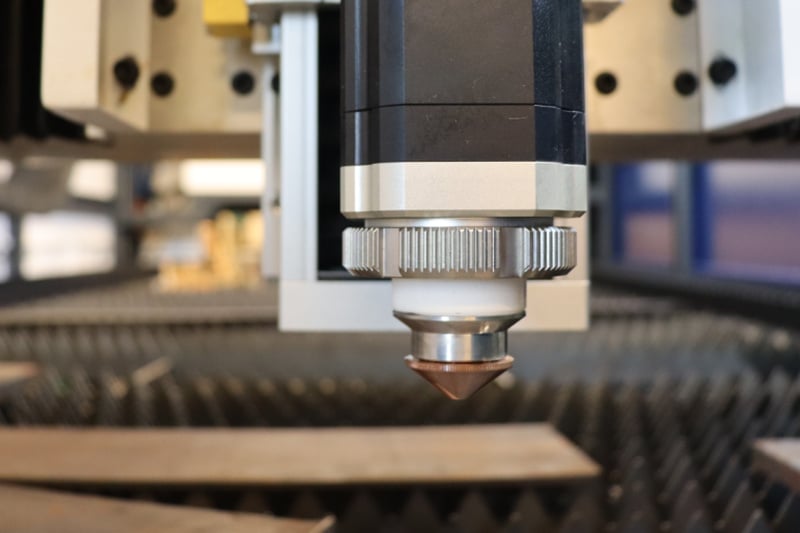
Teisingo žarnos parinkimas lazeriniam pjovimo įrenginiui iš esmės reiškia tikslumo, našumo ir stabilumo pusiausvyros pasiekimą. Pagrindinis principas yra: plonoms plokštėms pjauti naudoti mažą angą, kad būtų maksimaliai padidintas greitis ir tikslumas; storesnėms plokštėms pjauti naudoti didelę angą, kad būtų užtikrinta stabilumas ir paviršiaus kokybė.
| Vardas ir pavardė | Simbolis | Žarnos forma | Formos charakteristikos | Naudojimai |
| Viena sluoksnio | S (vienojo sluoksnio) |
|
Vidaus siena kūginė, aukšto slėgio dujų šlako pašalinimas dideliu srautu | Tinka lydymui ir pjovimui, pvz., nerūdijančiojo plieno ir aliuminio plokščių |
| Dvisluoksnis | D (dviejų sluoksnių) | 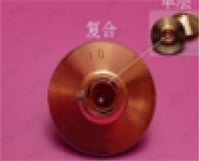 |
Dviejų sluoksnių sudėtinė konstrukcija prideda vidinį šerdį prie vieno sluoksnio pagrindo. | Dviejų sluoksnių žarnos, kurių dydis 2,0 ir didesnis, naudojamos anglies plieno šlifuojamajam paviršiui pjauti. |
| Didelės našumo dviejų sluoksnių | E | 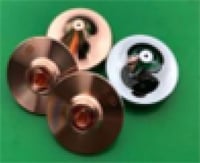 |
Šio purkštuko antgalis yra smailus ir jo vidinėje kraštinėje turi tris didesnius skylutes nei įprasti dviejų sluoksnių purkštukai. | Pagrindinis taikymas – aukštos galios, didelės našumo ir blizgančios paviršiaus pjovimo darbai anglies plieno ruošiniuose iki 20 mm storio. |
| Didelės našumo vieno sluoksnio | SP | 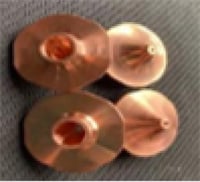 |
Purkštuko antgalis yra smailus, vidinė siena – pakopuota kūginė | Pagrindinis taikymas – aukštos galios, didelės našumo ir blizgančios paviršiaus pjovimo darbai arba deguonies neigiamojo kokso pjovimas anglies plieno ruošiniuose storesniuose nei 20 mm. |
| Didelės našumo vieno sluoksnio | ST | 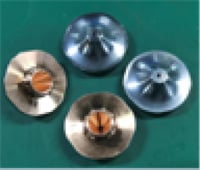 |
Nosies forma yra smaili; vidinė siena – kūginė; purkštuko angos plotas didesnis nei SP | Pagrindinis taikymas – didelės našumo blizgančios paviršiaus pjovimo darbai anglies plieno ruošiniuose storesniuose nei 20 mm, užtikrinant stabilų sekimą ir geresnius rezultatus. |
| Storm purkštukas | B (pagreitinimas) | 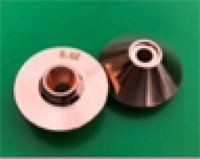 |
Gerinimas vieno sluoksnio žarnoje: žarnos anga turi pakopų formą. | Tinka aukštos galios azoto arba žemo slėgio oro pjovimui iš nerūdijančiojo plieno ir anglies plieno. |
Žemiau pateikta išsami parinkimo instrukcija pagal plokštės tipą ir storį:
| Lazeris | Pjovimo storis (anglies plieno deguonies šlifavimas) | Rekomenduojama žarna |
| Žemos galios lazeris (≤6000 W) | 16 mm–20 mm | 1,4D–1,6D (standartinė kūginė žarna) |
|
Aukštos galios lazeris (≥6000 W, pavyzdžiui, Raycus 12 kW) |
3 mm–12 mm | 1,2E (dviejų sluoksnių didelės našumo purkštukas) |
| 12 mm–14 mm | 1,2E–1,4E (dviejų sluoksnių didelės našumo purkštukas) | |
| 16 mm–20 mm | 1,4E–1,6E (dviejų sluoksnių didelės našumo purkštukas) | |
| 22 mm–35 mm | SP1,4–SP1,8 (vieno sluoksnio didelės našumo purkštukas) arba 1,4E–1,8E (dviejų sluoksnių didelės našumo purkštukas) | |
| 35 mm–40 mm | SP1,6–SP1,8 (vieno sluoksnio didelės našumo purkštukas) arba 1,6E–1,8E (dviejų sluoksnių didelės našumo purkštukas) |
Yra keletas detalių, kurios yra net svarbesnės nei tiesiog „pasirinkti tinkamą“:
Svarbu: Koncentriškumas yra lemiamas: purkštuko angos centras turi būti tiksliai sujungtas su lazerio spindulio centru. Jei jie nėra koncentriški, geriausiu atveju vienoje pjovimo krašte susidarys šukos; blogiausiu atveju pjovimas bus nepilnas ar net pažeis pjovimo galvutę. Tai paprastai atliekama įrengiant įrangą, tačiau po purkštuko pakeitimo tai taip pat turėtų būti patikrinta.
Atkreipkite dėmesį į purškiklio medžiagą ir tikslumą:
Medžiaga: Dėl puikių elektrinių ir šiluminės laidumo savybių aukštos kokybės varis yra pagrindinė medžiaga. Grynasis varis užtikrina stabilesnį talpos signalą ir geresnę našumą nei vario ir cinko lydinys. Kai kurie purškikliai turi keraminį dangos sluoksnį, kuris daugiausia skirtas išvengti iššaukimo ir pratęsti jų tarnavimo laiką.
Tikslumas: Gerą purškiklį charakterizuoja koncentriškumo nuoklona mažesnė nei 0,03 mm (mažesnė nei 0,02 mm – purškikliams, kurių skersmuo mažesnis nei 1 mm). Tai apsaugo vidinę lęšį ir sumažina montavimo sunkumus.
Laiku keiskite ir prižiūrėkite: Purškiklis yra sąnaudų gaminys. Nedelsdami pakeiskite jį, jei pastebėsite žarnos deformaciją, įtrūkimus, stiprų iššaukimo kaupimąsi ar staigų pjovimo kokybės sumažėjimą (pvz., šlako kaupimasis ar netobulas pjovimo paviršius). Reguliariai valykite purškiklio galą varinės vielos šepetuku, kad pašalintumėte iššaukimą.
Kai suprantate pagrindinę „mažų skylių plonoms plokštėms ir didelių skylių storesnėms plokštėms“ logiką ir atitinkamai padarote nedidelius pataisymus remdamiesi dažniausiai naudojamais medžiagomis, galėsite pasirinkti tinkamą purkštuką ir žymiai pagerinti pjovimo kokybę bei efektyvumą.

