





Key Points to Understand When Operating a Profile Bending Machine
Profiles are widely used steel structural materials. The standardization, normalization, and serialization of profiles not only save producers significant time, financial resources, and materials, reducing costs and achieving good economic benefits, but also facilitate consumer usage requirements. Some profiles are not directly usable but require further processing, such as bending and stamping. Therefore, profile bending machines and specific tools and dies are needed to bend sheet metal or steel into specific shapes.
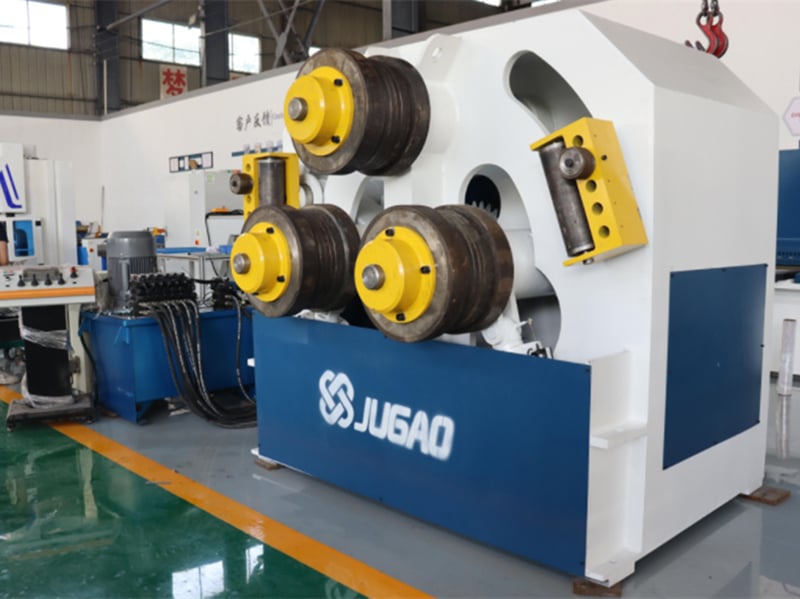
Key points to note when operating a profile bending machine:
1. First, fix the upper die, ensuring the die's center of gravity and the pressure head's center are aligned. The upper and lower die planes must fit tightly with uniform gaps, and check that the upper die has sufficient stroke.
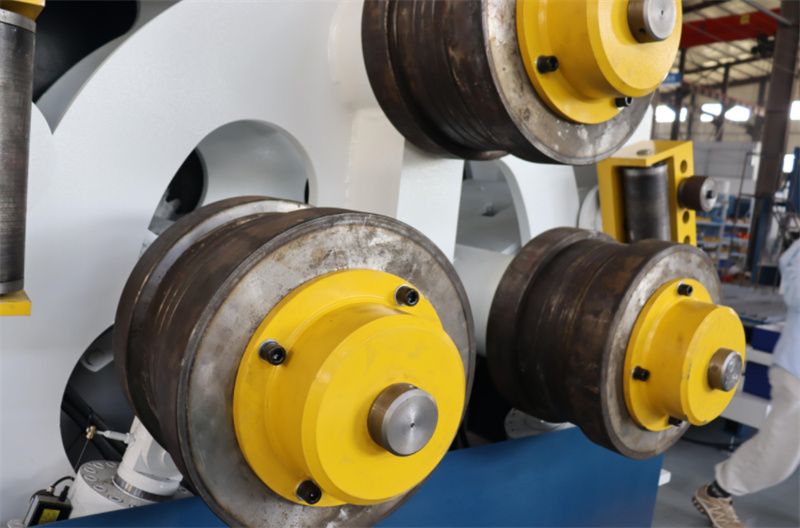
2. Start the profile bending machine, test the pressure, and check for any abnormalities and proper lubrication. For workpieces difficult to remove from the die, add appropriate lubricant or oil to reduce friction and facilitate demolding.
3. Before formal bending, the workpiece number and dimensions must be checked again to ensure they match the drawings, and the blank must be free of burrs that could affect the pressing quality. For large batches of workpieces, adjustable positioning blocks must be installed; any deviations should be adjusted promptly.
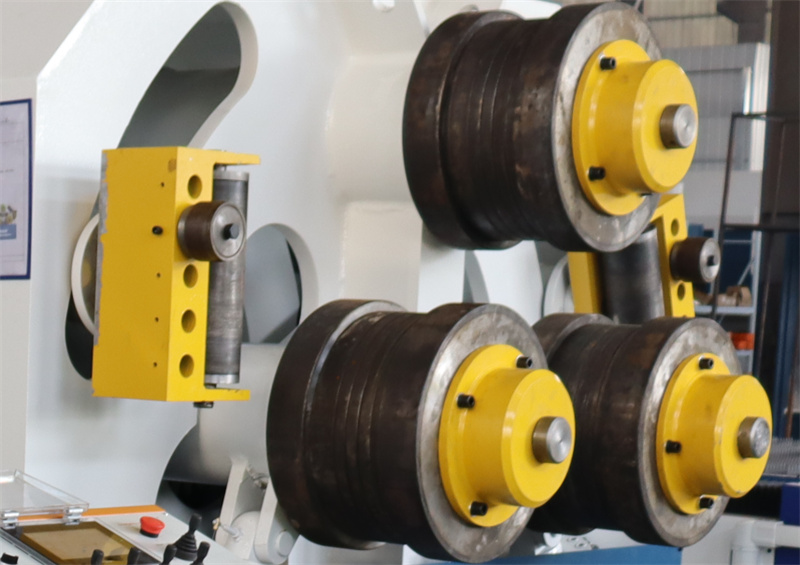
4. Workpieces must not be placed or removed directly from the die of the profile bending machine by hand. For larger workpieces, they can be placed or removed from outside the die. For workpieces smaller than the die, other tools should be used for handling.
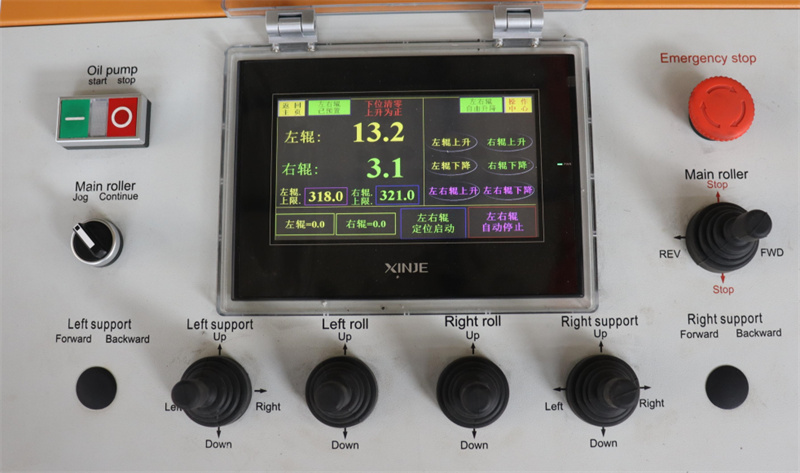
JUGAO CNC MACHINE has many years of design and production experience. Our professionally designed and manufactured profile bending machines can complete the rolling and correction processes in one feeding operation. They feature advanced design, stable and reliable product quality, and convenient operation, and are widely used in industries such as petroleum, chemical, hydropower, shipbuilding, and machinery manufacturing.

