





JUGAO Blog Pro - Laser Power Supply Maintenance Guide
Introduction
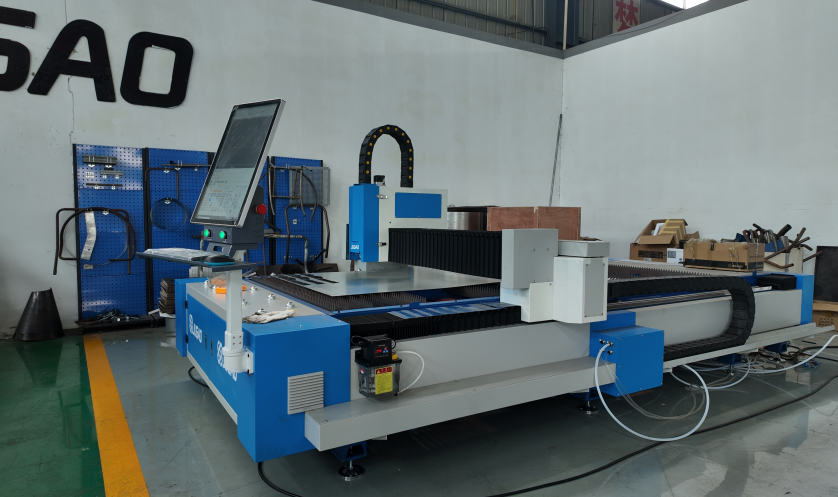
A stable laser power supply is critical for reliable laser cutting performance. It regulates electrical energy delivered to the laser source and directly affects cutting accuracy, machine stability and production efficiency. Regular maintenance helps prevent voltage fluctuation, overheating, dust accumulation and unexpected failures.
Understanding the Laser Power Supply
The laser power supply converts and controls electrical energy to provide stable voltage and current output. Proper operation ensures consistent laser performance during cutting processes.
Common Issues in Power Supplies
Typical problems include overheating, dust contamination, electrical surges, loose connections and aging electronic components. These issues may reduce cutting quality and increase repair costs.
Step 1: Power Off and Safety Precautions
Before maintenance, shut down the laser machine completely, disconnect the main power source and follow electrical safety procedures. Ensure stored electrical energy has been discharged before inspection.
Step 2: Inspect Electrical Connections
Check cables, terminals and connectors for looseness, corrosion, overheating marks or damage. Secure connections and replace defective wiring to maintain stable power transmission.
Step 3: Clean Dust and Debris
Remove dust and particles from the power supply housing and ventilation areas using suitable anti-static tools. Clean equipment improves cooling efficiency and reduces component stress.
Step 4: Monitor Temperature and Cooling
Confirm that cooling fans work properly and heat dissipation channels remain clear. Stable temperature control helps extend the service life of electronic components.
Step 5: Test Voltage and Current Output
Use appropriate testing equipment to verify output values. Abnormal voltage or current readings may indicate internal component problems or unstable power regulation.
Step 6: Replace Worn or Aged Components
Inspect capacitors, fuses and electronic parts for aging, leakage or corrosion. Replacing damaged components before failure prevents production interruption.
Step 7: Schedule Regular Maintenance Intervals
Create a maintenance schedule based on operating conditions. Routine inspections, cleaning and electrical testing help identify problems early.
Best Practices for Long-Term Power Supply Health
Maintain a clean working environment, protect equipment from power surges and keep detailed records of inspections, replacements and test results.
FAQ
How often should a laser power supply be maintained?
Regular visual checks should be combined with scheduled cleaning and electrical testing.
Can power supply problems damage the laser system?
Yes. Unstable output and overheating may reduce component life and affect cutting quality.
Conclusion
Proper laser power supply maintenance improves stability, reduces downtime and extends equipment lifespan. JUGAO recommends preventive maintenance programs to ensure reliable laser cutting performance.

