





Keunggulan Robot Pengelasan Busur Argon
Karena penurunan jumlah tukang las dalam beberapa tahun terakhir, yang dipengaruhi oleh faktor cuaca dan lingkungan, jumlah pengelasan busur argon secara manual tidak mengalami peningkatan. Munculnya robot pengelasan busur argon telah mengisi kesenjangan pasar ini. Robot pengelasan busur argon dapat beroperasi di lingkungan apa pun, sehingga mendapatkan penerapan luas di perusahaan-perusahaan dalam negeri.
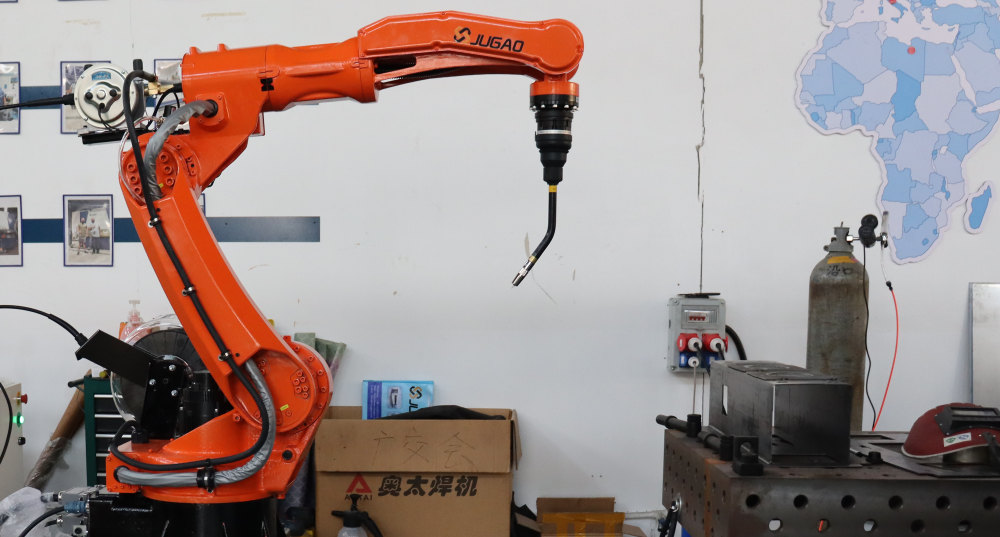
Dengan perkembangan ilmu pengetahuan dan teknologi, robot pengelasan telah banyak digunakan dalam beberapa tahun terakhir. Kemampuan mereka untuk mengubah teknik pengelasan kapan saja menjadikannya populer di banyak perusahaan. Dalam beberapa tahun terakhir, teknologi pengelasan busur argon telah berkembang pesat di Tiongkok. Apakah Anda mengetahui keunggulan teknologi robot pengelasan busur argon?
I. Kualitas dan Konsistensi Pengelasan Terbaik
Ini adalah nilai inti dari teknologi robot pengelasan busur argon.
Pelindungan gas argon memisahkan busur dan kolam lebur dari pengaruh buruk oksigen, nitrogen, hidrogen, dan lain-lain di udara, sehingga mengurangi kehilangan unsur paduan dan menghasilkan sambungan las yang rapat, bebas percikan, serta berkualitas tinggi.
Bebas percikan dan kemurnian tinggi: Pengelasan busur argon secara alami merupakan proses pengelasan bebas percikan. Dikombinasikan dengan pengendalian panjang busur yang presisi serta manajemen aliran gas pelindung oleh robot, pembentukan las yang sangat baik dapat dicapai. Hal ini sangat penting untuk aplikasi di bidang tenaga nuklir, peralatan semikonduktor, dirgantara, dan bidang lainnya yang menuntut standar kualitas internal (porositas, inklusi terak) serta penampilan sambungan las yang sangat tinggi. Pengelasan busur argon (pengelasan busur argon) mampu mengelas hampir semua jenis logam, khususnya logam tahan api dan logam yang mudah teroksidasi seperti magnesium, titanium, molibdenum, zirkonium, aluminium, serta paduan-paduannya; lebih lanjut, kinerja tegangan produk hasil pengelasan lebih unggul dibandingkan pengelasan busur listrik, sehingga sering digunakan pada pipa bertekanan.
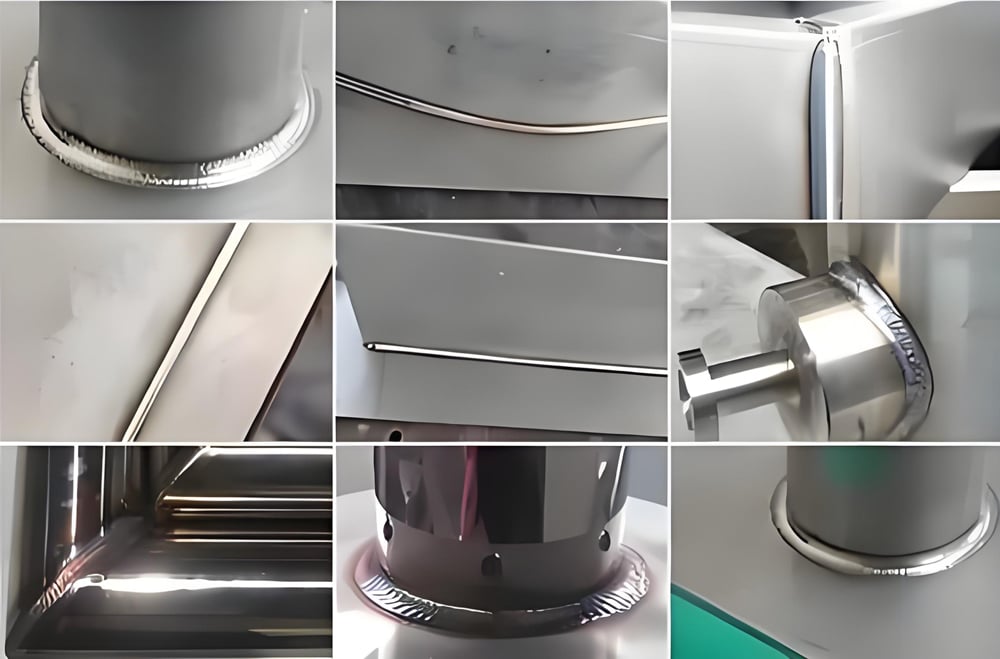
Kontrol Masukan Panas yang Presisi: Robot dapat mengontrol kecepatan pengelasan, peluruhan arus, dan lintasan osilasi dengan tingkat pengulangan yang sangat tinggi (biasanya ±0,05 mm). Dibandingkan dengan operasi manual, robot mampu mengontrol masukan panas secara lebih presisi, sehingga secara efektif mencegah tembus bakar pada pelat tipis atau penurunan kinerja pada material yang sensitif terhadap panas (seperti paduan titanium dan paduan tahan suhu tinggi).
Stabilitas Proses: Keunggulan utama robot terletak pada "kemampuan replikasi"-nya. Selama benda kerja dan peralatan tetap konsisten, robot dapat mengulang parameter pengelasan yang persis sama ribuan kali, sehingga sepenuhnya menghilangkan fluktuasi kualitas akibat kelelahan, gemetar tangan, atau gangguan konsentrasi selama operasi manual.
II. Kemampuan Menerapkan Proses Kompleks
Teknologi robot pengelasan busur argon memperluas batas penerapan proses pengelasan kelas tinggi. Pengelasan busur argon (ATW) menawarkan sejumlah keunggulan: pembakaran busur yang stabil, panas terkonsentrasi, suhu kolom busur tinggi, efisiensi pengelasan tinggi, zona terpengaruh panas sempit, serta pengurangan tegangan, deformasi, dan kecenderungan retak pada komponen yang dilas.
Kelenturan dan Aksesibilitas: Robot 6-sumbu atau 7-sumbu mampu menjangkau ruang sempit yang sulit dioperasikan manusia, sehingga dapat menyelesaikan pengelasan kurva spasial kompleks. Terutama ketika digunakan bersama dengan positioner (sumbu eksternal), robot mampu mempertahankan torch pengelasan dalam posisi "tegak lurus ke bawah" atau posisi optimal lainnya, sehingga memudahkan pencapaian pengelasan berkualitas tinggi di semua posisi (horisontal, horisontal, vertikal, dan atas kepala).
Integrasi Proses Komposit: Platform robot secara alami cocok untuk mengintegrasikan proses pengelasan yang lebih kompleks. Sebagai contoh:
TIG Kawat Panas: Robot mengontrol arus kawat panas secara presisi, sehingga meningkatkan efisiensi deposisi secara signifikan tanpa menaikkan arus pengelasan, mengatasi rendahnya efisiensi pengelasan TIG konvensional.
TIG Ganda: Dengan mempertahankan jarak dan sudut kedua elektroda tungsten secara presisi, robot mampu mencapai pengelasan yang stabil pada arus tinggi, sehingga meningkatkan efisiensi pengelasan pelat tebal secara signifikan.
III. Kontrol Cerdas dan Adaptif:
Ini merupakan peningkatan utama yang membedakan teknologi robot pengelasan busur argon modern dari robot konvensional berbasis metode "ajarkan-dan-putar ulang". Pengelasan busur argon (pengelasan busur argon) merupakan proses pengelasan busur terbuka yang nyaman untuk dioperasikan dan diamati; memiliki keausan elektroda rendah, pemeliharaan panjang busur yang mudah, serta tidak menggunakan fluks maupun lapisan pelindung selama pengelasan, sehingga memudahkan mekanisasi dan otomatisasi.
Posisioning dan Pelacakan Berbasis Visi Laser:
Penentuan Posisi: Sebelum pengelasan, sensor laser memindai benda kerja untuk mengidentifikasi secara otomatis posisi bevel dan penyimpangan celah perakitan, serta memperbaiki lintasan yang telah diprogram sebelumnya.
Pelacakan: Selama proses pengelasan, pusat las dipantau secara real time, dengan penyesuaian dinamis terhadap lintasan gerak robot. Teknologi ini secara efektif mengurangi persyaratan presisi pada peralatan dan perlengkapan (tooling and fixtures), serta mampu beradaptasi terhadap penyimpangan lintasan akibat deformasi termal benda kerja.
Pemantauan Kolam Cair dan Pengendalian Loop-Tertutup: Sistem kelas atas dapat dilengkapi kamera pemantau kolam cair yang dikombinasikan dengan algoritma pengenalan citra guna menganalisis morfologi kolam cair dan pembentukan sisi belakang secara real time. Begitu terdeteksi anomali, sistem dapat secara otomatis menyesuaikan arus, kecepatan umpan kawat, atau kecepatan pengelasan untuk mencapai pengendalian kualitas real time berbasis loop tertutup.
IV. Produksi Berkecepatan Tinggi dan Optimalisasi Biaya
Meskipun pengelasan busur argon itu sendiri relatif lambat, teknologi robotika meningkatkan efisiensi keseluruhan pada tingkat sistem.
Tingkat pemanfaatan tinggi: Robot dapat beroperasi secara terus-menerus selama 24 jam sehari, dan dengan tata letak stasiun ganda atau multi-stasiun, robot mampu melakukan pengelasan serta pemuatan/bongkar muatan secara bersamaan, sehingga meningkatkan pemanfaatan peralatan secara signifikan.
Pengurangan limbah bahan: Pengendalian lintasan dan umpan kawat yang presisi mengurangi limbah kawat las. Secara bersamaan, tingkat pengerjaan ulang yang sangat rendah menghemat biaya bahan, gas, dan tenaga kerja yang terkait dengan pengelasan perbaikan.
Penurunan total biaya manufaktur: Meskipun investasi awal lebih tinggi, penggantian tukang las terampil tinggi (yang memerlukan masa pelatihan panjang dan biaya tenaga kerja tinggi), peningkatan tingkat hasil produksi, serta pencapaian produksi massal yang stabil, secara jangka panjang mampu menurunkan biaya per unit secara signifikan. Masa pengembalian investasi biasanya berkisar antara 1–3 tahun.
RINGKASAN
Keunggulan teknologi robot pengelasan TIG pada dasarnya terletak pada presisi, pengulangan, dan fleksibilitas robot tersebut, yang secara sempurna mengoptimalkan potensi kualitas tinggi dari proses pengelasan TIG.
Teknologi ini bukan sekadar soal "mesin menggantikan manusia", melainkan mewakili pergeseran proses pengelasan dari berbasis pengalaman menjadi berbasis data. Dengan mengintegrasikan visi laser, pemantauan kolam cair (molten pool), serta manajemen digital, teknologi ini berhasil mengatasi dilema dalam mencapai kedua target sekaligus: "kualitas tinggi" dan "efisiensi tinggi" di sektor manufaktur kelas atas. Teknologi ini sangat cocok untuk aplikasi yang memiliki persyaratan kualitas pengelasan ketat di bidang dirgantara, tenaga nuklir, bejana bertekanan, perangkat medis, serta instrumen presisi.

