Gears are among the components in pipe bending machines that are often overlooked until problems arise. Hydraulic oil, electrical systems, molds, and sensors are all key areas of daily focus. But when it comes to gears, many people think, "It's just a lump of iron; what could possibly be wrong with it?"
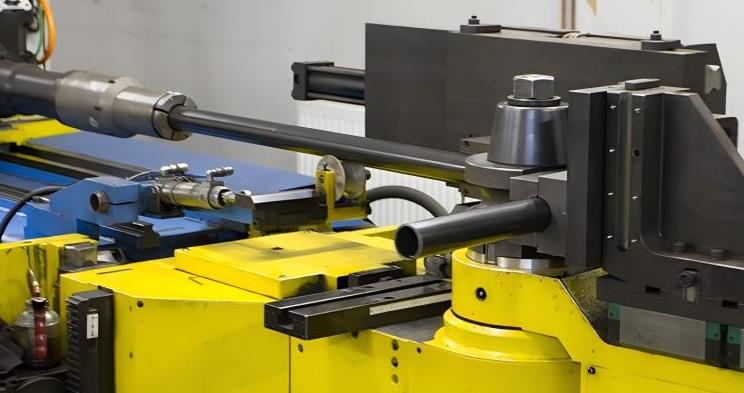
In reality, the gear and chain system in a pipe bending machine transmits the motor's torque to the bending arm, clamping, and pressing mold—the actuators. If the gears are loose or worn, the bending arm's movements won't keep up with the programmed instructions. Angle deviations or pipe wrinkling—after searching for various causes, it turns out to be due to gear backlash.
I. How Gear Wear Develops Step by Step
Gear wear almost never occurs suddenly. It might start with pitting on the gear teeth or a slight stretching of the chain. These changes don't immediately stop the machine from working, but transmission efficiency is already decreasing.
Increased friction leads to heat buildup, causing the lubricant's performance to deteriorate even faster. The contact between the gear teeth becomes increasingly uneven, increasing localized stress. At a certain critical point, a gear breaks or the chain skips teeth, causing the machine to stop. This process can take months or even longer, but early symptoms are often overlooked.
II. Regular Inspections: Listen and Observe
Before starting the machine each day, operators should listen for any unusual sounds near the gearbox. Normal gear operation produces a uniform sound. Periodic impact sounds or sharp friction sounds often indicate changes in gear meshing or lubrication conditions.
Perform a simple inspection weekly, including checking for oil leaks outside the gearbox, ensuring the chain tension is appropriate, and looking for obvious signs of wear. These checks don't take much time but can detect many problems early.
III. Lubrication: More Isn't Always Better
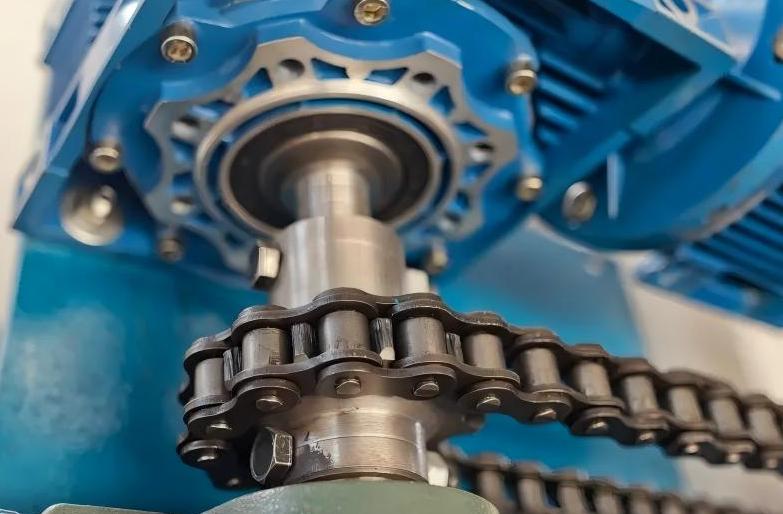
Gears and chains need lubricating oil or grease to reduce friction and dissipate heat. However, the amount and frequency of lubrication need to be properly controlled.
Insufficient lubricating oil leads to direct contact between the gear teeth, accelerating wear. Too much grease, on the other hand, can attract metal shavings and dust, acting as an abrasive and accelerating wear. Furthermore, different brands of lubricating oil should not be mixed, as different additive systems may react.
Using the oil recommended in the equipment manual and adding it according to the recommended intervals and amounts is far more effective than blindly adding more.
IV. Chain Tension: Too Loose or Too Tight is Undesirable
If the chain is too loose, it will vibrate during operation, generating impact loads. The impact force on the sprockets and gears is much greater than with uniform force. If the chain is too tight, it will increase the burden on the bearings and shafts, accelerating wear.
The general method for checking tension is to press the middle of the chain and observe its deflection. Specific values can be found in the equipment manual, as different models of pipe bending machines have different requirements. Adjusting the tension promptly when it is found to be inappropriate is much easier than waiting until the chain skips teeth.
V. Cleaning: Preventing Abrasive Effects
The working environment of a pipe bending machine contains metal dust and coolant mist. If these substances enter the gearbox, they will mix with the lubricating oil, forming an abrasive paste-like mixture that accelerates tooth surface wear.
Regularly cleaning the exterior of the gearbox and checking the seals for damage can reduce the possibility of contaminants entering the gear system. If the gearbox has vents or inspection ports, be careful not to let debris fall in.
VI. When to Replace Wear-Proof Parts
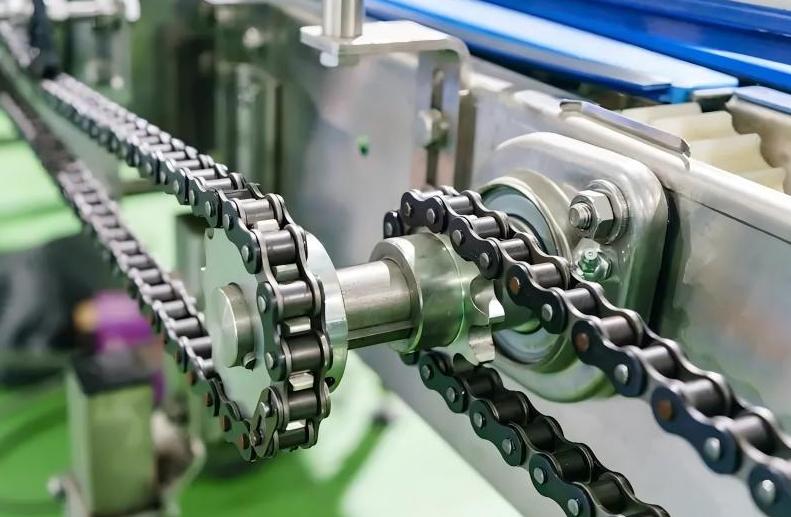
Even with proper maintenance, gears and chains have a limited lifespan. Continuing to use components exhibiting obvious pitting, chain elongation exceeding permissible limits, or gear tooth deformation will only increase the risk.
Replacing these components during planned downtime is far more cost-effective than waiting until they break. The losses from unexpected downtime are often much greater than the cost of the replacement parts themselves.
VII. Common Mistakes
Ignoring the mechanical transmission components and focusing solely on the hydraulic and electrical systems. Over-lubricating, believing that more lubrication equals better protection. Failing to check chain tension regularly, only discovering problems when they become obvious. These problems can all be avoided by creating a simple checklist.