





How Punching Machines Support Telecommunications Manufacturing
Reliable telecommunications networks depend on metal parts that fit together accurately and stand up to daily use. Punching machines help manufacturers produce these parts efficiently, from equipment cabinets and control panels to tower fittings and cable trays. With the right tooling and setup, they can create consistent holes, slots, and cutouts across repeated production runs. This guide reviews the main advantages of punching machines in telecom production, where they are used, how to prepare a machine, and how to address several common operating issues.
Main Advantages of Punching Machines for Telecommunications
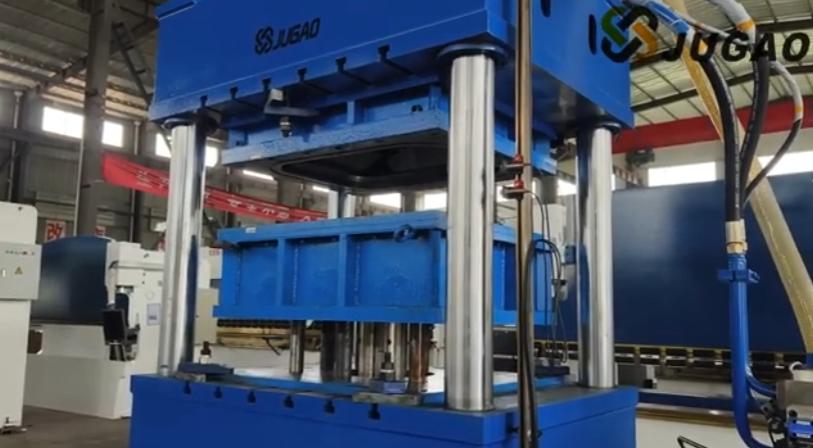
1. Greater Production Throughput
Telecommunications suppliers often need to manufacture many similar parts within tight delivery schedules. A punching machine can repeat programmed operations with limited manual handling, helping shorten processing time and keep output consistent from one component to the next.
2. Accurate Features on Detailed Parts
A small positioning error can make a telecom component difficult to assemble or affect how it fits with other equipment. CNC-controlled punching helps place holes and cutouts precisely in sheet metal. This is particularly useful for equipment cases, distribution enclosures, and antenna-support components that require repeatable dimensions.
3. Lower Costs for Batch Production
Fast processing and well-planned punch patterns can help manufacturers use sheet material more efficiently. Reducing unnecessary scrap and rework can bring down the cost of each part while keeping production quality consistent, especially when orders involve large quantities.
4. Flexibility Across Different Metals
Telecom equipment may be made from materials such as stainless steel, aluminum, or galvanized steel. With suitable tooling and machine settings, punching equipment can accommodate different material types and thicknesses, supporting the production of cabinets, mounting pieces, racks, and panels.
Where Punching Machines Are Used in Telecommunications
Equipment Housings and Enclosures
Protective enclosures need accurately positioned openings for ventilation, cable entry, fasteners, and other fittings. Punching machines produce these holes, slots, and cutouts so sensitive communications equipment can be housed properly.
Telecom Towers and Supporting Hardware
Tower assemblies rely on structural sections and brackets with correctly located fastening holes. Consistent punching helps these parts align during installation and supports the integrity of the assembled structure.
Cable Trays, Racks, and Routing Parts
Cable trays and support racks often need repeated openings to secure cables and guide them along an installation. Punching these features makes cable routing more orderly and helps keep communication lines supported and protected.
Control Panels and Operator Interfaces
Control panels may contain openings for switches, connectors, indicators, and displays. CNC punching can reproduce these detailed layouts accurately, helping components fit correctly during final assembly.
Setting Up a Punching Machine for Telecom Components
Step 1: Prepare the Work Area
Start by clearing the machine area of unnecessary items and checking that the working surface and material support are stable. Keep the sheet metal accessible and positioned safely before beginning setup. A tidy, stable workspace helps reduce avoidable handling errors.
Step 2: Choose and Fit the Tooling
Select punches and dies that correspond to the specified feature shapes and dimensions, as well as the material being processed. Install the tooling carefully and secure it according to the machine instructions. Incorrect or loosely fitted tooling can affect part quality and safe operation.
Step 3: Check Machine Calibration
Verify the backgauge position and confirm that the tooling and sheet are aligned. Run a test on a sample piece and measure the result before moving to the production batch. This check helps confirm that the programmed positions can be repeated reliably.
Step 4: Enter the Punching Pattern
Use the CNC control to input the required hole positions, shapes, and punching sequence. Review the layout before production starts. A correctly checked program helps limit positioning mistakes and keeps repeated sheets consistent.
Troubleshooting Common Issues in Telecom Production
Keeping Thin Sheets Accurate
Thin sheet metal may deform if the punching conditions are unsuitable. If distortion or tearing appears, check the machine setup, punching force, and die clearance. Make adjustments appropriate to the material and validate them on a test piece before continuing.
Reducing Burrs on Edges
Burrs around punched openings can interfere with assembly and finishing. Inspect the punch and die for wear, and confirm that the clearance is suitable for the sheet thickness. Replace or service worn tooling when necessary.
Limiting Unplanned Stops
Preventive servicing can reduce interruptions during production. Follow a maintenance schedule, inspect tooling and moving parts, keep the machine clean and lubricated as specified, and maintain suitable replacement punches and dies so worn components can be changed without unnecessary delay.
Frequently Asked Questions
Why are punching machines important in telecom manufacturing?
They combine repeatable accuracy with efficient processing, making them useful for producing components in volume, including equipment racks, cabinets, panels, and tower hardware.
How can I maintain accuracy when punching telecom panels?
Check the backgauge and tooling alignment, use tooling in good condition, and verify die clearance against the material thickness. A sample run before batch production can reveal setup problems early.
Which materials can these machines process for telecom parts?
Common options include stainless steel, aluminum, and galvanized steel. The machine capacity, tooling, and settings should be matched to the specific material and thickness.
How frequently should a punching machine be maintained?
The source guidance recommends preventive maintenance after every 500 operating hours. The maintenance routine should include checking punches and dies, lubricating moving components where required, and cleaning the machine. Always follow the machine manufacturer's maintenance instructions and adjust the interval to actual operating conditions.
Conclusion
Punching machines help telecommunications manufacturers make accurate, repeatable metal components for enclosures, control panels, tower fittings, and cable-management systems. Their productivity, precision, and ability to work with different sheet metals make them valuable in both routine and high-volume production. Careful preparation, correct tooling, verified CNC settings, and planned maintenance can improve consistency and reduce avoidable downtime.
For advice on selecting a suitable punching solution for your production needs, contact the JUGAO team for technical guidance.

