





How to Select the Right Material for Punching
Whenever I take on a new punching project, the first question I ask myself is straightforward: which material for punching will deliver the best mix of part quality, tool life, and cost efficiency? Pick the wrong sheet and you are left with ragged edges, broken punches, and scrap rates that climb fast. Choose well, and you get clean cuts, tooling that lasts, and production that runs smoothly. In this guide I share the criteria I rely on when selecting the right material for punching, so you can land in the sweet spot between performance and profitability.
Understanding Material Properties for Metal Punching
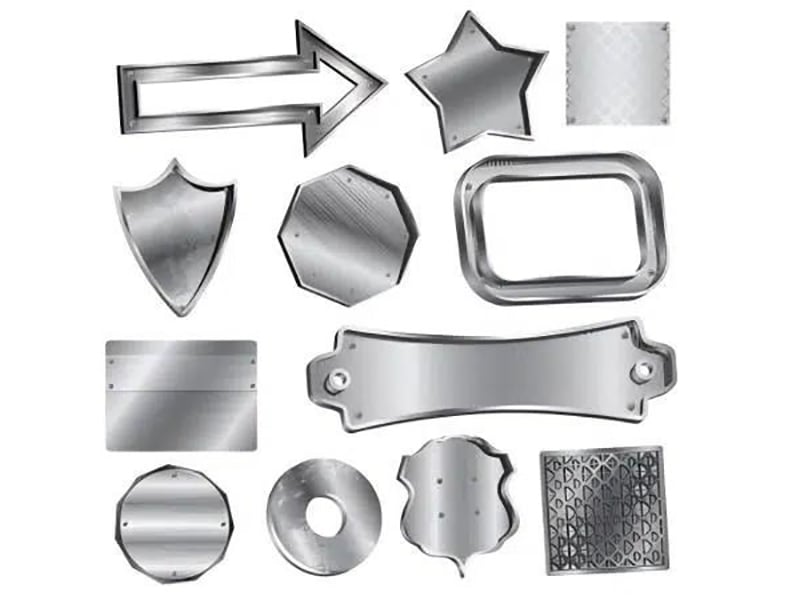
Tensile Strength and Ductility
Every sheet has a breaking point. Materials with higher tensile strength, such as stainless steel, demand more tonnage and shorten punch life, whereas softer metals like mild steel or aluminum punch easily but can deform if the process is not dialed in. I always match material strength to the press's capacity buffer, keeping at least 20 % headroom so the machine is never overloaded.
Hardness and Abrasiveness
Hardness translates directly into tool wear. Abrasive alloys, particularly those with a high silicon or chromium content, wear down punch faces quickly. To counter that, I either move up to coated tooling (TiN or TiCN) or switch to a slightly softer alloy when the part specifications allow it.
Surface Finish and Coatings
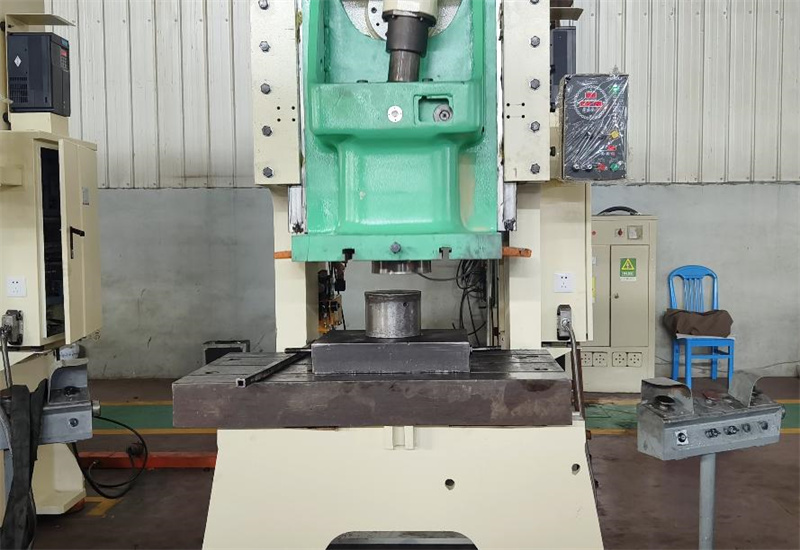
Galvanized or prepainted sheets carry surface layers that can gum up or flake off during punching. I test a small batch first, watching for delamination or a built-up edge. If the coating peels, I adjust clearance or apply a light lubricant film.
Matching Material to Punching Machine Capability
Tonnage Requirements and Press Rating
Your press has a maximum punching force, and every material-and-thickness combination claims its share of it. I run a quick calculation, material shear strength times perimeter length times thickness, to confirm that I stay under the machine's rated tonnage. Exceed it and tool failure becomes only a question of time.
Tooling Compatibility and Clearance
Different materials call for different die clearances. Stainless steel may need 8 % of sheet thickness, while aluminum can manage with 4 %. When I keep to the correct clearance, I get cleaner edges, less burr, and quieter operation.
Material Thickness vs. Punch Diameter Ratio
A general rule I follow is never to punch a hole diameter smaller than the sheet thickness in high-strength alloys. Break that ratio and the risk of punch buckling and slug pulling rises sharply.
Cost, Availability, and Sustainability Considerations
Sheet Cost vs. Scrap Rate
A cheaper material is not always the bargain it appears to be. If I must discard 10 % of every sheet because of burr or micro-cracks, the cost per part climbs steeply. I run a quick ROI comparing higher-grade sheets with lower scrap against budget-grade options with a higher reject rate.
Supply Chain Reliability
A perfect specification means nothing if the material cannot arrive on time. I keep an A-list of suppliers for critical alloys and always confirm lead times before promising delivery dates to customers.
Recyclability and Environmental Impact
Clients increasingly ask for greener options. Aluminum and mild steel earn high marks for recyclability, while exotic alloys may need special disposal. Highlighting a material's sustainable profile can help win contracts in eco-conscious markets.
Practical Steps to Evaluate Material for a New Punching Project
Prototype Punching Tests
Before committing to a full production run, I punch a small batch and inspect edge quality, slug ejection, and punch wear under a microscope. If the results are not crisp, I tweak the clearance or try a different alloy.
Edge Quality Inspection Checklist
I watch for four red flags: burr height above 10 % of sheet thickness, rollover beyond 15 %, micro-cracks, and slug pulling. Any one of these tells me that the material and tool pairing needs adjustment.
Adjusting Parameters Based on Feedback
Sometimes a simple reduction in speed or a change of lubricant solves the problem. At other times I have to move to a punch with a higher-grade coating, or even renegotiate material specs with the customer. The key is to document every change so that the next job starts from an optimized baseline.
FAQs
How do I know if a material for punching is too hard for my press?
Calculate the required tonnage as shear strength times perimeter times thickness. If it exceeds 80 % of your press rating, look for a softer alloy or a machine with higher capacity.
Can I punch stainless steel without destroying my tooling?
Yes. Use coated high-speed steel or carbide punches, raise die clearance to 8-10 %, and add lubrication to limit heat and galling.
What is the ideal clearance for aluminum punching?
Aim for 4-5 % of material thickness. Too much clearance produces burr, while too little raises punch load and wear.
Does material grain direction matter in punching?
It certainly does. Punching perpendicular to the grain reduces tearing and improves edge quality, especially in high-strength steels.
How can I reduce burr height on heavy-gauge materials?
Try double-hit, or nibbling, techniques, sharper tooling, and optimized clearance. With the right setup, secondary deburring operations can be kept to a minimum.
Conclusion
Selecting the right material for punching is equal parts science and experience. By weighing material properties, matching them to your press capacity, and factoring in cost and sustainability, you will avoid expensive surprises and keep production on schedule.
If you need help testing materials or sourcing high-quality sheets, reach out to the JUGAO team. I am always ready to share test data, recommend tooling, and help you punch smarter rather than harder.

