





How to Prevent Laser Machine Overheating Effectively
Overheating is a common operating problem that can affect the cutting accuracy, stability, and service life of a laser cutting machine. Frequent temperature alarms, unexpected shutdowns, or declining cutting performance may indicate that the machine is not dissipating heat efficiently.
Laser cutting equipment generates substantial heat, particularly during long production cycles and high-power processing. If the cooling system, ventilation, water circulation, operating parameters, or workshop conditions are not properly controlled, excessive heat can accumulate and place critical components under unnecessary thermal stress.
This guide explains the main reasons laser machines overheat and provides a practical six-step procedure to improve cooling performance, reduce downtime, and maintain reliable production.
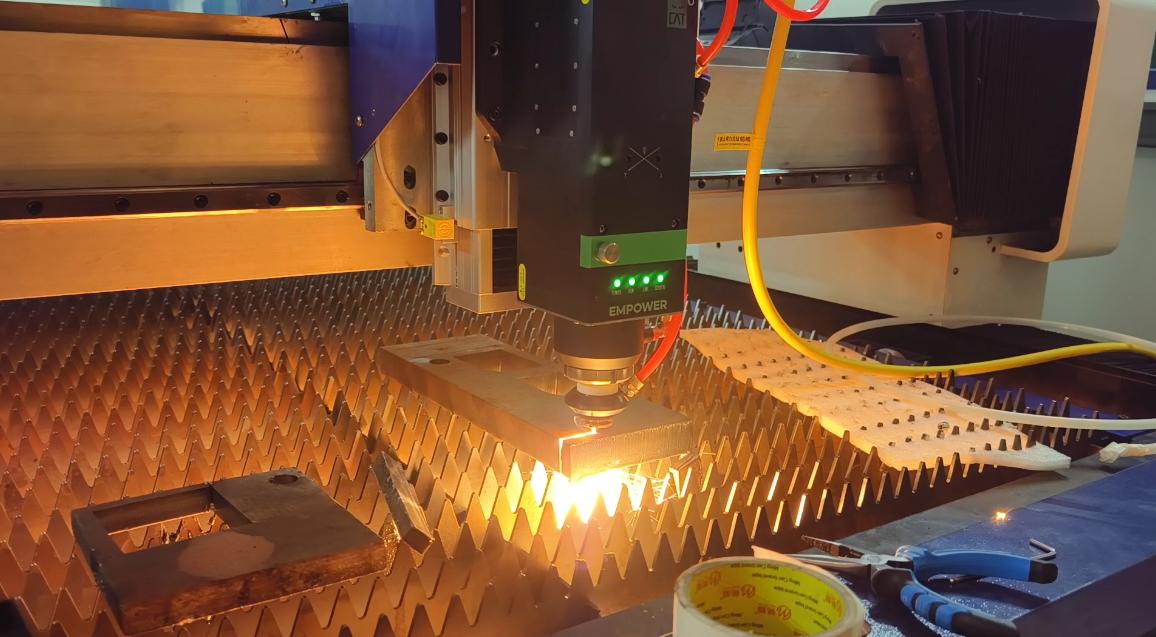
Why Laser Machine Overheating Happens
Before taking corrective action, it is important to understand where excessive heat comes from. Several factors can contribute to abnormal temperature increases during laser cutting.
Poor Cooling System Performance
The cooling system removes heat from the laser source and other temperature-sensitive components. If the water chiller, radiator, pump, or circulation circuit is not working correctly, heat may build up faster than it can be removed.
Dust and Ventilation Problems
Dust on cooling fans, ventilation openings, filters, and electrical cabinets can restrict airflow. Reduced air circulation traps heat inside the equipment and lowers overall heat-dissipation efficiency.
Excessive Continuous Operation
Long periods of uninterrupted operation, especially at high power or heavy load, can increase the thermal burden on the laser system. Without adequate cooling capacity or suitable operating intervals, internal temperatures may continue to rise.
Incorrect Environmental Conditions
The workshop environment also influences machine cooling. High room temperatures, inadequate air circulation, nearby heat sources, or direct sunlight can make it more difficult for the equipment to maintain a stable operating temperature.
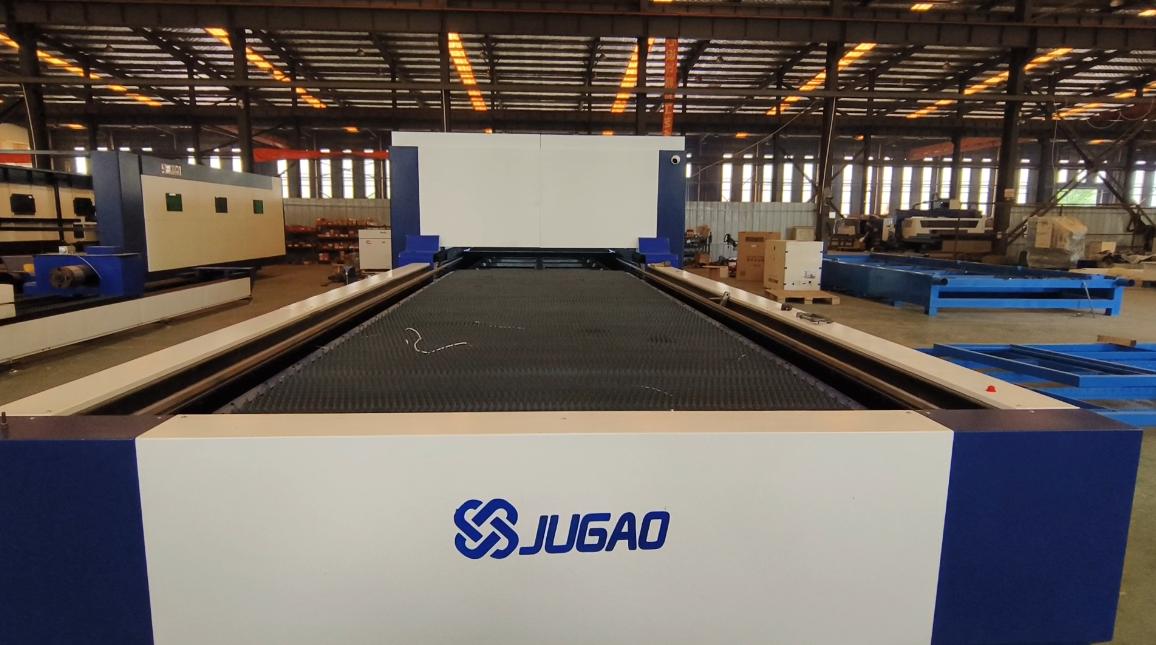
Step-by-Step Guide to Prevent Laser Machine Overheating
Step 1: Inspect the Chiller System Regularly
Begin with the water chiller because stable cooling-water circulation is essential for controlling laser temperature.
During inspection, confirm that:
· The cooling-water level is sufficient
· Water temperature remains within the recommended range
· Cooling lines are free from leaks or obstructions
· Water circulation is stable
Chiller filters should also be cleaned at appropriate intervals. Keeping the filtration and circulation system clear helps maintain efficient heat transfer and reliable cooling performance.
Step 2: Keep Ventilation Systems Clean
Cooling fans, air vents, and filters are responsible for moving heat away from electrical and mechanical components. When these areas become covered with dust, airflow can decrease significantly.
For routine maintenance:
· Clean cooling fans regularly, such as during weekly maintenance
· Remove accumulated dust from ventilation filters and air passages
· Keep electrical cabinets clean and dry
Maintaining unobstructed airflow helps prevent heat from becoming trapped inside the machine.
Step 3: Monitor Laser Machine Temperature
Temperature monitoring should be part of normal machine operation. Modern laser cutting systems typically provide temperature information or alarms for key components.
Operators should pay particular attention to:
· Laser source temperature
· Water chiller temperature
· Servo motor temperature
· Electrical cabinet temperature
If any reading exceeds the equipment manufacturer's recommended limit, investigate the cause immediately rather than continuing production under abnormal thermal conditions.
Step 4: Maintain Proper Cooling Water Quality
Cooling efficiency depends not only on water temperature but also on water cleanliness. Contaminated water can reduce heat-transfer performance and may contribute to deposits or damage inside the cooling circuit.
To maintain suitable water quality:
· Use purified or distilled water when specified for the system
· Replace cooling water at appropriate maintenance intervals
· Prevent algae, scale, and mineral deposits from developing in the circuit
Clean, stable cooling water supports efficient heat exchange and helps protect internal components.
Step 5: Optimize Machine Working Parameters
Incorrect cutting settings can place unnecessary load on the laser system and increase heat generation. Processing parameters should match the material, thickness, and production requirements.
Important measures include:
· Selecting an appropriate laser power level
· Setting cutting speed correctly
· Avoiding unnecessary continuous operation under excessive load
Balanced cutting parameters can reduce thermal stress while maintaining efficient production and acceptable cutting quality.
Step 6: Maintain a Suitable Workshop Environment
External conditions have a direct effect on the machine's ability to dissipate heat. A poorly ventilated or excessively hot workshop can increase the risk of overheating even when the machine's internal cooling system is functioning normally.
Recommended practices include:
· Keeping workshop temperature under reasonable control
· Providing adequate air circulation around the equipment
· Keeping the laser machine away from direct sunlight and unnecessary heat sources
A stable operating environment gives the cooling system better conditions for maintaining safe temperatures during extended production cycles.
Preventive Maintenance Tips for Laser Machine Cooling Systems
Perform Routine Inspections
Regular inspection allows operators to identify cooling problems before they develop into overheating failures. Check hoses, pumps, fans, filters, water circulation, and other cooling-related components as part of the machine's daily or scheduled maintenance routine.
Replace Worn Components Promptly
A failing pump, damaged fan, blocked filter, or deteriorated cooling component can quickly reduce heat-dissipation capacity. Replace defective or heavily worn parts promptly instead of waiting for complete failure.
Train Operators Properly
Operators should understand the basic function of the cooling system, recognize abnormal temperature conditions, and know the correct response to temperature alarms. Proper training reduces the risk of continuing production when the machine is already operating outside safe thermal conditions.
FAQs
What is the ideal operating temperature for a laser cutting machine?
The source article recommends keeping cooling-water temperature at approximately 20°C to 25°C for many laser cutting machines. The exact requirement may vary depending on the laser source manufacturer, so the equipment-specific specification should always take priority.
Can dust cause a laser machine to overheat?
Yes. Heavy dust accumulation can obstruct fans, filters, and ventilation passages, reducing airflow and heat dissipation. As internal heat becomes more difficult to remove, machine temperature can rise.
How often should cooling water be replaced?
The source article recommends a general interval of approximately three to six months, depending on machine usage and water condition. Actual replacement intervals should also follow the cooling-system and laser-source maintenance requirements.
Conclusion
Preventing laser machine overheating is essential for maintaining cutting accuracy, equipment stability, and long-term reliability.
Regular chiller inspection, clean ventilation paths, continuous temperature monitoring, proper cooling-water management, optimized cutting parameters, and suitable workshop conditions can significantly reduce the risk of excessive heat.
Preventive maintenance is equally important. Inspecting cooling components, replacing worn parts before failure, and training operators to respond correctly to temperature alarms can help avoid unexpected shutdowns and costly production interruptions.
For additional support with laser cutting machine operation, cooling-system maintenance, troubleshooting, or equipment selection, the JUGAO team can provide professional technical guidance and practical solutions for your production requirements.

