





How to Maintain JUGAO Laser Cutting Auxiliary Gas System
Table of Contents
• Overview of Laser Cutting Auxiliary Gas System & Core Functions
• Step-by-Step Maintenance Operations for JUGAO Laser Cutting Gas Equipment
Step 1: Detect Gas Supply Source & Stabilize Output Pressure
Step 2: Test Gas Cleanliness & Check Filtration Drying Units
Step 3: Inspect Air Delivery Pipelines & All Joint Fittings
Step 4: Disassemble and Clean Cutting Nozzles & Internal Gas Passages
Step 5: Track Real-Time Gas Flow and Match Cutting Processing Effects
• Typical Malfunctions of Laser Cutting Gas Systems & Targeted Fixes
Unstable Gas Pressure Output
Impurity and Moisture Pollution in Gas Source
Abnormally High Auxiliary Gas Consumption
• Daily Preventive Maintenance Guidelines for JUGAO Gas Supply Systems
Regular Cyclic Inspection Work
Timely Replacement of Consumable Parts on Schedule
Standardized Storage Rules for Gas Cylinders
Establish Complete Maintenance Log Files
• Frequently Asked Questions About Gas System Daily Upkeep
• Final Summary
The stable operation of laser cutting auxiliary gas equipment directly guarantees uniform gas delivery and ultra-high gas cleanliness, two core factors that determine finished cutting quality and overall equipment operating efficiency. For operators using JUGAO laser cutting machines, standardized daily maintenance of gas supply systems is a must-do task to secure steady processing output. This article sorts out full-process maintenance operating standards, common fault troubleshooting schemes and long-term stable operation suggestions for JUGAO laser gas systems. Scientific management of gas sources, filtering assemblies and pressure control components can effectively boost cutting precision, lower unexpected production halt time and extend the service life of the whole laser equipment.
Overview of Laser Cutting Auxiliary Gas System & Core Functions
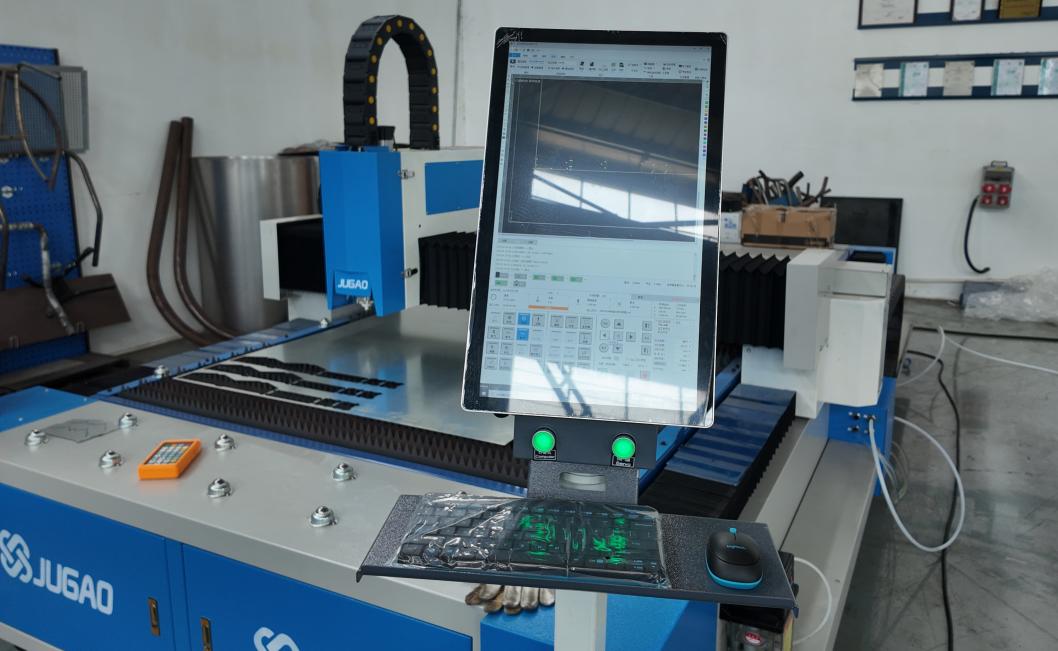
The laser cutting gas system delivers auxiliary process media including oxygen, high-purity nitrogen and dry compressed air to the cutting head. The quality of these gases directly decides cutting speed, workpiece section smoothness and thermal oxidation degree of cutting edges. Systematic regular maintenance of JUGAO gas supply equipment can maintain constant output pressure, eliminate impurity pollution in gas transmission and realize continuous stable cutting operation.
Long-term neglect of gas system maintenance will easily trigger rough cutting cross-sections, jittery cutting tracks and sharp rise in production cost. Therefore, daily inspection and periodic maintenance are not optional auxiliary work, but indispensable core links for normal production.
Step-by-Step Maintenance Operations for JUGAO Laser Cutting Gas Equipment
Step 1: Detect Gas Supply Source & Stabilize Output Pressure
Maintenance starts with full inspection of gas supply sources, including high-pressure gas cylinders, centralized gas storage tanks and air compressors. Operators need to confirm all pressure reducing valves work normally and can output pressure values matching equipment technical parameters.
Fluctuating gas pressure will lead to inconsistent cutting effects, which is especially obvious when processing stainless steel and aluminum alloy plates. It is advised to use calibrated pressure gauges to compare real-time output pressure with the rated parameter range of JUGAO laser cutting equipment.
Step 2: Test Gas Cleanliness & Check Filtration Drying Units
Gas cleanliness is a decisive factor affecting cutting performance. Take nitrogen as an example: nitrogen applied to laser cutting needs to reach purity above 99.99%. Operators should regularly check filter elements and refrigerated dryers laid in gas pipelines to rule out pollution risks caused by water vapor, lubricating oil and solid dust.
Timely replacement of blocked filter cores and regular maintenance of drying equipment can avoid internal component corrosion of the gas system and keep the gas sent to the cutting head clean.
Step 3: Inspect Air Delivery Pipelines & All Joint Fittings
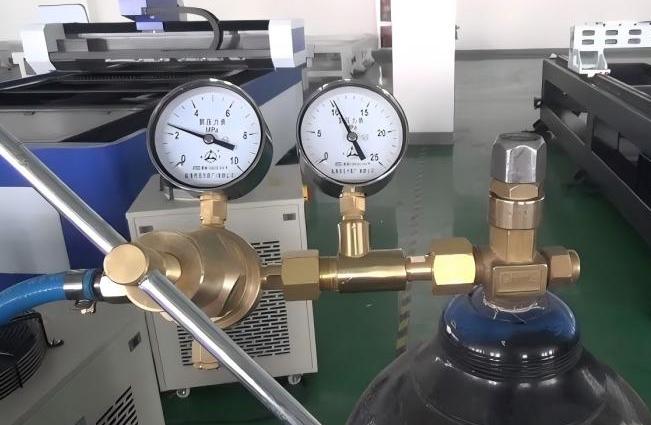
Gas pipeline leakage is a frequently occurring yet easily ignored fault. Form a fixed operating habit: use leak detection liquid or pressure drop test to check all air hoses, control valves and connecting joints for air leakage.
Tiny invisible leaks will reduce processing efficiency, raise gas consumption and damage cutting surface quality. Fastening loose joints or replacing aging sealing connectors can completely solve this hidden danger.
Step 4: Disassemble and Clean Cutting Nozzles & Internal Gas Passages
The cutting nozzle serves as the final outlet of auxiliary gas, so it must stay unblocked and clean. Regular disassembly cleaning is required to clear cutting slag, metal dust and residual attachments blocking gas flow channels.
Blocked nozzles will disrupt uniform gas distribution, resulting in burrs on cutting edges or incomplete penetration of thick plates. For factories with high-volume continuous production, daily nozzle inspection and cleaning are strongly recommended.
Step 5: Track Real-Time Gas Flow and Match Cutting Processing Effects
Always link the running state of the gas system with actual cutting finished products. Once burr residues, surface discoloration or shaking cutting lines appear on workpieces, immediately inspect the gas flow value and the overall operating condition of the gas supply system.
Install flow meters to record real-time gas consumption data, which can help staff discover abnormal equipment conditions at an early stage. This proactive inspection mode is the core of efficient gas system maintenance.
Typical Malfunctions of Laser Cutting Gas Systems & Targeted Fixes
Unstable Gas Pressure Output
Pressure fluctuation mostly arises from damaged pressure reducing valves or unstable gas supply sources. The solution is to replace faulty pressure regulators and ensure the gas supply source can provide continuous and stable air delivery.
Impurity and Moisture Pollution in Gas Source
Gas contamination is mainly caused by aging filter devices or accumulated condensed water inside air compressors. Configure high-precision multi-stage filters and drain water stored in air compressors on a regular cycle to eliminate this problem fundamentally.
Abnormally High Auxiliary Gas Consumption
Excessive gas usage usually signals pipeline leakage or unreasonable cutting parameter setting. Check all connecting positions for air leakage first, then optimize cutting speed, gas pressure and flow parameters to cut down unnecessary gas waste.
Daily Preventive Maintenance Guidelines for JUGAO Gas Supply Systems
Regular Cyclic Inspection Work
Carry out visual quick checks every single day and comprehensive detailed system inspections every week. Early detection of hidden faults can prevent equipment breakdowns during formal production.
Timely Replacement of Consumable Parts on Schedule
Filter elements, sealing rubber rings and delivery hoses are wearing consumables; replace them according to service cycle standards. Postponing replacement until complete failure will lead to long production downtime and extra maintenance costs.
Standardized Storage Rules for Gas Cylinders
All gas cylinders need to be stored in dry, well-ventilated storage areas, far away from high-temperature heat sources and open flames. Standard storage methods can protect gas purity and guarantee workshop operation safety.
Establish Complete Maintenance Log Files
Record all maintenance operations in detail, including filter replacement time, pressure test data and pipeline overhaul records. Complete log files help track long-term system operating conditions and arrange follow-up maintenance plans reasonably.
Frequently Asked Questions About Gas System Daily Upkeep
Q: What is the reasonable cycle for overall maintenance of JUGAO laser cutting gas systems?
A: Conduct basic component visual inspection every day; execute full-depth disassembly and inspection every 1 to 2 weeks. The specific cycle can be adjusted according to equipment daily running time and production load.
Q: What purity standard must auxiliary gas meet for laser cutting processing?
A: Conventional cutting work requires nitrogen purity of no less than 99.99%, while oxygen purity needs to comply with unified industry standards to obtain ideal smooth cutting sections.
Q: How can operators judge whether there is air leakage in the gas supply system?
A: Three detection methods are available: observe continuous pressure drop of the pipeline, notice obvious increase in daily gas consumption, or coat leak detection liquid on all pipe joints to check for bubble generation.
Q: Cutting quality declines sharply even with standard cutting parameters, what is the root cause?
A: In most cases, the problem lies in poor gas circulation, gas mixed with impurities, or blocked cutting nozzles inside the laser auxiliary gas system.
Final Summary
Scientific maintenance of JUGAO laser cutting auxiliary gas systems is the key to stable cutting quality and high equipment utilization efficiency. Through daily inspection of output pressure, persistent guarantee of gas cleanliness, regular pipeline leak detection and thorough cleaning of core gas delivery components, the whole gas supply system can maintain smooth operation and avoid economic losses caused by unexpected production stops. If you need to optimize laser cutting processing performance or acquire professional technical support, you can contact the JUGAO technical service team and browse more exclusive technical documents released by JUGAO for in-depth technical reference.

