





प्रेस ब्रेक का दबाव धीमी गति से क्यों बढ़ता है?
सामग्री
1. प्रेस ब्रेक में हाइड्रोलिक दबाव कैसे काम करता है
2. प्रेस ब्रेक में धीमे दबाव निर्माण के सामान्य कारण
○ अनुपयुक्त हाइड्रोलिक तेल की श्यानता
○ क्षीण या कम-दक्षता वाले हाइड्रोलिक पंप
○ हाइड्रोलिक सिलेंडरों में आंतरिक रिसाव
3. धीमी दबाव प्रतिक्रिया का कारण बनने वाले हाइड्रोलिक वाल्व दोष
○ अनुपातिक वाल्व या दबाव वाल्व का दोष
○ अवरुद्ध हाइड्रोलिक फ़िल्टर
4. दबाव को प्रभावित करने वाले वैद्युतिक और नियंत्रण प्रणाली के मुद्दे
○ गलत दबाव पैरामीटर सेटिंग्स
○ सेंसर या दबाव ट्रांसड्यूसर में विफलता
5. धीमे दबाव निर्माण के लिए चरणबद्ध ट्राउबलशूटिंग
○ चरण 1: हाइड्रोलिक तेल की स्थिति की जाँच करें
○ चरण 2: हाइड्रोलिक पंप और फ़िल्टर का निरीक्षण करें
○ चरण 3: वाल्व और दबाव नियंत्रण भागों की जाँच करें
○ चरण 4: सीएनसी नियंत्रण पैरामीटर की पुष्टि करें
6. अक्सर पूछे जाने वाले प्रश्न
○ प्रेस ब्रेक में धीमे दबाव निर्माण का सबसे आम कारण क्या है?
○ क्या घिसा हुआ हाइड्रोलिक पंप प्रेस ब्रेक में धीमे दबाव निर्माण का कारण बन सकता है?
○ प्रेस ब्रेक में धीमे दबाव निर्माण को पहले से ही कैसे रोका जा सकता है?
○ सीएनसी पैरामीटर सेटिंग्स प्रेस ब्रेक में दबाव निर्माण की गति को प्रभावित करती हैं?
7. निष्कर्ष
जब उत्पादन के दौरान प्रेस ब्रेक में धीमा दबाव निर्माण होता है, तो मेरा पहला कदम हाइड्रोलिक प्रणाली और संचालन स्थितियों की जाँच करना होता है। यह समस्या मोड़ने की दक्षता को कम कर देगी, अस्थिर आकृति निर्माण के परिणामों का कारण बनेगी, और कुछ मामलों में मशीन अलार्म भी ट्रिगर कर सकती है। अधिकांश स्थितियों में, यह किसी एक घटक की विफलता के कारण नहीं होता है, बल्कि हाइड्रोलिक, यांत्रिक और नियंत्रण कारकों के संयोजन के कारण होता है। इस गाइड में, मैं प्रेस ब्रेक में धीमे दबाव निर्माण के सबसे आम कारणों पर विस्तार से चर्चा करूँगा, साथ ही वास्तविक कार्यशाला परिदृश्यों के लिए मेरे व्यावहारिक निदान और समाधान भी साझा करूँगा।
प्रेस ब्रेक में हाइड्रोलिक दबाव कैसे काम करता है
प्रेस ब्रेक में धीमे दबाव निर्माण की समस्या का निवारण करने से पहले, दबाव प्रणाली के सामान्य संचालन को समझना आवश्यक है। हाइड्रोलिक प्रेस ब्रेक में, पंप वाल्वों और पाइपलाइनों के माध्यम से सिलेंडर में हाइड्रोलिक तेल को धकेलता है, और प्रणाली द्वारा उत्पन्न दबाव रैम को नीचे की ओर गति प्रदान करता है जिससे मोड़ने का कार्य पूरा होता है।
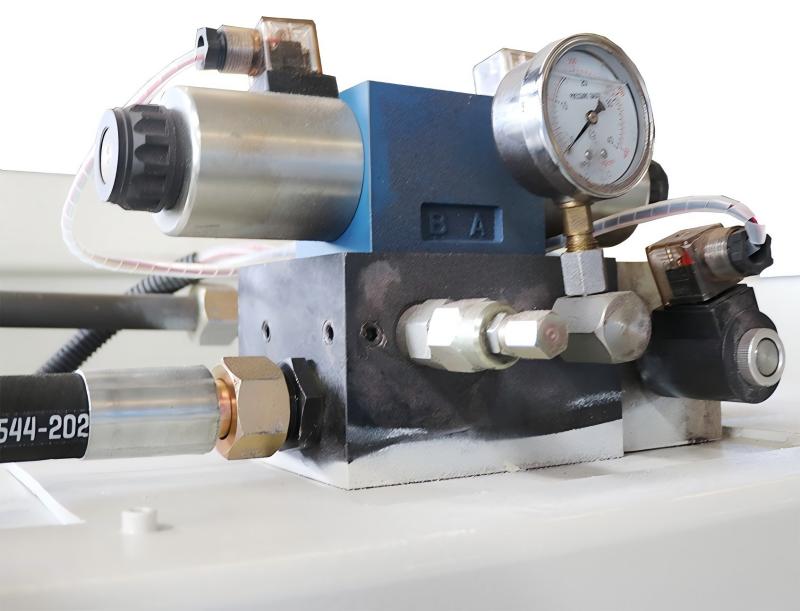
यदि प्रणाली का कोई भी हिस्सा अवरुद्ध, रिसाव वाला, दूषित या नियंत्रण विलंब के साथ है, तो दबाव तेजी से आवश्यक टनेज तक नहीं पहुँच पाएगा, बल्कि धीमी गति से बढ़ेगा। समस्या को कुशलतापूर्ण ढंग से हल करने के लिए दोषपूर्ण घटक की सटीक पहचान करना महत्वपूर्ण है।
प्रेस ब्रेक में धीमे दबाव निर्माण के सामान्य कारण
धीमे दबाव निर्माण का कारण कई यांत्रिक और हाइड्रोलिक असामान्यताएँ हो सकती हैं। मैं निदान के दौरान आमतौर पर निम्नलिखित पहलुओं पर ध्यान केंद्रित करता हूँ।
अनुपयुक्त हाइड्रोलिक तेल की श्यानता
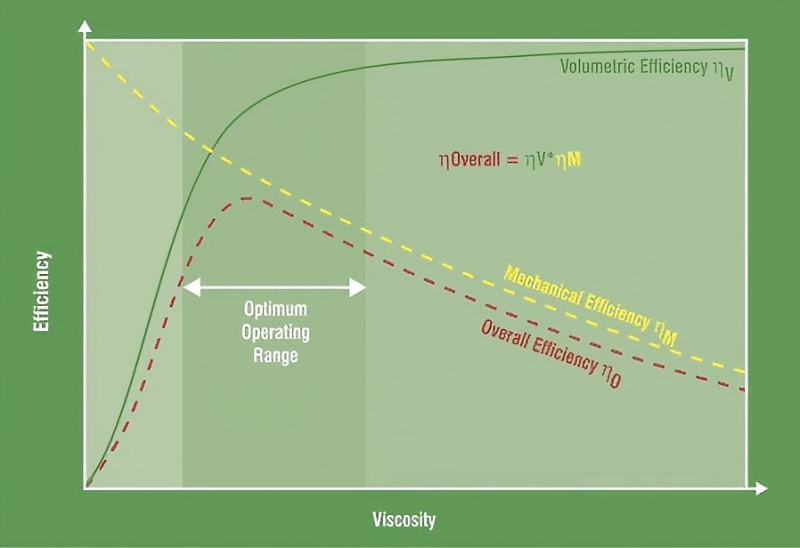
हाइड्रोलिक तेल की गुणवत्ता सीधे दबाव प्रतिक्रिया की गति को प्रभावित करती है। गलत तेल श्यानता के कारण हाइड्रोलिक पंप दबाव को कुशलतापूर्ण ढंग से नहीं बना पाएगा।
सामान्य स्थितियाँ इस प्रकार हैं:
• निम्न तापमान वाले वातावरण में अत्यधिक मोटा तेल
• अत्यधिक गर्म होने के कारण तेल का गुणात्मक अवकर्षण
• निर्माता की आवश्यकताओं को पूरा न करने वाले गैर-मानक हाइड्रोलिक तेल का उपयोग
इन परिस्थितियों में, पंप को तेल की आपूर्ति करने के लिए अधिक ऊर्जा की आवश्यकता होती है, जिससे दबाव निर्माण में देरी होती है। यह समस्या आमतौर पर सही ग्रेड के तेल से प्रतिस्थापन और उचित संचालन तापमान बनाए रखकर दूर की जा सकती है।
घिसा हुआ या कम-दक्षता वाला हाइड्रोलिक पंप
घिसा हुआ हाइड्रोलिक पंप प्रेस ब्रेक में धीमे दबाव निर्माण का एक अन्य प्रमुख कारण है। समय के साथ-साथ, गियर और वेन्स जैसे आंतरिक भागों की कार्यक्षमता कम हो जाती है।
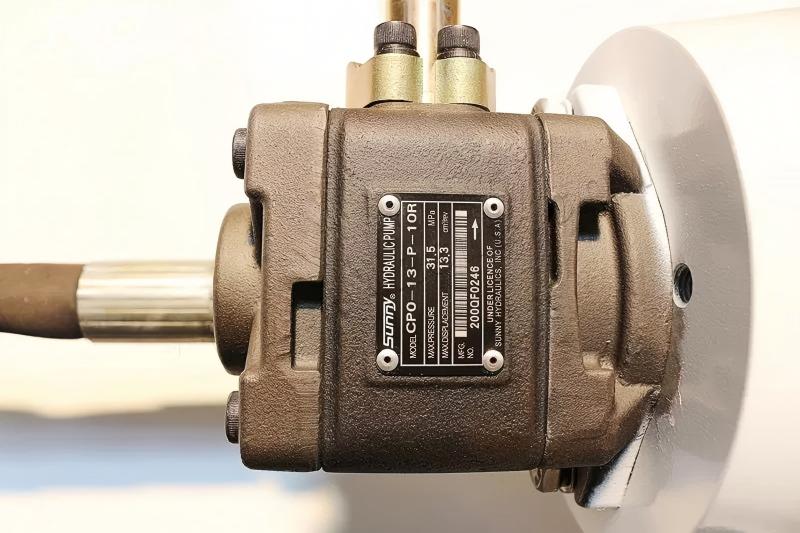
सामान्य लक्षण हैं:
• मोड़ने के दौरान धीमी दबाव प्रतिक्रिया
• अधिकतम टनेज में कमी
• पंप से असामान्य शोर
यदि मुझे पंप के क्षरण का संदेह है, तो मैं प्रणाली के दबाव और प्रवाह दर का परीक्षण करूँगा। यदि पंप नामित प्रदर्शन तक पहुँचने में विफल रहता है, तो इसके प्रतिस्थापन या पुनर्स्थापन की आवश्यकता होगी।
हाइड्रोलिक सिलेंडरों में आंतरिक रिसाव
हाइड्रोलिक सिलेंडर बेंडिंग बल प्रदान करते हैं, लेकिन घिसे हुए आंतरिक सील तेल को सिलेंडर के कक्षों के बीच रिसने देंगे।
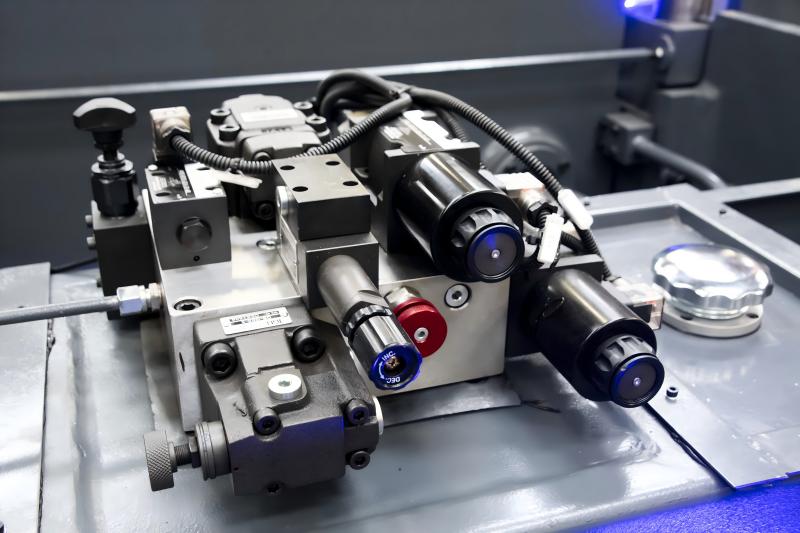
इसके परिणामस्वरूप होगा:
• संचालन के दौरान दबाव का नुकसान
• धीमा दबाव निर्माण
• अस्थिर बेंडिंग बल
आंतरिक रिसाव की जाँच के लिए, मैं आमतौर पर दबाव स्थिरता की निगरानी करता हूँ और सील का निरीक्षण करता हूँ। घिसे हुए सील को बदलने से आमतौर पर सामान्य संचालन को पुनर्स्थापित किया जा सकता है।
धीमी दबाव प्रतिक्रिया का कारण बनने वाले हाइड्रोलिक वाल्व दोष
हाइड्रोलिक नियंत्रण वाल्व तेल के प्रवाह और दबाव को नियंत्रित करते हैं, और उनकी खराबी दबाव निर्माण को धीमा कर देगी।
अनुपातिक वाल्वों या दबाव वाल्वों का दोष
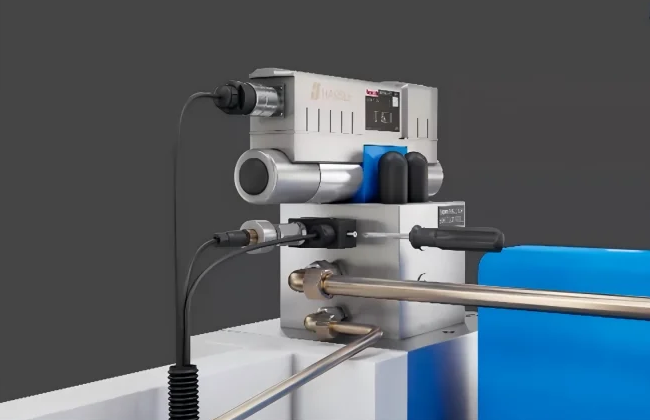
आधुनिक सीएनसी प्रेस ब्रेक्स अत्यधिक सटीक दबाव नियंत्रण के लिए अनुपातिक वाल्वों पर निर्भर करते हैं। वाल्व में दूषण या आंशिक अवरोध से तेल प्रवाह सीमित हो जाता है।
इसके परिणामस्वरूप निम्नलिखित समस्याएँ हो सकती हैं:
• रैम की धीमी गति
• दबाव निर्माण में देरी
• मोड़ने के बल में अस्थिरता
वाल्व की सफाई या पुनः कैलिब्रेशन करने से सामान्यतः समस्या का समाधान किया जा सकता है।
अवरुद्ध हाइड्रोलिक फ़िल्टर
एक अवरुद्ध हाइड्रोलिक फ़िल्टर प्रणाली में तेल के संचरण को सीमित कर देता है, जिससे दबाव निर्माण में धीमापन आ जाता है।
फ़िल्टर के अवरुद्ध होने के लक्षण इस प्रकार हैं:
• उच्च तेल तापमान
• प्रणाली की दक्षता में कमी
• पंप भार में वृद्धि
हाइड्रोलिक फ़िल्टर का नियमित रूप से प्रतिस्थापन प्रेस ब्रेक रखरखाव का एक महत्वपूर्ण हिस्सा है।
दबाव को प्रभावित करने वाले विद्युत और नियंत्रण प्रणाली के मुद्दे
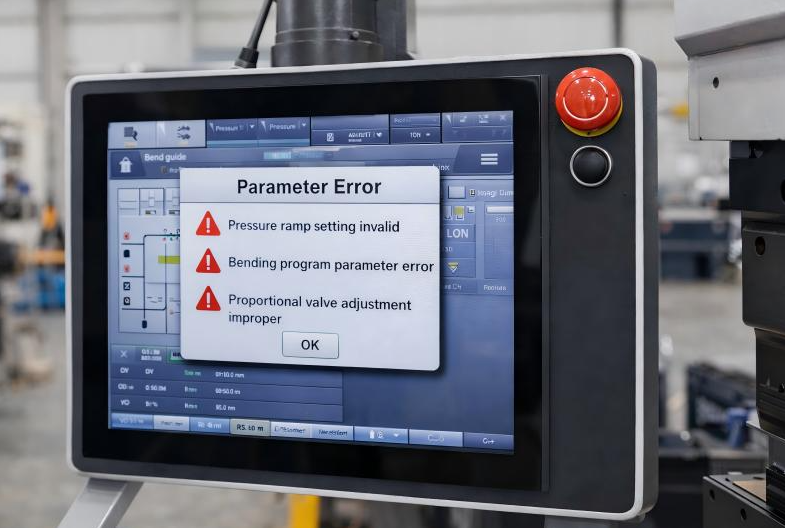
आधुनिक सीएनसी प्रेस ब्रेक में, दबाव नियंत्रण इलेक्ट्रॉनिक प्रणालियों से घनिष्ठ रूप से जुड़ा होता है।
गलत दबाव पैरामीटर सेटिंग्स
कभी-कभी धीमी दबाव वृद्धि एक यांत्रिक दोष नहीं होती, बल्कि एक पैरामीटर कॉन्फ़िगरेशन त्रुटि होती है।
सामान्य मामलों में शामिल हैं:
• सीएनसी नियंत्रक में गलत दबाव रैंप सेटिंग्स
• बेंडिंग कार्यक्रमों में गलत पैरामीटर
• अनुपातिक वाल्वों का अनुचित ट्यूनिंग
इन पैरामीटर्स को नियंत्रण प्रणाली के माध्यम से समायोजित करके समस्या को यांत्रिक मरम्मत के बिना ही ठीक किया जा सकता है।
सेंसर या दाब ट्रांसड्यूसर में विफलता
दाब सेंसर नियंत्रक को संकेत वापस भेजते हैं। अशुद्ध या क्षतिग्रस्त सेंसर प्रणाली की असामान्य प्रतिक्रिया का कारण बनेंगे।
संभावित लक्षण हैं:
• दाब प्रतिक्रिया में देरी
• दाब में उतार-चढ़ाव
• गलत टनेज मापन
दाब ट्रांसड्यूसर को बदलने या पुनः कैलिब्रेट करने से आमतौर पर इस समस्या का समाधान किया जा सकता है।
धीमे दबाव निर्माण के लिए चरण-दर-चरण ट्राउबलशूटिंग
जब प्रेस ब्रेक में धीमे दबाव निर्माण की समस्या होती है, तो मैं एक व्यवस्थित निरीक्षण प्रक्रिया का पालन करता हूँ।
चरण 1: हाइड्रोलिक तेल की स्थिति की जाँच करें
सबसे पहले, मैं तेल के स्तर, श्यानता और दूषण की मात्रा की पुष्टि करता हूँ। यदि तेल गहरे भूरे रंग का, झागदार या नष्ट हो चुका है, तो इसका प्रतिस्थापन सबसे उपयुक्त समाधान है।
चरण 2: हाइड्रोलिक पंप और फ़िल्टर का निरीक्षण करें
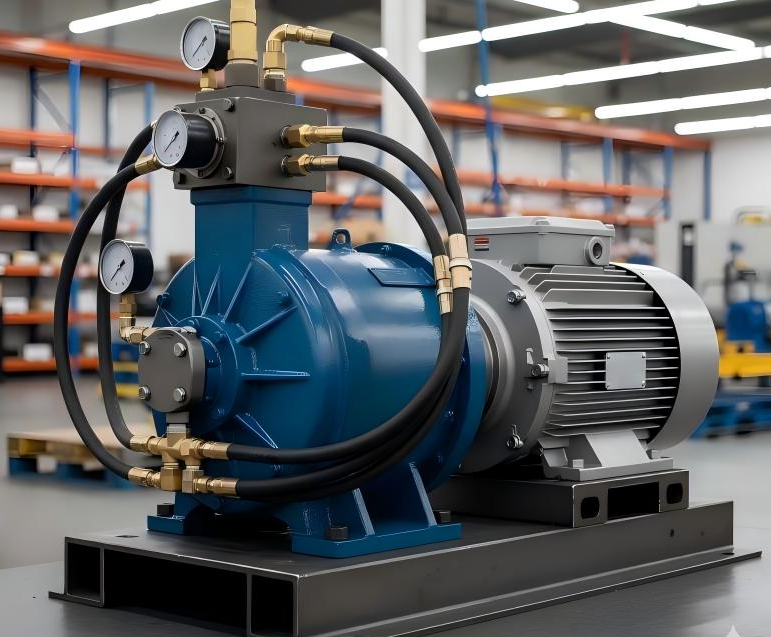
इसके बाद, मैं पंप के शोर, प्रवाह दर और फ़िल्टर की स्थिति की जाँच करता हूँ। अवरुद्ध फ़िल्टर को बदलना और पंप के सामान्य संचालन को सुनिश्चित करना आवश्यक है।
चरण 3: वाल्व और दबाव नियंत्रण भागों की जाँच करें
जब पंप के सही ढंग से काम करने की पुष्टि कर ली जाती है, तो मैं आनुपातिक वाल्वों और दबाव नियंत्रण वाल्वों को दूषण या कैलिब्रेशन त्रुटियों के लिए निरीक्षित करता हूँ।
चरण 4: सीएनसी नियंत्रण पैरामीटर की पुष्टि करें
अंत में, मैं सीएनसी नियंत्रक में दबाव रैंप सेटिंग्स और मशीन पैरामीटर की समीक्षा करता हूँ। गलत सेटिंग्स दबाव निर्माण की गति को सीमित कर सकती हैं।
इन चरणों का पालन करने से मुझे जड़ कारण को त्वरित रूप से खोजने और उत्पादन अवरोध के समय को कम करने में सहायता मिलती है।
अक्सर पूछे जाने वाले प्रश्न
प्रेस ब्रेक में धीमी दबाव वृद्धि का सबसे आम कारण क्या है?
अधिकांश मामलों में, दूषित हाइड्रोलिक तेल या अवरुद्ध फिल्टर ही इसके मुख्य कारण होते हैं, क्योंकि ये तेल प्रवाह को प्रतिबंधित करते हैं और प्रणाली की दक्षता को कम कर देते हैं।
क्या एक घिसा हुआ हाइड्रोलिक पंप प्रेस ब्रेक में धीमी दबाव वृद्धि का कारण बन सकता है?
हाँ। एक घिसा हुआ हाइड्रोलिक पंप आवश्यक प्रवाह दर की आपूर्ति नहीं कर सकता, जिसके परिणामस्वरूप मोड़ने के दौरान दबाव में धीमी वृद्धि होती है।
प्रेस ब्रेक में धीमी दबाव वृद्धि को पहले से रोकने के लिए क्या करना चाहिए?
नियमित रोकथाम रखरखाव, जिसमें तेल का प्रतिस्थापन, फिल्टर का परिवर्तन और वाल्व निरीक्षण शामिल हैं, हाइड्रोलिक प्रदर्शन को स्थिर बनाए रखने में सहायता करता है।
क्या सीएनसी पैरामीटर सेटिंग्स प्रेस ब्रेक दबाव निर्माण की गति को प्रभावित करती हैं?
निश्चित रूप से। नियंत्रक में गलत दबाव रैंप या टनेज सेटिंग्स हाइड्रोलिक प्रणाली के अच्छी स्थिति में होने के बावजूद भी दबाव प्रतिक्रिया में देरी का कारण बन सकती हैं।
निष्कर्ष
जब एक प्रेस ब्रेक में दबाव के निर्माण की गति धीमी होती है, तो इसका मुख्य कारण आमतौर पर हाइड्रोलिक प्रणाली, नियंत्रण वाल्व, पंप की दक्षता या सीएनसी पैरामीटर सेटिंग्स से संबंधित होता है। मेरे प्रेस ब्रेक संचालन के अनुभव के आधार पर, व्यवस्थित ट्रबलशूटिंग समस्याओं की त्वरित पहचान करने का सबसे प्रभावी तरीका है। अधिकांश दबाव निर्माण संबंधित समस्याओं को तेल की गुणवत्ता की जाँच करने, पंपों और फ़िल्टरों का निरीक्षण करने, वाल्वों की पुष्टि करने और नियंत्रण पैरामीटरों की समीक्षा करने के माध्यम से कुशलतापूर्ण ढंग से हल किया जा सकता है।
हाइड्रोलिक प्रणाली को स्वच्छ रखना और नियमित रूप से रोकथाम के उद्देश्य से रखरखाव करना धीमी दबाव प्रतिक्रिया के जोखिम को काफी कम कर देगा। यदि आपको प्रेस ब्रेक की हाइड्रोलिक खराबियों के निदान या मशीन के प्रदर्शन में सुधार के लिए अतिरिक्त सहायता की आवश्यकता है, तो हमारी तकनीकी टीम सदैव आपकी सहायता के लिए उपलब्ध है।

