





Why Choose Punching Machines for Structural Steel Components in Fabrication?
When working with heavy-duty materials, speed and precision are non-negotiable. Punching machines built for structural steel components are engineered to deliver exactly that, making them a dependable option for fabrication shops that must produce accurate holes, slots, and cutouts in beams, channels, and plates. If you are curious about why these machines are favored in structural steel work, you have found the right article. In this guide, I will cover their benefits, walk through setup steps, offer maintenance advice, and answer frequent questions so you can fully appreciate their place in your production line.
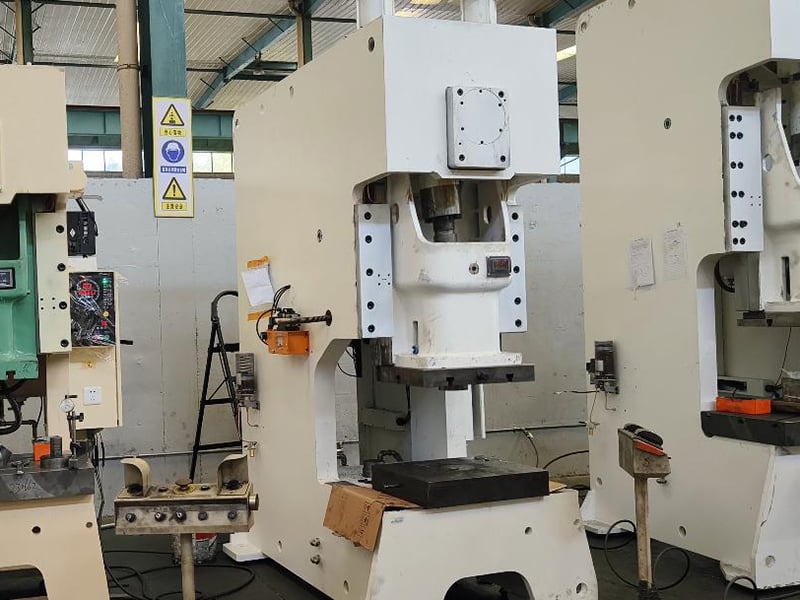
Benefits of Using Punching Machines for Structural Steel Components
High Efficiency in Large-Scale Production
Punching machines are built to carry out repetitive tasks at high speed. In structural steel fabrication, where beams and plates can demand thousands of holes, these machines dramatically reduce manual effort and shorten production time. Automated feeding systems add even more efficiency, allowing work to continue smoothly and without interruption.
Consistent Precision and Accuracy
One of the strongest reasons to pick punching machines is their steady accuracy. Thanks to CNC control systems, every hole is punched in its precise location, meeting the tolerances that structural projects demand. This reliability lowers the amount of rework and reduces wasted material.
Versatility in Applications
Modern punching machines are made to handle a wide range of structural steel components, including I-beams, channels, and angle irons. Depending on the tooling, they can also produce different hole types, such as round, slotted, or custom shapes. This flexibility makes them an excellent fit for construction, infrastructure, and industrial projects.
How to Set Up Punching Machines for Structural Steel Components
Step 1: Preparing the Work Area
Before I begin, I always confirm that the workspace is clean and orderly. Removing scrap metal and debris helps prevent damage to the tooling and improves safety. It is also important to verify that the floor is stable enough to support both the machine and the steel pieces.
Step 2: Installing and Adjusting the Tooling
Choosing the right tooling is essential for punching accuracy. I fit the punch and die sets based on the thickness of the steel and the required hole size. Adjustments should be made with care to keep the punch and die properly aligned, producing a clean cut with minimal burrs.
Step 3: Calibrating the CNC Control System
Calibration guarantees that the punching sequence lines up with the layout of the structural steel component. I enter the measurements into the CNC system, run a test piece, and confirm the accuracy before beginning full-scale production.
Common Maintenance Tips for Punching Machines
Routine Inspections
Checking the hydraulic systems, tooling, and clamping devices on a regular basis is essential. I always watch for signs of wear, oil leaks, and loose bolts.
Lubrication and Cleaning
Keeping the machine well-lubricated extends the life of its moving parts. I also make it a habit to clean the punching area every day so that steel shavings do not build up and compromise accuracy.
Preventive Maintenance for Optimal Performance
Scheduled maintenance, such as verifying hydraulic pressure and replacing worn punches and dies, helps avoid costly downtime. By dealing with small problems early, I keep the machine running smoothly.
FAQs
What types of structural steel components can be processed with a punching machine?
Punching machines can process beams, channels, plates, and angle irons. With the right tooling, they handle a wide range of hole shapes and patterns.
How do I improve punching accuracy for structural steel components?
Begin by calibrating the CNC system, selecting the proper punch and die set, and making sure the workpiece is clamped securely. Accuracy improves when all three factors are aligned.
How often should I replace punch and die sets?
The frequency depends on the thickness and hardness of the steel being processed, but in general I recommend inspecting the tooling after every large batch and replacing it when the edges start to show signs of dullness.
Can punching machines reduce overall fabrication costs?
Yes, by boosting efficiency, cutting down on rework, and minimizing material waste, punching machines can lower operational costs in structural steel fabrication.
Conclusion
Punching machines for structural steel components are indispensable tools in modern fabrication. They bring together speed, accuracy, and versatility to tackle demanding projects while reducing costs and raising productivity. By setting up the machine correctly and maintaining it on a regular schedule, you can enjoy long-lasting performance and superior results.
If you are thinking about upgrading your workshop with a punching machine or need professional advice on choosing the right model, do not hesitate to contact the JUGAO team. We are here to provide technical guidance, product details, and support tailored to your production needs.

