





What factors must be considered when purchasing a stainless steel press brake?
1. Workpiece: The parts you intend to produce are a crucial consideration; the goal is to purchase a machine capable of handling the tasks while minimizing bed length and tonnage. Carefully consider the material grade, thickness, and length. If most of your work involves 10-foot lengths of 16-gauge mild steel, an air-bending force of 50 tons is sufficient. However, if you engage in significant bottoming (coining) operations, you might need to consider a 160-ton machine.
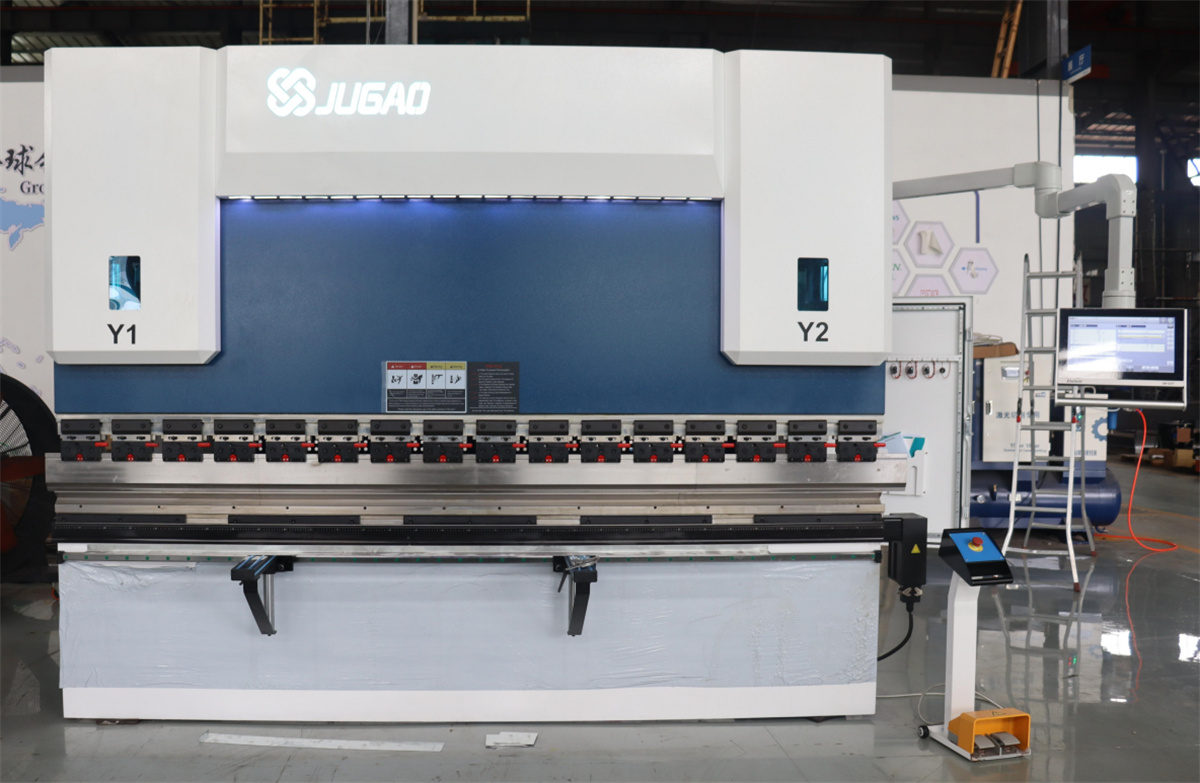
For instance, if the material is 1/4 inch thick, air bending a 10-foot length requires 200 tons, whereas bottoming (coining) requires at least 600 tons. If most workpieces are 5 feet or shorter, the required tonnage is roughly halved, significantly reducing the purchase cost. Part length is a critical factor in determining the specifications for a new machine.
2. Deflection: Under the same load, the deflection of the bed and ram on a 10-foot machine is four times that of a 5-foot machine. This means shorter machines require fewer shim adjustments to produce acceptable parts. Reducing shim adjustments also cuts down on setup time.
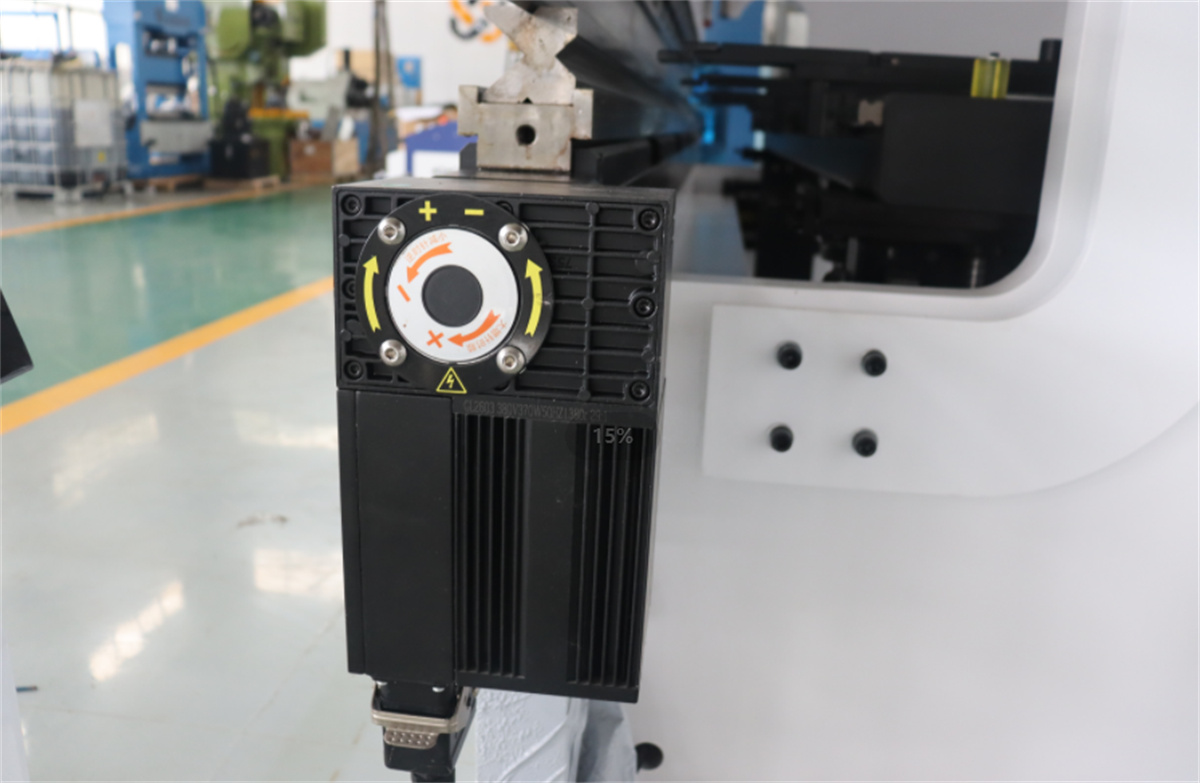
Material grade is another key factor. Compared to mild steel, stainless steel typically requires about 50% more force, while most grades of soft aluminum require about 50% less. You can obtain tonnage charts from press brake manufacturers; these charts provide estimates of the force required per foot of length for various material thicknesses and grades.
3. Part Bend Radius: In air bending, the bend radius is 0.156 times the die opening width. During air bending, the die opening width should be eight times the material thickness. For example, when forming 16-gauge mild steel with a 1/2-inch die opening, the resulting bend radius is approximately 0.078 inches. If the required bend radius is close to the material thickness, bottoming (coining) is necessary. However, the pressure required for bottom bending is approximately four times that of air bending.
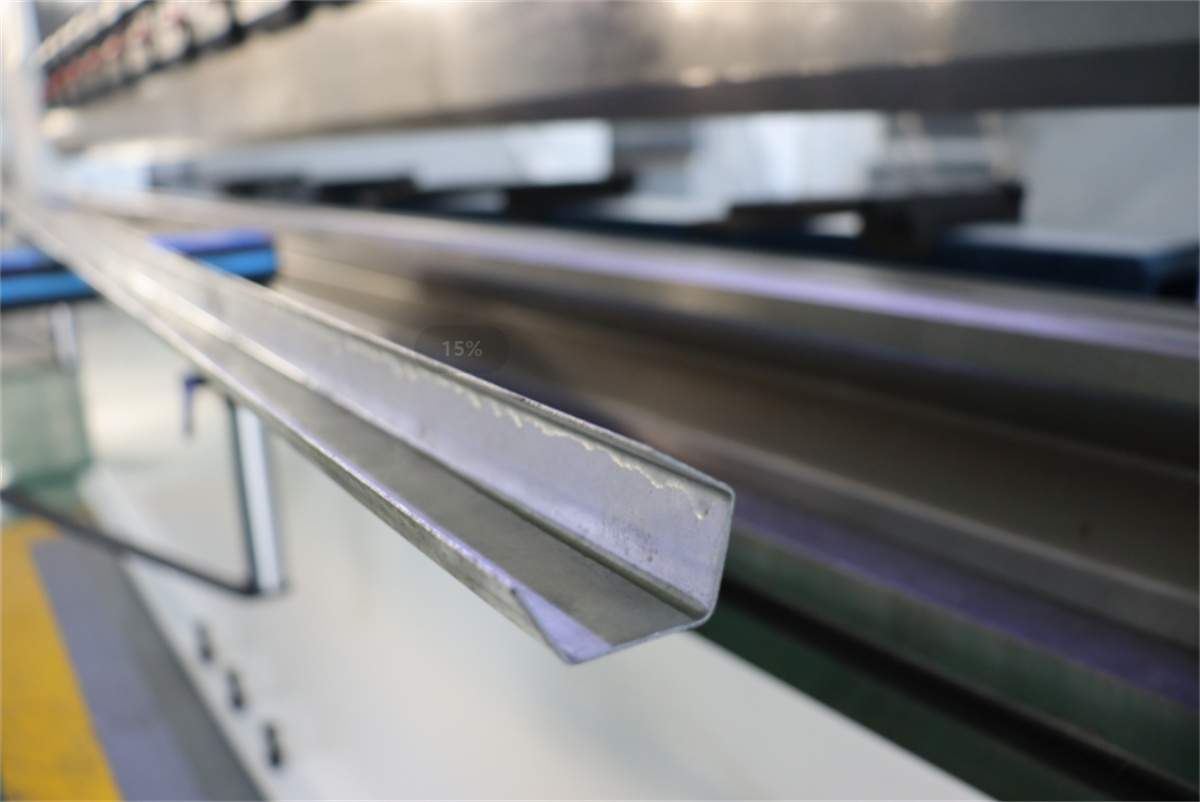
If the bend radius is smaller than the material thickness, a punch with a tip radius smaller than the material thickness must be used, and the coining method employed. This requires ten times the pressure used in air bending. For air bending, the punch and die are machined to an angle of 85° or less (a smaller angle is preferable). When using this tooling, attention must be paid to the clearance between the punch and die at the bottom of the stroke, as well as to "over-bending" sufficient to compensate for springback and achieve a final angle of approximately 90°. Typically, air bending dies produce a springback angle of ≤2° on new press brakes, with a bend radius equal to 0.156 times the die opening width. For bottom bending, the die angle is generally 86° to 90°. At the bottom of the stroke, there should be a clearance between the punch and die that is slightly greater than the material thickness. The forming angle is altered because the tonnage for bottom bending is higher (about four times that of air bending), which reduces the stress within the bend radius area that typically causes springback.
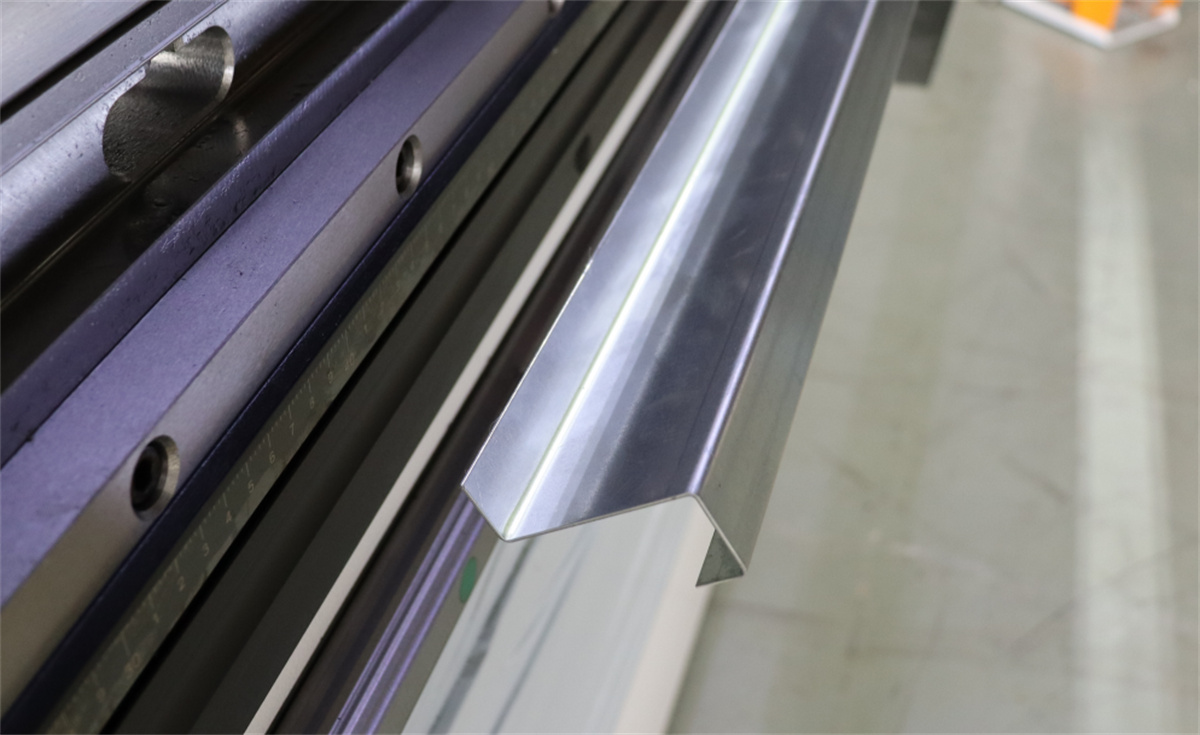
Coining is similar to bottom bending, except that the punch tip is machined to the desired bend radius, and the clearance between the punch and die at the bottom of the stroke is less than the material thickness. By applying sufficient pressure (approximately ten times that of air bending) to force the punch tip into contact with the material, springback is virtually eliminated. To select a lower tonnage rating, it is advisable to plan for a bend radius larger than the material thickness and use the air bending method whenever possible. A larger bend radius often does not compromise the quality of the finished part or its subsequent utility.
4. Precision: Bending precision requirements are a factor requiring careful consideration; indeed, this factor determines whether you should consider a CNC press brake or a manually controlled one. If the bending precision requirement is ±1° and non-negotiable, you should focus on CNC machines.
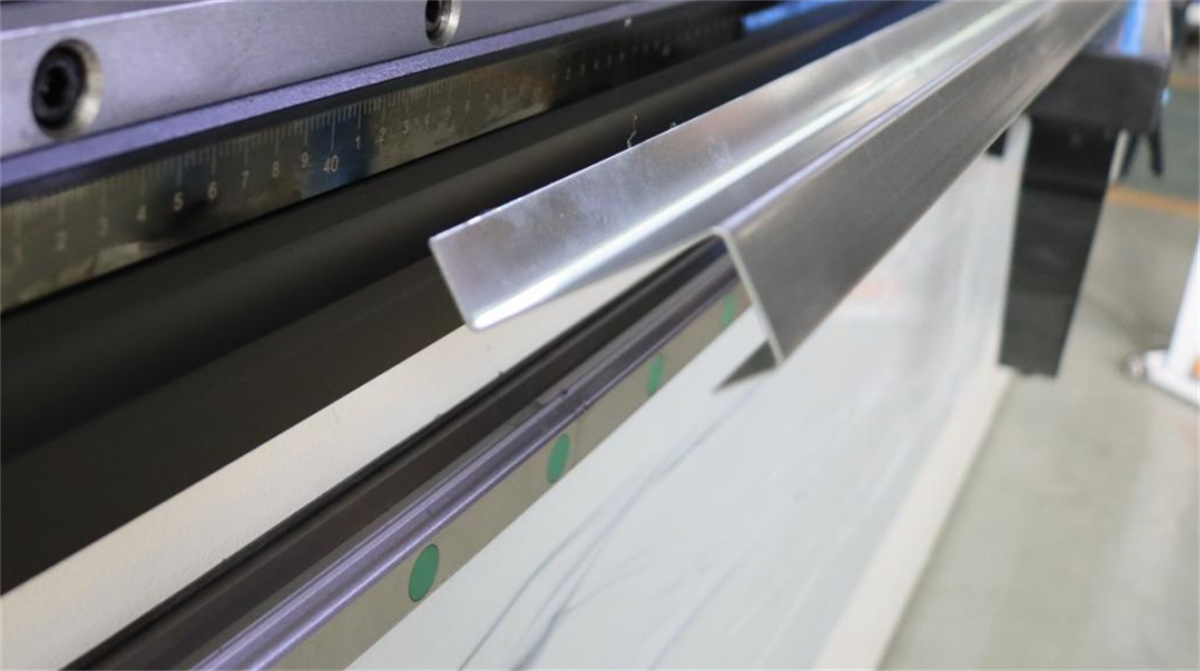
The ram repeatability of a CNC press brake is ±0.0004 inches; achieving precise forming angles requires this level of accuracy combined with high-quality tooling. In contrast, manual press brakes have a ram repeatability of ±0.002 inches and typically produce angular deviations of ±2–3°, even with appropriate tooling. Furthermore, CNC press brakes facilitate rapid tool setup—a crucial factor to consider when bending multiple small batches of parts.
5. Tooling: Even if you have a rack full of tools, do not assume they are suitable for your new machine. Inspect each tool for wear by measuring the distance from the punch tip to the shoulder and the dimensions across the die shoulders.
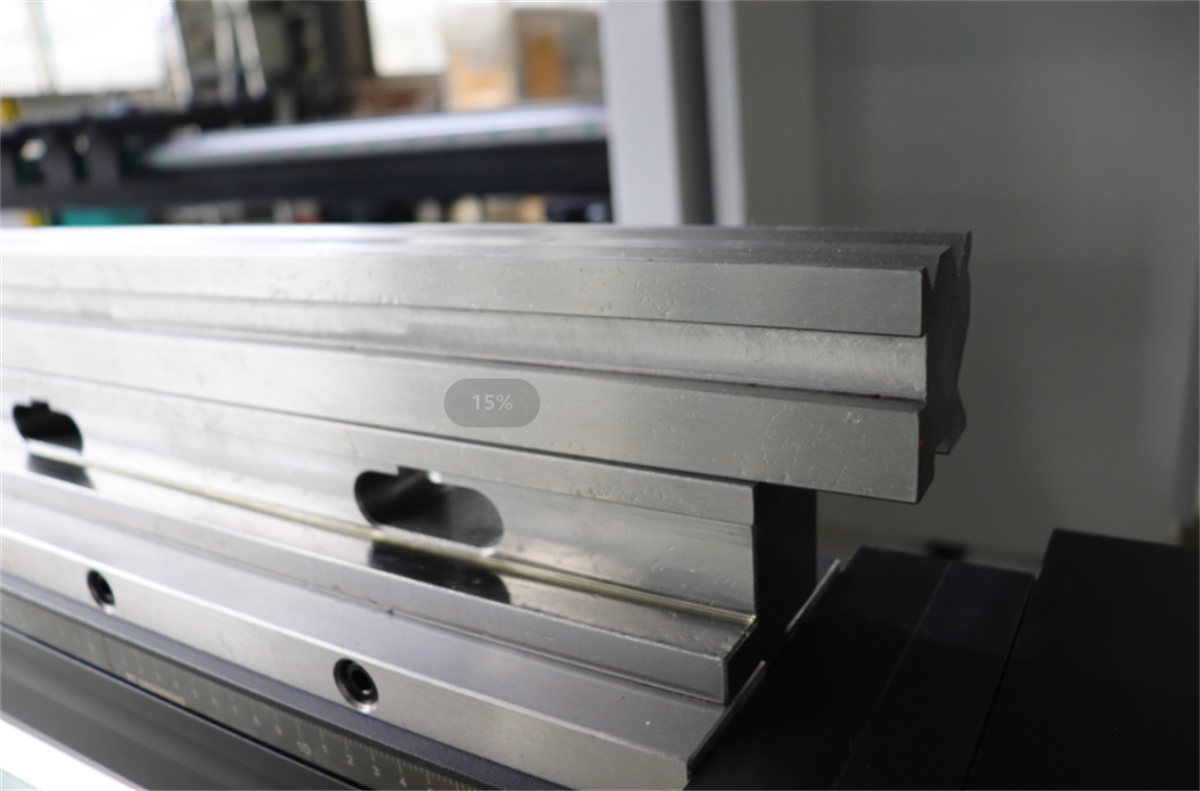
For standard tooling, the deviation per foot should be approximately ±0.001 inches, with a total length deviation not exceeding ±0.005 inches. For precision-ground tooling, the accuracy should be ±0.0004 inches per foot, with a total accuracy tolerance of no more than ±0.002 inches. Use precision-ground tooling for CNC press brakes and standard tooling for manual press brakes.
6. Bend Flange Length: Consider bending a 5×10-foot sheet of 10-gauge mild steel to 90 degrees; the press brake must exert approximately 7.5 tons of additional force to lift the sheet, while the operator must be prepared to handle the 280-pound weight of the flange as it drops.

