





What factors influence the replacement cycle of wear parts for a pipe-bending machine?
For the exact same pipe-bending machine, some facilities may get a full year of use out of their dies and mandrels, while others need to replace them after just three months. This difference isn't a matter of luck; it comes down to a few specific variables. Once you understand these factors, you can move beyond arbitrary guesswork and instead schedule replacements based on the actual conditions within your own workshop.
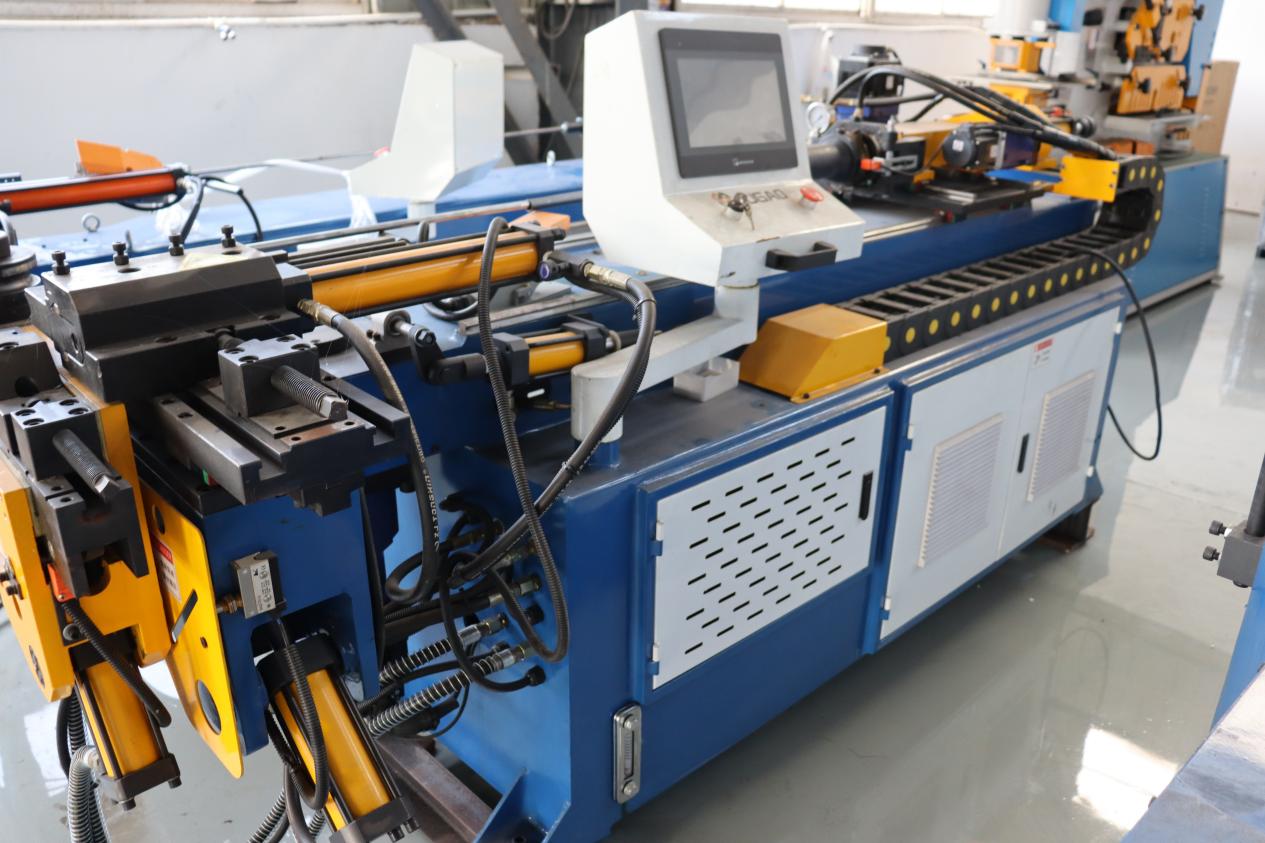
I. Production Intensity: The More Intensive the Operation, the Faster the Wear
For machines running two or three shifts a day in continuous production, components such as mandrels, bending dies, clamping blocks, and anti-wrinkle dies are subjected to constant friction and alternating loads. Naturally, they wear out much faster than those on machines used only occasionally.
Continuous operation leads to heat accumulation and repeated stress on the materials, which accelerates fatigue. Therefore, replacement intervals should be based on actual operating hours rather than calendar time. The lifespan of wear parts will differ drastically between a machine that has barely been used for a month and one that has run on a three-shift schedule.
II. Material Type and Wall Thickness: Harder Materials Take a Heavier Toll on Tooling
Bending stainless steel, high-strength steel, or thick-walled tubing is far more demanding on tooling than bending low-carbon steel or aluminum. High-strength materials with greater resistance to deformation generate higher friction and contact stress on the surfaces of mandrels and dies, leading to more rapid wear.
This is especially critical if your workshop frequently switches between different materials. For instance, using parameters optimized for aluminum to bend stainless steel will significantly shorten the lifespan of your tooling. Whenever the material changes, parameters must be readjusted, and the condition of wear parts should be carefully inspected.
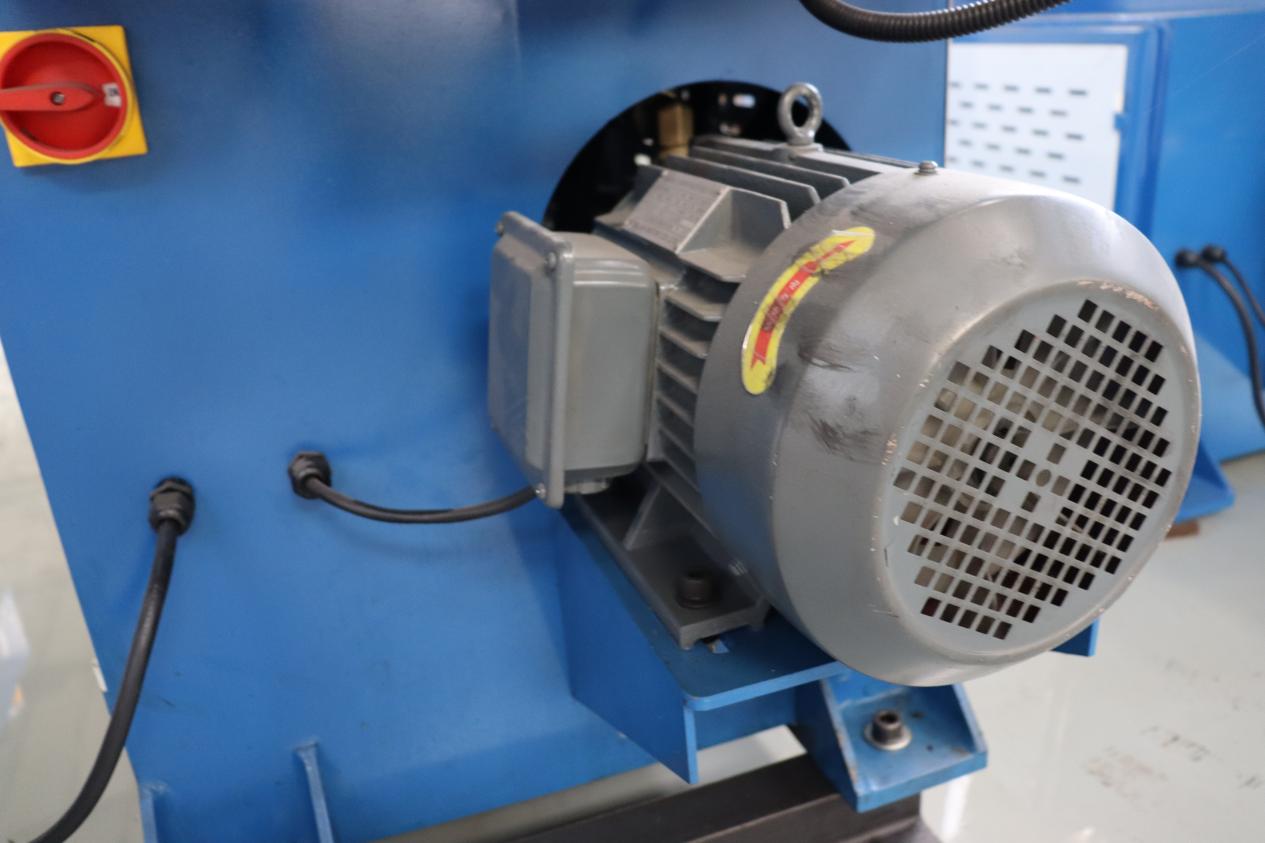
III. Tooling Quality and Surface Treatment: Low-Cost Options May Not Be Economical
There are significant differences in material grades and surface treatments for mandrels, bending dies, and pressure dies. Components made from hardened steel or alloys—enhanced by surface treatments like nitriding or chrome plating—offer far superior wear resistance.
While high-quality tooling requires a larger initial investment, its longer service life and consistent bending quality often make it more cost-effective in the long run. Conversely, low-quality, cheaper tooling may need to be replaced frequently and often yields inconsistent results, ultimately leading to higher hidden costs.
IV. Tooling Alignment and Centering: Even Slight Misalignment Causes Excessive Wear
If a mandrel or die is not perfectly aligned with the bending axis, the contact becomes uneven, which significantly accelerates localized wear. Over time, this can lead to surface damage or, in severe cases, even catastrophic failure (breakage).
Taking a few minutes to verify the alignment and fit of your tooling after a changeover or maintenance procedure can prevent a great deal of unnecessary damage to your equipment. Alignment may seem like a minor detail, but it has a significant impact on the service life of wear-prone components.
V. Bending Parameter Settings: The Importance of Speed and Pressure
While high bending speeds can boost short-term output, they also increase friction and impact on the tool surfaces, leading to accelerated wear. Reducing the speed appropriately often strikes a better balance between operational efficiency and tool longevity.
Excessive clamping force, improper booster pressure settings, or incorrect mandrel positioning can all exacerbate wear. Excessive pressure increases friction, while insufficient support can trigger vibrations and micro-movements that gradually degrade the tool surfaces. Fine-tuning these parameters to match actual operating conditions is one of the most direct ways to extend the service life of wear-prone components.
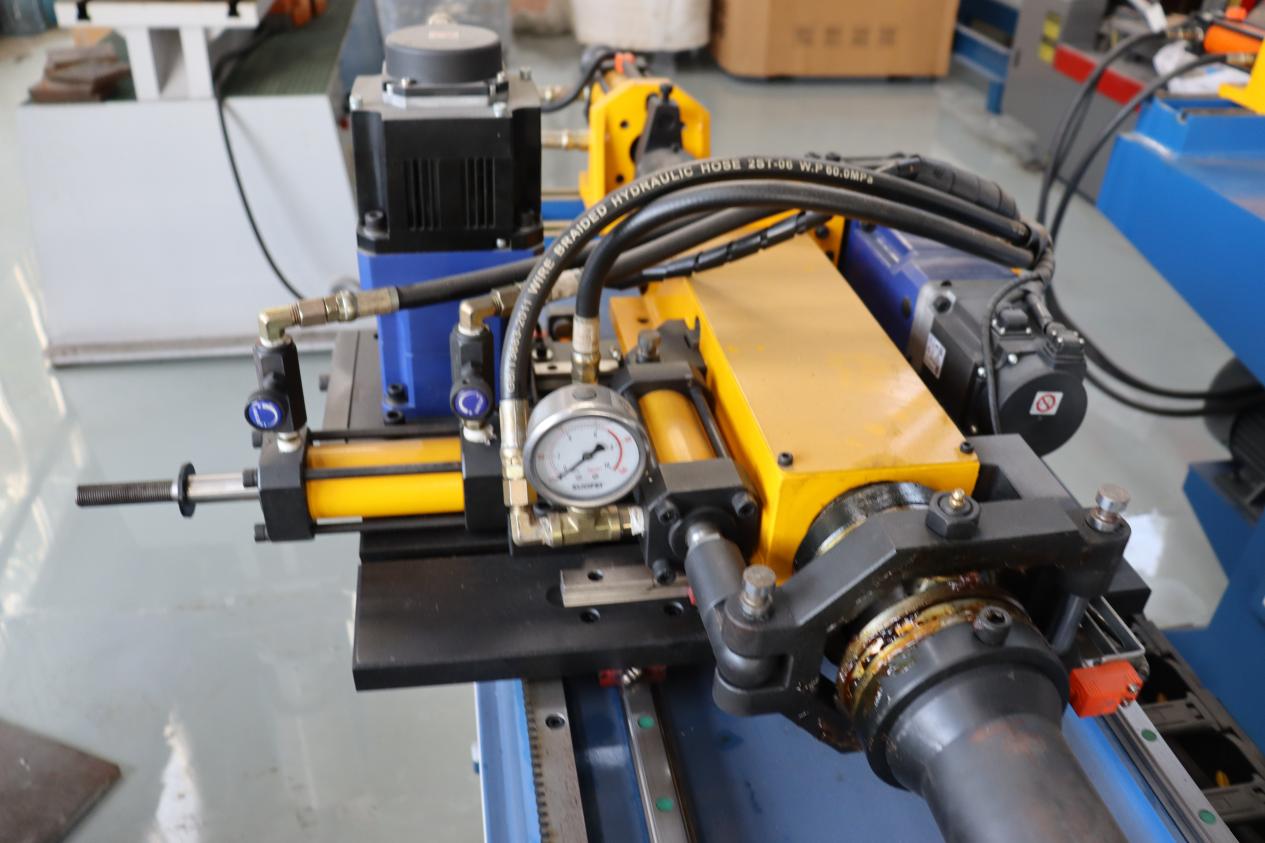
VI. Lubrication and Maintenance: The Most Underestimated Aspect
Inadequate lubrication leads to increased friction and heat, causing rapid wear on mandrels and molds. Using the correct lubricant, ensuring consistent application, and keeping contact surfaces clean will significantly stabilize wear patterns. Many instances of premature component replacement can ultimately be traced back to poor lubrication.
Routine inspection is equally critical. Minor cracks, surface scratches, and unusual vibrations are all early warning signs. Implementing preventive maintenance based on operating hours—rather than waiting for a breakdown—makes replacement cycles predictable and helps minimize unexpected production stoppages.
VII. Operator Proficiency and Process Consistency: The Human Variable
Experienced operators know how to set parameters, listen for abnormal sounds, and monitor changes in resistance, allowing them to make timely adjustments when issues arise. Inconsistencies in settings across different shifts lead to uneven wear and a shortened service life for vulnerable components.
Standardized operating procedures and comprehensive training ensure consistent performance regardless of who is operating the equipment, resulting in more uniform stress distribution across the molds. With a stable process and controlled parameter adjustments, the service life of wear-prone parts becomes far more predictable.
How do you know when it’s time for a replacement?
When the bending angle becomes inconsistent, scratches appear on the surface of the tubing, operational vibrations increase, or the force required for bending rises noticeably—these are signs that it is time to inspect your wear parts. Relying on regular inspections and performance monitoring is far more reliable than simply going by "gut feeling."
The replacement interval for wear parts is not a fixed value; it is determined by a combination of factors, including production intensity, material type, mold quality, alignment status, parameter settings, lubrication and maintenance, and operator handling. By recording the operating hours and working conditions for each replacement—and accumulating data over several cycles—you can establish a replacement schedule tailored to your own workshop. This ensures you neither replace parts prematurely (wasting resources) nor wait until a breakdown occurs (causing unplanned downtime).

