





प्रेस ब्रेक में असमान मोड़ की गहराई के कारण
विषय-सूची
• प्रेस ब्रेक में असमान बेंडिंग गहराई के सामान्य कारण
○ धातु शीट्स की मोटाई में असंगतता
○ टूलिंग का गलत संरेखण
• मशीन-संबंधित कारक जो बेंडिंग गहराई की परिशुद्धता को प्रभावित करते हैं
○ अस्थिर हाइड्रोलिक दबाव
○ रैम समानांतरता विचलन
• बैकगेज और सीएनसी प्रोग्रामिंग से संबंधित समस्याएँ
○ बैकगेज की स्थिति में त्रुटियाँ
○ गलत सीएनसी पैरामीटर कॉन्फ़िगरेशन
• असमान बेंडिंग गहराई के लिए चरण-दर-चरण ट्रबलशूटिंग
○ चरण 1: सामग्री की एकरूपता की जाँच करें
○ चरण 2: टूलिंग स्थापना की जाँच करें
○ चरण 3: बैकगेज की सटीकता की पुष्टि करें
○ चरण 4: हाइड्रोलिक और यांत्रिक घटकों का निरीक्षण करें
• अक्सर पूछे जाने वाले प्रश्न
○ प्रेस ब्रेक में शीट का एक पक्ष गहरा क्यों मुड़ता है?
○ क्या सामग्री की मोटाई प्रेस ब्रेक में असमान बेंडिंग गहराई का कारण बन सकती है?
○ असमान बेंडिंग गहराई को दूर करने के लिए प्रेस ब्रेक का कैलिब्रेशन कैसे करें?
○ क्या नियमित रोकथाम रखरखाव असमान मोड़ गहराई को रोक सकता है?
• निष्कर्ष
असमान मोड़ गहराई पतली धातु के प्रसंस्करण कार्यशालाओं में एक आम समस्या है, जो किसी एक ही कार्य-टुकड़े के विभिन्न क्षेत्रों में असंगत मोड़ गहराई के रूप में प्रकट होती है। अधिकांश स्थितियों में, यह दोष किसी एकल कारक के कारण नहीं होता है, बल्कि कई समस्याओं के संयुक्त प्रभाव के कारण होता है। व्यावहारिक संचालन अनुभव के आधार पर, प्रेस ब्रेक में असमान मोड़ गहराई का मुख्य कारण उपकरण संरेखण में अनियमितता, पत्ती की मोटाई में असंगतता, बैकगेज स्थिति में अशुद्धि, या हाइड्रोलिक दबाव में अस्थिरता होती है। इस लेख में इस समस्या के विशिष्ट कारणों पर विस्तार से चर्चा की गई है और स्थिर मोड़ शुद्धता को बहाल करने तथा उत्पादन दक्षता को सुसंगत बनाए रखने के लिए व्यावहारिक ट्रबलशूटिंग विधियाँ साझा की गई हैं।
प्रेस ब्रेक में असमान मोड़ गहराई के सामान्य कारण
प्रेस ब्रेक को समायोजित करने से पहले, पहला कदम मूल कारण की पुष्टि करना है। असमान बेंडिंग गहराई आमतौर पर यांत्रिक दोषों, हाइड्रोलिक प्रणाली की असामान्यताओं या उपकरण की गलत स्थापना से उत्पन्न होती है।
धातु शीट्स की असंगत मोटाई
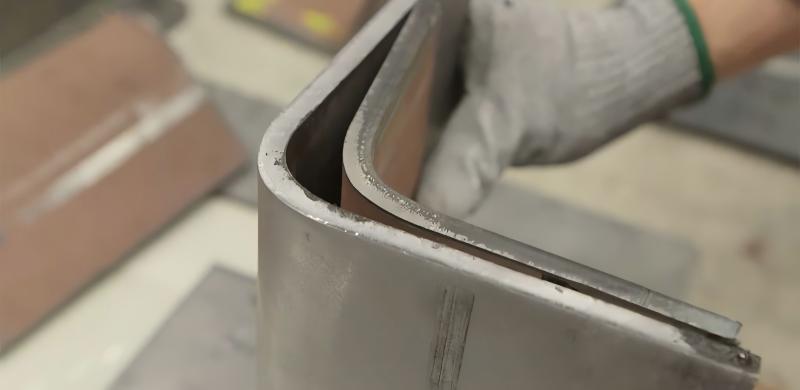
सबसे आम, लेकिन अक्सर अनदेखी की जाने वाली कारणों में से एक अपरिष्कृत धातु शीट्स की असंगत मोटाई है। शीट की लंबाई के भीतर भी एक सूक्ष्म मोटाई का अंतर संचालन के दौरान बेंडिंग गहराई में परिवर्तन का कारण बनेगा।
इस समस्या का सामना करते समय, मैं आमतौर पर शीट की मोटाई को कई स्थानों पर मापने के लिए एक माइक्रोमीटर का उपयोग करता हूँ। स्पष्ट मोटाई भिन्नता अवश्य ही प्रेस ब्रेक के असमान बेंडिंग कोणों और गहराई का कारण बनेगी।
इस समस्या को कम करने के उपाय:
• एक ही उत्पादन बैच से धातु शीट्स को अपनाएँ
• औपचारिक उत्पादन से पहले शीट की मोटाई की जाँच करें
• जब मोटाई में भिन्नता मौजूद हो, तो बेंडिंग पैरामीटर्स को समायोजित करें
स्थिर कच्चे माल की गुणवत्ता एकसमान बेंडिंग प्रभाव प्राप्त करने की मूल गारंटी है।
टूलिंग का गलत संरेखण
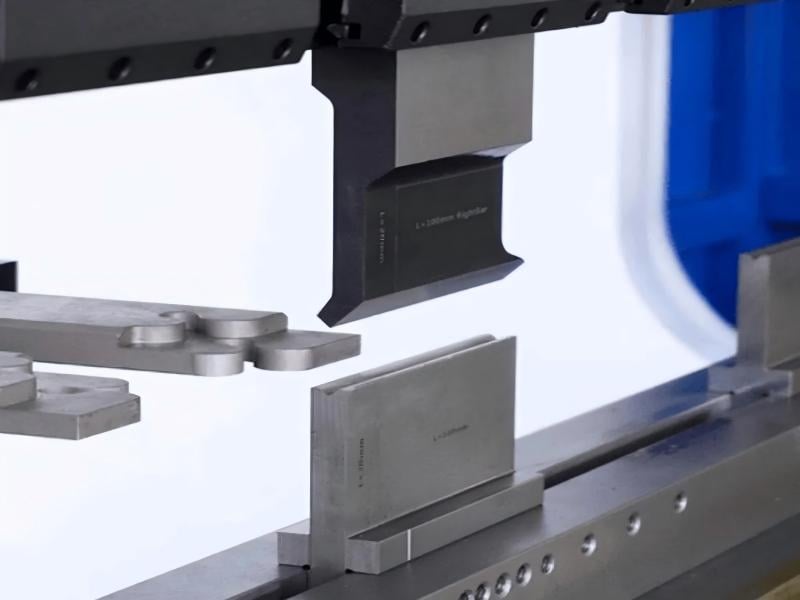
पंच और डाई के बीच खराब संरेखण प्रेस ब्रेक में असमान बेंडिंग गहराई का एक अन्य प्रमुख कारण है।
यदि पंच और डाई को केंद्रित नहीं किया गया है या पूरी तरह से समानांतर नहीं रखा गया है, तो शीट के दोनों ओर तनाव असंतुलित हो जाएगा, जिसके परिणामस्वरूप एक ओर गहरी बेंडिंग और दूसरी ओर उथली बेंडिंग होगी।
उपकरण स्थापना के दौरान मुख्य निरीक्षण बिंदु:
• क्या पंच और डाई को सही स्थान पर स्थापित किया गया है
• क्या क्लैंपिंग उपकरण उपकरण को दृढ़ता से स्थिर करता है
• क्या उपकरण की लंबाई बेंडिंग सीमा के अनुरूप है
संरेखण में थोड़ा सा विचलन भी बेंडिंग की परिशुद्धता को काफी कम कर देगा।
बेंडिंग गहराई की परिशुद्धता को प्रभावित करने वाले मशीन-संबंधित कारक
कुछ मामलों में, असमान बेंडिंग गहराई का कारण उपकरण स्वयं होता है, न कि कच्चा माल या उपकरण।
अस्थिर हाइड्रोलिक दबाव
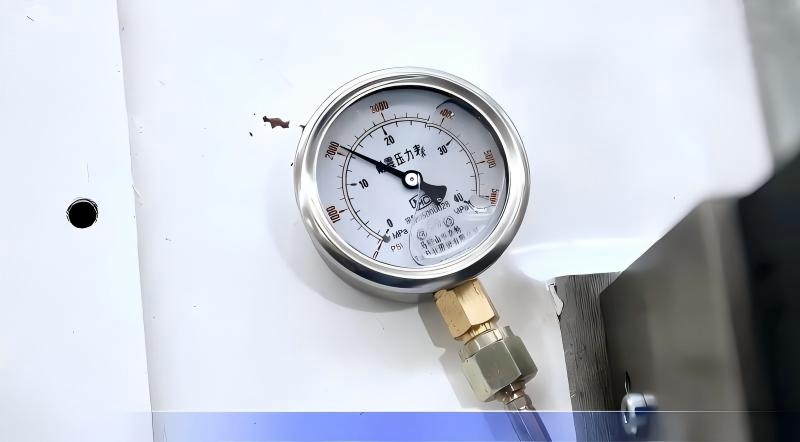
हाइड्रोलिक प्रेस ब्रेक्स को रैम के संचालन को नियंत्रित करने के लिए स्थिर दबाव पर निर्भर करना होता है। हाइड्रोलिक प्रणाली में उतार-चढ़ाव के कारण रैम निर्धारित बेंडिंग गहराई तक सटीक रूप से नहीं पहुँच पाएगा।
सामान्य असामान्य लक्षण:
• बेंडिंग कोणों में हल्के अंतर
• धीमी या असमान रैम गति
• प्रदर्शित दबाव मानों में अस्थिरता
समस्या निवारण के समय, मैं हाइड्रोलिक तेल की गुणवत्ता, फ़िल्टर और दबाव वाल्व की जाँच पर ध्यान केंद्रित करता हूँ। नियमित उपकरण रखरखाव ऐसी समस्याओं के बेंडिंग सटीकता पर प्रभाव को रोक सकता है।
रैम समानांतरता विचलन
जब रैम कार्य मेज़ के संपूर्ण रूप से समानांतर नहीं होता है, तो बेंडिंग के दौरान उपकरण का एक पक्ष अधिक गहरी स्थिति में गिर जाता है।
इस समस्या के प्रमुख कारण:
• यांत्रिक घटकों का क्षरण
• उपकरण कैलिब्रेशन में अनुचितता
• लंबे समय तक उपयोग के कारण फ्रेम में विकृति
इस समस्या के समाधान के लिए, मैं उपकरण की समानांतरता का पता लगाने के लिए परिशुद्ध मापन उपकरणों का उपयोग करता हूँ, और इसके अनुसार सिंक्रोनस प्रणाली को समायोजित करता हूँ।
बैकगॉज और सीएनसी प्रोग्रामिंग से संबंधित समस्याएँ
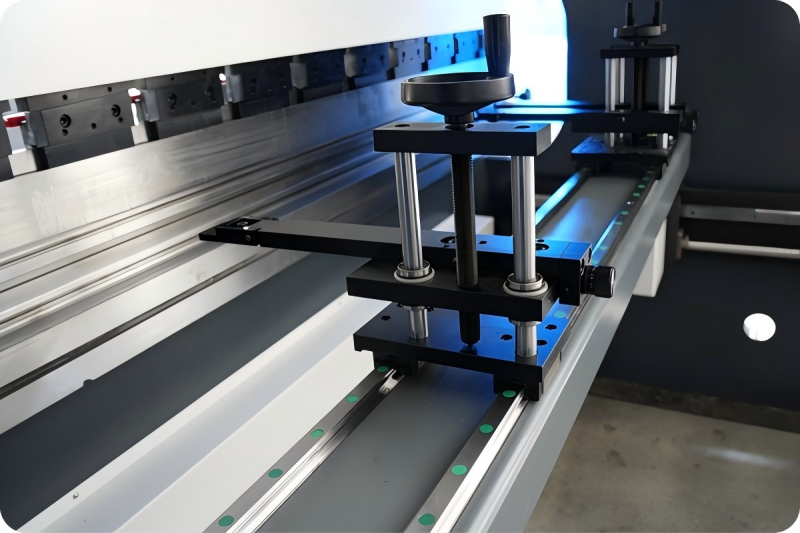
बैकगॉज प्रणाली भी प्रेस ब्रेक में असमान बेंडिंग गहराई का एक प्रमुख कारक है।
बैकगॉज की स्थिति त्रुटियाँ
बैकगॉज का उपयोग बेंडिंग से पहले शीट की सटीक स्थिति निर्धारित करने के लिए किया जाता है। अशुद्ध स्थिति निर्धारण के कारण बेंडिंग रेखा में हल्का विस्थापन हो सकता है।
इस समस्या के सामान्य परिणाम:
• कार्य-टुकड़े के अनुदिश असमान बेंडिंग
• कई प्रसंस्कृत भागों की असंगत बेंडिंग गहराई
इसे ठीक करने के लिए, मैं बैकगेज प्रणाली का पुनः कैलिब्रेशन करता हूँ और इसकी स्थिति निर्धारण की शुद्धता की पुष्टि करता हूँ।
गलत सीएनसी पैरामीटर कॉन्फ़िगरेशन
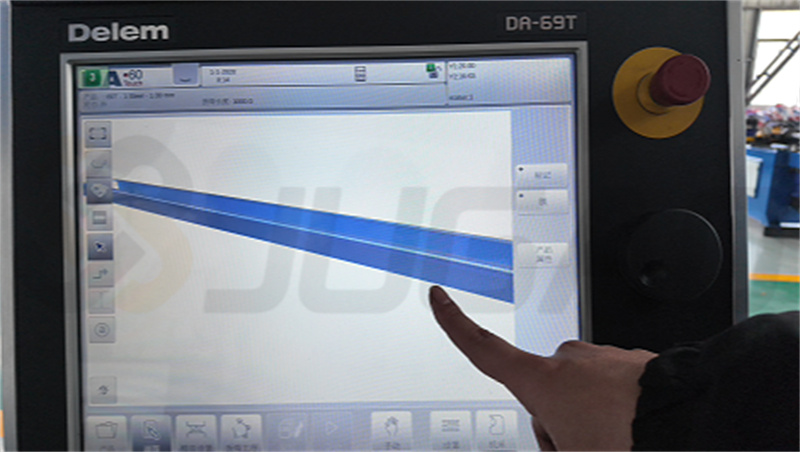
आधुनिक सीएनसी प्रेस ब्रेक्स प्रोग्रामिंग पैरामीटर पर अत्यधिक निर्भर करते हैं, जिनमें मुख्य रूप से शामिल हैं:
• बेंडिंग गहराई
• शीट की मोटाई
• टूलिंग के आयाम
गलत पैरामीटर सेटिंग्स के कारण उपकरण बेंडिंग के दौरान प्रभावी कॉम्पेंसेशन करने में असमर्थ हो जाएगा।
जब असमान बेंडिंग गहराई होती है, तो मैं सीएनसी प्रोग्राम की पुनः जाँच करूँगा ताकि सुनिश्चित किया जा सके कि पैरामीटर वास्तविक उपयोग की गई सामग्री और टूलिंग के साथ सुसंगत हैं।
असमान बेंडिंग गहराई के लिए चरण-दर-चरण ट्रबलशूटिंग
मैं असमान बेंडिंग गहराई के कारण का निदान करने के लिए एक मानकीकृत निरीक्षण प्रक्रिया अपनाता हूँ।
1. सामग्री की एकरूपता की जाँच करें
सबसे पहले, शीट की मोटाई को कई बिंदुओं पर मापें। असंगत सामग्री मोटाई आमतौर पर पहचानने में सबसे आसान दोष होती है।
2. टूलिंग स्थापना की जाँच करें
फिर, पंच और डाई की सटीक संरेखण और दृढ़ क्लैम्पिंग की पुष्टि करें। संरेखण विचलन असमान बेंडिंग गहराई का एक सामान्य कारण है।
3. बैकगेज की परिशुद्धता की पुष्टि करें
बैकगेज की स्थिति का परीक्षण करने और इसकी दोहराव स्थिति परिशुद्धता की जाँच करने के लिए कई प्रयोगात्मक बेंडिंग कार्यों का संचालन करें।
4. हाइड्रोलिक और यांत्रिक घटकों का निरीक्षण करें
अंत में, हाइड्रोलिक दबाव की स्थिरता, रैम की समानांतरता और उपकरण की स्नेहन स्थिति की जाँच करें।
इस चरण-दर-चरण प्रक्रिया का अनुसरण करने से समस्या के वास्तविक कारण को त्वरित रूप से खोजा जा सकता है।
अक्सर पूछे जाने वाले प्रश्न
प्रेस ब्रेक में शीट का एक पक्ष गहरा क्यों मुड़ता है?
यह स्थिति मुख्य रूप से गलत टूलिंग संरेखण या रैम समानांतरता विचलन के कारण होती है। टूलिंग सेटअप की जाँच और समायोजन करने से आमतौर पर समस्या का समाधान किया जा सकता है।
क्या सामग्री की मोटाई प्रेस ब्रेक में असमान बेंडिंग गहराई का कारण बनेगी?
हाँ। धातु शीट्स की मोटाई में भिन्नता सीधे बेंडिंग गहराई और कोण की स्थिरता को प्रभावित करती है।
असमान बेंडिंग गहराई को दूर करने के लिए प्रेस ब्रेक का कैलिब्रेशन कैसे किया जाए?
सबसे पहले, रैम समानांतरता और टूलिंग संरेखण की जाँच करें, फिर बैकगेज को पुनः कैलिब्रेट करें, और अंत में सीएनसी बेंडिंग पैरामीटर्स की सही होने की पुष्टि करें।
क्या नियमित रोकथाम रखरखाव असमान बेंडिंग गहराई को रोक सकता है?
निश्चित रूप से। नियमित उपकरण स्नेहन, हाइड्रोलिक प्रणाली की जाँच और संरेखण कैलिब्रेशन द्वारा प्रेस ब्रेक के स्थिर बेंडिंग प्रदर्शन को बनाए रखा जा सकता है।
निष्कर्ष
असमान मोड़ की गहराई शीट धातु प्रसंस्करण में एक सामान्य दोष है, लेकिन अधिकांश मामलों में इसे व्यवस्थित निरीक्षण और मानक उपकरण सेटअप के माध्यम से हल किया जा सकता है। व्यावहारिक अनुभव के अनुसार, प्रेस ब्रेक की असमान मोड़ की गहराई अधिकांशतः असंगत सामग्री, औजार संरेखण विचलन, हाइड्रोलिक प्रणाली की अस्थिरता या बैकगेज कैलिब्रेशन त्रुटियों से संबंधित होती है।
उपरोक्त कारकों की चरणबद्ध जाँच करने और नियमित उपकरण रखरखाव करने से मोड़ की सटीकता और उत्पादन स्थिरता में काफी सुधार किया जा सकता है। यदि असमान मोड़ की समस्या अभी भी बनी रहती है, या आपको उपकरण कैलिब्रेशन पर व्यावसायिक मार्गदर्शन की आवश्यकता है, तो आप आगे के समर्थन के लिए तकनीकी टीम से संपर्क कर सकते हैं, या आधिकारिक वेबसाइट पर अधिक प्रेस ब्रेक संचालन दस्तावेज़ देख सकते हैं।

