





घिसावट और टीयर को कम करने के लिए एल्यूमीनियम मिश्र धातु बेंडिंग मशीन का रखरखाव कैसे करें
एल्यूमीनियम मिश्र धातु के प्रोफाइलों को संसाधित करने के लिए एक विशिष्ट उपकरण के रूप में, एल्यूमीनियम मिश्र धातु बेंडिंग मशीन की सटीकता और टिकाऊपन सीधे उत्पादन दक्षता और उत्पाद गुणवत्ता को प्रभावित करते हैं। उचित रखरखाव न केवल मशीन के जीवनकाल को बढ़ा सकता है, बल्कि गलत रखरखाव के कारण होने वाले क्षरण को भी प्रभावी ढंग से कम कर सकता है। यहाँ कुछ प्रमुख रखरखाव बिंदु दिए गए हैं:
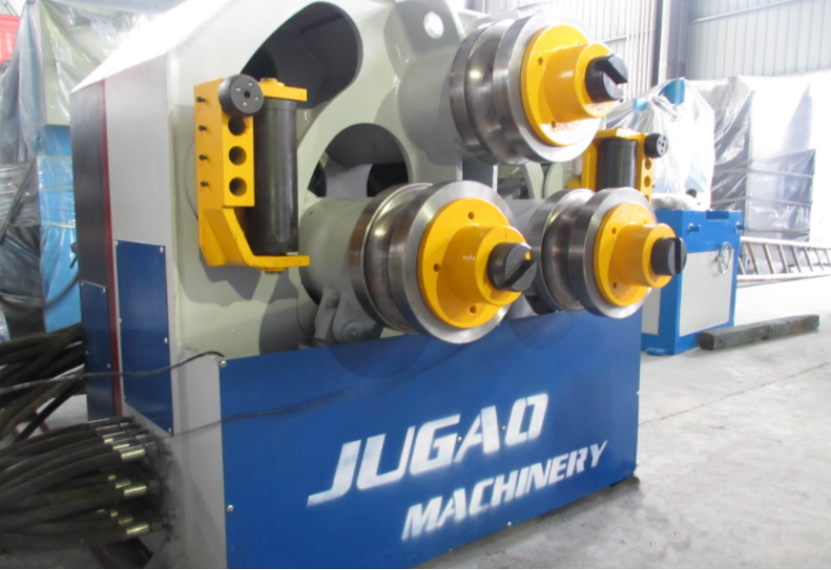
दैनिक प्रबंधन
1. सफाई और धूल हटाना: प्रत्येक उपयोग से पहले और बाद में, मशीन के अंदर और बाहर से एल्यूमीनियम के छील, धूल और तेल के धब्बों को सावधानीपूर्वक हटाएं, विशेष रूप से गाइड रेल्स, रोलर्स और ट्रांसमिशन भागों को, ताकि अच्छा ऊष्मा अपवहन और चिकनी संचालन बना रहे।
2. चिकनाई रखरखाव: जंग लगने को रोकने, घर्षण को कम करने और जूनी होने की प्रक्रिया को धीमा करने के लिए सभी गतिशील भागों पर नियमित रूप से चिकनाई तेल लगाएं।
3. कसाव जाँच: सुनिश्चित करें कि सभी पेंच और कनेक्टर्स सुरक्षित रूप से कसे हुए हैं, ताकि ढीले होने के कारण कंपन में वृद्धि या अतिरिक्त तनाव न हो।
4. विद्युत निरीक्षण: सुनिश्चित करें कि सभी वायरिंग कनेक्शन अच्छी स्थिति में हैं और तार क्षतिग्रस्त नहीं हैं, ताकि शॉर्ट सर्किट या विद्युत झटके के खतरे को रोका जा सके।
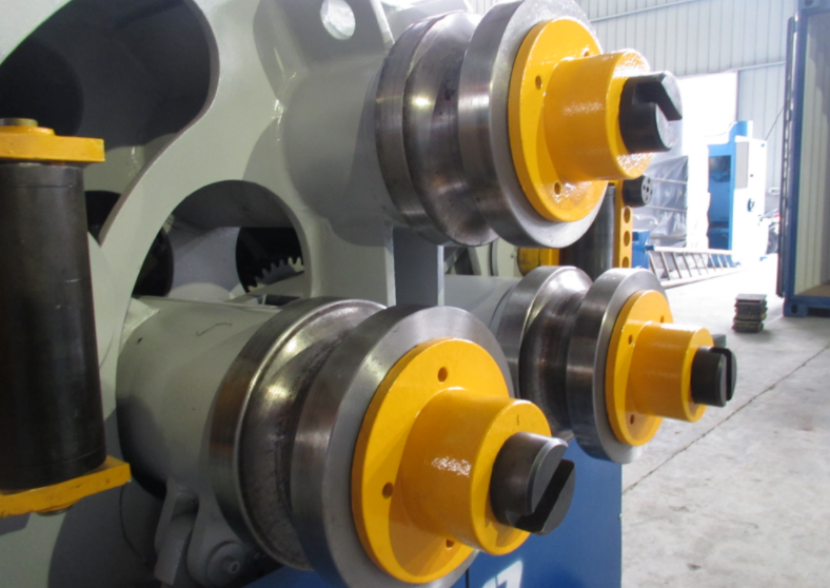
नियमित रखरखाव
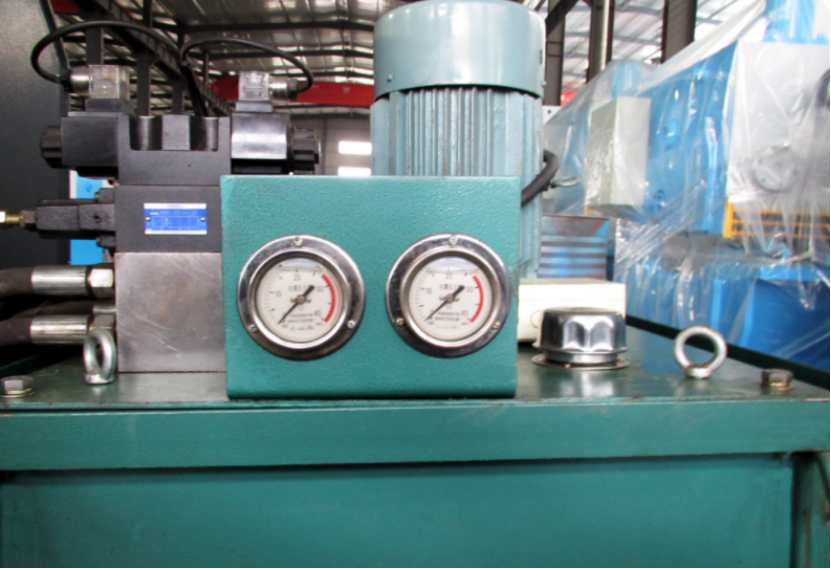
1. हाइड्रोलिक प्रणाली: फ़िल्टर की सफ़ाई करें, पहने हुए सील्स को बदलें, ऑयल टैंक का सामान्य स्तर बनाए रखें, और वायु के प्रवेश को रोकें जिससे आइडलिंग हो सकती है।
2. शीतलन प्रणाली: हीट सिंक की सफ़ाई करें, सुनिश्चित करें कि शीतलन पंखा स्वतंत्र रूप से काम कर रहा है, और उच्च तापमान के कारण मोटर और अन्य घटकों को होने वाले क्षति को रोकें।
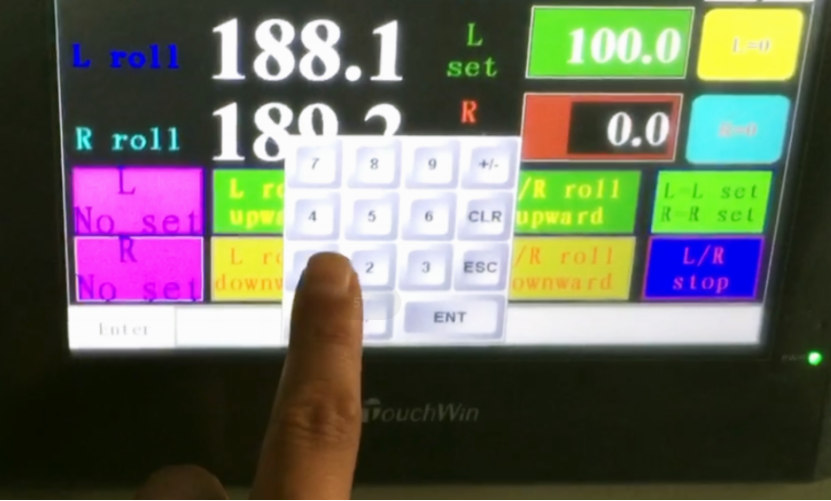
3. परिशुद्धि कैलिब्रेशन: मानक ब्लॉक्स का उपयोग करके आयामों की पुष्टि करें, रोलर की स्थिति को आवश्यकतानुसार समायोजित करें, और सुसंगत बेंडिंग त्रिज्या बनाए रखें।
4. औजार प्रतिस्थापन: डाई के पहने हुए हिस्सों का मूल्यांकन करें, आवश्यकतानुसार औजारों को घुमाएं या प्रतिस्थापित करें, और मशीनिंग त्रुटियों के जमा होने से बचें।
दोष रोकथाम
1. संचालन प्रक्रियाएँ: उपकरण का सही ढंग से उपयोग करने के लिए ऑपरेटरों को निर्देश पुस्तिका के अनुसार प्रशिक्षित करें, अतिभारण से बचें और रूखे या असावधान हैंडलिंग को समाप्त करें।
2. निगरानी और अलार्म: वास्तविक समय में निगरानी, पूर्वचेतावनी और रोकथाम के लिए तापमान, दबाव और अन्य सेंसर स्थापित करें।
3. आपातकालीन तैयारी: एक रखरखाव टीम की स्थापना करें, सामान्य रूप से उपयोग किए जाने वाले भागों का स्टॉक रखें, डाउनटाइम को न्यूनतम करें और प्रतिक्रिया की गति में सुधार करें।
ज्ञान प्रशिक्षण
नियमित रूप से तकनीकी आदान-प्रदान की बैठकों का आयोजन करें, सामान्य समस्याओं के समाधानों की व्याख्या करने के लिए विशेषज्ञों को आमंत्रित करें और नई रखरखाव तकनीकों को साझा करें। आपातकालीन प्रतिक्रिया प्रक्रियाओं की स्थापना करें ताकि आपात स्थिति में प्रत्येक कर्मचारी अपनी जिम्मेदारियों को समझ सके।
इन व्यवस्थित रखरखाव उपायों के माध्यम से एल्यूमीनियम मिश्र धातु बेंडिंग मशीनों पर होने वाले क्षरण और घिसावट को कम किया जा सकता है, उत्पादन दक्षता में सुधार किया जा सकता है, संचालन सुरक्षा सुनिश्चित की जा सकती है और एक व्यवस्थित कार्य वातावरण निर्मित किया जा सकता है। उद्यमों को उपकरण प्रबंधन को प्राथमिकता देनी चाहिए और इसे सतत विकास के लिए एक प्रेरक शक्ति के रूप में देखना चाहिए। प्रौद्योगिकी के विकास के साथ, अधिक बुद्धिमान रखरखाव विधियाँ लगातार उभरती रहेंगी, जो औद्योगिक उन्नयन को गति प्रदान करेंगी।

