





सही पाइप बेंडिंग मशीन का चयन करना? इन 8 विशिष्टताओं को समझना ही काफी है
चाहे आप एक नई वर्कशॉप का निर्माण कर रहे हों या किसी उत्पादन लाइन का अपग्रेड कर रहे हों, आपकी पाइप बेंडिंग मशीन के विशिष्टता आपकी दक्षता, सटीकता और उत्पाद की गुणवत्ता को सीधे निर्धारित करती हैं। नीचे, हम इन 8 मुख्य पैरामीटर्स को विस्तार से समझाएँगे ताकि आप सही मशीन का चयन कर सकें।
1. बेंडिंग क्षमता: यह किस आकार के पाइप को मोड़ सकती है?
यह सबसे मूलभूत संकेतक है —मशीन द्वारा संभाले जा सकने वाले अधिकतम पाइप व्यास और दीवार की मोटाई। 50 मिमी स्टेनलेस स्टील पाइप के लिए विशेष रूप से डिज़ाइन की गई मशीन समान बाहरी व्यास के मोटी दीवार वाले कार्बन स्टील पाइप को मोड़ने में सक्षम नहीं हो सकती है। हमेशा अपने सबसे अधिक उपयोग किए जाने वाले सामग्री प्रकार और आकार के आधार पर चयन करें, जिसमें 20% की सुरक्षा सीमा का प्रावधान हो।
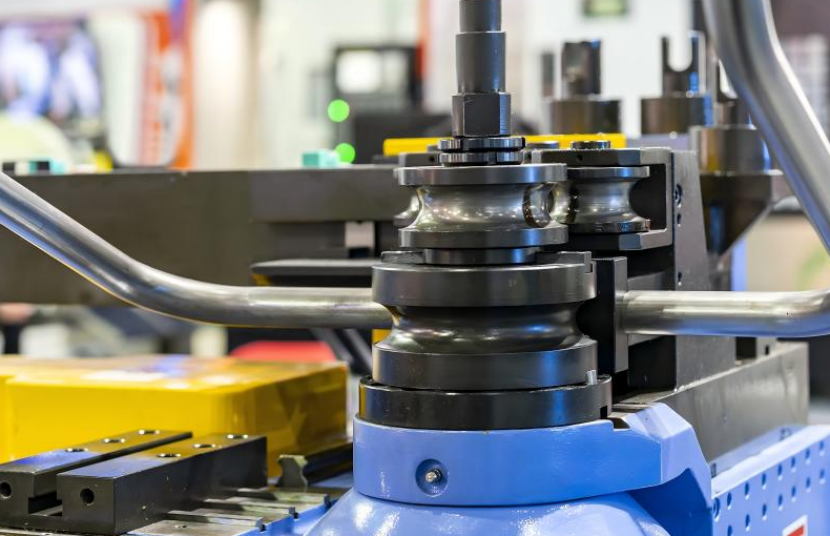
2. वक्रता त्रिज्या और केंद्र रेखा त्रिज्या (CLR): वक्र कितना तीव्र हो सकता है?
वक्रता त्रिज्या को आमतौर पर "1.5D, 2D" के रूप में व्यक्त किया जाता है, जहाँ D पाइप का बाहरी व्यास है। छोटी त्रिज्या से कसे हुए वक्र का निर्माण होता है, लेकिन इससे झुर्रियों के बनने का जोखिम भी अधिक हो जाता है। यह पैरामीटर उन उत्पादों के लिए महत्वपूर्ण है जिनमें छोटी त्रिज्याएँ या सटीक वक्रों की आवश्यकता होती है।
3. ड्राइव सिस्टम का प्रकार: मैनुअल, NC, या CNC?
मैनुअल सिस्टम छोटी वर्कशॉप्स और नमूना निर्माण के लिए उपयुक्त है; NC (संख्यात्मक नियंत्रण) मध्यम-बैच, अर्ध-स्वचालित और दोहराव योग्य उत्पादन के लिए उपयुक्त है; CNC (कंप्यूटर संख्यात्मक नियंत्रण), जिसमें बहु-अक्ष नियंत्रण और सॉफ्टवेयर प्रोग्रामिंग शामिल है, उच्च-परिशुद्धता और उच्च-मात्रा उत्पादन के लिए उपयुक्त है। अपने बजट, कर्मचारियों के कौशल स्तर और उत्पादन मात्रा के आधार पर चयन करें।
4. पाइप संगतता: यह किन सामग्रियों को वक्रित कर सकता है?
स्टेनलेस स्टील, तांबा, एल्यूमीनियम और कार्बन स्टील —प्रत्येक धातु की मोड़ने की विशेषताएँ अलग-अलग होती हैं। जाँच करें कि क्या मशीन आपके द्वारा सामान्य रूप से उपयोग की जाने वाली सामग्रियों का समर्थन करती है और क्या इसके साथ समर्पित मैंड्रल या डाई शामिल हैं। कुछ मॉडल स्वचालित रूप से दबाव और गति को विभिन्न सामग्रियों के अनुकूल बनाने के लिए समायोजित कर सकते हैं, जिससे दरारें और स्प्रिंगबैक (प्रत्यास्थ प्रतिक्रिया) रोकी जा सकती हैं।
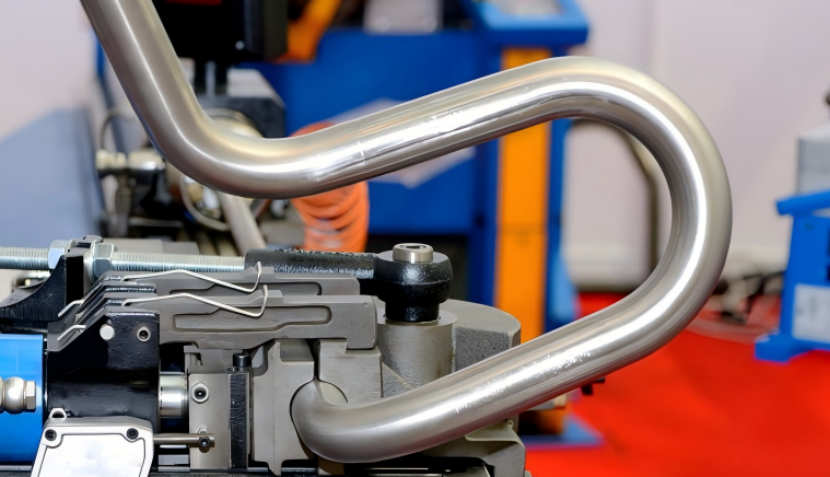
5. मैंड्रल और डाई विकल्प: क्या यह पतली-दीवार वाली ट्यूबों को अच्छी तरह से मोड़ सकता है?
एक मैंड्रल ट्यूब को आंतरिक रूप से सहारा प्रदान करता है, जिससे चपटा होने या झुर्रियाँ पड़ने से रोका जाता है —पतली-दीवार वाली ट्यूबों या छोटी त्रिज्या वाली ट्यूबों को मोड़ने के लिए आवश्यक है। साथ ही, एंटी-व्रिंकल डाई, प्रेसिंग डाई और क्विक-चेंज डाई जैसी वैकल्पिक सुविधाओं की भी जाँच करें; ये सुविधाएँ दक्षता में काफी सुधार कर सकती हैं और परिवर्तन समय को कम कर सकती हैं।
6. मोड़ कोण की शुद्धता और दोहराव क्षमता: कितनी सटीक? कितनी स्थिर?
उच्च-स्तरीय सीएनसी मशीनें कोण सहिष्णुता प्राप्त कर सकती हैं ±0.1°अच्छी पुनरावृत्ति क्षमता का अर्थ है कि प्रत्येक बेंड समान होता है, जिससे बार-बार कैलिब्रेशन की आवश्यकता समाप्त हो जाती है। यदि आप एकाधिक तलों और त्रिज्याओं के साथ जटिल बेंड कर रहे हैं, तो उच्च-परिशुद्धता नियंत्रण प्रणाली आपको काफी मात्रा में सामग्री और सेटअप समय बचा सकती है।
7. नियंत्रण प्रणाली और उपयोगकर्ता इंटरफ़ेस: यह कितना उपयोगकर्ता-अनुकूल है?
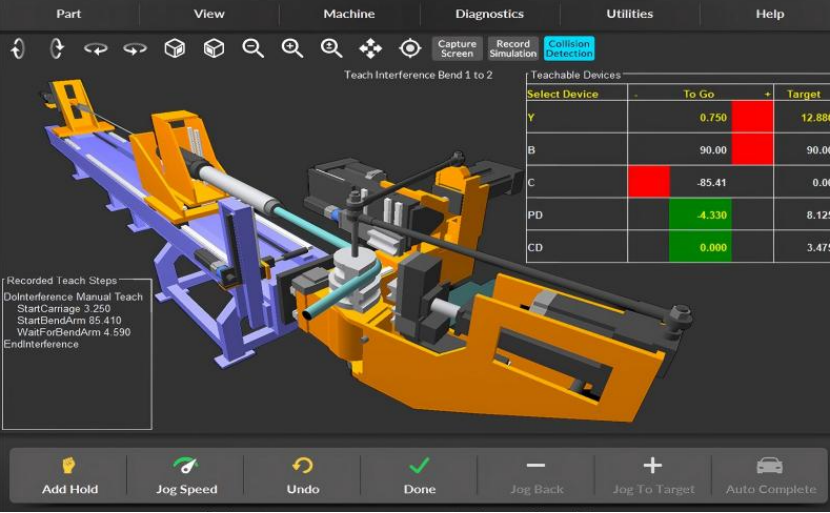
आधुनिक सीएनसी मशीनों में टचस्क्रीन, 3D सिमुलेशन और स्वचालित संकल्पना कार्य शामिल होते हैं। एक अच्छा इंटरफ़ेस प्रोग्रामिंग त्रुटियों को कम करता है और दक्षता में सुधार करता है। मशीन का चयन करते समय, जाँचें कि क्या यह ऑफ़लाइन प्रोग्रामिंग, CAD फ़ाइल आयात और बेंडिंग पैरामीटर्स की डिजिटल निगरानी का समर्थन करती है।
8. मशीन की संरचना और टिकाऊपन: यह कितने वर्षों तक चल सकती है?
फ्रेम की दृढ़ता, हाइड्रोलिक या सर्वो घटकों की गुणवत्ता, और क्लैम्पिंग प्रणाली का डिज़ाइन सभी प्रदर्शन और जीवनकाल को प्रभावित करते हैं। वेल्डेड स्टील फ्रेम मजबूत होते हैं और अच्छा कंपन अवशोषण प्रदान करते हैं। सर्वो ड्राइव उच्च परिशुद्धता, तीव्र गति और पारंपरिक हाइड्रोलिक प्रणालियों की तुलना में कम रखरखाव की आवश्यकता प्रदान करते हैं।
पाइप बेंडिंग मशीन चुनने के लिए तीन व्यावहारिक सुझाव
1. सबसे पहले अपनी उत्पादन आवश्यकताओं का विश्लेषण करें
अपने द्वारा सामान्यतः उपयोग किए जाने वाले पाइप व्यास, सामग्रियों और दैनिक उत्पादन की सूची बनाएं। अपनी आवश्यकताओं के अनुसार ठीक उतनी ही क्षमता वाली मशीन चुनें, बिना उन विशेषताओं पर अतिरिक्त धन खर्च किए जिनका आप उपयोग नहीं करेंगे।
2. भविष्य के विस्तार पर विचार करें
यदि आप अपने संचालन का विस्तार करने की योजना बना रहे हैं, तो एक ऐसी सीएनसी मशीन चुनें जिसे बाद में अपग्रेड किया जा सके (उदाहरण के लिए, बाद में अक्षों या उन्नत सॉफ्टवेयर को जोड़ना)। अभी थोड़ा अधिक निवेश करने से बाद में आपको काफी बचत होगी।
3. सरल रखरखाव को प्राथमिकता दें
ऐसे मॉडल का चयन करें जिसमें सुगम रूप से पहुँचे जा सकने वाले स्नेहन बिंदु, सहज नैदानिक कार्यक्षमता और स्थानीय उत्तर-विक्रय सेवा हो। सरल रखरखाव वाली मशीनों का डाउनटाइम कम होता है और उनका जीवनकाल लंबा होता है।
3 सामान्यतः पूछे जाने वाले प्रश्नों के त्वरित उत्तर
स्टेनलेस स्टील के पाइपों के लिए आदर्श बेंडिंग त्रिज्या क्या है? आमतौर पर 2D–3D (बाहरी व्यास के 2–3 गुना) एक चिकने बेंड को बनाए रखती है।
पाइप मोड़ते समय झुर्रियों को रोकने के लिए क्या करें? आंतरिक ओर का समर्थन करने के लिए मैंड्रल और एंटी-व्रिंकल डाई का उपयोग करें, जबकि क्लैंपिंग बल और मोड़ने की गति को समायोजित करें।
एनसी (NC) और सीएनसी (CNC) के बीच मुख्य अंतर क्या हैं? एनसी अर्ध-स्वचालित है और कोणों को नियंत्रित करता है; सीएनसी पूर्णतः स्वचालित, बहु-अक्षीय, प्रोग्राम करने योग्य है और उच्च परिशुद्धता वाला है।
पाइप मोड़ने की मशीन चुनते समय इन आठ पैरामीटरों पर विचार करें: मोड़ने की क्षमता, मोड़ने की त्रिज्या, ड्राइव सिस्टम, सामग्री संगतता, मैंड्रल डाई, परिशुद्धता और दोहराव क्षमता, नियंत्रण प्रणाली और संरचनात्मक स्थायित्व। इन्हें अपने उत्पादन मात्रा और भविष्य की योजनाओं के साथ संयोजित करें ताकि सुनिश्चित किया जा सके कि आप ऐसी मशीन खरीदें जिसके बारे में आपको कभी पछतावा न हो।

