





How Sheet Metal Punching Machines Improve Modern Fabrication
In sheet metal manufacturing, productivity depends on producing accurate features repeatedly while keeping cycle times and operating costs under control. Punching machines help meet these demands by creating holes, cutouts, and formed details quickly and consistently across production runs.
With CNC control and flexible tooling, a punching system can process parts for electrical enclosures, HVAC assemblies, brackets, panels, trays, and many other applications. Understanding its uses, setup requirements, benefits, and common operating problems helps a workshop get more from its equipment.
This guide introduces the main applications of sheet metal punching machines, explains a practical three-stage setup process, reviews their key advantages, and outlines common issues with troubleshooting suggestions.
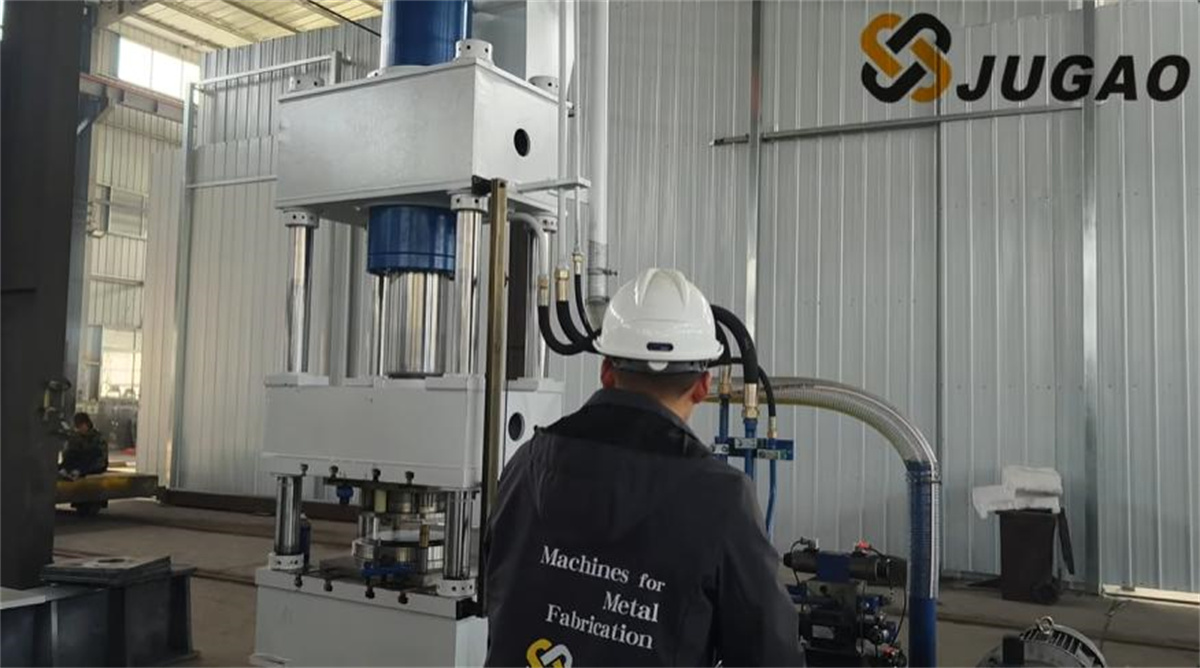
What Can Punching Machines Do in Sheet Metal Production?
Produce Holes at High Speed
Punching machines are well suited to creating repeatable holes and perforations in sheet metal. They are frequently used for cabinet panels, equipment housings, ventilation components, and mounting brackets. Their rapid stroke cycles support high-volume production while maintaining consistent feature locations when tooling and machine settings are correct.
Create Formed Features in the Same Process
Depending on the machine and tooling configuration, CNC and turret punching systems can do more than pierce holes. They may also produce shallow bends, flanges, and embossed details. Combining these operations can reduce the need to move parts to separate forming equipment.
Manufacture Repeated Parts with Complex Layouts
CNC programming and automatic tool selection make punching machines useful for batch production involving multiple hole sizes, slots, and cutout shapes. A single program can coordinate different tools to manufacture panels, covers, trays, and other parts with varied geometries.
How to Prepare a Punching Machine for Sheet Metal Work
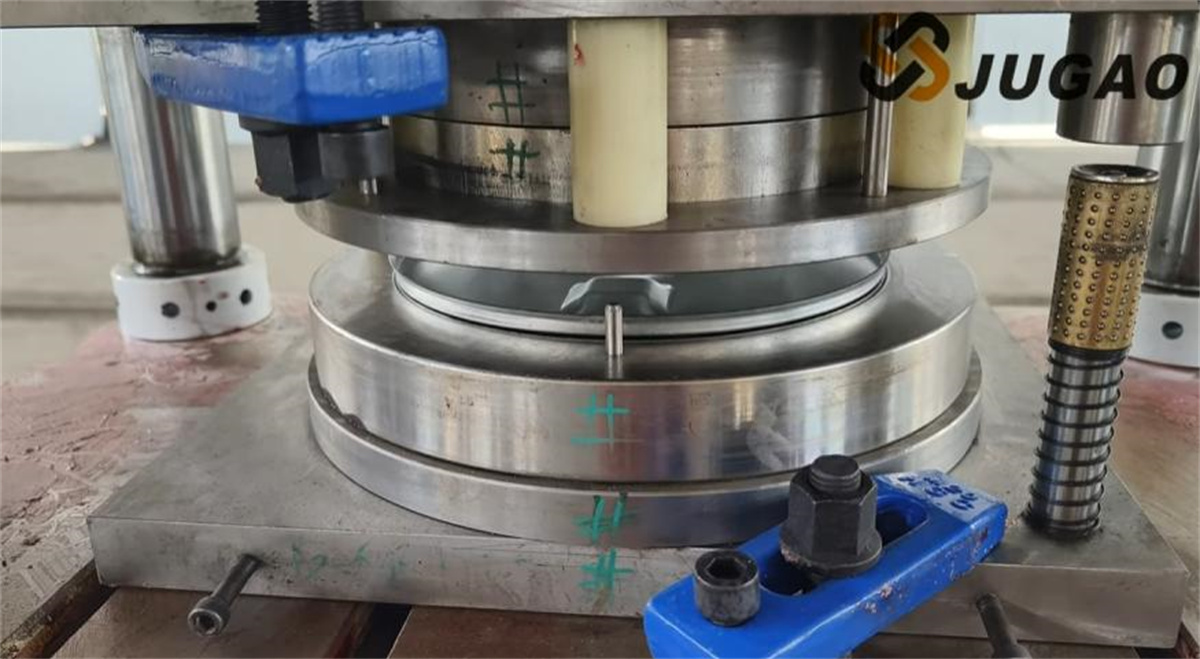
Step 1: Prepare the Work Area and Sheet
Check that the sheet is clean, flat, and measured to the required dimensions before loading. Clear obstacles from the working zone and confirm that the sheet can be positioned securely.
For CNC equipment, select and load the correct part program. Align the sheet with the machine's positioning references and clamps so it remains stable during punching.
Step 2: Fit the Tooling and Check Alignment
Install the punch and matching die specified for the material and feature geometry. On turret or CNC machines, confirm that the selected tool stations and programmed coordinates match the intended operation.
Before production, inspect the tooling for wear and verify alignment, clearances, and edge distances. A test piece can help identify installation or positioning errors before they affect a full batch.
Step 3: Run a Trial Before Full Production
First, carry out a dry run to check the programmed tool path and sheet movement without making a punch stroke.
Then produce a sample part and examine hole position, edge finish, burrs, and dimensional accuracy. If necessary, adjust speed, stroke, or pressure settings in accordance with the machine manufacturer's guidance before starting production.
Key Advantages of Sheet Metal Punching Machines
Higher Output and Shorter Cycle Times
Rapid punching cycles, automated sheet handling, and automatic tool changing can reduce interruptions between operations. For repeat orders and high-volume parts, this can increase throughput and help production teams use machine time more efficiently.
Less Manual Work and More Consistent Results
CNC control automates positioning and tool movements, reducing dependence on repeated manual measurements and adjustments. This helps limit operator-related variation and improves consistency across batches.
Lower Unit Costs in Large Runs
For suitable part geometries and larger quantities, punching can be an economical alternative to laser cutting or machining. Durable tooling and routine maintenance can help lower the cost per part over time.
Capability Across Different Sheet Materials
Depending on rated capacity and tooling, punching systems can process stainless steel, aluminum, copper, and galvanized sheet. The workable thickness varies by machine tonnage, material properties, and tool configuration; some systems are designed for sheet around 0.5–6 mm thick.
Common Punching Problems and How to Address Them
Punch and Die Misalignment
Incorrect installation, worn guide components, or inaccurate tool coordinates can cause the punch to miss the center of the die. Recheck tool seating and programmed positions, inspect guide bushings, and recalibrate the setup according to the manufacturer's procedure.
Burrs Along the Cut Edge
Pronounced burrs may indicate a worn punch or die, or unsuitable clearance between them. Inspect the tooling, sharpen or replace it when necessary, and confirm that the clearance matches the material and thickness.
Sheet Movement During Punching
If the sheet shifts during a cycle, inspect clamp pressure and clamping surfaces. Replace worn clamps when needed and ensure the sheet is clean and correctly positioned before running the program.
FAQs
What sheet thickness can a punching machine process?
Some punching machines are designed for sheet thicknesses of approximately 0.5–6 mm, but this is not universal. The machine's rated tonnage, material type, tooling, and operation determine the suitable thickness.
How can I help punching tools last longer?
Follow the recommended lubrication and maintenance schedule, maintain correct punch-to-die clearance, and sharpen or replace tools before excessive wear affects part quality. Avoid processing material that exceeds machine or tooling specifications.
Can punching machines produce complicated part designs?
Yes. CNC turret punching systems can combine different tool shapes and sizes within a programmed sequence. With suitable programming and nesting, they can produce parts with multiple holes, slots, and cutouts while making efficient use of sheet material.
Conclusion
Sheet metal punching machines support efficient production by combining fast hole-making, repeatable positioning, and—when the equipment allows—additional forming operations. They are particularly valuable for repeated parts and larger production batches where consistency and cycle time matter.
Reliable results depend on correct material preparation, suitable tooling, verified alignment, and a sample run before full production. Regular tooling inspection and prompt troubleshooting of misalignment, burrs, or sheet movement help maintain part quality and protect equipment.
For manufacturers evaluating punching equipment or looking to improve their sheet metal process, JUGAO can provide technical guidance on machine selection, operating requirements, and practical production solutions.

