





वेल्डिंग रोबोट्स का वर्गीकरण और विशेषताएँ
मोबाइल वेल्डिंग रोबोट वे रोबोट हैं जो वेल्डिंग कार्य करते हैं, जो मुख्य रूप से दो भागों से बने होते हैं: स्वयं रोबोट और वेल्डिंग उपकरण। वेल्डिंग रोबोटों को सामान्यतः स्पॉट वेल्डिंग और आर्क वेल्डिंग में विभाजित किया जाता है। रोबोट विभिन्न उद्योगों में कार्य करते हुए देखे जा सकते हैं, जिनमें मोबाइल वेल्डिंग रोबोट उद्योग में सबसे व्यापक रूप से उपयोग किए जाने वाले प्रकारों में से एक हैं। इसलिए, क्या आप वेल्डिंग रोबोटों के वर्गीकरण और विशेषताओं के बारे में जानते हैं? आइए संबंधित परिचय पर एक नज़र डालें।
आर्क वेल्डिंग रोबोटों की विशेषताएँ
आर्क वेल्डिंग रोबोट अधिकांशतः गैस शील्डेड वेल्डिंग विधियों का उपयोग करते हैं। थाइरिस्टर-आधारित, इन्वर्टर-आधारित, वेवफॉर्म-नियंत्रित, पल्सित या अपल्सित जैसे सामान्य वेल्डिंग पावर स्रोतों को आर्क वेल्डिंग के लिए रोबोट पर स्थापित किया जा सकता है। चूँकि रोबोट नियंत्रण कैबिनेट में डिजिटल नियंत्रण का उपयोग किया जाता है, जबकि वेल्डिंग पावर सप्लाई में अधिकांशतः एनालॉग नियंत्रण का उपयोग किया जाता है, अतः वेल्डिंग पावर सप्लाई और नियंत्रण कैबिनेट के बीच एक इंटरफ़ेस की आवश्यकता होती है।
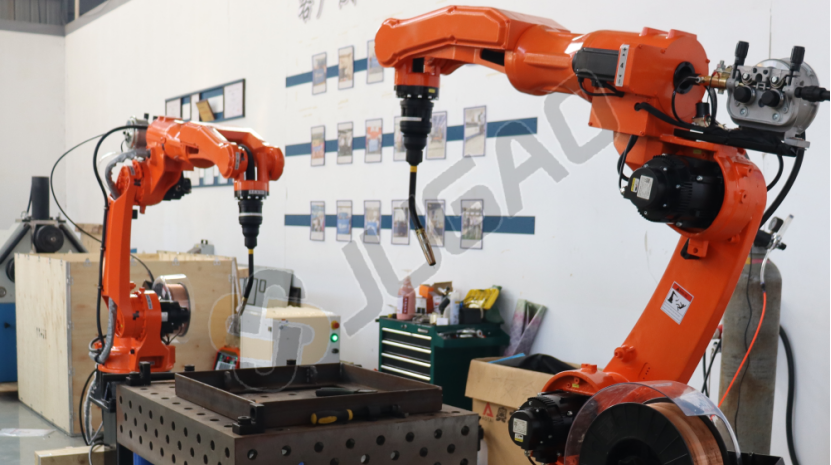
इसकी विशेषताओं को निम्नलिखित रूप में सारांशित किया जा सकता है:
1. उच्च उत्पादन दक्षता और स्थिरता
ल निरंतर संचालन क्षमता: बिना किसी अंतराय के 24 घंटे प्रतिदिन कार्य कर सकता है, जिससे उत्पादन दक्षता में काफी सुधार होता है।
ल **स्थिर साइकिल समय:** वेल्डिंग गति, तार फीड गति और दोलन पथ जैसे पैरामीटर स्थिर रहते हैं, जो ऑपरेटर के थकान या कौशल स्तर में उतार-चढ़ाव से अप्रभावित रहते हैं, जिससे प्रत्येक उत्पाद के लिए उत्पादन साइकिल समय की सुसंगतता सुनिश्चित होती है।
2. **उत्कृष्ट वेल्डिंग गुणवत्ता की सुसंगतता:**
ल उच्च प्रक्षेपवक्र सटीकता: अत्यधिक उच्च पुनरावृत्ति क्षमता (आमतौर पर ±0.05 मिमी से ±0.1 मिमी), जो शिक्षित प्रक्षेपवक्र को सटीक रूप से पुनरुत्पादित करती है और मैनुअल वेल्डिंग में आम यादृच्छिक दोषों, जैसे अंडरकट, वेल्ड विचलन और वेल्ड बीड्स को रोकती है।
ल स्थिर प्रक्रिया पैरामीटर: वेल्डिंग धारा, वोल्टेज, आर्क लंबाई और वेल्डिंग गति का सटीक नियंत्रण सुखद दृश्य वेल्ड निर्माण, सुसंगत प्रवेशन और पुनर्कार्य दर में काफी कमी सुनिश्चित करता है।
ल शारीरिक परिश्रम में कमी: बड़े संरचनात्मक घटकों (जैसे इंजीनियरिंग मशीनरी और जहाज के खंडों) की भारी वेल्डिंग के लिए, रोबोट वेल्डिंग टॉर्च को पकड़े रखने के दौरान ऑपरेटर की शारीरिक सीमाओं को ध्यान में रखने की आवश्यकता को समाप्त कर देता है और जटिल मुद्राओं में लंबी अवधि की वेल्डिंग को आसानी से पूरा करने की अनुमति देता है।
3. **उच्च लचीलापन और स्वचालन एकीकरण:**
ल त्वरित स्विचिंग: नियंत्रण कार्यक्रम में संशोधन करके, यह विभिन्न उत्पादों की वेल्डिंग आवश्यकताओं के लिए त्वरित रूप से अनुकूलित हो सकता है, विशेष रूप से बहु-विविधता, छोटे बैच उत्पादन मॉडल के लिए उपयुक्त है।
ल बाह्य अक्ष संयोजन: आमतौर पर पोजीशनर संयोजन कार्यक्षमता से सुसज्जित। रोबोट और पोजीशनर (घूर्णन मेज) एक साथ गति करते हैं, जिससे वेल्डिंग टॉर्च हमेशा "ऊर्ध्वाधर-नीचे" या आदर्श वेल्डिंग मुद्रा में बना रहता है, जिससे जटिल त्रिआयामी वक्रों की उच्च-गुणवत्ता वाली वेल्डिंग संभव होती है।
ल प्रणाली एकीकरण: इसे लोडिंग और अनलोडिंग प्रणालियों, हैंडलिंग रोबोट्स, दृष्टि पहचान प्रणालियों और गुणवत्ता निरीक्षण प्रणालियों (जैसे लेज़र वेल्ड सीम ट्रैकिंग और गलित पूल मॉनिटरिंग) के साथ आसानी से एकीकृत किया जा सकता है, जिससे मानवरहित बुद्धिमान विनिर्माण इकाइयाँ या डिजिटल कार्यशालाएँ बनती हैं।
4. पूर्व-उत्पादन तैयारी और प्रबंधन पर निर्भरता
ल उच्च कार्य-वस्तु शुद्धता आवश्यकताएँ: आर्क वेल्डिंग रोबोट "शिक्षा-एवं-पुनर्प्रस्तुति" प्रकार के उपकरण हैं या उच्च-शुद्धता वाले सेंसरों पर निर्भर करते हैं। यदि कार्य-वस्तु के लोडिंग की शुद्धता कम है या असेंबली अंतराल असंगत है, तो रोबोट मानव वेल्डर की तरह अपनी वेल्डिंग तकनीक को लचीले ढंग से समायोजित नहीं कर सकता, जिससे आसानी से भेदन (बर्न-थ्रू) या अपूर्ण प्रवेश (इनकम्प्लीट पेनिट्रेशन) हो सकता है। अतः आमतौर पर उच्च-शुद्धता वाले औजार एवं फिक्सचर की आवश्यकता होती है।
ल प्रोग्रामिंग एवं रखरोट के अवरोध: यद्यपि ऑफ़लाइन प्रोग्रामिंग और ड्रैग-एंड-ड्रॉप शिक्षण प्रौद्योगिकियाँ उपलब्ध हैं, फिर भी इनके संचालन के लिए ऑपरेटरों से उच्च स्तर के प्रोग्रामिंग कौशल, वेल्डिंग प्रक्रिया का ज्ञान तथा उपकरण रखरोट के विशेषज्ञता की आवश्यकता होती है।
ल प्रारंभिक निवेश की बड़ी राशि: उपकरण स्वयं, पोजिशनर, औजार एवं फिक्सचर, सुरक्षा संरक्षण प्रणालियाँ, तथा भविष्य में होने वाले रखरोट व्यय सापेक्ष रूप से उच्च हैं।
सारांश में, आर्क वेल्डिंग रोबोट की मुख्य विशेषताएँ उनकी स्थिरता, दक्षता और परिशुद्धता में निहित हैं, जो वेल्डिंग गुणवत्ता के स्थिरता स्तर और उत्पादन स्वचालन के स्तर में काफी सुधार करती हैं। हालाँकि, इससे ऊपर की प्रक्रियाओं (सामग्री तैयारी, बेवलिंग, असेंबली) की परिशुद्धता तथा प्रक्रिया प्रबंधन और रखरखाव पर भी अधिक कठोर आवश्यकताएँ लगती हैं।
स्पॉट वेल्डिंग रोबोट की विशेषताएँ
एकीकृत वेल्डिंग गन के उपयोग के कारण, वेल्डिंग ट्रांसफॉर्मर को वेल्डिंग गन के पीछे स्थापित किया जाता है; अतः स्पॉट वेल्डिंग रोबोट के ट्रांसफॉर्मर को यथासंभव सूक्ष्म आकार का होना आवश्यक है। वर्तमान में, नए टाइमर माइक्रोकंप्यूटर-आधारित हैं, इसलिए रोबोट नियंत्रण कैबिनेट पृथक इंटरफ़ेस की आवश्यकता के बिना सीधे टाइमर को नियंत्रित कर सकता है।
स्पॉट वेल्डिंग रोबोट की वेल्डिंग गन एक इलेक्ट्रिक सर्वो वेल्डिंग गन का उपयोग करती है। वेल्डिंग गन के खुलने और बंद होने को एक सर्वो मोटर द्वारा संचालित किया जाता है, जिसमें कोड डिस्क प्रतिक्रिया (फीडबैक) होती है, जिससे वेल्डिंग गन की खुलने की मात्रा को वास्तविक आवश्यकताओं के अनुसार स्वेच्छा से चुना जा सकता है और पूर्व-निर्धारित किया जा सकता है, तथा इलेक्ट्रोड्स के बीच क्लैंपिंग बल को भी चरणरहित रूप से समायोजित किया जा सकता है।
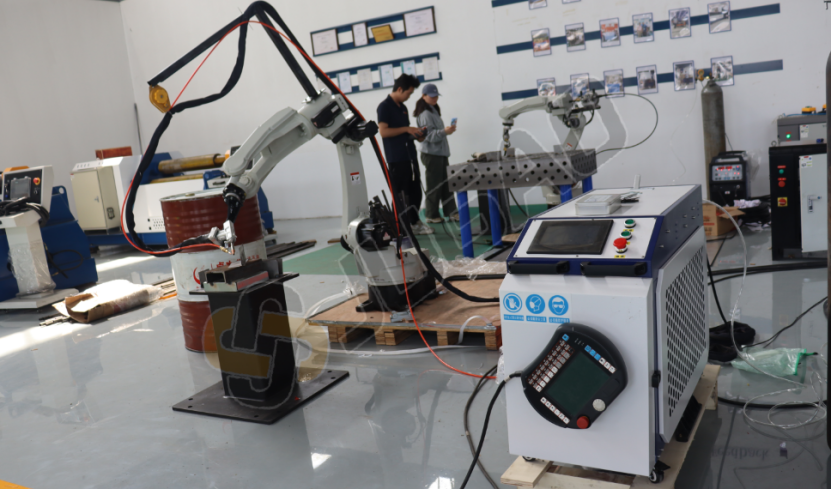
स्पॉट वेल्डिंग रोबोट्स की विशेषताओं को निम्नानुसार सारांशित किया जा सकता है:
1. अत्यधिक उच्च गति और छोटा साइकिल समय
ल उच्च गति वाली गति: स्पॉट वेल्डिंग रोबोट्स आमतौर पर चालन के लिए एसी सर्वो मोटर्स का उपयोग करते हैं, जिनमें अत्यधिक त्वरण और गति होती है (अधिकतम गति 2.0 मीटर/सेकेंड से अधिक तक पहुँच सकती है), ताकि सैकड़ों वेल्डिंग बिंदुओं के बीच तीव्र कूद को प्राप्त किया जा सके। 1. अत्यधिक
ल छोटा चक्र समय: एकल-बिंदु वेल्डिंग के लिए सामान्यतः केवल 1.5–3 सेकंड का समय आवश्यक होता है (जिसमें दबाव लगाना, ऊर्जा आपूर्ति, रखरखाव और विराम शामिल हैं)। रोबोट वेल्डिंग बिंदुओं के बीच अत्यधिक उच्च गति से सटीक स्थिति निर्धारण पूरा कर सकता है, जो ऑटोमोटिव उत्पादन लाइनों की उच्च चक्र समय आवश्यकताओं को पूरा करता है, जहाँ प्रत्येक कुछ दस सेकंड में एक कार लाइन से बाहर निकलती है।
2. उच्च भार वहन क्षमता और उच्च दृढ़ता वाली संरचना
ल भारी भार: स्पॉट वेल्डिंग रोबोट्स के लिए एकीकृत वेल्डिंग ट्रांसफॉर्मर, वेल्डिंग क्लैंप (इलेक्ट्रोड भुजाओं सहित), केबल्स और जल-शीतलन पाइपिंग की आवश्यकता होती है। कुल भार आमतौर पर 100 किग्रा से 500 किग्रा के बीच होता है (जो आर्क वेल्डिंग रोबोट्स के 6 किग्रा–20 किग्रा के मुकाबले काफी अधिक है)।
ल संरचनात्मक प्रबलन: वेल्डिंग क्लैंप के बंद होने और दबाव लगाने के दौरान उत्पन्न होने वाले महत्वपूर्ण प्रभाव और प्रतिक्रिया बलों (आमतौर पर दबाव 300kgf-600kgf तक पहुँच जाता है) के कारण, रोबोट शरीर और कलाई संरचना को अत्यधिक कठोरता होनी चाहिए ताकि दबाव लगाने के क्षण में वेल्ड बिंदु की स्थिति में कोई विस्थापन न हो।
3. एकीकृत वेल्डिंग गन और सर्वो नियंत्रण प्रौद्योगिकी
ल एकीकृत वेल्डिंग गन: केबल हानि को कम करने और प्रतिक्रिया गति में सुधार करने के लिए, स्पॉट वेल्डिंग रोबोट आमतौर पर एकीकृत ट्रांसफॉर्मर वेल्डिंग गन (ट्रांसफॉर्मर और वेल्डिंग गन का एकीकरण) का उपयोग करते हैं, जिन्हें सीधे रोबोट की कलाई पर माउंट किया जाता है।
ल सर्वो वेल्डिंग गन (सर्वो मोटर द्वारा संचालित): आधुनिक उच्च-स्तरीय स्पॉट वेल्डिंग रोबोट्स व्यापक रूप से सर्वो वेल्डिंग गन का उपयोग करते हैं, जो पारंपरिक वायुचालित वेल्डिंग गन की तुलना में काफी लाभ प्रदान करते हैं:
² इलेक्ट्रोड का लंबा जीवनकाल: इलेक्ट्रोड के बंद होने की गति का सटीक नियंत्रण धातु के छींटे (इम्पैक्ट स्पैटर) को कम करता है।
² सटीक और समायोज्य दबाव: वेल्डिंग दबाव को शीट की मोटाई और परतों की संख्या के अनुसार गतिशील रूप से समायोजित किया जा सकता है।
² लचीला स्ट्रोक: विभिन्न कार्य-टुकड़ों के अनुसार ओपनिंग स्ट्रोक का स्वचालित समायोजन, जिससे सिलेंडरों को बदलने या लिमिट स्विचों को समायोजित करने की आवश्यकता समाप्त हो जाती है।
² गुणवत्ता निगरानी: इलेक्ट्रोड के क्षरण पर वास्तविक समय में प्रतिक्रिया भविष्यवाणि-आधारित रखरखाव को सुविधाजनक बनाती है।
4. जटिल बाह्य अक्ष संबद्धता और त्रिआयामी पहुँच
ल बहु-अक्ष सहयोग: ऑटोमोटिव बॉडी-इन-व्हाइट वेल्डिंग लाइनों पर, स्पॉट वेल्डिंग रोबोटों को आमतौर पर बड़ी और जटिल वक्र सतहों—जैसे बॉडी पैनल, छत और फर्श प्लेटों—की सभी स्थितियों में वेल्डिंग प्राप्त करने के लिए सर्वो पोजिशनर या सातवें अक्ष (भूमि/छत रेल) के साथ संबद्ध करने की आवश्यकता होती है।
ल बाधा निवारण क्षमता: वाहन शरीर की जटिल संरचना और वेल्ड बिंदुओं की घनी संख्या (एक सामान्य वाहन में 3000–5000 वेल्ड बिंदु होते हैं) के कारण रोबोट को सीमित स्थानों में वेल्डिंग गन और वाहन शरीर या फिक्सचर के बीच हस्तक्षेप को रोकने के लिए जटिल पथ योजना क्षमताओं की आवश्यकता होती है।
5. टूलिंग, फिक्सचर और सिस्टम इंटीग्रेशन पर उच्च निर्भरता
ल सटीक स्थिति निर्धारण: स्पॉट वेल्डिंग में कार्य-टुकड़े की असेंबली अंतराल के प्रति सहनशीलता कम होती है। वेल्ड गुणवत्ता (वेल्ड नगेट व्यास, प्रवेश दर) सुनिश्चित करने के लिए, उच्च-परिशुद्धता वाले वेल्डिंग फिक्सचर की आमतौर पर आवश्यकता होती है ताकि कार्य-टुकड़े को पूरी तरह से स्थिर किया जा सके और दबाव लगाने के दौरान अंतराल या विसंरेणन न हो।
ल प्रणाली की जटिलता: स्पॉट वेल्डिंग रोबोट कार्यस्थल में केवल रोबोट शरीर ही नहीं, बल्कि एक जल शीतन प्रणाली (वेल्डिंग गन ट्रांसफॉर्मर और इलेक्ट्रोड्स को ठंडा करने के लिए), एक इलेक्ट्रोड ग्राइंडर (इलेक्ट्रोड शीर्ष को स्वचालित रूप से पीसकर चालकता बनाए रखने के लिए), एक वेल्डिंग नियंत्रक और एक समूह नियंत्रण प्रणाली (एक साथ काम कर रहे कई रोबोट्स के लिए बिजली आपूर्ति के समय को असमकालिक बनाना, ताकि ग्रिड में उतार-चढ़ाव से बचा जा सके) भी शामिल है।
6. बुद्धिमान और ऑनलाइन गुणवत्ता निगरानी
ल अनुकूलन संकल्पना: आधुनिक स्पॉट वेल्डिंग रोबोट्स में इलेक्ट्रोड पहनन, कार्य-टुकड़े की मोटाई में परिवर्तन और धारा शंटिंग को संबोधित करने के लिए अनुकूलन क्षमता होती है। ये गतिशील प्रतिरोध और इलेक्ट्रोड विस्थापन जैसे पैरामीटर्स की निगरानी करके वास्तविक समय में वेल्डिंग धारा और दबाव आवेदन के समय को समायोजित कर सकते हैं।
ल गुणवत्ता ट्रेसैबिलिटी: प्रत्येक वेल्डिंग बिंदु के लिए वेल्डिंग पैरामीटर्स (धारा, दबाव, समय, इलेक्ट्रोड पहनन गिनती) को विनिर्माण निष्पादन प्रणाली (MES) में अपलोड किया जा सकता है, जिससे पूरे जीवन चक्र के लिए गुणवत्ता ट्रेसैबिलिटी सुनिश्चित होती है। सीएबिलिटी। यह ऑटोमोटिव उद्योग की गुणवत्ता प्रणालियों (जैसे IATF 16949) में एक सामान्य आवश्यकता है।
सारांश: स्पॉट वेल्डिंग रोबोट्स की मुख्य विशेषताओं को इस प्रकार संक्षेप में प्रस्तुत किया जा सकता है: उच्च भार क्षमता, उच्च-गति बिंदु-से-बिंदु गति, सर्वो वेल्डिंग गन द्वारा सटीक दबाव आवेदन, और टूलिंग एवं फिक्सचर पर अत्यधिक निर्भर सिस्टम एकीकरण।
ऑटोमोटिव निर्माण के क्षेत्र में, स्पॉट वेल्डिंग रोबोट बॉडी-इन-व्हाइट उत्पादन लाइन पर मुख्य उपकरण हैं। तकनीकी चुनौतियाँ रोबोट के स्वयं के उच्च-भार गति नियंत्रण में ही नहीं, बल्कि वेल्डिंग प्रक्रियाओं और स्वचालन प्रणालियों के गहन एकीकरण—जैसे इलेक्ट्रोड घिसावट के लिए क्षतिपूर्ति, बहु-मशीन सहयोगी नियंत्रण, और वेल्डिंग गुणवत्ता की वास्तविक समय निगरानी—में भी निहित हैं। यदि आप स्पॉट वेल्डिंग रोबोट के अनुप्रयोग का मूल्यांकन कर रहे हैं, तो इन बिंदुओं पर ध्यान केंद्रित करने की सिफारिश की जाती है: कार्य-टुकड़े की स्थिति निर्धारण की शुद्धता, इलेक्ट्रोड पुनः ग्राइंडिंग चक्र की सेटिंग्स, और शीतलन प्रणाली की अतिरिक्त (रिडंडेंट) डिज़ाइन। ये अक्सर उत्पादन लाइन के अपटाइम को प्रभावित करने वाले प्रमुख कारक होते हैं।
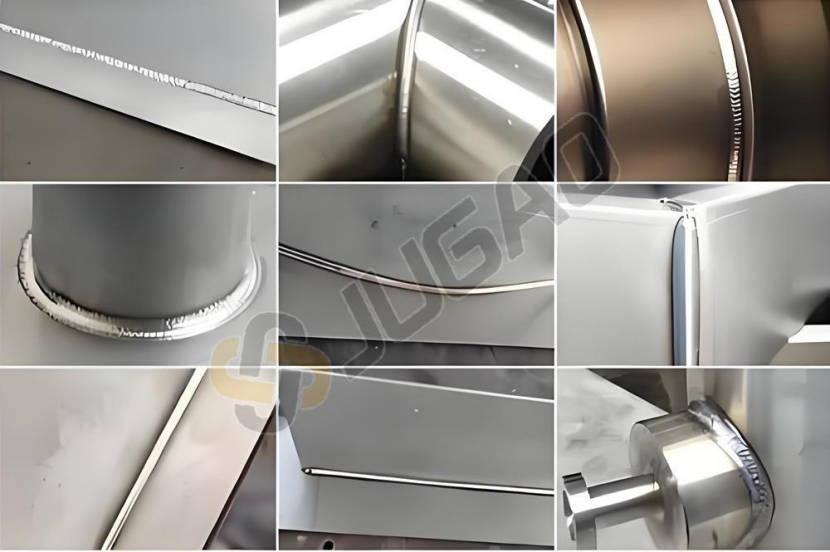
यह वेल्डिंग रोबोट्स के वर्गीकरण और विशेषताओं का परिचय समाप्त करता है। वेल्डिंग रोबोट्स विभिन्न उद्योगों में व्यापक रूप से उपयोग किए जाते हैं। इनके आविर्भाव ने मैनुअल श्रम की श्रम तीव्रता में सुधार किया है, जिससे वे जटिल वातावरणों में काम कर सकते हैं, निरंतर संचालित हो सकते हैं, श्रम उत्पादकता में वृद्धि कर सकते हैं और उद्यम के निवेश में कमी ला सकते हैं।

