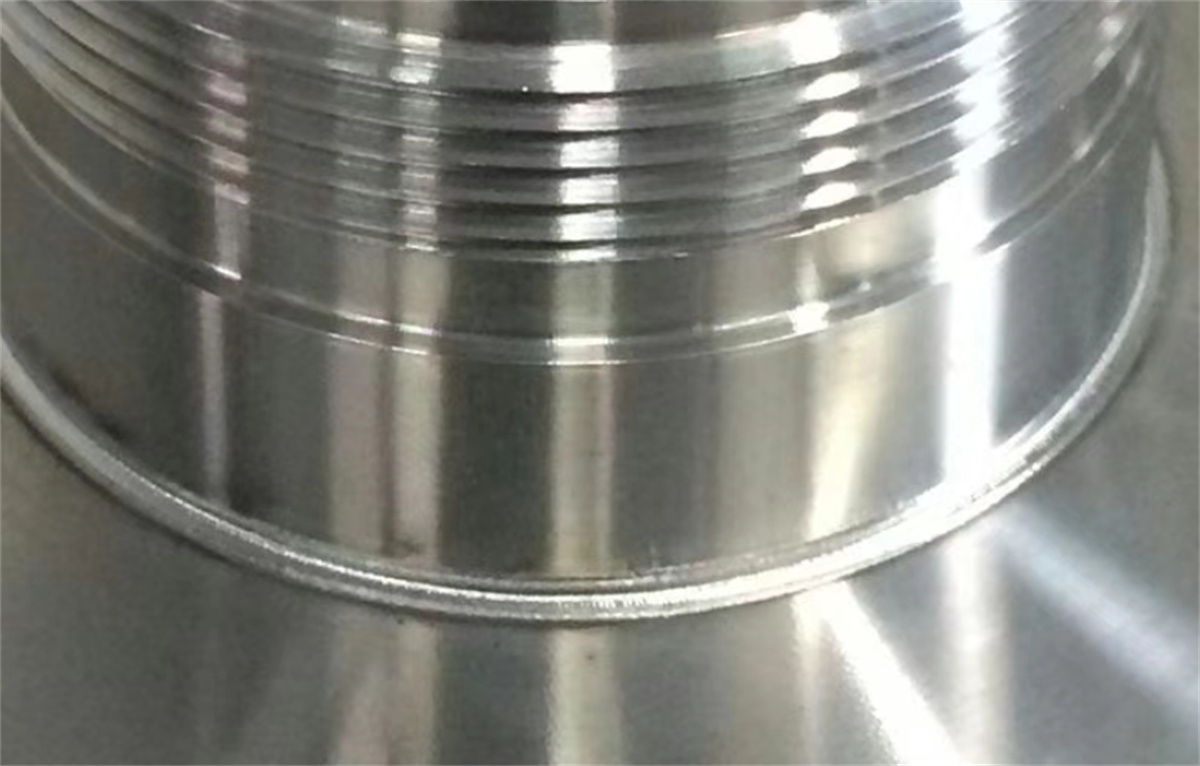


Can laser welding machines weld galvanized steel, stainless steel, and aluminum alloys? Is any additional preparation required?
Laser welding machines are capable of welding galvanized steel, stainless steel, and aluminum alloys. In most cases, some additional preparation is necessary before welding, as detailed below:
Galvanized Steel
Weldability: Laser welding machines can weld galvanized steel. Due to the concentrated energy and small heat-affected zone (HAZ) characteristic of laser welding, the evaporation and burn-off of the zinc coating during the process can be minimized, ensuring high weld quality.
Additional Preparation
Surface Cleaning: Before welding, ensure the surface of the material is clean and free of oil, dust, or other impurities. Remove any rust if necessary to improve weld quality and the aesthetic appearance of the weld seam.
Removing the Zinc Coating: When performing fillet welds or similar joints, consider mechanically grinding away the zinc coating around the weld area. Removing the coating beforehand helps reduce spatter and the formation of porosity.
Designing Venting: When using lap joints (stacking sheets), incorporate vents between the galvanized steel sheets to allow zinc vapors to escape, thereby improving the quality of the welded joint.
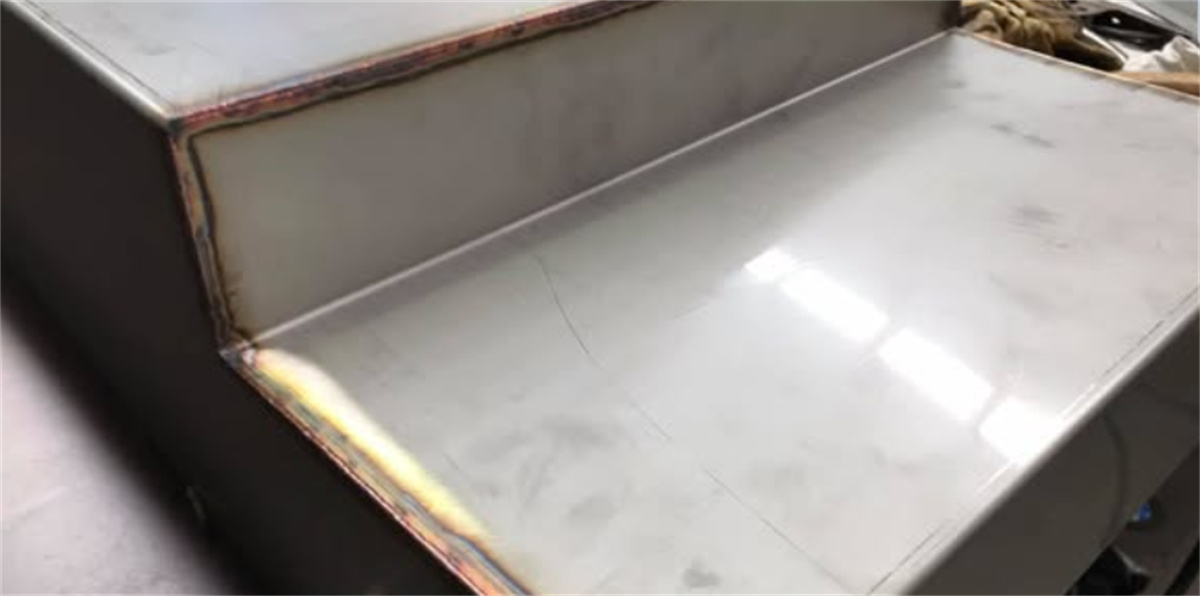
Stainless Steel
Weldability: Laser welding is highly suitable for stainless steel. It produces high-quality joints while effectively preserving the material's corrosion resistance and mechanical properties.
Additional Preparation
Surface Cleaning: The stainless steel surface must be cleaned prior to welding to remove oil, oxide scale, rust, and other impurities. This prevents these contaminants from entering the weld pool, which could otherwise lead to defects such as porosity or inclusions.
Filler Material Selection: Typically, a filler material with a composition similar to the base metal is chosen. If there are no specific requirements, the material can also be welded via autogenous (filler-free) laser welding.
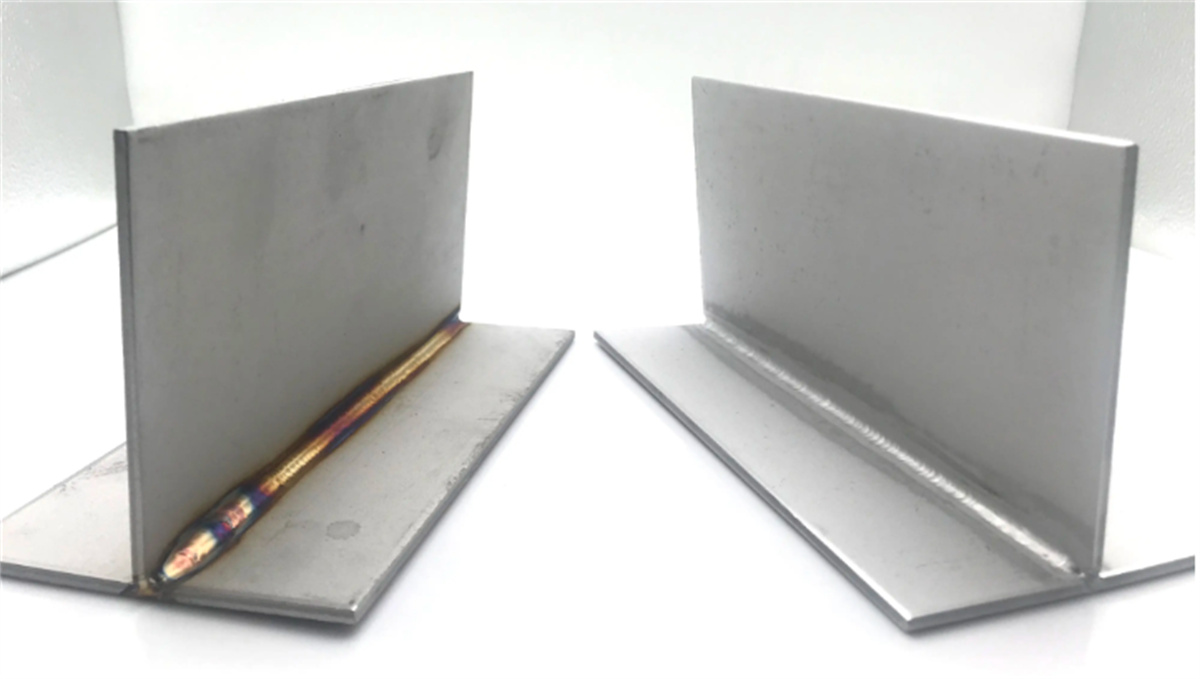
Aluminum Alloy
Weldability: Laser welding is also widely used for aluminum alloys. Although aluminum alloys have a relatively low absorption rate for laser energy and are prone to issues like porosity and hot cracking, excellent welding results can be achieved through appropriate process measures and the adjustment of equipment parameters. Additional Treatments
Surface Pretreatment: Since aluminum alloy surfaces readily form a dense oxide film and exhibit low laser absorption, pretreatment methods—such as sanding, chemical etching, or surface plating—can be employed to increase the material's laser absorption rate.
Adjustment of Welding Parameters and Processes: Techniques such as modifying the laser power waveform, altering the laser beam incidence angle, or applying a magnetic field during the welding process can help reduce the formation of porosity. When using a YAG laser, the pulse waveform can be adjusted to control heat input, thereby minimizing solidification cracking.
Addition of Alloying Elements: Incorporating certain low-boiling-point alloying elements during the welding of aluminum alloys can facilitate the formation of a keyhole and enhance the structural integrity of the weld.