





What Role Do Punching Machines Play in the Automotive Industry Today?
Punching machines are essential to automotive manufacturing, providing the precision and efficiency needed to satisfy today's strict production requirements. These tools have become key assets for shaping sheet metal, forming holes, and producing complex vehicle components with outstanding speed and accuracy. If you are interested in how they influence modern car production, this article explains their functions, applications, and advantages. By the end, you will recognize their contribution to quality, productivity, and cost control throughout the automotive sector.
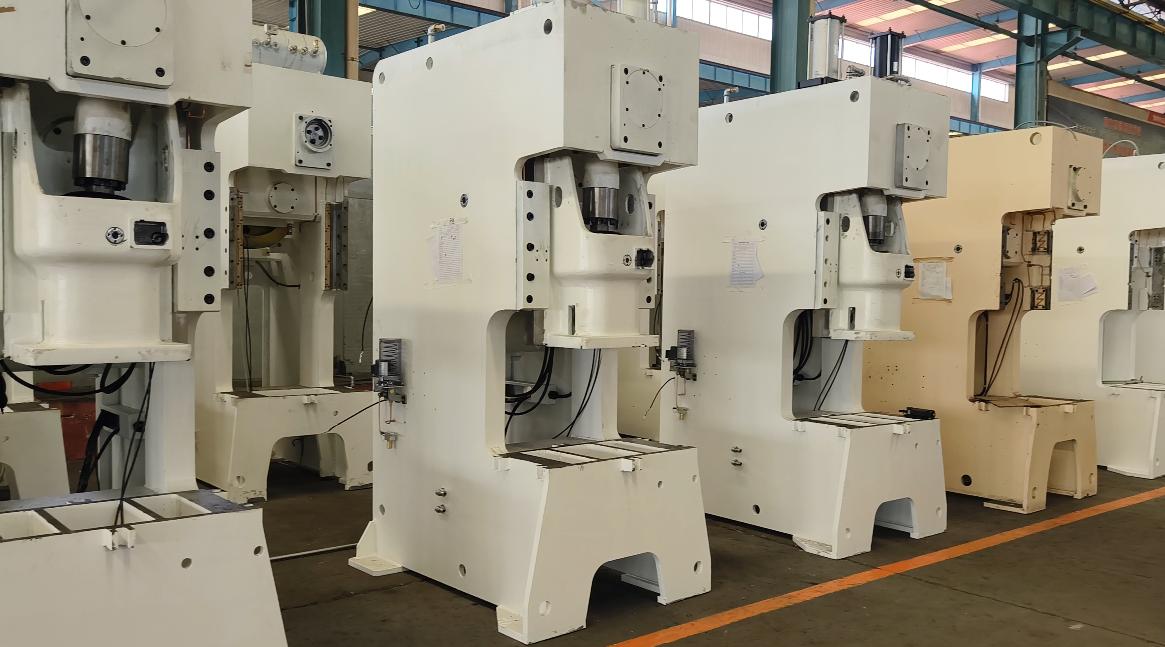
How Punching Machines Support Automotive Production
Punching machines are a common sight in automotive plants, where they fabricate parts such as brackets, panels, and chassis elements. Relying on hydraulic or CNC-controlled systems, they can handle a variety of materials, from aluminum and stainless steel to high-strength alloys. Their exceptional precision guarantees that each part is manufactured to exact specifications, a factor that is vital to vehicle safety and performance.
Common Automotive Applications of Punching Machines
· Body panels and doors: Punching machines form accurate holes and shapes for door handles, locks, and window frames.
· Chassis and frame parts: They cut and shape structural elements that must comply with rigorous safety regulations.
· Exhaust and engine components: Precise punching guarantees correct alignment for engine mounts and exhaust systems.
Setting Up a Punching Machine for Automotive Parts
A correct setup protects accuracy and prevents expensive mistakes. The following are essential steps that every operator should follow.
Step 1: Preparing the Work Area
Before running the punching machine, I always confirm that the workspace is clean, properly lit, and free of unneeded tools or materials. A safe and tidy setting lowers the chance of accidents and boosts productivity.
Step 2: Selecting the Right Tooling
The punch and die sets you choose depend on the thickness and kind of sheet metal. For example, high-strength steel calls for hardened tooling so that precision is preserved over longer production runs.
Step 3: Calibrating for Accuracy
Calibration is essential to prevent misaligned holes or uneven cuts. I normally use a digital measuring instrument to verify alignment and make adjustments according to the manufacturer's guidelines. This practice ensures consistent results across large production batches.
Maintenance and Troubleshooting for Automotive Punching Machines
Like all industrial equipment, punching machines in automotive plants need steady attention to keep performing at their best.
Routine Inspections
I advise checking the alignment of punches and dies on a weekly basis. Any sign of wear or damage should be dealt with right away so that part quality is never compromised.
Lubrication and Cleaning
Regularly lubricating the moving parts reduces friction and wear. Clearing away metal shavings and dust keeps sensors and hydraulic systems operating smoothly.
Handling Common Issues
If the machine starts producing uneven holes, I first look for worn tooling. When accuracy problems continue, recalibration or software adjustments may be necessary.
Advantages of Punching Machines in the Automotive Industry
Increased Efficiency
Modern CNC punching machines are able to process hundreds of parts each hour, dramatically shortening production time when compared with manual methods.
High Accuracy and Consistency
Every punched part turns out identical, a requirement that becomes crucial when producing thousands of vehicle components.
Versatility
From small brackets to large panels, punching machines handle a broad spectrum of shapes and thicknesses, which makes them suitable for nearly every automotive application.
FAQs
Why are punching machines considered vital in the automotive industry?
Because they offer high accuracy, speed, and repeatability, all of which are essential for producing safe and dependable vehicle parts.
What materials can punching machines process in car manufacturing?
They can work with steel, aluminum, stainless steel, and even the advanced lightweight alloys found in modern vehicles.
How often should punching machines be maintained in automotive plants?
Routine inspections should be carried out weekly, while full maintenance, including calibration and lubrication, should be scheduled every 500 hours of operation.
Can CNC punching machines replace other cutting methods in automotive production?
Although they complement techniques such as laser cutting, CNC punching is often more efficient for repetitive tasks that involve holes, slots, and simple shapes.
Conclusion
Punching machines occupy a central position in the automotive industry, ensuring that vehicle components are made with precision, speed, and reliability. From body panels to engine brackets, they help manufacturers meet demanding standards while keeping expenses in check. By applying proper setup, maintenance, and calibration practices, operators can get the best performance from their equipment and minimize downtime.
If you would like to find out more about how these machines can improve your production line or explore advanced punching solutions, feel free to reach out to our team for expert assistance.

