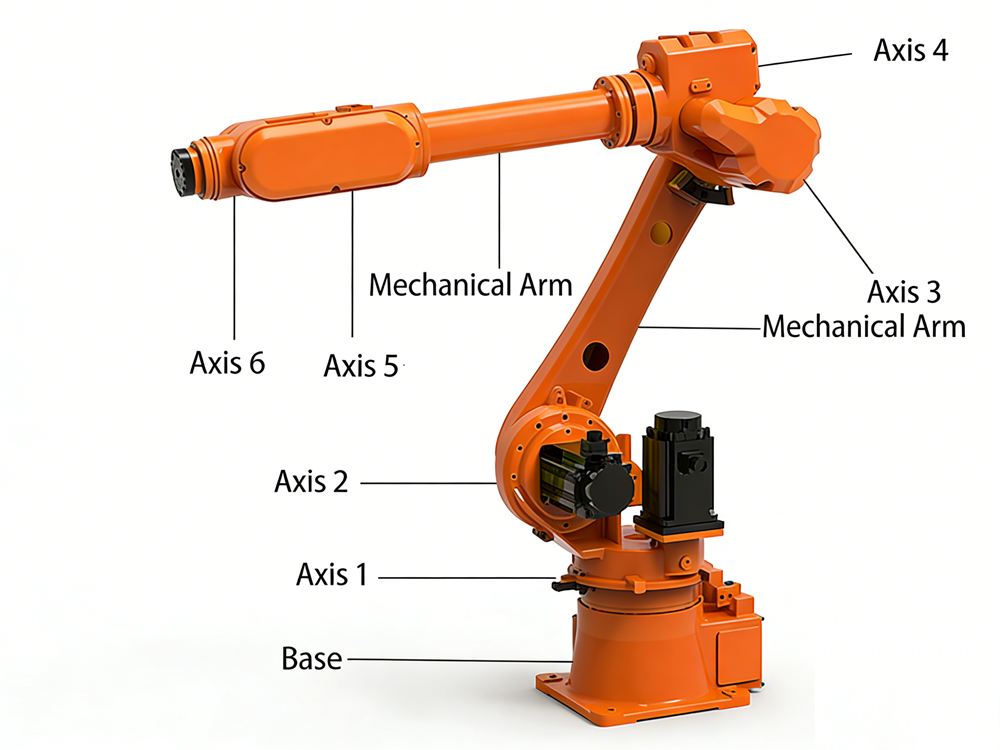


اجزای اصلی یک ربات جوشکاری چیست؟
رباتهای جوشکاری ابزارهای رایج و گستردهای در حوزه جوشکاری هستند. در مقایسه با جوشکاری سنتی، رباتهای جوشکاری بسیار سریعتر عمل میکنند. یک ربات جوشکاری عمدتاً از دو بخش تشکیل شده است: بدنه ربات و تجهیزات خودکار جوشکاری. رباتهای جوشکاری دستگاههای مدرن و خودکاری هستند که علوم رایانه، الکترونیک، سنسورها، هوش مصنوعی و سایر فناوریها را ادغام میکنند. این رباتها بهراحتی نتایج جوشکاری پایدارتر و بهبودیافتهای را فراهم میکنند و امکان تولید پیوسته ۲۴ ساعته را فراهم میسازند؛ که این امر بهطور قابلتوجهی بازده تولید را افزایش میدهد و جایگزین نیروی انسانی در محیطهای خطرناک برای دورههای طولانی میشود. رباتهای جوشکاری که مستقیماً برای انجام جوشکاری استفاده میشوند شامل رباتهایی برای جوشکاری قوس الکتریکی، جوشکاری مقاومتی و جوشکاری گازی هستند.
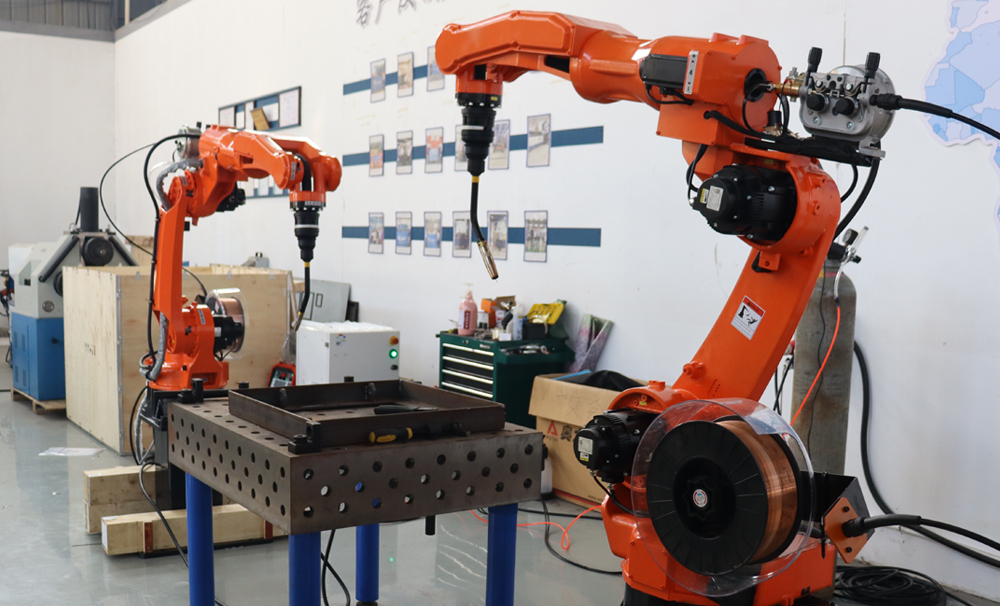
رباتهای درختی
الف. اجزای یک ربات جوشکاری
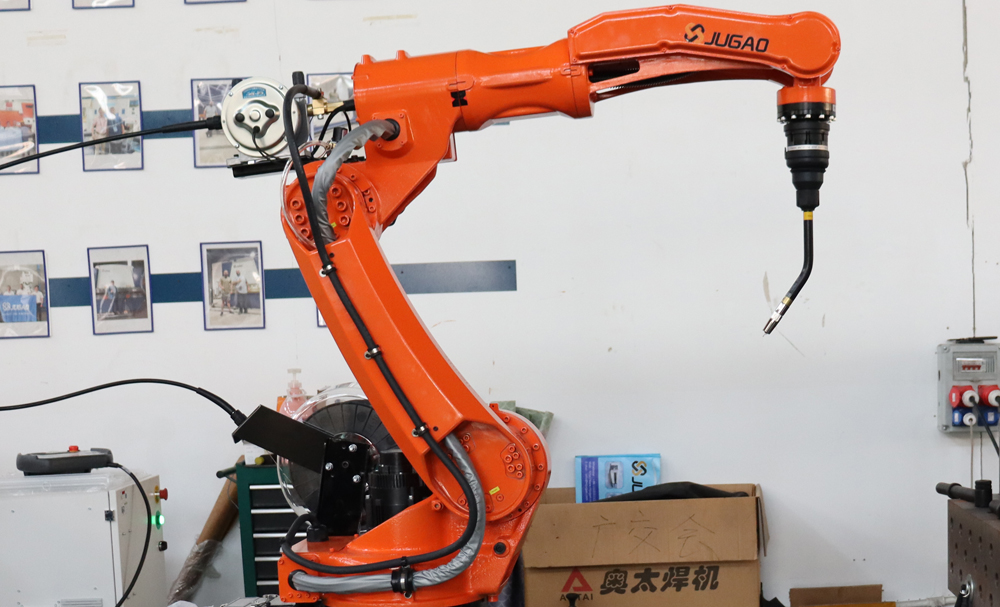
۱. بخش اجرایی: این ساختار مکانیکی است که نیرو یا گشتاور را منتقل کرده و اقدامات خاصی را انجام میدهد تا وظیفه جوشکاری را به اتمام برساند. این بخش شامل بدنه ربات، بازو، مچ و دست ربات میشود.
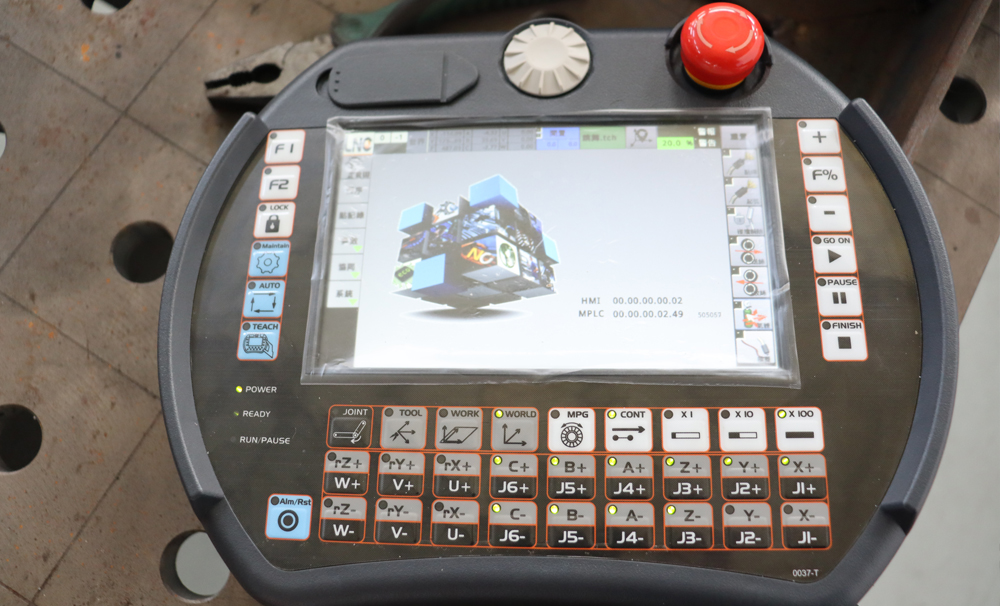
۲. بخش کنترل: این بخش شامل اجزای الکترونیکی و الکتریکی و سیستم رایانهای است که مسئول کنترل ساختار مکانیکی برای انجام عملیات جوشکاری در چارچوب برنامه و مسیر مشخصشده است.
۳. بخش منبع توان و انتقال نیرو: این بخش شامل اجزا و دستگاههایی است که انرژی مکانیکی را تأمین کرده و آن را به اکچوئتورها منتقل میکنند. منبع توان معمولاً الکتریکی یا هیدرولیکی است.
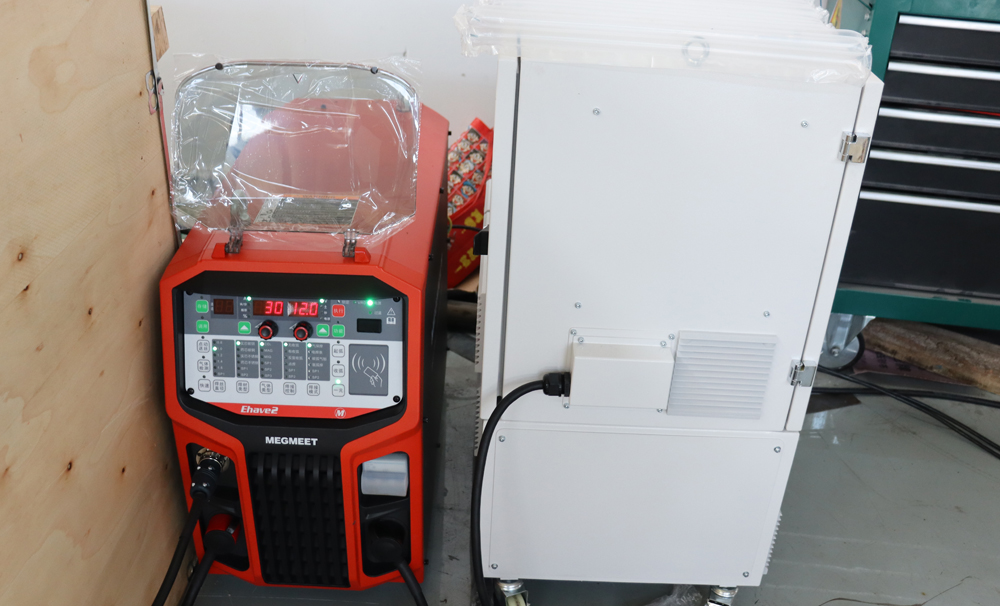
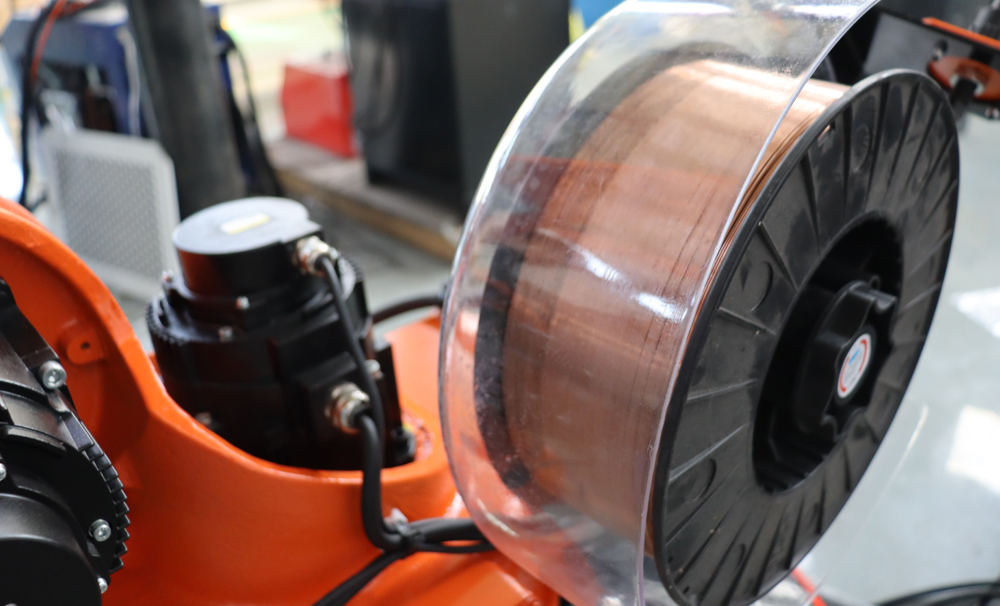
۴. بخش پشتیبانی فرآیند: این بخش عمدتاً شامل منبع تغذیه جوشکاری ربات، دستگاه تغذیه سیم و دستگاه تأمین گاز است.
II. انتخاب تعداد درجات آزادی برای رباتهای جوشکاری
بازو و مچ ربات جوشکاری اجزای اصلی حرکتی هستند. طراحی هر بازوی ربات دارای سه درجه آزادی است تا اطمینان حاصل شود که انتهای افکتور (End Effector) قادر به رسیدن به هر نقطهای در محدوده کاری خود باشد. سه درجه آزادی مچ، حرکات چرخشی حول سه محور مختصات X، Y و Z که بر یکدیگر عمود هستند، را در فضای سهبعدی تشکیل میدهند و معمولاً بهترتیب بهعنوان حرکات رول (چرخش حول محور طولی)، پیچ (چرخش حول محور عرضی) و یاو (چرخش حول محور عمودی) شناخته میشوند.