





Key Steps and Precautions for Operating a Profile Bending Machine
A profile bending machine can complete the pre-bending, rolling, and straightening processes of profiles in a single feeding operation. With its advanced structure and functions, it can be placed vertically or horizontally depending on the user's needs. Profile bending machines are available in both flat bending and vertical bending types. They are advanced machines for bending flat steel, square steel, round steel, angle steel, I-shaped steel, H-shaped steel, square tubes, rectangular tubes, and other profiles.
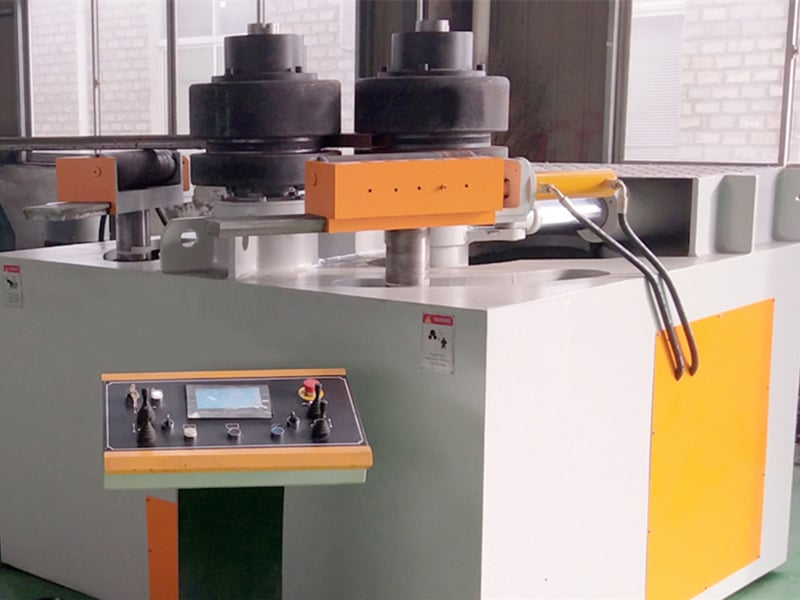
Explanation of Key Steps and Precautions for Operating a Profile Bending Machine
I. No-Load Test Run
1. The no-load test run of the main drive and lifting drive should be conducted intermittently. Each cycle is 15 minutes, and the ratio of the single stroke running time of the main drive and lifting drive in each cycle is 2:1.
2. During a single auxiliary drive operation, the lifting and lowering processes should be repeated.
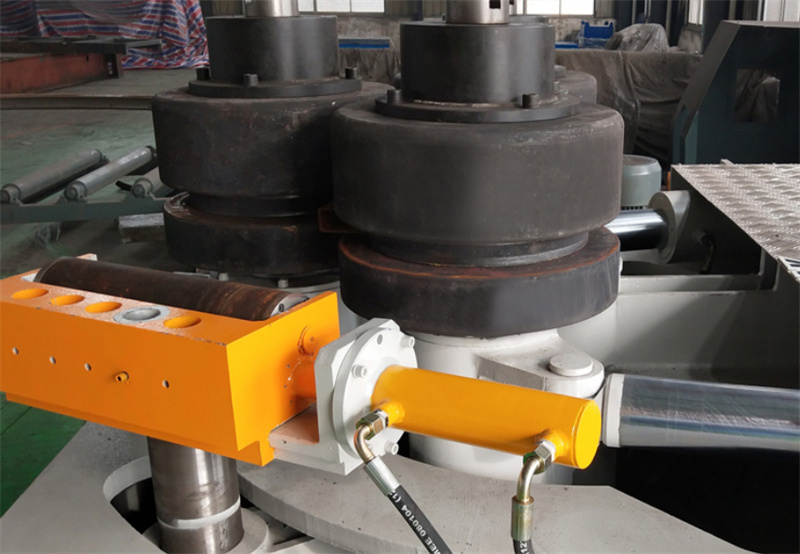
3. During a single main drive operation, the main roller die should contact the side roller die to rotate. The forward and reverse rotation times should each account for half of the time.
II. Load Testing
1. Load testing can only be performed after a normal no-load test.
2. The machine must be well-lubricated to operate normally.
3. Cut the material according to the relevant profile parameters specified in the basic parameter table, flatten it, and pre-bend the ends of the sheet to the specified diameter.
4. Roll the sheet into circular workpieces of the specified diameter in stages, according to the operator's skill level.
5. Load testing should meet the relevant performance specifications in the basic parameters.
6. During loading and operation, the transmission system should be smooth, without impact or abnormal noise.
7. During rolling, the side rollers can only be raised or lowered after the main drive has stopped. The profile must move with the rollers, and there should be no slippage.
8. For unloading, the side rollers should be lowered after the machine has stopped before the workpiece can be removed.
9. The working system and operating system should be flexible, accurate, and reliable. The rollers must not wobble, and the temperature of each bearing must not exceed 80℃.
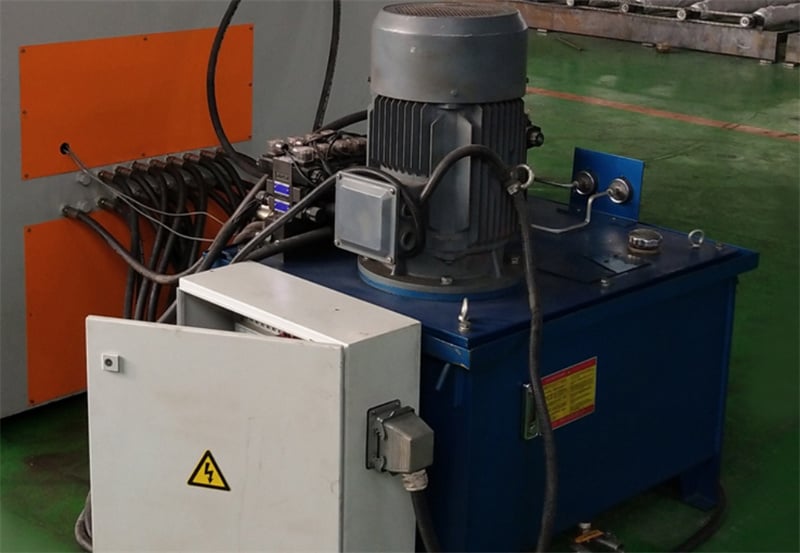
10. The machine's working mechanism and operating mechanism should be coordinated and operate flexibly without abnormal noise or jamming. 11. During use, the oil supply to each lubrication point should be checked frequently to ensure sufficient oil supply. The reducer oil level should be maintained at the specified level.
12. If any abnormal noise, impact, vibration, or oil leakage is detected, the machine should be stopped immediately for inspection. Normal operation can only be resumed after the abnormality has been rectified. When repairing the hydraulic system, take strict precautions to prevent high-pressure oil spray from causing injury.
13. During use, all transmission mechanisms and connecting parts should be checked frequently to ensure they are not loose or damaged.

