Toru painutusmasinatel kuluvate osade vahetuse tsükli kohta küsitakse mind sageli: miks kasutavad mõned tehased neid aasta, samas kui teistel tuleb neid vahetada juba kolme kuu pärast? Masinamudelid on sarnased ja torude spetsifikatsioonid võrreldavad, kuid kuluvate osade eluiga erineb nii palju. Selle põhjused tuleb analüüsida mitmest vaatenurgast.
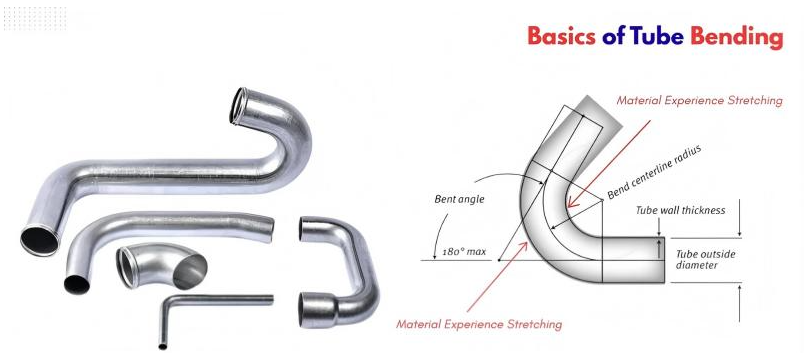
Tootmisintensiivsus on suurim muutuja.
Sellest, kas toru paindemasin töötab päevas ühte või kolme töövahetust, sõltub oluliselt kulutusosade nõgusumine. Pidevalt töötavates masinates on mandrel, vorm ja kinnitusplokid pidevalt hõõrdumise ja koormuse all. Sooja kogunemine ja korduv koormus kiirendavad materjali väsimust. Isegi sama kvaliteediga vormi puhul lüheneb eluiga oluliselt lühikeste tsüklite ja väikese pausi tingimustes. Seega tuleb vahetustsükkel arvutada tööaegu lähtudes, mitte lihtsalt suvaliselt kalendriaegu lähtudes.
Toru materjali omadused määravad otseselt selle nõgusumise kiiruse.
Rõhutatud terase, kõrgtugevusega terase ja paksuseinalised torud teevad oluliselt suuremat hõõrdumist ja jõudu kui madala süsiniku sisaldav teras ja alumiiniumtorud. Painutamisel mõjuvad need jõud otse mandrelile ja matrissile, mis põhjustab olulise erinevuse nende kuluvuskiirustes. Kui teie tootmises vahetatakse materjale sageli, tuleb regulaarselt kontrollida kahjustumisohus olevate osade seisukorda – alumiiniumi painutamiseks optimeeritud konfiguratsiooni kasutamine roostevabast terasest torude painutamiseks viib tõenäoliselt eluiga oluliselt lühendama.
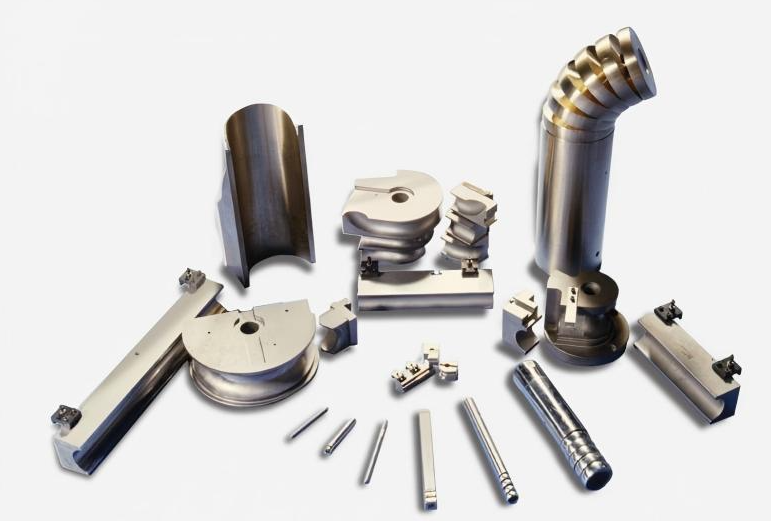
Matrissi materjal ja pinna töötlemine on samuti väga olulised.
Kõvastatud terasest ja sulamitoodetest ning pinnakatteid, nagu nitreerimine ja kromplaatmine, kasutamine vähendab oluliselt nõude kulumiskindlust. Kõrgema kvaliteediga nõude ostmisel on esialgne hind küll kõrgem, kuid pikemad vahetamistsüklid tähendavad vähemat seiskumist ja väiksemat jäätmete osakaalu, mis sageli kompenseerib esialgse hinnavahe. Halvema kvaliteediga nõud on odavamad, kuid nad kuluvad kiiresti ja andvad ebakindlaid painde tulemusi, mistõttu on nende kasutamine pikaajaliselt majanduslikult ebaefektiivne.
Paigaldusjoonduse ja sobivuse täpsus võib vaikimisi lühendada tööriista eluiga.
Mandrela või nõu ja paindemistelje vaheline valejoondus põhjustab ebavõrdset kokkupuudet ja kiirendatud kohalikku kulutust. Sellest tulenevad pinnakahjustused ja isegi tööriista murdumine. Sobivuse kontroll iga vahetuse või hoolduse järel aitab vältida tööriista ebavajalikku kahjustumist.
Protsessiparameetrite seadistused on samuti muutuja.
Liialt suur paindemäär, liialt suur kinnitumisjõud ja vale südamiku asend kiirendavad kulumist. Õigesti seadistatud parameetrid tagavad pikema tööriista eluea; vale seadistus võib samadel tingimustel oluliselt vähendada eluiga. Nende parameetrite optimeerimine on üks tõhusamaid viise, kuidas pikendada kahjustuvate osade eluiga ilma täpsuse kaotamiseta. Sobivalt väiksem paindemäär tagab sageli pikema matrissi eluea ja ühtlasema toote kvaliteedi.
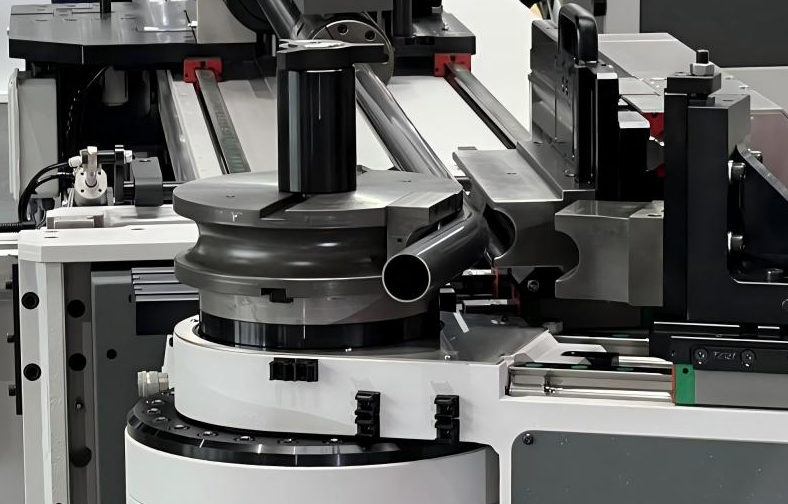
Lubrikatsiooni ja hoolduse vaheline erinevus on sageli alahinnatud.
Õige lubrika kasutamine vähendab hõõrdumist, reguleerib temperatuuri ja kaitseb tööriista pinda. Õige lubrika kasutamine ja selle ühtlane rakendamine tagavad stabiilse ja kontrollitava kulutusmustri. Paljud varajased tööriistade vahetused tulenevad lõppkokkuvõttes ebapiisavast lubrikatsioonist. Regulaarsed kontrollid on samuti olulised – väikesed pragud, pinna sirgumised ja ebatavalised vibreerimised on kõik varajased hoiatusmärgid. Kui neid avastate, tuleb nendega kohe tegeleda ning mitte lubada neil areneda suurteks rikeks.
Operaatori oskusaste ja protsessi ühtlus mõjutavad samuti.
Kogenud operaatorid teavad, kuidas parameetreid seadistada, suudavad tuvastada ebatavalisi helisid ja takistust ning kohandada neid viivitamatult. Erinevate vahetuste vahelised ebakorrapärased seadistused põhjustavad sageli ebavõrdselt kulunud tööriistu ja lühemaid vahetusperioode. Standardiseeritud seadistusprotseduurid ja operaatorite koolitus aitavad oluliselt kaasa tööriistade eluea pikenedamisele.
Lühidalt öeldes pole tõeliselt tõhusa kuluvate osade asendusstrateegia keeruline: kirjutage üles iga asenduse aeg, vastav tööaeg, töödeldav materjal ja toru läbimõõt. Pärast mitme tsükli andmete kogumist näete loomulikult mustrit – millised töötingimused põhjustavad pikemaid eluiga ja millised lühemaid eluiga. Seejärel kohandage asendusintervalle tegelikest oludest lähtudes, mitte järgides kõvasti seadistatud väärtusi, mis on kirjas seadme kasutusjuhendis. Tehke ise arvutused – see on veenvam kui ükskõik milline parameeter.