





Γιατί τα προβλήματα θερμοκρασίας στις μηχανές κάμψης σωλήνων οδηγούν σε ελαττώματα κάμψης;
Η θερμοκρασία είναι μια παράμετρος που συχνά παραβλέπεται εύκολα κατά την κάμψη σωλήνων. Είτε πρόκειται για τη θερμοκρασία του ίδιου του σωλήνα, είτε για τη θερμοκρασία λειτουργίας του υδραυλικού συστήματος και της μήτρας, κάθε απόκλιση από το φυσιολογικό εύρος θα προκαλέσει απευθείας ελαττώματα κάμψης. Τα παρακάτω είναι οι κύριοι μηχανισμοί και τα τυπικά προβλήματα που σχετίζονται με την επίδραση της θερμοκρασίας στην ποιότητα της κάμψης σωλήνων.
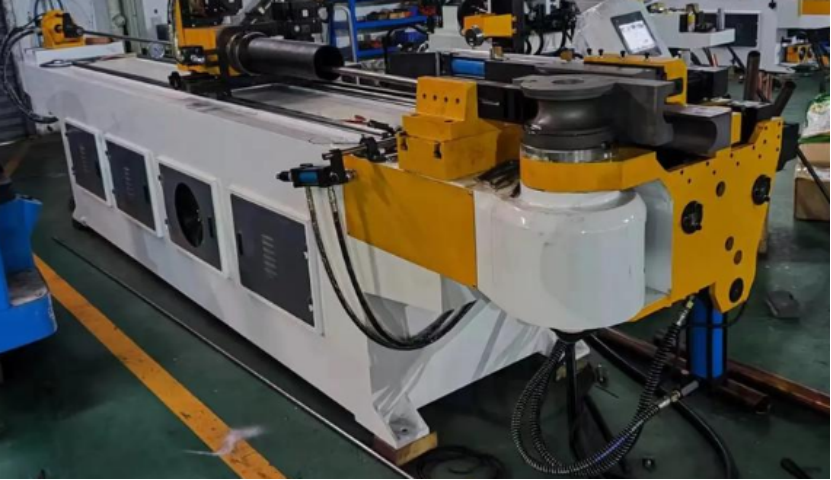
1. Χαμηλή θερμοκρασία σωλήνα → Εξωτερικές ρωγμές
Όταν η θερμοκρασία περιβάλλοντος είναι χαμηλή (ειδικά τον χειμώνα), η πλαστικότητα υλικών όπως ο ανθρακούχος χάλυβας και ο ανοξείδωτος χάλυβας μειώνεται σημαντικά, ενώ μειώνεται επίσης και η επιμήκυνσή τους. Εάν γίνει κάμψη χωρίς προθέρμανση, η ζώνη εφελκυσμού στο εξωτερικό του σωλήνα είναι ευάλωτη στο να υπερβεί το όριο παραμόρφωσης, με αποτέλεσμα τη δημιουργία μικρορωγμών ή ακόμη και διαπεραστικών ρωγμών. Αυτό αποτελεί ένα από τα πιο συνηθισμένα ελαττώματα κατά την περίοδο χαμηλών θερμοκρασιών.
Τυπική εκδήλωση: Εμφανίζονται μικρές και πυκνά κατανεμημένες ρωγμές στο εξωτερικό της κάμψης· σε σοβαρές περιπτώσεις, παρατηρείται διάσπαση του τοιχώματος του σωλήνα.
2. Ανώμαλη θερμοκρασία υδραυλικού λαδιού → Ασταθής γωνία, ρυτίδωση
Το υδραυλικό σύστημα αποτελεί την πηγή ενέργειας της μηχανής κάμψης σωλήνων, ενώ η θερμοκρασία του λαδιού επηρεάζει άμεσα την απόκριση του συστήματος και την εξερχόμενη δύναμη:
Χαμηλή θερμοκρασία λαδιού (<15 ℃η ιξώδες του υδραυλικού λαδιού είναι πολύ υψηλό, με αποτέλεσμα υψηλή αντίσταση ροής, αργή κίνηση του βραχίονα κάμψης και φαινόμενο «κρεπαρίσματος». Η ταχύτητα κάμψης διακυμαίνεται, οδηγώντας σε ανομοιόμορφη παραμόρφωση του υλικού, ενώ σχηματίζονται εύκολα κυματιστές ρυτίδες στην εσωτερική πλευρά.
Υψηλή θερμοκρασία λαδιού (>55 ℃): Το λάδι αραιώνεται, αυξάνοντας τις εσωτερικές διαρροές στο σύστημα και μειώνοντας την πραγματική δύναμη κάμψης. Ταυτόχρονα, οι σφραγίδες γηράσκουν ταχύτερα και οι διακυμάνσεις πίεσης εντείνονται. Ως αποτέλεσμα, επιτυγχάνεται κακή επαναληψιμότητα στις γωνίες κάμψης και δυσκολία ελέγχου της ελαστικής ανάκαμψης (springback).
Τυπικές εκδηλώσεις: Μεγάλες αποκλίσεις γωνίας εντός της ίδιας παρτίδας σωλήνων και ακανόνιστες ρυτίδες στην εσωτερική πλευρά της κάμψης.
3. Υπερθέρμανση λόγω τριβής μεταξύ της μήτρας και του σωλήνα → Γρατσουνιές στην επιφάνεια και πρόσφυση υλικού
Κατά τη συνεχή κάμψη σωλήνα με υψηλή ταχύτητα, η ολίσθηση τριβής μεταξύ του σωλήνα και της μήτρας παράγει μεγάλη ποσότητα θερμότητας. Εάν η λίπανση είναι ανεπαρκής ή η ψύξη ανεπαρκής, η θερμοκρασία της επιφάνειας επαφής μπορεί να ανέλθει πάνω από 100 ℃, με αποτέλεσμα:
Διάσπαση του λιπαντικού φιλμ στην κάμψη, άμεση επαφή μετάλλου με μέταλλο και γρατζουνιές στην επιφάνεια του σωλήνα.
Τοπική εξασθένιση της επιφάνειας της μήτρας, με αποτέλεσμα το υλικό του σωλήνα να «κολλά» στην κοιλότητα της μήτρας, σχηματίζοντας ακμή συσσώρευσης (built-up edge), η οποία προκαλεί περαιτέρω γρατζουνιές σε επόμενους σωλήνες.
Τυπικές εκδηλώσεις: Εμφανίζονται ευρείες αξονικές γρατζουνιές στην εξωτερική ή εσωτερική πλευρά της κάμψης, καθώς και συσσώρευση μετάλλου στην εργαζόμενη επιφάνεια της μήτρας.
4. Τοπική υπερθέρμανση του σωλήνα (π.χ. κάμψη με επαγωγική θέρμανση) → Λεπταίνοντας του τοιχώματος και ρυτίδωση
Ορισμένες διαδικασίες χρησιμοποιούν τοπική θέρμανση για να διευκολύνουν την κάμψη. Εάν η θερμοκρασία θέρμανσης είναι υπερβολικά υψηλή (υπερβαίνει τη θερμοκρασία ανακρυστάλλωσης του υλικού) ή η ζώνη θέρμανσης είναι υπερβολικά ευρεία, η πλευρά του σωλήνα υπό πίεση θα μαλακώσει υπερβολικά, οδηγώντας σε αστάθεια και ρυτίδωση ακόμη και υπό σχετικά μικρή θλιπτική τάση. Ταυτόχρονα, η μείωση του πάχους του τοιχώματος στην πλευρά εφελκυσμού θα ενταθεί.
Τυπικές εκδηλώσεις: Πυκνές, μεγάλες ρυτίδες εμφανίζονται στην εσωτερική πλευρά της κάμψης, ενώ το πάχος του εξωτερικού τοιχώματος μειώνεται σημαντικά ή ακόμη και ραγίζει.
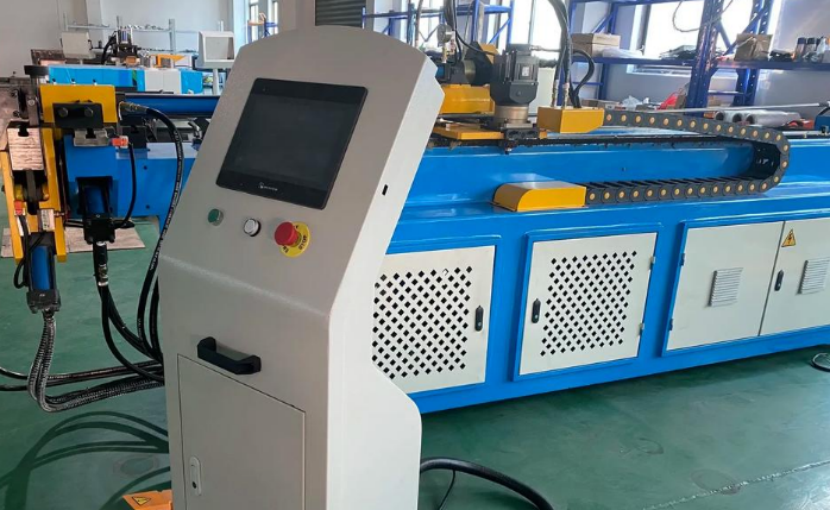
Συστάσεις για τον Έλεγχο της Θερμοκρασίας
Προθέρμανση Σωλήνων: Πριν από την επεξεργασία τους τον χειμώνα, αποθηκεύστε τους σωλήνες στο εργαστήριο για 24 ώρες για να θερμανθούν, ή προθερμάνετέ τους σε θερμοκρασία άνω των 15 ℃ με συσκευή θέρμανσης (ιδιαίτερα για υψηλής αντοχής χάλυβα και ανοξείδωτο χάλυβα).
Διαχείριση Θερμοκρασίας Λαδιού: Μετά την εκκίνηση της μηχανής, λειτουργήστε την χωρίς φορτίο για 5–10 λεπτά για προθέρμανση του υδραυλικού λαδιού· κατά τη διάρκεια συνεχούς επεξεργασίας υπό βαρύ φορτίο, ενεργοποιήστε το ψυγείο λαδιού για να διατηρήσετε τη θερμοκρασία του λαδιού μεταξύ 35–50 ℃.
Λίπανση και Ψύξη: Χρησιμοποιήστε ειδικό λάδι για κάμψη σωλήνων ανθεκτικό σε υψηλές θερμοκρασίες, προκειμένου να διασφαλίσετε τη δημιουργία συνεχούς λιπαντικής μεμβράνης στην επιφάνεια της μήτρας· για κάμψη σωλήνων με υψηλή ταχύτητα και συνεχώς, μπορεί να εγκατασταθεί σύστημα μικρο-ψύξης (ψύξη με αέρα ή ψύξη με ατμό λαδιού).
Εργαλεία Παρακολούθησης: Εγκαταστήστε θερμόμετρο υπέρυθρων ή θερμοζεύγος για να παρακολουθείτε σε πραγματικό χρόνο τη θερμοκρασία της επιφάνειας της μήτρας και των σωλήνων. Εάν η θερμοκρασία υπερβεί το καθορισμένο όριο (π.χ. μήτρα > 80 ℃), μειώστε την ταχύτητα ή σταματήστε τη μηχανή για απομάκρυνση της θερμότητας.
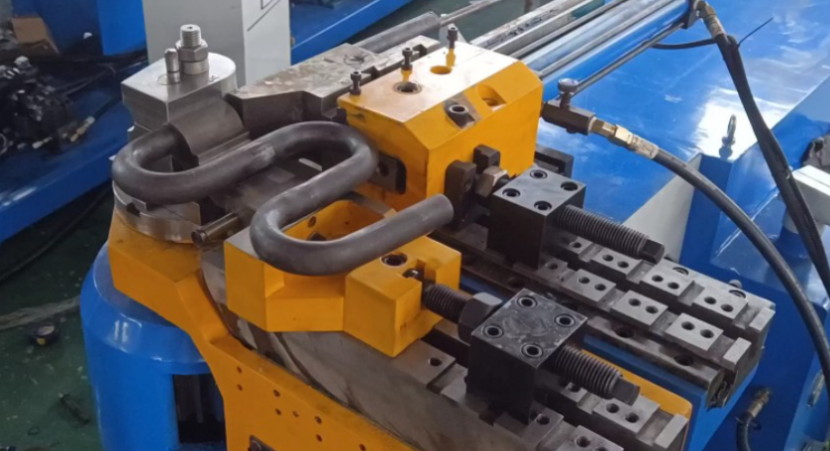
Η θερμοκρασία δεν είναι δευτερεύοντα παράγοντας στη διαδικασία κάμψης σωλήνων, αλλά κρίσιμος παράγοντας που καθορίζει την επιτυχία ή την αποτυχία. Η κατάλληλη ρύθμιση της θερμοκρασίας μπορεί να μειώσει σημαντικά ελαττώματα όπως ρωγμές, ρυτίδες και γρατσουνιές.

