





How to troubleshoot motor overheating in a pipe-bending machine?
Motor overheating is a common issue in pipe-bending machines. It might start as a slightly elevated temperature—something easily overlooked—but if left unaddressed until the motor begins to smoke or the windings burn out, the resulting downtime for repairs will be far more than a quick fix. Outlined below are the common causes of overheating and the corresponding troubleshooting steps; by following this sequence, you should be able to identify the source of most problems.
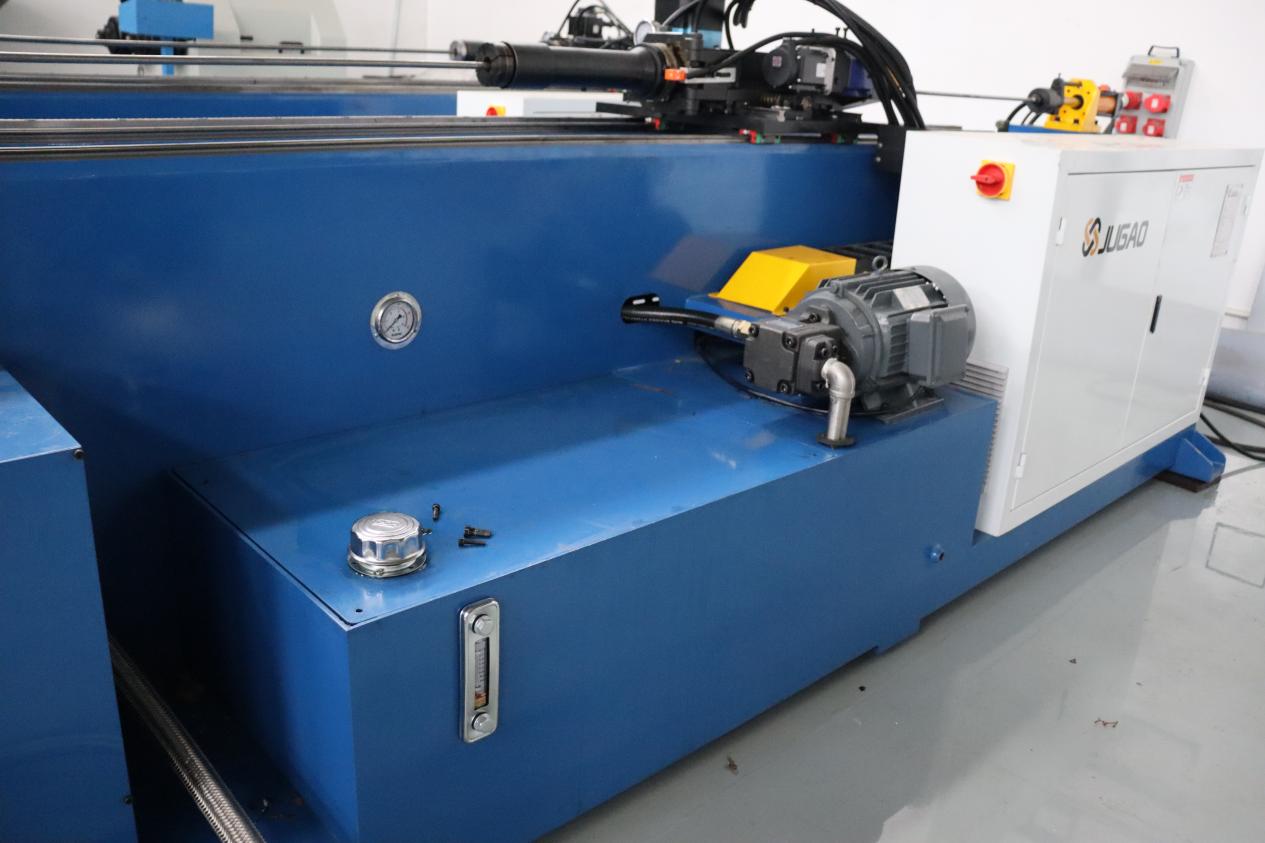
I. First, Confirm Whether It Is Actually Overheating
Use an infrared thermometer to measure the temperature of the motor housing, or check the readings from the equipment’s built-in temperature sensors. Compare these against the normal operating range specified in the equipment manual. If the temperature exceeds the permitted limit or continues to rise, the motor is overheating and requires attention.
Different motors have different temperature tolerance ratings; do not simply assume a motor is overheating just because it feels hot to the touch—rely on data.
II. Excessive Load Is the Most Common Cause
If a pipe-bending machine’s motor operates beyond its rated capacity for an extended period, the current will increase, inevitably leading to a rise in temperature.
Check the specifications of the pipes being bent—such as diameter, wall thickness, and material strength—to ensure they do not exceed the equipment’s rated limits. Frequent starting and stopping, or continuous bending of pipes with large curvatures, can also keep the motor under a heavy load for long periods.
Solution: Ensure that the processing specifications fall within the equipment’s capacity, while maintaining a safety margin. For high-volume or continuous operations, allow for periodic breaks to let the motor cool down.
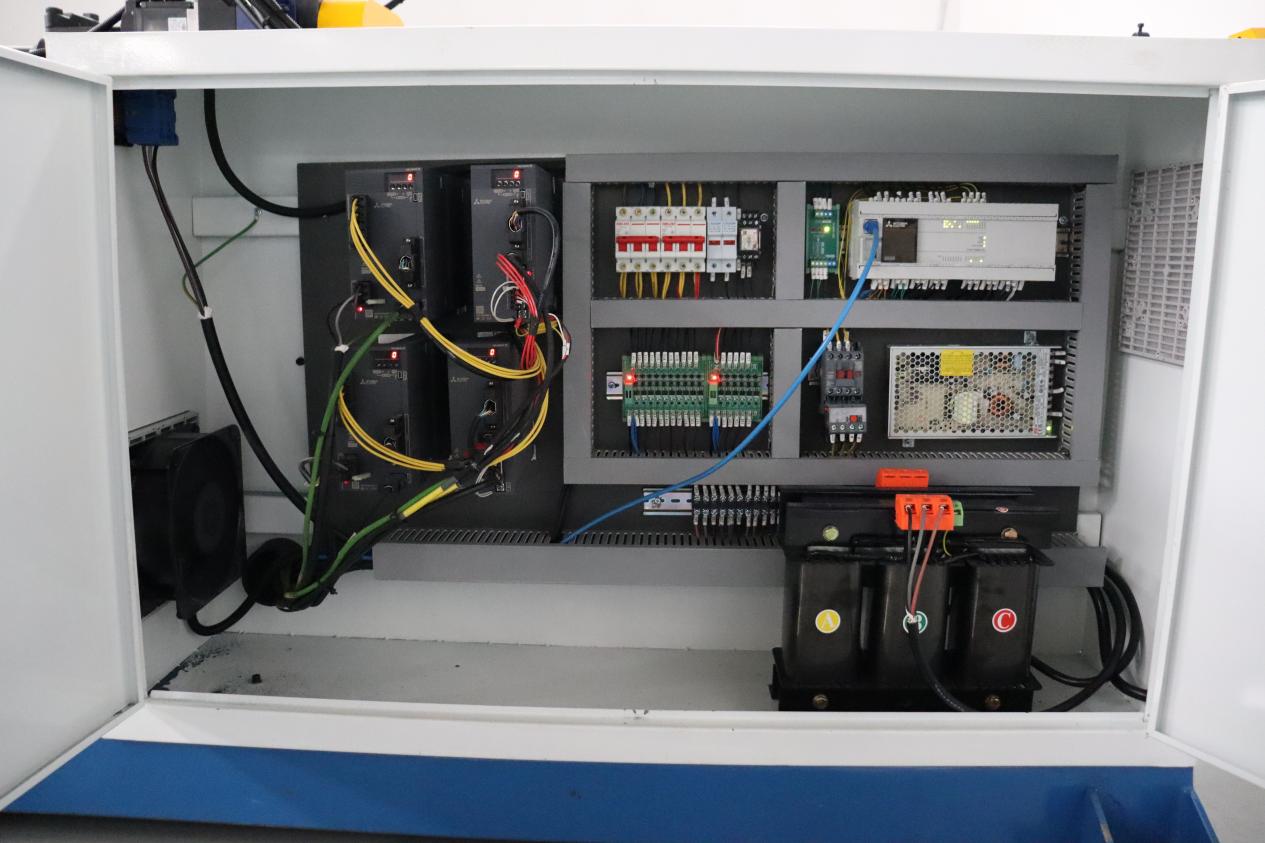
III. Failure of the Cooling System
Motors rely on fans and ventilation ducts for cooling. If fan blades are damaged, air ducts are clogged with dust or metal shavings, or the motor surface is covered in a thick layer of oil and grime, cooling efficiency will drop.
Check whether the fan is rotating properly and listen for any unusual noises. Clean dust and oily residue from the motor housing, fan shroud, and cooling fins. If the workshop environment is dusty, increase the frequency of cleaning. If the installation space has poor ventilation, consider adding forced-air cooling or improving the overall workshop ventilation.
IV. Abnormal Power Supply Voltage
If the voltage is too low, the motor will draw more current to maintain its output torque; if the voltage is too high, iron losses will increase. In the case of a three-phase motor, a "lost phase" (single-phasing) or an imbalance between the three phases will cause a sharp spike in current in the remaining phases. All of these conditions lead to overheating.
Use a multimeter to measure the input voltage and ensure it remains within ±10% of the rated value. For three-phase motors, verify that all three phases are balanced and that no phase is missing. Loose wiring terminals or oxidized contactor contacts can also increase contact resistance, leading to localized heating.
V. Issues with the Motor Itself
Internal faults—such as aging of winding insulation, inter-turn short circuits, or bearing wear leading to the rotor rubbing against the stator—can also cause overheating.
Diagnostic methods: After disconnecting the power, measure the insulation resistance of the windings; a reading below the standard value indicates an insulation problem. Manually rotate the motor shaft to check for any sticking or abnormal resistance. During operation, listen for any unusual noises coming from the bearings.
Internal faults generally require professional repair or replacement of the motor, as they are difficult to address on-site.
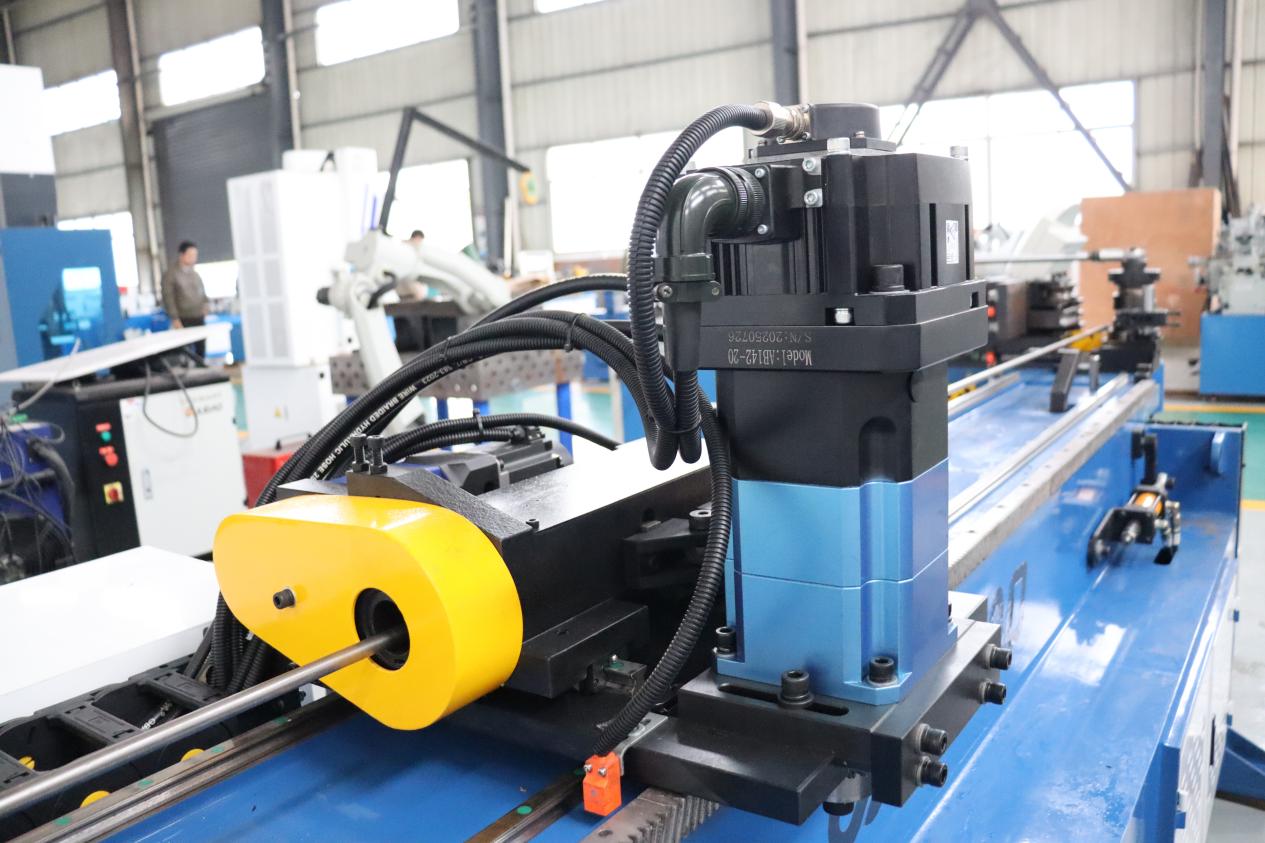
VI. Improper VFD Parameter Settings
If the pipe-bending machine is driven by a variable-frequency drive (VFD), settings such as excessively short acceleration/deceleration times, overly high torque boost, or an excessively high carrier frequency can cause additional motor losses and increased heat generation.
Verify that the VFD parameters are appropriate for the actual operating conditions. Extend the acceleration and deceleration times as needed, and ensure that the torque boost is not set too high.
Troubleshooting Sequence
First, measure the temperature to determine the severity of the overheating → check if the processing specifications exceed the motor's capacity → clean the cooling system → measure the supply voltage and three-phase balance → inspect the terminal connections → and finally, consider internal motor faults or variable-frequency drive (VFD) parameter settings.
Preventive Measures
Inspect the motor cooling fan and air ducts monthly, and remove any accumulated dust. Every quarter, check that the terminal connections are secure and verify the balance of the three-phase voltage. Avoid prolonged operation under overload conditions, and ensure a safety margin within your processing specifications. For equipment driven by a VFD, document the parameter settings and avoid making arbitrary changes.
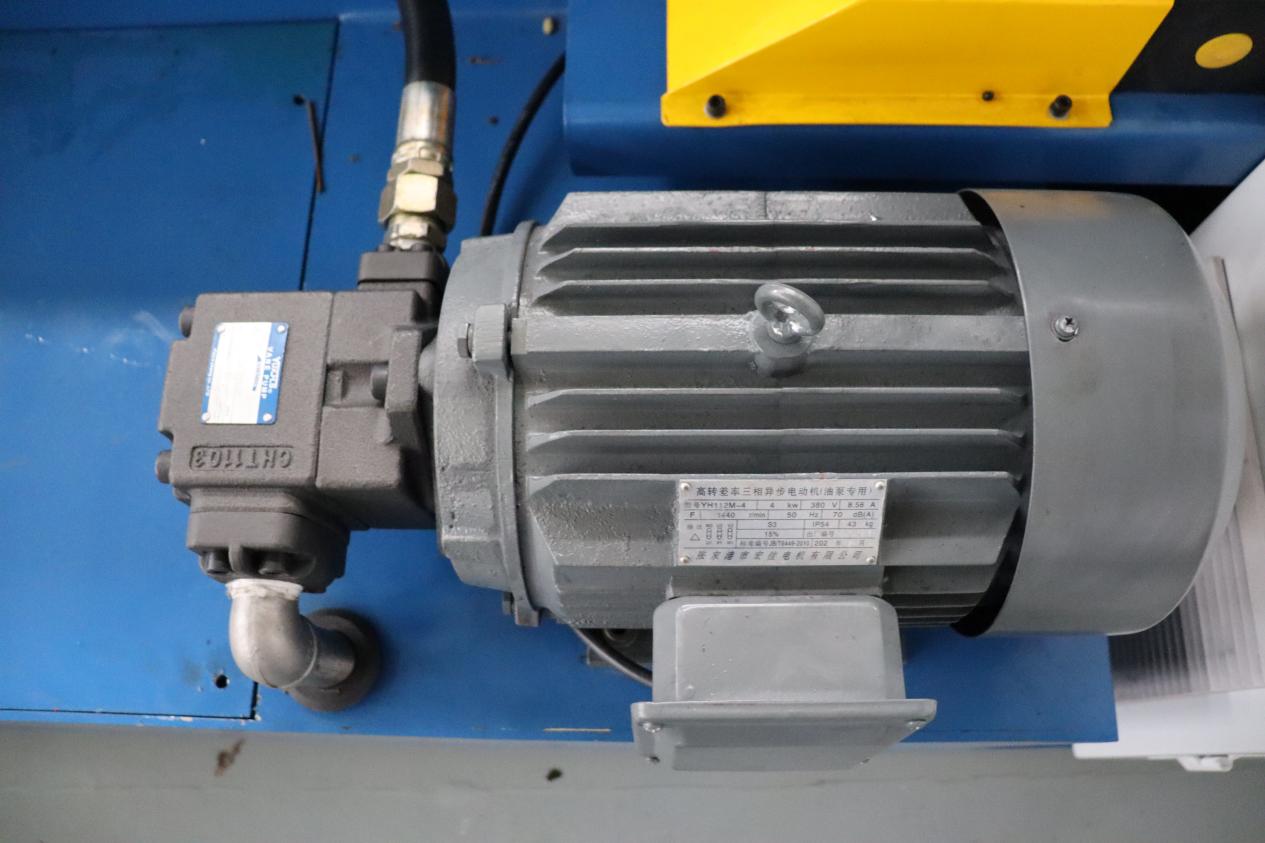
If motor overheating is left unaddressed, the insulation of the windings will age prematurely, eventually leading to a burnout. Early detection and prompt troubleshooting will significantly reduce repair costs.

