





What Makes Packaging Punching Presses So Efficient?
Speed, accuracy, and repeatability decide whether a modern packaging line stays competitive. Presses made for packaging deliver exactly that by shaping precise cuts, holes, and outlines in cardboard, plastic, and sheet metal. If you would like to learn how these machines let manufacturers produce more, lose less material, and keep quality steady, you have landed in the right spot. I run through how punching equipment works in packaging, the setup routine, the value it adds, and the questions buyers ask most. When you finish, you will see why such presses are nearly impossible to replace for efficient packaging output.
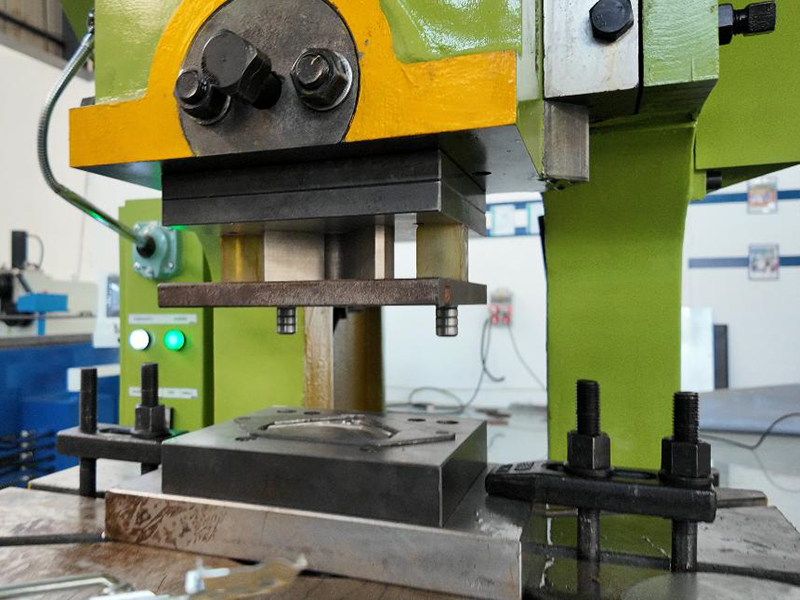
How Presses Streamline Packaging Output
Punching presses turn up across many packaging lines to keep work moving. They handle the cutting and shaping that would otherwise need hands-on effort, which raises output speed. With solid tooling and dependable control systems, the machine reproduces each part with equal accuracy.
Where Packaging Presses Are Put to Use
Cartons and Cardboard
These presses form neat windows, slots, and openings in cartons, which works well for products that should be visible or easy to reach.
Plastics and Blister Trays
For blister packs and clamshell cases, the press cuts uniform holes and shapes so the package stays secure and looks clean.
Metals and Foils
In food and pharmaceutical lines, punching equipment works on thin metal sheets and foil so they seat correctly with the surrounding packaging parts.
Setting Up a Punching Press for Packaging
Step 1 - Prepare the Work Area
I start by making sure the bench is neat and unobstructed. Clearing away loose bits lowers the risk of damage to the press or the workpiece.
Step 2 - Install the Tooling
The correct punch and die depend on the material thickness and the package layout. I mount them tightly to prevent drift, since misalignment can ruin the cut quality.
Step 3 - Adjust Machine Settings
Once the tooling sits in place, I set the force, feed speed, and stroke travel to match the packaging task. Many newer presses include digital controls, so tuning is quicker and more precise.
Step 4 - Run Tests and Calibrate
I punch a handful of trial parts to confirm the outcome. If the cuts sit crooked or uneven, I retune the press until the results are uniform. Calibration pays off because it reduces discarded material and lifts throughput.
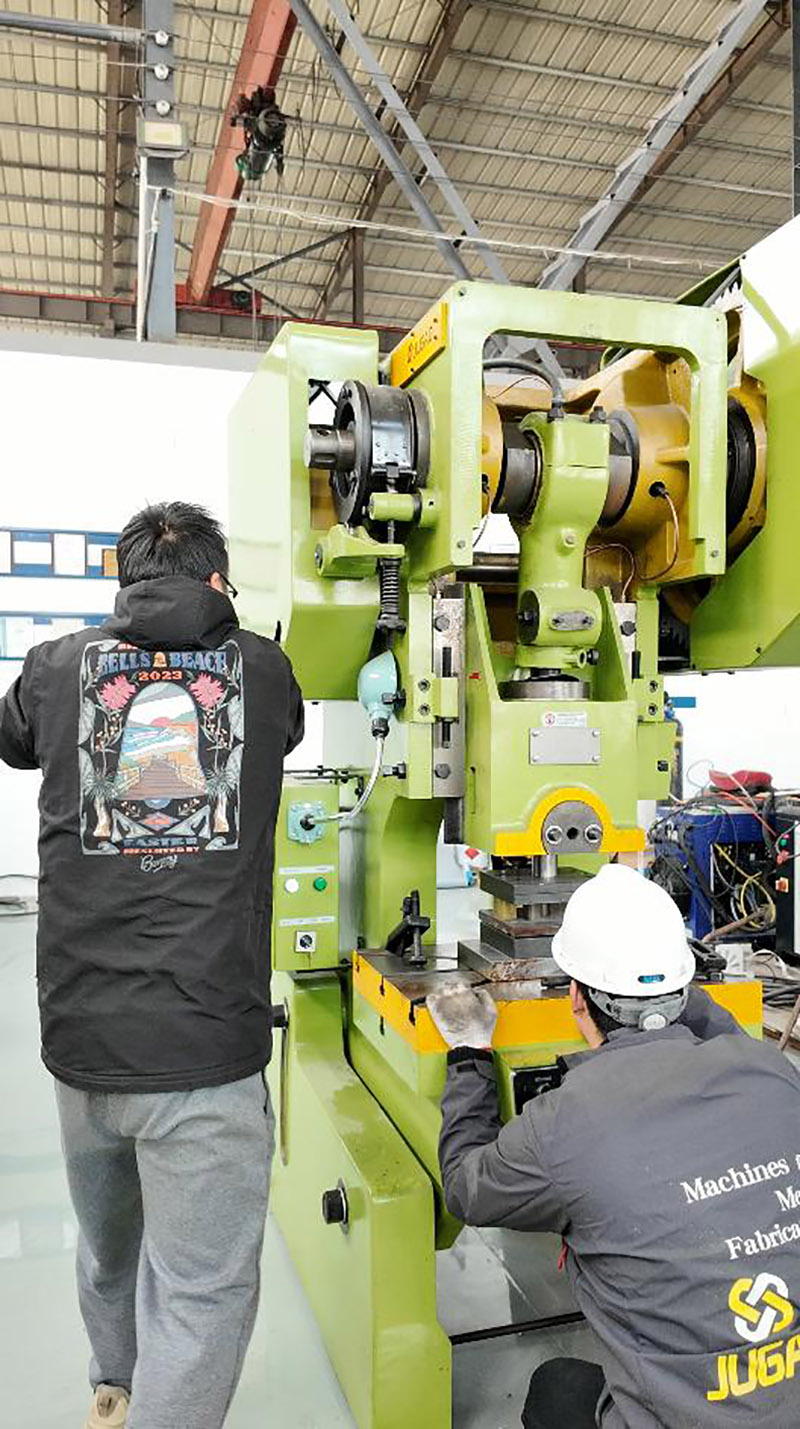
What Packaging Presses Deliver
Greater Throughput
By taking over the repeated motions, punching presses cut cycle time sharply and let makers handle larger order sizes with fewer hold-ups.
Steady Quality
Each cut and opening ends up identical, so the packaging fits as expected, protecting the brand image and the contents.
Lower Operating Cost
Needing less manual effort and wasting less stock, punching equipment trims the total expense of making packages.
Design Flexibility
Current presses accept a broad spread of package styles, from custom openings to detailed profiles, which suits many different markets.
Maintenance Advice for Packaging Punching Equipment
Regular Checks
I inspect the punch and die often so gradual wear cannot quietly undermine the cut quality.
Lubricating and Cleaning
Oiling the moving parts lowers friction and extends the life of the unit. A quick clean after each shift keeps everything running smoothly.
Planned Servicing
Booking service in advance and swapping worn pieces before they give out avoids surprise stoppages and keeps the line efficient.
Frequently Asked Questions
Why do packaging presses boost productivity?
They absorb the repetitive cutting work, quicken output, and hold every package to a uniform standard, which cuts idle time and scrap.
Which materials can these presses handle?
The equipment copes with corrugated board, plastic sheet, blister trays, foil, and other light metals that packaging firms rely on.
How frequently should calibration happen?
Calibrate ahead of every large run. Checking a few samples and fine-tuning keeps accuracy intact over the whole job.
Can they cope with bespoke packaging designs?
Certainly. With suitable tooling and settings, the press makes custom openings, slots, and windows, ideal for one-off package layouts.
Conclusion
Punching presses play a vital part in packaging by lifting efficiency, trimming cost, and locking in uniform quality. Set the unit up correctly, maintain it on schedule, and put its flexibility to use, and manufacturers can keep pace with today's packaging market. If you aim to improve your packaging line, investing in a dependable punching press is a sensible route to stronger results. For further detail or expert support, feel free to contact the JUGAO team; we are ready to help you optimize your production.

