





Floor-standing servo-driven follower supports for press brakes mitigate sagging during the bending of long sheets
The servo-driven front follower support is a key piece of auxiliary equipment for the automation upgrade of sheet metal bending processes. As a mainstream solution for this application, the floor-standing servo-driven follower unit moves in sync with the sheet's bending trajectory to support the workpiece, effectively mitigating issues such as sagging and deformation associated with bending long or thick sheets.
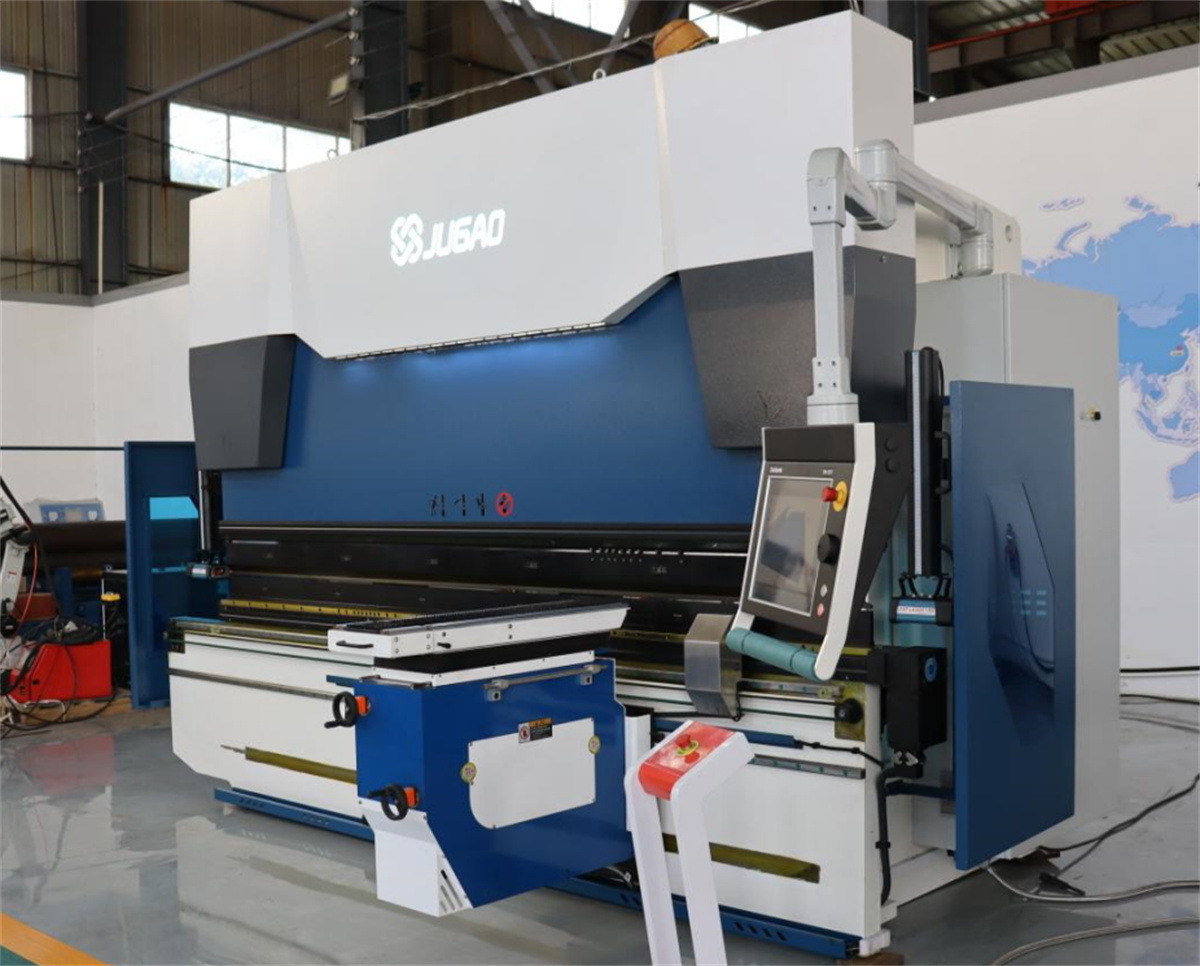
I. Working principle of the servo-driven front follower support
When bending long sheets, the material's own weight often causes the front end to sag; bending angle deviations and surface scratches have long been common pain points in sheet metal workshops. Utilizing a closed-loop servo control system, the follower support captures displacement signals from the press brake's ram in real-time. The support platform rises synchronously with the bending angle, continuously supporting the workpiece edge and counteracting the downward force caused by the sheet's weight.
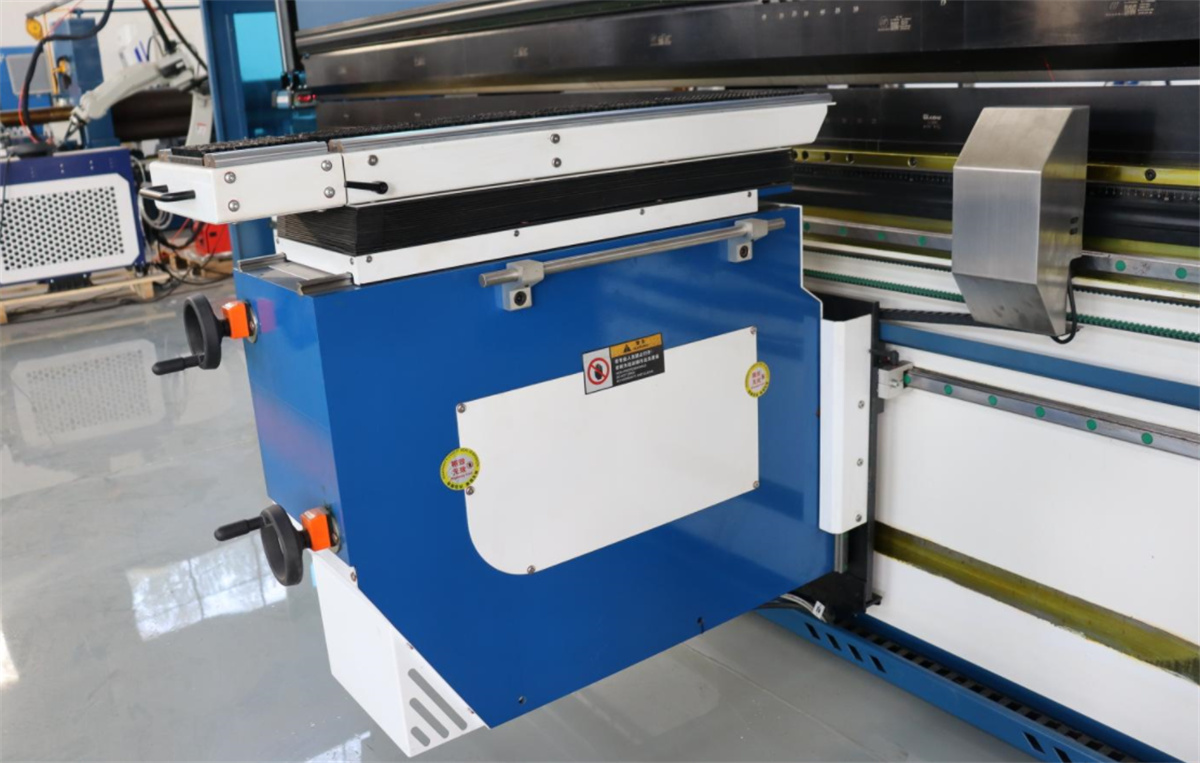
The floor-standing servo-driven follower unit is a standalone, mobile support system equipped with its own independent PLC control. It does not require major structural modifications to the existing press brake; signal integration is achieved simply by installing a displacement sensor. It is compatible with the vast majority of press brake models, including torsion-bar and electro-hydraulic synchronous types. Enterprises can retrofit existing equipment with this system to achieve a cost-effective upgrade to semi-automated bending operations.
II. Core structure and performance advantages of the floor-standing servo-driven follower unit
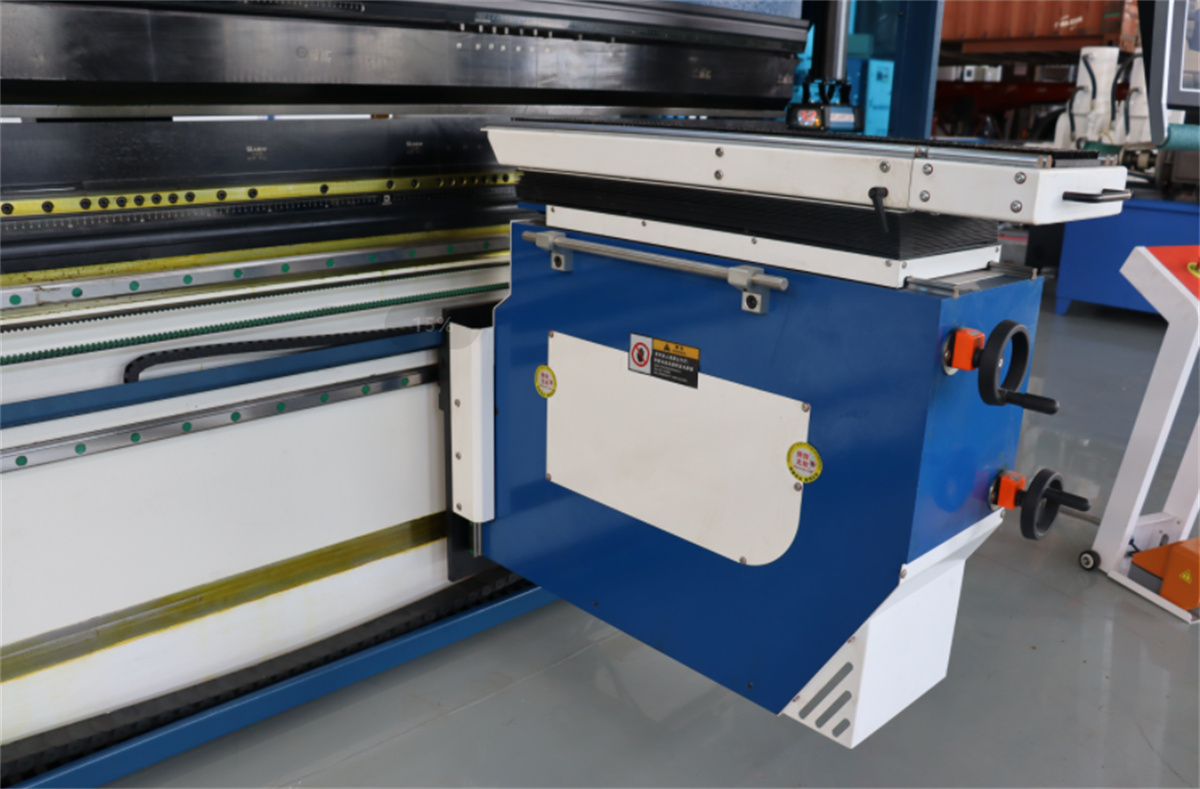
A fully developed servo-driven front follower support system typically comprises several key modules: a servo drive unit, a support platform, a mobile base, and an electronic control interface (HMI). The base is equipped with heavy-duty leveling casters (combining mobility and adjustable support feet); this allows for flexible relocation while ensuring rock-solid stability during operation—locking the feet in place prevents body sway or misalignment that could compromise bending precision.
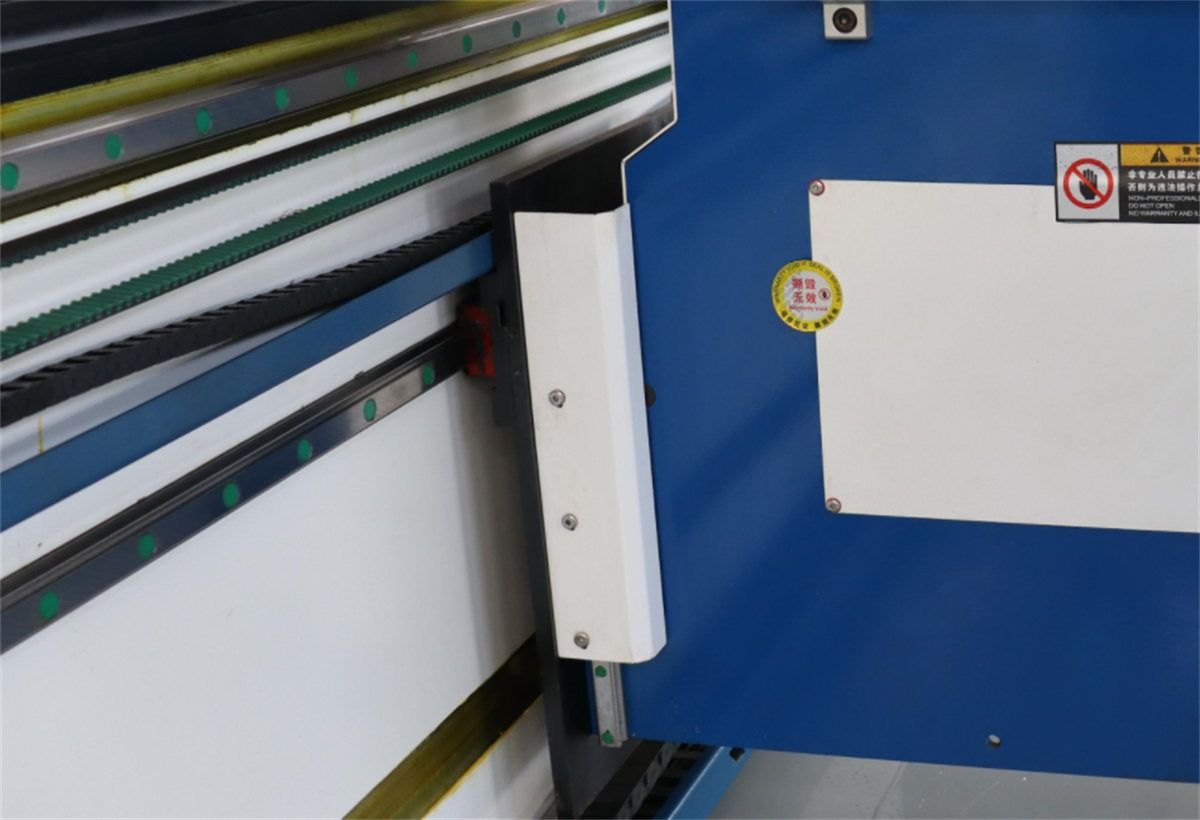
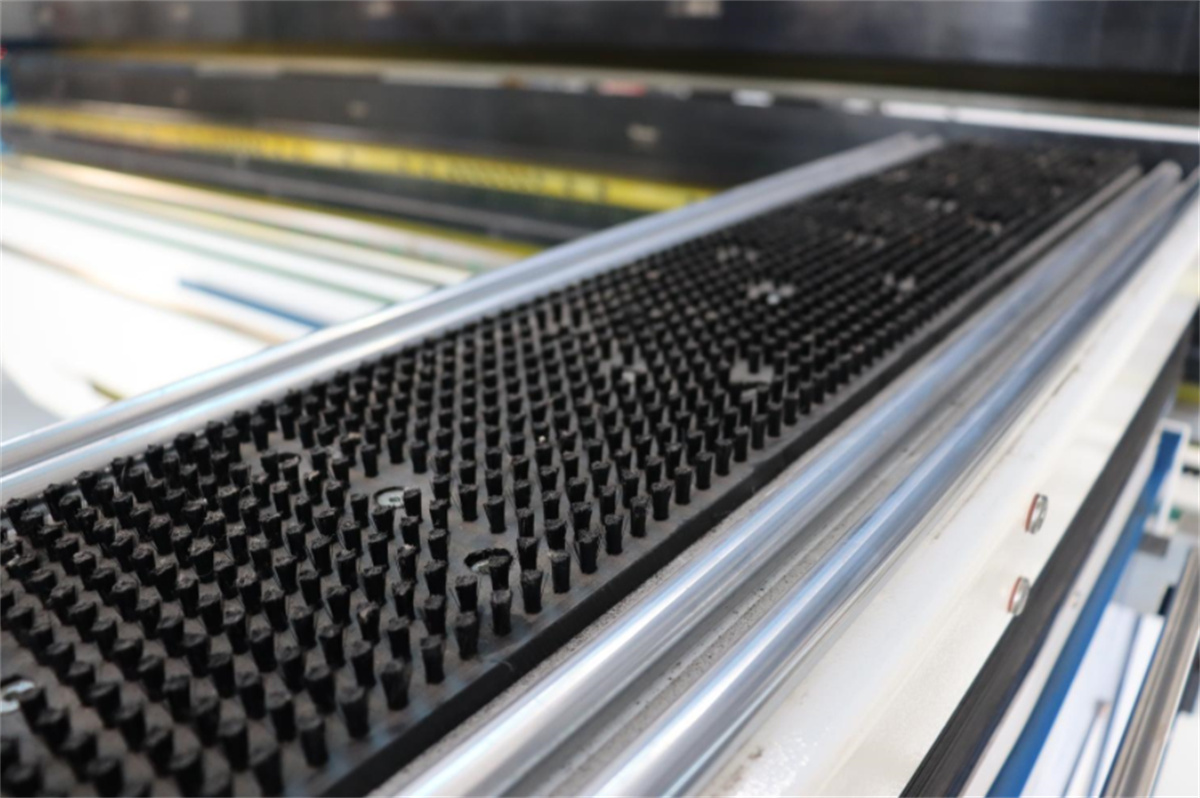
The support platform features universal ball transfers, allowing the workpiece to slide and rotate easily across the surface, thereby minimizing scratches on the sheet metal. Operators can use the touchscreen to select manual modes or preset programs, freely adjusting the flipping speed of the floor-standing servo follower unit based on the material type (stainless steel, carbon steel, or aluminum) and thickness. This ensures the follower's support action perfectly synchronizes with the bending rhythm, effectively reducing rework rates.
III. Practical Benefits of Servo Follower Support Units for Sheet Metal Factories
Traditionally, bending large sheets required at least two or three workers to lift the material, making it difficult to control the lifting force consistently. With the introduction of the servo follower support unit, a single operator can complete the bending process for large panels, directly saving on labor costs. The floor-standing servo follower unit is highly mobile; a single unit can serve multiple bending machines in the workshop in rotation, maximizing equipment utilization and reducing the financial burden of procurement.
Regarding safety, the floor-standing servo follower unit eliminates the need for manual support, thereby avoiding the risk of hand injuries caused by crushing between the upper and lower dies. The unit provides stable support for the sheet, resulting in more uniform bending angles. For high-precision sheet metal orders—such as enclosures, cabinets, elevator door panels, and curtain wall panels—using this follower unit significantly improves the consistency of finished product quality.
IV. Key Considerations for Selecting Servo Follower Support Units
When selecting a servo follower support unit, factories should prioritize models with independent control systems to prevent interference between the follower unit and the bending machine's main control system, thereby minimizing future electrical faults. Additionally, verify the unit's load capacity and table dimensions to ensure compatibility with the factory's standard material specifications, ensuring the equipment remains stable and resistant to deformation when handling heavy sheets.
After-sales service and installation/commissioning capabilities are also crucial; on-site installation, operator training, and ongoing maintenance directly impact the unit's ability to operate reliably over the long term.
Overall, for sheet metal enterprises seeking a cost-effective way to automate the bending process, a servo-driven front support system for bending machines represents a high-value solution; specifically, floor-standing servo-driven support units—characterized by high compatibility, mobility, and ease of installation—have become the preferred choice for many sheet metal processing plants looking to upgrade their operations.

