





Dövranlı valyutun keyfiyyətini necə qiymətləndirmək olar? Bu, brend haqqında deyil, bu beş cəhət haqqındadır
Dövranlı valrollerin qiyməti milyonlarla, hətta onlarla milyon yuan təşkil edir. Səhv valrol almaq sadəcə geri qaytarmaqla həll olunmur; bu, bütün istehsal xəttini təsirləyə bilər. Valrolun keyfiyyətini qiymətləndirmək üçün bu beş sahəyə diqqət yetirin.
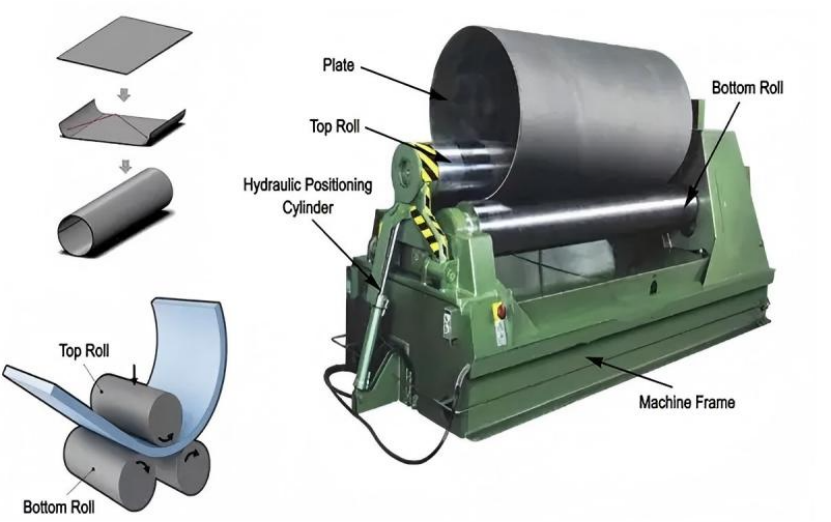
1. Həndəsi dəqiqlik: Zəif əsas qeyri-sabitliyə səbəb olur
Dövran çərçivəsi — val rollinq maşınının skeletidir. Kifayət qədər sərtlik olmaması halında valın aşağı basılması zamanı maşının bədənində deformasiya baş verir və bu da lövhənin qalınlığı toleransını idarə etməyi mümkün etmir. Yüksək səviyyəli bir val rollinq çərçivəsinin kifayət qədər sərtliyə malik olması və işləmə, habelə ötürücü tərəflərdə sərtlik sapmalarını idarə edə bilməsi, böyük val dövran momentlərinə və azalmalara davam gətirməsi üçün zəruridir.
Xüsusi olaraq, bu əsas göstəricilərə diqqət yetirin:
Val aralığının paralelliyi: İş valı ilə dayaq valının oxları arasındakı paralellik xətası ≤ 0,02 mm/metr
Val radial yuvarlanma səhvi: İş valı ≤ 0.015mm
Əgər bu tip 20-valı millin məntiqli strukturu və yüksək çərçivə sərtliyi varsa, lent qalınlığı dəqiqliyi 0,001 mm-ə çata bilər.
Qəbul testi zamanı bu məlumatlardan sübut kimi istifadə edin, yalnız istehsalçının iddialarına inanmayın.
2. Val keyfiyyəti: Bitmiş məhsulun keyfiyyətini birbaşa müəyyən edir
Valrollar materialla birbaşa təmasda olan komponentlərdir. Kifayət qədər sərtlik və zəif səth aşınma müqaviməti lövhə forması və səth keyfiyyəti ilə bağlı problemlər yaradacaq.
Üç əsas nöqtəni yoxlayın:
Sərtlik: İş valrollarının səthi HRC55–60, sərtləşdirilmiş təbəqənin dərinliyi ən azı 5 mm olmalıdır
Səth qabarıqlığı: Ra ≤0.8μ m dəqiqlikli valrollama şəraitində
Val səthinin aşınması: Aşınmanı tez-tez ölçün; standartdan artıq aşınma dizayn və ya material problemi göstərir.
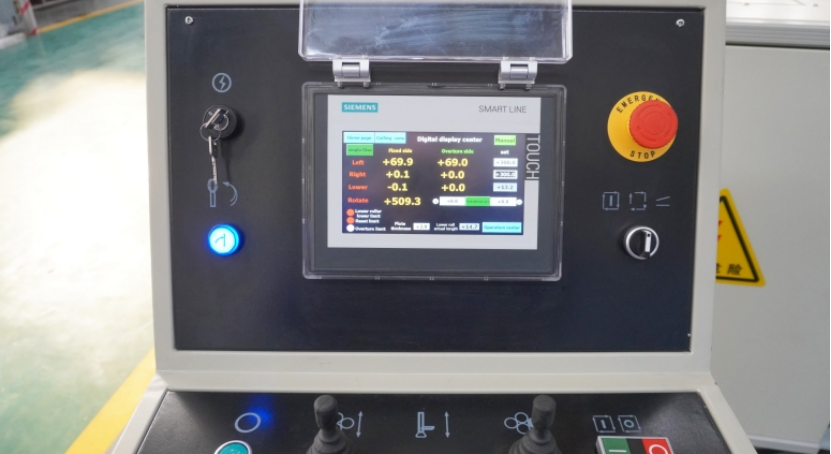
3. Avtomatlaşdırılmış idarəetmə sistemi: Arızalı bir 'beyin' ən yaxşı 'bədəni' belə işlənməz edir.
Əl ilə idarə olunan valrollama dəzgahları müasir istehsal xətlərində getdikcə daha az effektiv olur. Davamlı valrollama sistemləri saniyədə onlarla metr sürətlə işləyir və qalınlıq toleransı mikron səviyyəsindədir; bu da əl ilə monitorinqi mümkün etmir. Yaxşı bir idarəetmə sistemi aşağıdakı imkanlara malik olmalıdır:
Hidravlik AGC (Avtomatik Qalınlıq Nəzarəti): Son qalınlıq <0,3 mm olduqda absolyut xəta ±0,003 mm-dən az; nisbi qalınlıq fərqi < %1 olduqda ≥0,3 mm.
Qapalı döngülü geri əlaqə mexanizmi: Mövqe qapalı döngüsü, təzyiq qapalı döngüsü, qalınlıq qapalı döngüsü və gərginlik qapalı döngüsü kimi kompensasiya üsulları mövcud olmalıdır.
Avtomatlaşdırılmış sistem sabit, etibarlı, çevik və dəqiq idarə olunmalıdır.
4. Enerji səmərəliliyi və ətraf mühitin qorunması: Ətraf mühit standartlarını ödəməyən avadanlıq işə yaramaz.
Hökumət metallurgiya avadanlıqlarının enerji istehlakı üzərində nəzarəti gündən-günə daha sərtləşdirir. Enerji səmərəliliyi aşağı olan dövranlı valsılar yalnız yüksək işçilik xərclərinə səbəb olmur, həm də uyğunsuzluq səbəbilə düzəliş üçün bağlanma təhlükəsi daşıyır. Qızdırılmış dövran prosesləri üçün enerji səmərəliliyi qiymətləndirməsi təlimatı GB/T 37390, soyuq dövrənmiş polad lent üçün isə vahid məhsulun enerji istehlakı limitləri mövcuddur. Alınarkən avadanlığın bu standartları ödəyib-ödəmədiyi mütləq təsdiqlənməlidir.
Səs səviyyələrinin və enerji səmərəliliyinin yoxlanılması da müntəzəm yoxlama elementləridir; standartların aşılması halında düzəliş tələb olunur.
5. Təchizatçıların Seçilməsi: Parametrlər Gerçəkləşdirilə bilməzsə, heç bir dəyərləri yoxdur
Təchizatçıyı üç cəhətdən qiymətləndirərək seçin:
Həqiqi işləyən nümunələri ziyarət edin: Göstəriş zalındakı videolara etibar etməyin; əslində işləyən istehsal xətlərini görməyi tələb edin. Normal texniki xidmət şəraitində 8–10 il müddətində işləyə bilən avadanlıqlar qəbul edilə bilər.
Texniki komanda və elmi-tədqiqat imkanlarını qiymətləndirin: Özbaşına elmi-tədqiqat imkanlarına malik olan və əsas istehsal proseslərini yaxşı bilən şirkətlər daha etibarlıdır.
Etibarlı xidmət sistemi: Metallurgiya avadanlıqları satın alındıqdan sonra dərhal istifadəyə hazır deyil; quraşdırma, qurğunun işə salınması, istismar üzrə təlim və uzunmüddətli texniki dəstək hamısı vacibdir.
Dövranlı valşın keyfiyyətini qiymətləndirərkən yalnız brendə diqqət yetirməyin və broşurlardakı parametrlərə qaranlıq şəkildə etibar etməyin. Beş ölçüyə diqqət yetirin: həndəsi dəqiqlik, valın keyfiyyəti, avtomatlaşdırma səviyyəsi, enerji səmərəliliyi standartları və təchizatçının xidmət imkanları. Valşın qiymətləndirilməsi üçün etibarlı məlumatlardan və sahədə yoxlamalardan istifadə edin və sizin əslində etibarlı avadanlıq aldığınızdan əmin olun.

