





What are the fundamentals of laser cutting?
The core principle of laser cutting involves thermal processing via a focused, high-energy laser beam. When the highly focused beam strikes the workpiece surface, the irradiated area instantly reaches extremely high temperatures, causing the material to rapidly melt or vaporize. Once the beam fully penetrates the workpiece, the actual cutting process begins: the laser moves along a preset contour, continuously melting material along the path. Simultaneously, an auxiliary gas jet blows away molten residue from the cut, creating a narrow kerf—roughly equal in width to the focused laser beam diameter—thereby ensuring cutting precision.
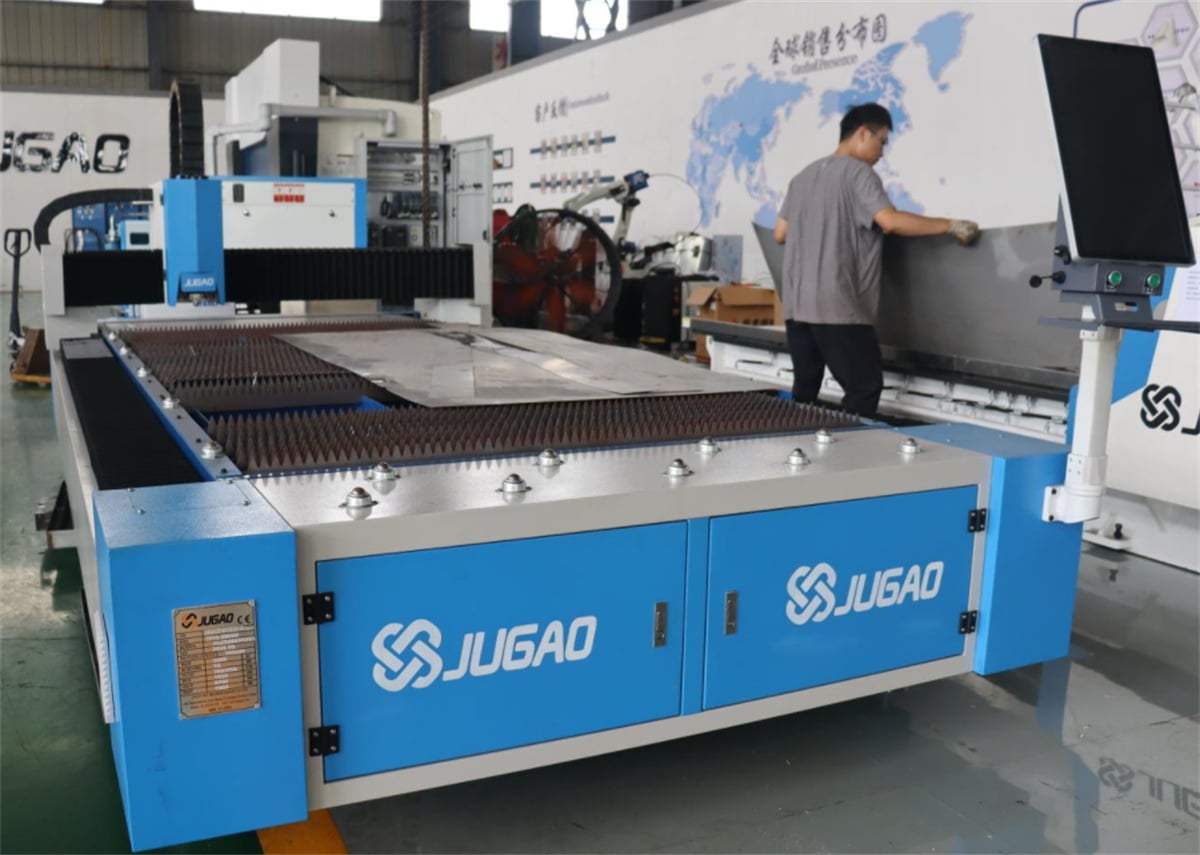
I. Classification of Mainstream Laser Cutting Processes
(i) Flame Cutting
Flame cutting is the standard process for processing low-carbon steel, utilizing high-purity oxygen as the auxiliary cutting gas. During operation, oxygen is pressurized to a maximum of 6 bar and injected into the cut at high speed. The steel—preheated by the laser—undergoes a vigorous exothermic oxidation reaction with the high-pressure oxygen. This releases significant thermal energy (up to five times the energy of the laser itself), greatly facilitating material melting and removal, and effectively enhancing cutting efficiency and stability for thick plates.
(ii) Fusion Cutting
Fusion cutting is a standard process for cutting metals and is also suitable for meltable non-metallic materials like ceramics. This process employs inert gases—such as nitrogen or argon—at pressures ranging from 2 to 20 bar. Due to the chemical stability of inert gases, no chemical reaction occurs with the molten metal in the cut; instead, the high-pressure gas simply blows molten residue out from the bottom. Additionally, the gas shields the cut surface from the atmosphere, preventing oxidation and ensuring a smooth, clean finish.
(iii) Compressed Air Cutting
Compressed air cutting is primarily suited for the rapid processing of thin sheet materials. By pressurizing ordinary air to 5–6 bar, an effective high-pressure stream is generated to blow away molten metal from the cut. Since air contains approximately 80% nitrogen—which provides inert shielding properties—compressed air cutting is essentially a form of fusion cutting. It offers the advantages of low processing costs and high efficiency, making it ideal for applications requiring standard precision on thin sheets.
(IV) Plasma-Assisted Cutting
Given appropriate process parameters, a plasma cloud forms in the kerf region during melt cutting; this cloud consists of a mixture of ionized metal vapor and ionized assist gas. The plasma cloud efficiently absorbs CO₂ laser energy and rapidly conducts it into the workpiece, thereby enhancing energy coupling efficiency, accelerating material melting, and significantly boosting cutting speed. Consequently, this process is also known as high-speed plasma cutting.
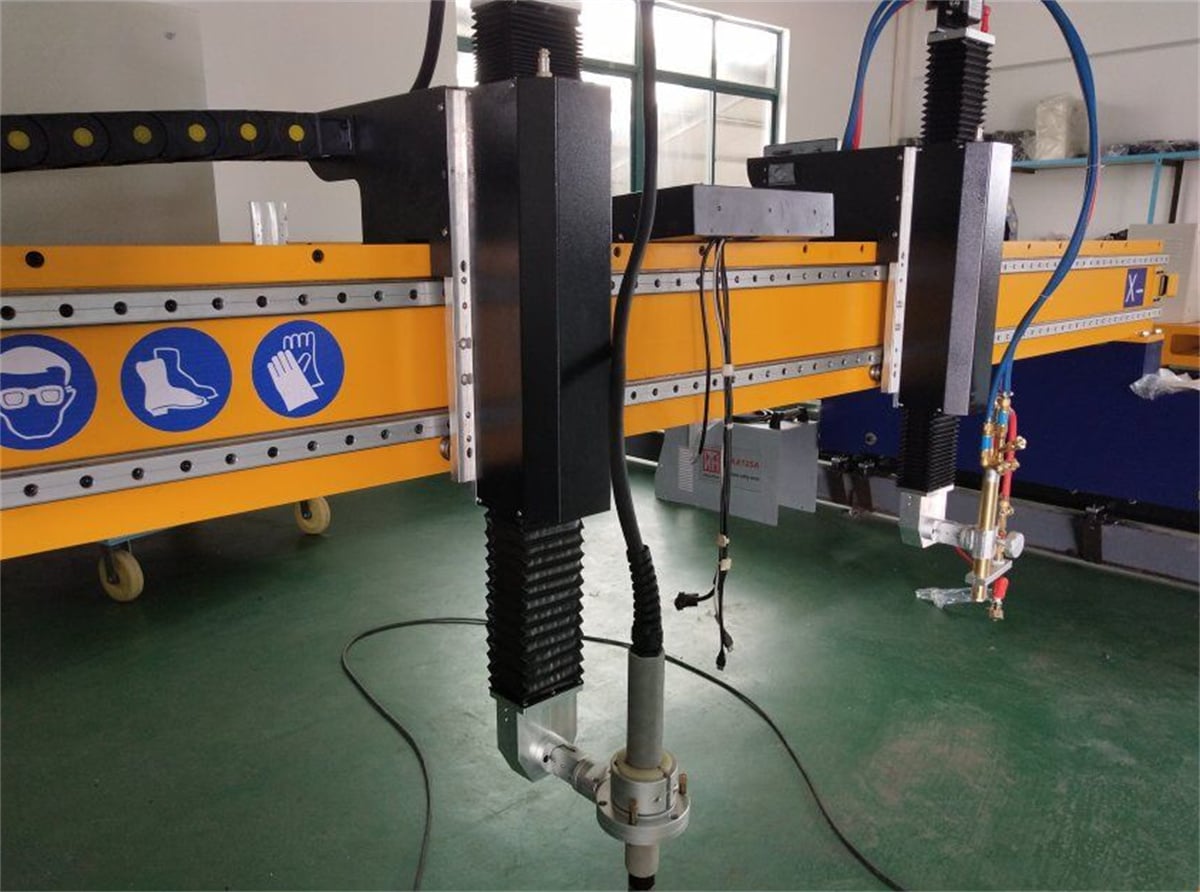
It is important to note that plasma clouds are transparent to solid-state laser wavelengths and do not facilitate energy absorption or conversion; therefore, the plasma-assisted cutting process is compatible only with CO₂ laser systems.
(V) Vaporization Cutting
Vaporization cutting relies on the direct vaporization and removal of material, thereby minimizing heat conduction to the surrounding area and resulting in negligible thermal deformation. Using a continuous-wave CO₂ laser, precise vaporization cutting can be achieved on materials characterized by low heat capacity, high light absorption, and a lack of melting behavior—such as plastic films, wood, paper, and foam.
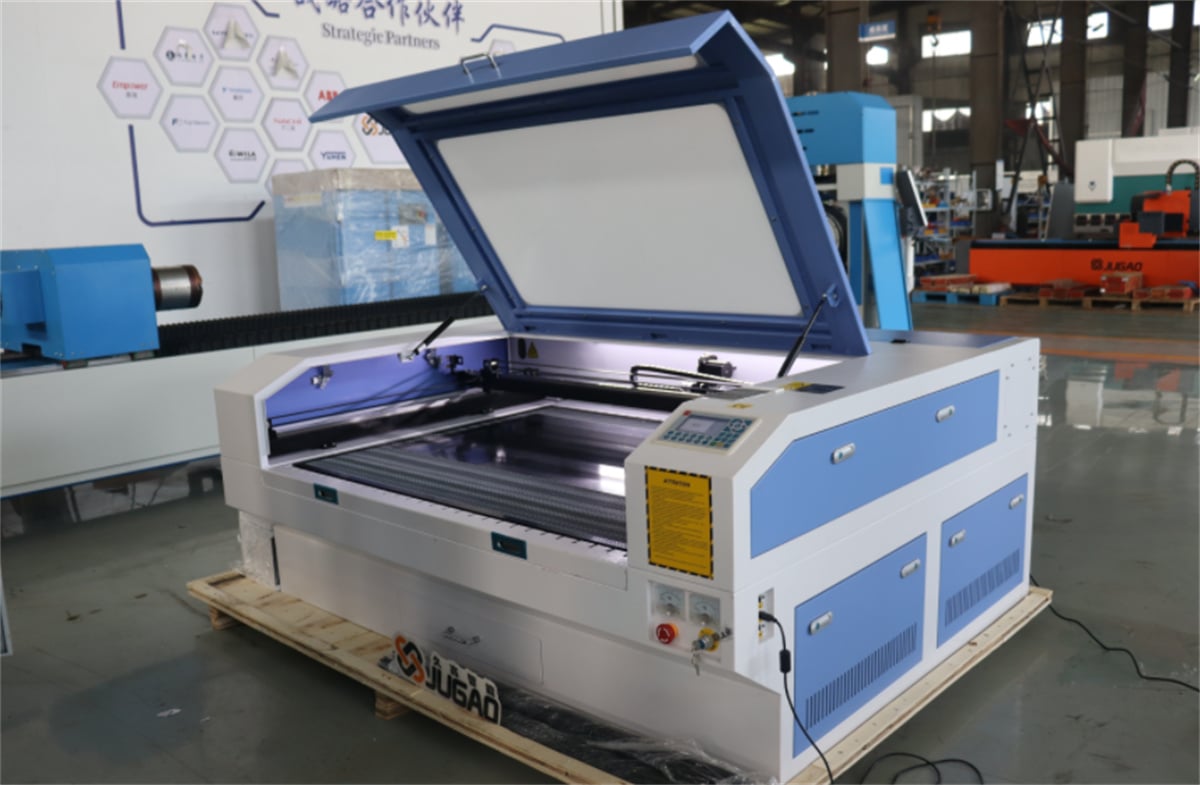
With the advancement of ultrashort-pulse laser technology, the scope of vaporization cutting has expanded to include metallic materials. Free electrons within the metal rapidly absorb laser energy and undergo a sharp temperature rise. Utilizing picosecond-scale ultrashort pulses ensures that the laser does not interact with molten particles or plasma during processing; instead, the material undergoes direct sublimation and removal before heat has sufficient time to conduct to the surrounding area. This process entails no thermal effects, melting, or burr formation, enabling ultra-high-precision cutting without thermal damage.
II. Core Process Parameters for Laser Cutting
The results, precision, and quality of laser cutting are influenced by a combination of parameters. Some parameters are determined by the laser source and machine hardware capabilities, while others can be flexibly adjusted based on the material and specific process requirements. The core adjustable parameters are as follows:
(I) Degree of Polarization
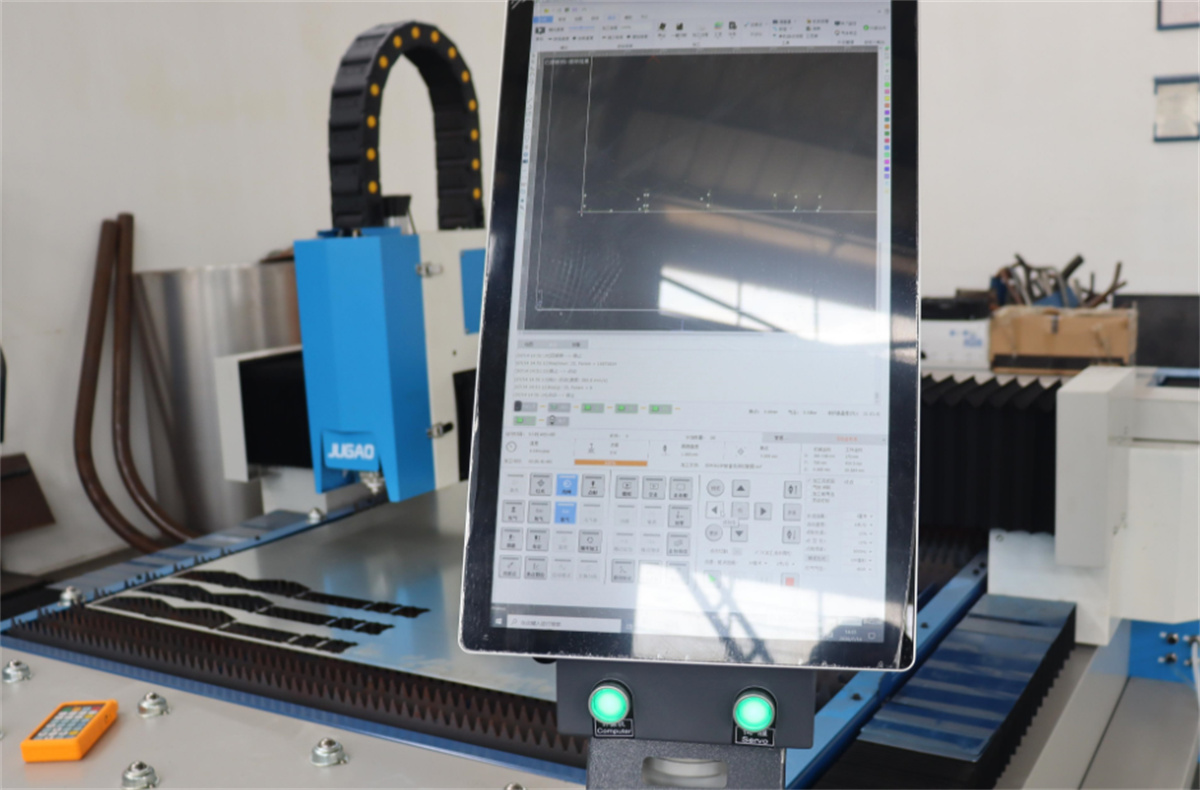
The degree of polarization indicates the efficiency of laser energy conversion and utilization. Standard industrial equipment typically features a polarization degree of approximately 90%, a specification that meets the requirements of the vast majority of high-precision cutting applications.
(II) Focal Spot Diameter
The focal spot diameter directly determines the kerf width; this diameter can be adjusted by changing the focusing lens to one with a different focal length. A smaller focal spot diameter results in a narrower kerf and higher cutting precision, making it suitable for processing small, precision parts and intricate contours.
(III) Focal Position
The focal position directly affects the laser spot diameter and power density distribution on the workpiece surface, while also determining the shape of the cut. It is a critical parameter for controlling the smoothness and perpendicularity of the cut surface and requires precise calibration based on material thickness and type.
(IV) Laser Power
Laser power must be precisely matched to the processing technique, material type, and sheet thickness. During processing, the power density on the workpiece surface must exceed the material's processing threshold to ensure stable melting and vaporization, thereby avoiding issues such as incomplete cuts or intermittent cutting.
(V) Operating Mode
Lasers primarily operate in either continuous or pulsed modes. Continuous wave (CW) mode is suitable for standard contour cutting of conventional metals and plastics (ranging from millimeters to centimeters in thickness), offering stable and efficient processing. Low-frequency pulsed mode is primarily used for sheet piercing and ultra-high-precision contour cutting, as it effectively limits the heat-affected zone.
(VI) Cutting Speed
Cutting speed must be dynamically matched and coordinated with laser power. Excessive speed leads to insufficient material melting and incomplete cuts, while excessively slow speed causes heat accumulation, resulting in defects such as rough cut surfaces, burrs, and thermal deformation.
(VII) Nozzle Diameter
Nozzle diameter determines the flow rate and airflow pattern of the assist gas, making it a key parameter influencing dross removal. Thicker sheets require a wider coverage area for the assist gas, necessitating a larger nozzle diameter to ensure the thorough removal of molten residue.
(VIII) Gas Purity and Pressure
Oxygen and nitrogen are the most commonly used assist gases in laser cutting, and their purity and pressure directly determine the quality of the cut edge. Flame cutting utilizes oxygen as the assist gas, requiring a purity of 99.95%; notably, the required oxygen pressure decreases as the plate thickness increases. Fusion cutting employs nitrogen as the assist gas, requiring a standard purity of 99.995% (ideally 99.999%); when cutting thick steel plates, higher nitrogen pressure is required to enhance slag removal and prevent oxidation.
III. Application of Process Parameter Libraries
In the early stages of laser cutting technology development, operators had to calibrate process parameters through repeated trial cuts—a cumbersome process with a steep learning curve. Currently, mainstream laser cutting control systems feature built-in, standardized parameter databases. These databases provide preset parameters—such as laser power, cutting speed, gas pressure, and focal position—tailored to specific material types and thicknesses. Leveraging these standardized libraries allows even non-specialist operators to quickly set up equipment and commence production, significantly lowering the operational barrier and improving processing consistency.
IV. Quality Evaluation Standards for Laser Cutting
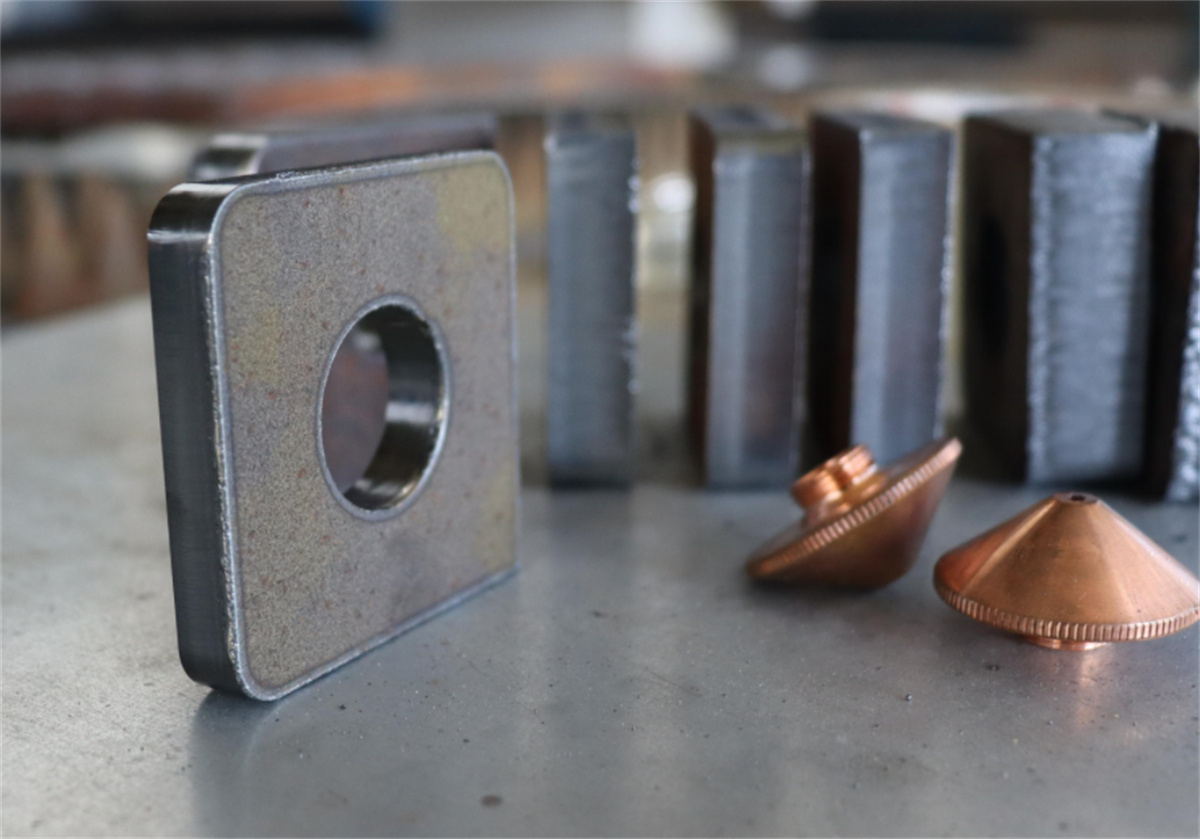
The quality of finished laser-cut parts is assessed through a combination of indicators, categorized into visual inspection criteria and precision instrumental measurements. Visual defects—such as burrs, depressions, and cutting striations—can be identified with the naked eye, whereas precision metrics—such as cut perpendicularity, surface roughness, and kerf width—require professional measuring instruments. Additionally, factors such as surface deposits, corrosion marks, the size of the heat-affected zone (HAZ), and overall workpiece deformation serve as key benchmarks for evaluating the quality of the finished product.
V. Industry Application Prospects
Compared to traditional methods like mechanical shearing, flame cutting, and plasma cutting, laser cutting offers numerous advantages—including high precision, minimal thermal deformation, broad material compatibility, processing flexibility, and consistent product quality—making it an indispensable core process in modern precision manufacturing. Currently, the technology is widely applied across diverse sectors such as hardware manufacturing, automotive components, aerospace, sheet metal processing, and advertising/decoration. As laser technology continues to evolve and improve, processing efficiency, precision, and adaptability will be further enhanced, paving the way for even broader application scenarios and promising industry growth.

