




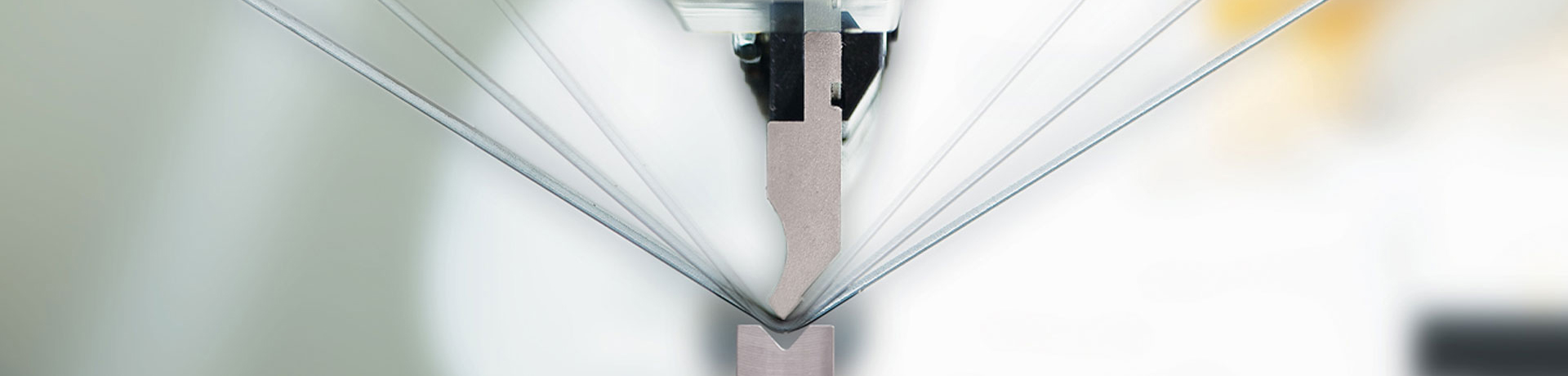
دليل شراء آلة ثني الصفائح ذات الأسطوانات الثلاثة
آلة ثني الصفائح ذات الأسطوانات الثلاثة هي جهاز يستخدم ثلاث أسطوانات عاملة لثني صفائح المعدن بشكل مستمر لتشكيل أجزاء أسطوانية أو على شكل قوس. وتُستخدم على نطاق واسع في قطاعات مثل صناعة الغلايات، وبناء السفن، وتصنيع الآلات، والأوعية الخاضعة للضغط، والهياكل الفولاذية.
عند شراء آلة ثني الصفائح ذات الأسطوانات الثلاثة، يجب أخذ عوامل مثل أداء المعدات، والتطبيق المطلوب، وتوافق المواد، ومستوى الأتمتة، والميزانية بعين الاعتبار. وفيما يلي دليل تفصيلي لشراء آلة ثني الصفائح ذات الأسطوانات الثلاثة. آلة ثني الصفائح ذات الأسطوانتين الثلاث .
١. مقدمة شاملة عن آلة دحرجة الصفائح ذات الأسطوانات الثلاثة
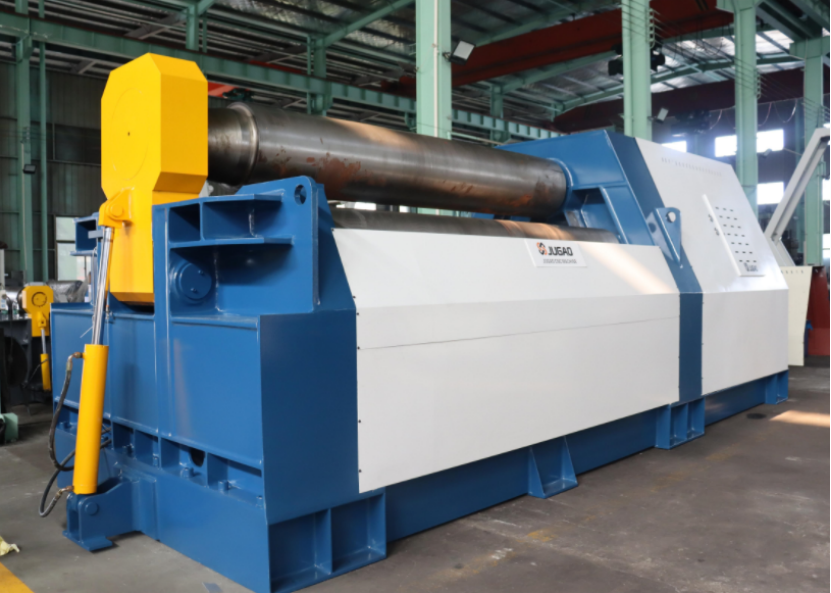
١) ما هي آلة ثني الصفائح ذات الأسطوانات الثلاثة؟
آلة ثني الصفائح ذات الأسطوانات الثلاثة هي جهاز يستخدم الحركة النسبية لثلاث أسطوانات لثني صفائح المعادن (مثل صفائح الفولاذ وصفائح الفولاذ المقاوم للصدأ) إلى أشكال أسطوانية أو مخروطية أو منحنيات أخرى، مما يؤدي إلى خضوعها للتشوه البلاستيكي تحت تأثير القوة.
ثلاثة. تُستخدم آلات ثني الصفائح على نطاق واسع في:
· تصنيع أوعية الضغط
· هندسة خطوط الأنابيب
· تصنيع الهياكل الفولاذية
· بناء السفن
· الصناعة الكيميائية
· الفضاء
· صناعات مثل آلات البناء.
٢) الهيكل الأساسي
تتكوّن هذه الآلة ذات الأسطوانات الثلاثة لثني الصفائح أساسًا من الأجزاء التالية:
· الأسطوانة العلوية (أسطوانة الدفع): تقع عادةً في الجزء العلوي الأوسط، وتوفّر قوة الدفع الرئيسية.
· الأسطوانة السفلية/الأسطوانة الجانبية (أسطوانة التتبع): تقع في الجزء السفلي أو الجانبي، ويمكن رفعها أو خفضها لتطبيق الضغط على مادة الصفيحة.
· وحدة الدفع الرئيسية: تُدير الأسطوانة العلوية أو الأسطوانتين السفليتين للدوران.
· آلية الرفع: تُعدّل موقع الأسطوانة السفلية أو الأسطوانة الجانبية للتحكم في نصف قطر الانحناء.
· النظام الهيدروليكي أو الميكانيكي: يُستخدم للتحكم في رفع الأسطوانات.
· نظام التحكم الكهربائي: يُستخدم للتشغيل والتحكم العام، وبعضها أنظمة تحكم رقمي/كاملة الأتمتة.
3) مبدأ عمل آلة ثني الصفائح ذات الأسطوانات الثلاثة
– المبادئ الأساسية
ت logi آلة ثني الصفائح ذات الأسطوانات الثلاثة بشكل رئيسي عملية ثني ولف الصفائح المعدنية من خلال توليد قوة انحناء مستمرة تُطبَّق عند ثلاث نقاط بين الأسطوانات الثلاث.
– سير العمل
التغذية والتحديد الموضعي:
تُمرَّر المادة الصفيحية بين الأسطوانة العلوية والسفلية وتُحاذا.
يُضبط موقع الأسطوانة السفلية أو الأسطوانة الجانبية وفقًا نصف قطر اللف المطلوب.
الانحناء الأولي بالضغط (إذا كانت وظيفة الانحناء الأولي متوفرة):
أولاً، تُطبَّق ضغطة قوية على أحد طرفي الصفيحة لإزالة الجزء المستقيم عند الطرف، وبالتالي تحقيق «الانحناء الأولي».
– التمرير
يبدأ الأسطوانة العلوية أو السفلية في الدوران، مما يؤدي إلى تحريك مادة الورقة على طول سطح الأسطوانة.
وتتعرّض مادة الورقة، تحت الضغط المستمر للأسطوانات الجانبية أو السفلية، للانحناء عند عدة نقاط، لتتخذ في النهاية الشكل الدائري أو القوسي المطلوب.
- التفريغ والتحميل
بعد اكتمال عملية التدوير، تُزال القطعة المُدوَّرة عن الجهاز عن طريق إمالة الأسطوانة العلوية أو إزالة جهاز الدعم.
٢. تصنيف آلات ثني الصفائح ذات الثلاث أسطوانات
١) قائمة الفئات الأساسية
استنادًا إلى ترتيب الأسطوانات وخصائص حركتها، تنقسم آلات ثني الصفائح ذات الثلاث أسطوانات أساسًا إلى الأنواع التالية:
نوع |
المميزات |
نطاق الاستخدام |
آلة ثني الصفائح ذات الثلاث أسطوانات المتناظرة |
تتحرك الأسطوانة الوسطى لأعلى ولأسفل، بينما تدور الأسطوانات الجانبية في مواضع ثابتة. |
هيكل بسيط، مناسب للألواح متوسطة وصغيرة السماكة |
آلة ثني ألواح ثلاثية الأسطوانات غير المتماثلة |
الأسطوانة العلوية ثابتة، بينما تتحرك الأسطوانة السفلية والأسطوانات الجانبية. |
يمكنها تحقيق ثني الطرف المسبق ومناسبة للألواح الرقيقة. |
آلة ثني ألواح ثلاثية الأسطوانات من الفئة المُخفَّضة |
تتحرك الأسطوانة السفلية على طول مسار قوسي لتحسين دقة الثني المسبق. |
مناسبة للألواح متوسطة وثقيلة السماكة |
آلة متعددة الاستخدامات لدرفلة ألواح ثلاثية الأسطوانات |
جميع الأسطوانات الثلاثة قابلة للحركة، ما يجعلها عالية الوظائف. |
درجة عالية من الأتمتة، مناسبة للمشاريع الهندسية الكبيرة |
٢) الأنواع الشائعة لآلات ثني الصفائح ذات الأسطوانات الثلاثة
- مصنَّفة حسب ترتيب الأسطوانات وأسلوب الحركة
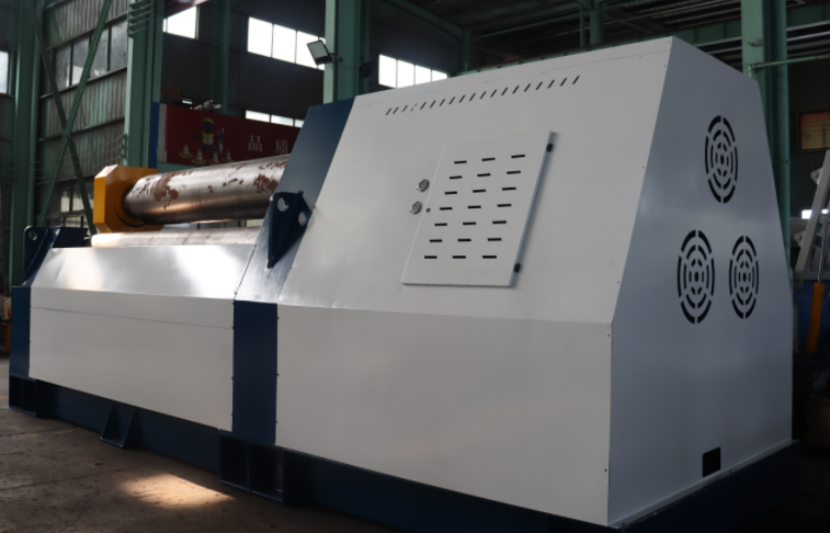
آلة ثني الصفائح ذات الثلاث أسطوانات المتناظرة
الخصائص الهيكلية:
· الأسطوانة العلوية هي أسطوانة محركة يمكنها التحرك صعودًا وهبوطًا.
· الأسطوانتان السفليتان ثابتتان وتداران بواسطة محرك كهربائي.
المزايا:
· تتميَّز بهيكل بسيط وتكلفة تصنيع منخفضة.
· مناسبة لمواد الصفائح متوسطة السمك والرقيقة.
العيوب:
· لا تمتلك وظيفة الثني المبدئي للطرفين، وبالتالي يتطلَّب معالجة الطرفين من اللوح مرة أخرى.
· التطبيقات: عمليات الثني العامة، مثل معالجة صفائح الفولاذ الكربوني متوسطة السمك.
آلة ثني ألواح ثلاثية الأسطوانات غير المتماثلة
الخصائص الهيكلية:
· إحدى الأسطوانتين السفليتين هي أسطوانة محركة، بينما الأسطوانة الأخرى قابلة للحركة مع الأسطوانة العلوية.
· يمكن تحقيق الثني المبدئي للطرفين.
· ويُسمى أحيانًا أيضًا «نوع الانحناء المسبق لمرة واحدة».
المزايا:
· دقة عالية في عملية التدوير.
· قدرة ضعيفة على الانحناء المسبق.
العيوب:
· تتصف بقابلية تكيّف ضعيفة مع الصفائح السميكة.
· الهيكل معقَّد نسبيًّا.
· مجالات الاستخدام: تدوير الصفائح الرقيقة والتصنيع الصناعي الخفيف.
آلة تدوير الصفائح ذات الأسطوانة الثلاثية ذات القاعدة المسطحة.

الخصائص الهيكلية:
· الأسطوانة العلوية ثابتة، بينما ترتفع الأسطوانتان السفليتان وتنخفضان على طول مسار قوسي.
· تعمل بالدفع الهيدروليكي.
· يجب دائمًا الحفاظ على مسافة معقولة بين نقاط الانحناء لتحسين جودة التدوير.
المزايا:
· يتميز بدقة عالية في التدحرج وتوزيع مناسب للإجهادات.
· مناسب للألواح السميكة أو ألواح الفولاذ عالي القوة.
العيوب:
· التكلفة مرتفعة نسبيًّا.
· التطبيقات: تطبيقات تدحرج الألواح السميكة مثل بناء السفن والغلايات والأوعية ذات الضغط العالي.
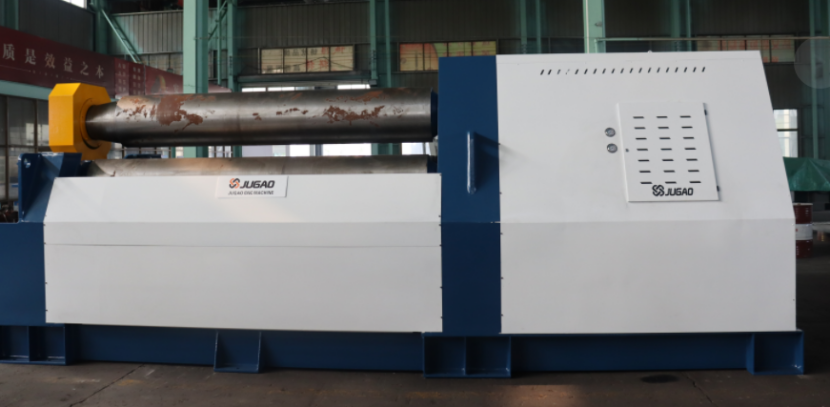
آلة ثني الألواح ثلاثية الأسطوانات الشاملة (ذات الهندسة المتغيرة)
الخصائص الهيكلية:
· جميع الأسطوانات الثلاثة قابلة للحركة.
· تتميّز بمستوى عالٍ من التحكم الآلي، وغالبًا ما تكون مزوَّدة بنظام تحكُّم رقمي.
· تصميم متعدد الوظائف، قادر على تدحرج الأسطح المنحنية غير المنتظمة.
المزايا:
· قابلية تكيُّف عالية.
· يتم إنجاز التقويس المبدئي والتشكيل دفعة واحدة.
· يمكنه الاتصال بأنظمة الثورة الصناعية الرابعة.
العيوب:
· التكلفة العالية والصيانة المعقدة.
· نطاق الاستخدام: الصناعات الثقيلة، وتصنيع المكونات الكبيرة، ودرفلة الهياكل المعقدة.
- مصنَّف حسب نمط القيادة
نوع |
وضع القيادة |
المميزات |
ماكينة درفلة ميكانيكية ذات ثلاث صفائح |
محرك تروس + ضبط بالبرغي |
هيكل تقليدي، مناسب للأحمال الخفيفة |
ماكينة درفلة هيدروليكية ذات ثلاث صفائح |
يُحرِّك الأسطوانة الهيدروليكية بكرات الدوران للحركة |
محرك قوي، مناسب للصفائح السميكة |
- من خلال نظام التحكم
طريقة التحكم |
المميزات |
التحكم اليدوي |
مناسب للمعالجة البسيطة، وبمتطلبات منخفضة |
تحكم رقمي مع عرض رقمي (NC) |
تتوفر إعدادات قابلة للتكرار، ما يجعله مناسبًا للإنتاج بكميات صغيرة إلى متوسطة. |
CNC (التحكم العددي بواسطة الحاسوب) |
درجة عالية من الأتمتة والدقة، ويمكن ربطه بأنظمة التصميم والتصنيع بالحاسوب (CAD/CAM). |
تحكم ذكي تمامًا أوتوماتيكي |
معدات متقدمة مناسبة لورش العمل الآلية على نطاق واسع |
إذا أخبرتنا بالمواصفات المحددة لمادة الصفيحة التي تُعالجها (مثل النوع، السماكة، العرض، وما إذا كانت الإنتاج كمّيًّا)، فيمكننا اقتراح نوع وطراز أنسب آلة ثني صفيح ثلاثية الأسطوانات لك.
٣. المزايا والقيود الخاصة بآلات ثني الصفيح ثلاثية الأسطوانات
آلات ثني الصفائح ذات الأسطوانتين الثلاث تُعد نوعًا شائعًا من معدات ثني الصفائح، وتُستخدم على نطاق واسع في صناعة تشكيل المعادن. ولها بنية نسبيًّا بسيطة ومرونة عالية في التشغيل، لكنها تمتلك أيضًا بعض القيود. وفيما يلي تحليلٌ لمزايا وقيود آلات ثني الصفائح ذات الأسطوانتين الثلاث:
مزايا آلة ثني الصفائح ذات الأسطوانتين الثلاث
بنية بسيطة وأداء اقتصادي عالٍ:
· وبشكل خاص، فإن آلات ثني الصفائح ذات الأسطوانتين الثلاث المتناظرة وغير المتناظرة تتمتّع ببنية ناضجة ومنخفضة التكلفة.
· ويُسهل إصلاحها وصيانتها وإجراء الإصلاحات اللازمة لها.
نطاق واسع من التطبيقات:
· ويمكنها معالجة مجموعة متنوعة من مواد المعادن مثل صفائح الفولاذ الكربوني، والفولاذ المقاوم للصدأ، والألومنيوم.
· وهي مناسبة لتصنيع الأجزاء الشائعة مثل الأسطوانات، والمخاريط، والصفائح المنحنية.
وتتوافر عدة طرق للتحكم فيها:
· فمن التحكم اليدوي إلى العرض الرقمي والتحكم العددي بالحاسوب (CNC)، ويمكن اختيار التكوين المناسب وفقًا للاحتياجات المختلفة.
· مستوى الأتمتة قابل للتوسّع لتلبية متطلبات الإنتاج المختلفة.
التشغيل المرن والتعديل السهل:
· يمكن التحكم في نصف قطر الأسطوانة عن طريق ضبط موضع الأسطوانة السفلية أو الأسطوانة الجانبية.
· بعض الموديلات مزودة بوظيفة ثني الطرف مسبقًا لتحسين دقة المنتجات النهائية.
مساحة صغيرة:
· وبالمقارنة مع معدات درفلة الصفائح ذات الأربع بكرات أو المعدات الشاملة الكبيرة، تمتلك آلات درفلة الصفائح ثلاثية البكرات ميزة أكبر في كفاءة استغلال المساحة.
- قيود آلات ثني الصفائح ثلاثية البكرات
القدرة المحدودة على الثني المسبق للطرف:
· وعلى وجه الخصوص، تُترك الآلات التقليدية ثلاثية البكرات المتناظرة حوافًا مستقيمة عند طرفي الصفيحة أثناء عملية الدرفلة.
· وهذا يتطلب مساعدة يدوية باستخدام اللهب للثني المسبق أو معدات أخرى (مثل آلة الثني المسبق الهيدروليكية).
محدودية معالجة الصفائح السميكة:
· ماكينات ثني الصفائح المعدنية الميكانيكية التقليدية ذات الأسطوانات الثلاثة مناسبة للصفائح الرقيقة إلى الصفائح متوسطة السُمك (≤١٦ مم).
· قد تظهر مشاكل مثل عدم كفاية التدحرج وصعوبة التحكم في التشوه عند معالجة الفولاذ عالي القوة أو الصفائح فائقة السُمك.
قيود الدقة في التشكيل لمرة واحدة:
· تتطلب معظم ماكينات تدحرج الصفائح ذات الأسطوانات الثلاثة تعديلات متكررة أثناء عملية التدحرج.
· لا يمكن إنجاز التدحرج عالي الدقة دفعة واحدة، خاصةً في النماذج المتماثلة.
صعوبات تدحرج الصفائح المخروطية:
· تتسم ماكينات التدحرج العادية ذات الأسطوانات الثلاثة بصعوبة التشغيل عند معالجة الأسطوانات المخروطية، وتتطلب مهارات خاصة أو معدات مخصصة.
· وبالمقارنة، تمتلك ماكينات تدحرج الصفائح ذات الأسطوانات الأربع أو ماكينات تدحرج الصفائح ذات الأسطوانات الثلاثة الشاملة ميزة أكبر في هذا الصدد.
بعض الأنواع تتمتع بدرجة أقل من الأتمتة:
· تعتمد المعدات اليدوية أو الميكانيكية اعتمادًا كبيرًا على خبرة المشغل.
· إنها غير مناسبة لخطوط الإنتاج الآلية التي تتطلب كفاءة عالية واتساقًا عاليًا.
٤. كيف تختار آلة ثني الصفائح ذات الأسطوانات الثلاثة؟
عند اختيار آلة ثني الصفائح ذات الأسطوانات الثلاثة، ينبغي إجراء تقييم شامل استنادًا إلى احتياجاتك الإنتاجية الخاصة، وخصائص المواد التي تُعالَج، والميزانية المتاحة، ومتطلبات التشغيل الآلي.
١) حدد متطلبات المعالجة بوضوح
قبل اختيار النموذج، يُرجى تحديد المعايير الأساسية التالية بوضوح.
· أقصى سماكة للصفائح: تحدد قوة الدحرجة المطلوبة للمعدات (فكلما زاد حجم الماكينة، زادت سعتها).
· أقصى عرض للصفائح: يؤثر على طول الأسطوانات وحجم المعدات.
· نوع المادة: تختلف المواد في مقاومتها الشدّية؛ فعلى سبيل المثال، تتطلب الفولاذ المقاوم للصدأ ضغطًا أكبر.
· الحاجة إلى الثني المبدئي: تتطلب بعض المنتجات ثنيًا مبدئيًّا للأطراف، لذا يجب أخذ ما إذا كانت المعدات تمتلك هذه الوظيفة في الاعتبار.
· هل يمكنه معالجة الأجزاء المخروطية؟ إن آلات تشكيل الصفائح العادية المتماثلة ليست مناسبة لمعالجة الأسطوانات المخروطية.
· حجم الإنتاج ومتطلبات التشغيل الآلي: تحديد ما إذا كان يجب شراء معدات التحكم العددي بالحاسوب (CNC) لتحسين الكفاءة والاتساق.
٢) اختيار نوع آلة تشكيل الصفائح المناسبة
اختيار نموذج الآلة المناسب وفقًا لخصائص المعالجة:
سيناريوهات الاستخدام |
الموديلات الموصى بها |
طريقة التحكم |
ملاحظات |
معالجة الصفائح الرقيقة والأسطوانات التقليدية |
آلة ثني ألواح ثلاثية الأسطوانات غير المتماثلة |
يدوي أو عرض رقمي |
تتميز بوظيفة ثني أولي ودقة عالية. |
التدحرج التقليدي للصفائح المتوسطة والثقيلة |
آلة ثني الصفائح ذات الثلاث بكرات الانتقالية |
هيدروليكية أو تحكم عددي بالحاسوب (CNC) |
мощة، ومستقرة هيكليًا، ومناسبة للإنتاج الصناعي. |
المكونات الكبيرة/الإنتاج الضخم |
آلة متعددة الاستخدامات لدرفلة ألواح ثلاثية الأسطوانات |
نظام تحكم رقمي |
تكلفة عالية، ودرجة عالية من الأتمتة |
تشغيل الأجزاء المخروطية |
آلة متخصصة لدرفلة الصفائح المخروطية/آلة عالمية |
هيدروليكية/تحكّم رقمي حاسوبي (CNC) |
لا يُوصى باستخدام مطاحن الأسطوانات الثلاثة العادية. |
ميزانية محدودة، ومتطلبات منخفضة للدقة |
ماكينة درفلة صفائح ميكانيكية متناظرة |
يدوي/كهربائي |
منخفضة التكلفة، ومناسبة للدرفلة البسيطة |
٣) المعايير الفنية الرئيسية التي تتطلب اهتمامًا
· يجب أن يكون أقصى سمك وعرض اللفافة أكبر من احتياجاتك الفعلية، مع ترك هامش بنسبة ٢٠٪.
· قطر الأسطوانة العلوية وقوة المحرك تحددان بشكل مباشر سعة التدحرج واستهلاك الطاقة.
· سرعة التدحرج: في الإنتاج الضخم، يجب أن تكون السرعة عالية والكفاءة مرتفعة.
· مادة الأسطوانة ومعالجتها الحرارية: تُستخدم فولاذ سبائكي عالي القوة، وتُصلَّب السطح لتحسين مقاومته للتآكل.
· طريقة ضبط الأسطوانة السفلية/الأسطوانة الجانبية: ضبط هيدروليكي، وهو أكثر استقرارًا ويحقق دقة أعلى.
· هيكل المحامل وقضبان التوجيه: هذه العناصر مرتبطة بعمر التشغيل للمعدات وقدرتها على الحفاظ على الدقة.
٤) اختيار نظام التحكم ونمط التشغيل
· التحكم اليدوي: منخفض التكلفة، ومناسب للعاملين المهرة، لكنه غير فعّال.
· التحكم الكهربائي مع شاشة عرض رقمية: سهل التشغيل، ومناسب للإنتاج المتوسط والمعالجة المتكررة.
· أنظمة التحكم العددي بالحاسوب (CNC): درجة عالية من الأتمتة، قادرة على الثني المسبق التلقائي، وحفظ البرامج وغيرها، ومناسبة لمتطلبات الإنتاج عالي الدقة والعالي الحجم.
5) اعتبارات العلامة التجارية وخدمة ما بعد البيع
اقتراح:
· سمعة العلامة التجارية: امنح الأولوية للعلامات التجارية الراسخة والشركات المصنِّعة المعروفة.
· خدمة ما بعد البيع: هل تشمل التركيب في الموقع، والتشغيل التجريبي، وتدريب المشغلين، وفترة الضمان، وما إلى ذلك؟
· توفير قطع الغيار: هل يمكنك تقديم دعم سريع ومستمر لقطع الغيار؟
· دراسة حالة العملاء: تم التأكيد على استقرار الجهاز من خلال الرجوع إلى آراء المستخدمين في نفس القطاع الصناعي.
6) نصائح الشراء
· التجربة التشغيلية في الموقع: اطلب من الشركة المصنِّعة معالجة عيّنات للتحقق من دقة التدوير، وجودة طرف اللوح، واستقرار التشغيل.
· انتبه إلى وزن المعدات وصلابتها: فالهياكل الثقيلة أكثر متانة واستقرارًا مقارنةً بأدوات الآلات خفيفة الوزن.
· لاحظ متطلبات النقل والتركيب: تأكَّد مما إذا كانت تكلفة الشحن ورسومات الأساس وخطة الرفع مشمولة أم لا.
· وقِّع اتفاقية فنية: اذكر المعايير والوظائف وتاريخ التسليم وخدمة ما بعد البيع، إلخ، لتجنب النزاعات.
٧) المفاهيم الخاطئة الشائعة والتذكيرات
· النظر إلى السعر فقط: قد تكون المعدات الأرخص ذات مواد أسطوانية رديئة الجودة وجودة لحام منخفضة ونظام تحكم غير موثوق، مما يؤدي إلى الحاجة المتكررة للصيانة.
· تجاهل تأثير نوع صفائح المواد: فالفولاذ المقاوم للصدأ والفولاذ عالي القوة، على سبيل المثال، يتطلبان متطلبات أعلى بكثير من تلك المطلوبة للفولاذ الكربوني العادي.
· السعة المُخصَّصة غير الكافية: لا تختار نموذجًا يفي فقط باحتياجاتك؛ بل يُوصى باختيار نموذجٍ سعته تساوي ١٢٠٪ من احتياجاتك.
5. ملخص
العوامل الرئيسية التي يجب مراعاتها عند شراء آلة ثني الصفائح ثلاثية الأسطوانة
١) سماكة وعرض الصفائح
· عند اختيار المعدات، يجب أن تتطابق مع أقصى سماكة وعرض لصفائح المواد المراد معالجتها.
· يُترك هامش أمان معين لضمان التشغيل المستقر على المدى الطويل للمعدات.
2) نوع المادة
· تختلف المتطلبات الخاصة بصلابة الأسطوانة وقوة الدفع حسب نوع المادة، مثل الصلب والفولاذ المقاوم للصدأ والألواح الألومنيوم.
· أما بالنسبة للصلب عالي القوة، فيجب اختيار ماكينة ثني ألواح ذات سعة طنّية أكبر.
3) وظيفة الثني المبدئي
· لا يمكن لماكينات ثني الألواح ذات الأسطوانات الثلاث العادية تحقيق الثني المبدئي عند الأطراف.
· ويجب اختيار هيكل غير متماثل يحتوي على وظيفة الثني المبدئي أو هيكل مزود بجهاز تثبيت.
4) نظام التحكم
· التحكم اليدوي: مناسب للتطبيقات التي لا تتطلب دقة عالية.
· التحكم العددي (NC) / التحكم العددي بالكمبيوتر (CNC): مناسب للإنتاج الضخم، ويحسّن الدقة والكفاءة.
٥) وضع القيادة
· الدفع الهيدروليكي: سعة تحميل عالية وتشغيل سلس.
· الناقل الميكانيكي: هيكل بسيط، مناسب للمهام الخفيفة.
٦) المواد البنائية والجودة
· يجب أن يُصنع الهيكل الفولاذي الرئيسي من مادة درجة Q235 أو أعلى.
· تحقق من التفاصيل مثل عملية اللحام، والدهان، ومعالجة منع الصدأ.
- اقتراحات التكوين الموصى بها (استنادًا إلى الاستخدام)
الاستخدام |
النوع الموصى به |
طريقة التحكم |
ملاحظات |
معالجة ورشة العمل العادية |
ميكانيكي متناظر |
يدوي/كهربائي |
الاقتصادية والعملية |
ثني ولَفّ الفولاذ المقاوم للصدأ |
نوع هيدروليكي غير متماثل |
تحكم بشاشة رقمية |
تحسين الكفاءة وتقليل أعمال الإعادة |
درفلة الصفائح السميكة (١٠ مم فأكثر) |
تسوية هيدروليكية |
نظام تحكم رقمي |
دقة عالية، وقوة عالية |
إنتاج جماعي آلي |
نوع كهربائي رقمي ثلاثي الأسطوانات عالمي |
رقمي تحكم آلي بالكامل |
استثمار مرتفع، وعوائد مرتفعة |
- اقتراحات وتحذيرات الشراء
· اختر الشركات المصنِّعة ذات السمعة الطيبة: أولِّ الاهتمام للعلامات التجارية التي تمتلك تكنولوجيا ناضجة وخدمة ما بعد البيع الممتازة.
· التحقق من التشغيل التجريبي: يُوصى بإجراء تشغيل تجريبي قبل الشراء لاختبار دقة المعدات واستقرارها التشغيلي.
· فحص خدمة ما بعد البيع: مثل ما إذا كانت تشمل ضبط المعدات في الموقع، والصيانة، وتدريب المشغلين.
· التأكد من توفر القطع الاستهلاكية أو الضعيفة: مثل المحامل والمكونات الهيدروليكية وأنظمة التحكم الكهربائي، لضمان إمكانية استبدالها بسرعة.
· تتوفر خدمات التخصيص لمتطلبات المواد الخاصة أو لدرفلة الألواح غير القياسية من حيث الأحجام.
إذا قدمتم متطلبات معالجة محددة (مثل سماكة اللوحة، وعرض اللوحة، والمواد المستخدمة، وما إذا كانت هناك حاجة إلى ثني مبدئي، والميزانية، إلخ)، فيمكننا مساعدتكم في اختيار النموذج الأنسب أو تقديم اقتراحات بشأن التكوين.

