





النقاط الرئيسية للحفاظ على آلة درفلة صفائح متناظرة ذات ثلاث بكرات
النقاط التالية أساسية للحفاظ على آلة تدحرج الصفائح ذات الأسطوانات الثلاثة المتناظرة:
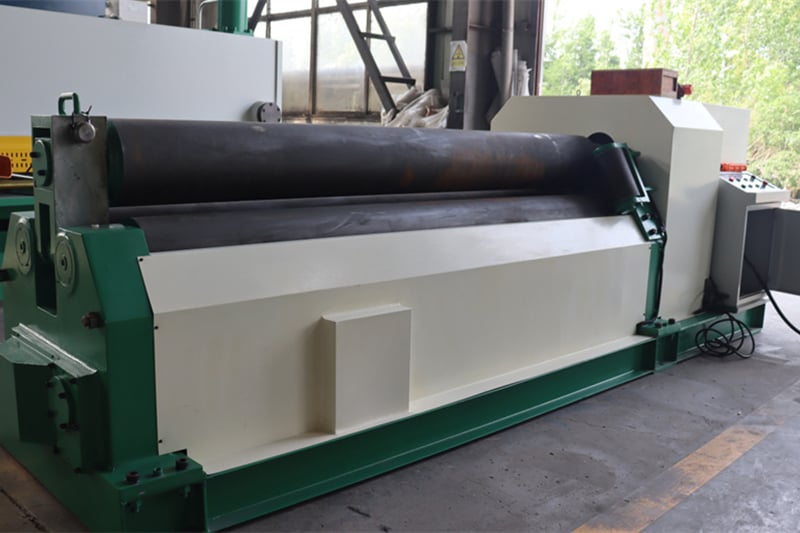
أولاً، الصيانة اليومية
1. التنظيف
- نظّف سطح آلة التدحرج فور الانتهاء من كل استخدام لإزالة الزيت والغبار والشوائب. استخدم قطعة قماش نظيفة أو هواء مضغوط للتنظيف. على سبيل المثال، لبقع الزيت على سطح الأسطوانة، امسحها جيدًا بقطعة قماش مبللة بمادة تنظيف لمنع تأثير الزيت على جودة تدحرج الصفيحة.
- نظّف براد الحديد والشوائب من داخل المعدة بانتظام. وركّز بشكل خاص على التروس والسلاسل وأجزاء النقل الأخرى لمنع تراكم الشوائب التي قد تؤثر على التشغيل الطبيعي. على سبيل المثال، افتح الغطاء الواقي للجهاز واستخدم فرشاة لتنظيف براد الحديد من التروس والسلاسل.
2. التزييت
- زِدْ جميع نقاط التزييت في آلة التدحرج بانتظام وفقًا لدليل المعدة. وتشمل الأجزاء التي تتطلب التزييت عادةً التروس والمحامل والقضبان المُلولبة. على سبيل المثال، استخدم زيت التزييت للتروس والمحامل، واستخدم الشحم للقضبان المُلولبة.
- اختر زيت التزييت المناسب. فلكل جزء متطلبات تزييت مختلفة؛ لذا يجب اختيار زيت التزييت المناسب وفقًا لدليل التشغيل الخاص بالجهاز. كما يجب الانتباه إلى جودة زيت التزييت ومدة صلاحيته، وتجنب استخدام الزيوت منتهية الصلاحية أو الرديئة.
٣. تفقد الوصلات المسمارية
- تفقد بانتظام جميع الوصلات المسمارية على آلة لف الصفائح للتأكد من عدم فكها. ويمكن أن تتسبب الاهتزازات الناتجة عن تشغيل الجهاز في فك هذه الوصلات بسهولة. فمثلًا، تأكد من شد البراغي والصواميل جيدًا؛ وإذا وُجد أي منها مفكوكة، فقم بشدها فورًا.
- بالنسبة للوصلات المسمارية المهمة، استخدم مفتاح عزم الدوران للتأكد من أن قوة الشد تتوافق مع المتطلبات. فمثلًا، شد البراغي التي تربط الأسطوانات بالعزم المحدد لضمان دقة تركيب الأسطوانات واستقرارها.
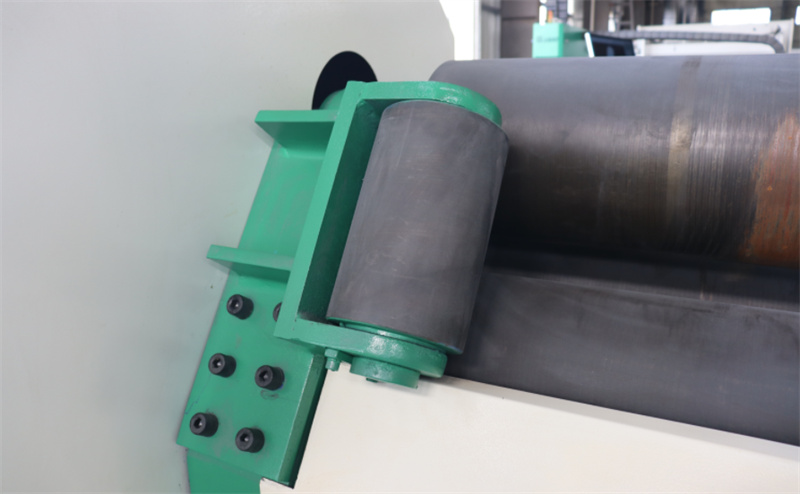
ثانيًا: الصيانة الدورية
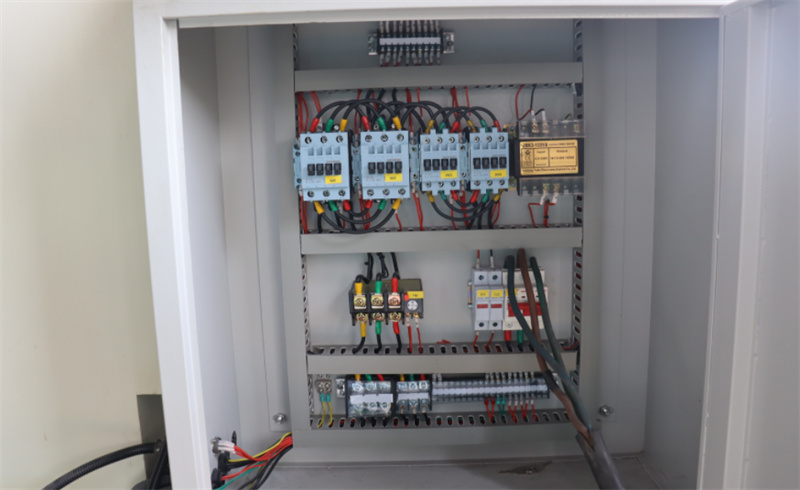
١. تفقد النظام الكهربائي
- تفقد النظام الكهربائي لآلة دحرجة الصفائح بانتظام، بما في ذلك الأسلاك والكابلات والمفاتيح والمقابض الكهربائية وغيرها. وافحص ما إذا كانت الأسلاك تالفة أو مُهترئة، وما إذا كانت الكابلات فضفاضة، وما إذا كانت المفاتيح والمقابض الكهربائية تعمل بشكل سليم. على سبيل المثال، استخدم جهاز قياس متعدد لفحص اتصال الأسلاك ونقاط التلامس في المفاتيح والمقابض الكهربائية.
- نظّف خزانة التحكم الكهربائية من الغبار والأجسام الغريبة، واحرص على تهوية جيدة للنظام الكهربائي. كما يجب فحص تأريض النظام الكهربائي لضمان التشغيل الآمن للمعدات. على سبيل المثال، استخدم منفاخ هواء لتنظيف الغبار داخل خزانة التحكم الكهربائية، وتحقق مما إذا كانت مقاومة التأريض تتوافق مع المتطلبات.
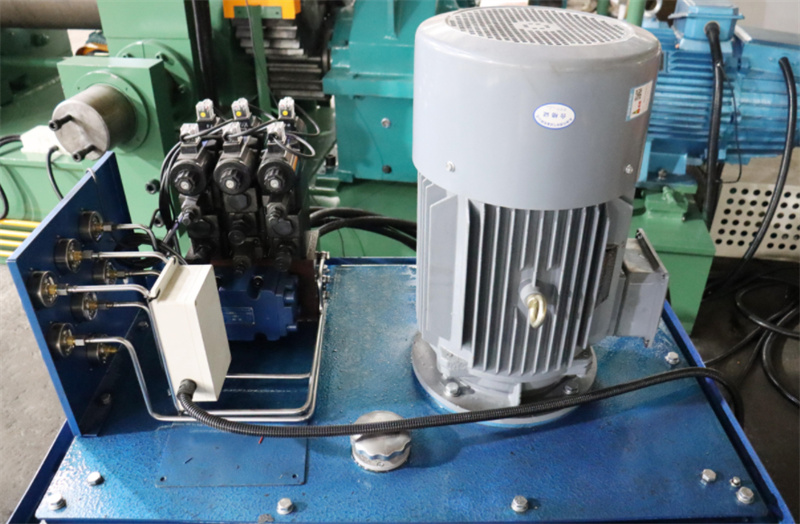
٢. تفقد النظام الهيدروليكي
افحص نظام الهيدروليك الخاص بآلة لف الصفائح بانتظام، بما في ذلك المضخة الهيدروليكية والأسطوانات الهيدروليكية والصمامات الهيدروليكية. وابحث عن أصوات غير طبيعية أو تسريبات في المضخة الهيدروليكية، وتأكد من سلامة حشوات الأسطوانة الهيدروليكية، وتحقق من أن الصمامات الهيدروليكية تعمل بشكل صحيح. على سبيل المثال، راقب حالة تشغيل المضخة الهيدروليكية، وافحص قضيب المكبس الخاص بالأسطوانة الهيدروليكية بحثاً عن خدوش أو تسريبات، واستخدم مقياس الضغط للتحقق مما إذا كان ضغط الصمامات الهيدروليكية ضمن المعدل الطبيعي.
استبدل الزيت الهيدروليكي. فمع الاستخدام المتواصل، يتحلل الزيت الهيدروليكي تدريجياً، ما يؤثر سلباً على أداء النظام الهيدروليكي. ويجب استبدال الزيت الهيدروليكي بانتظام وفقاً لدليل التشغيل الخاص بالجهاز. وعلى سبيل المثال، حدّد دورة استبدال الزيت الهيدروليكي بناءً على تكرار استخدام الجهاز والبيئة التشغيلية.
٣. افحص الأسطوانات
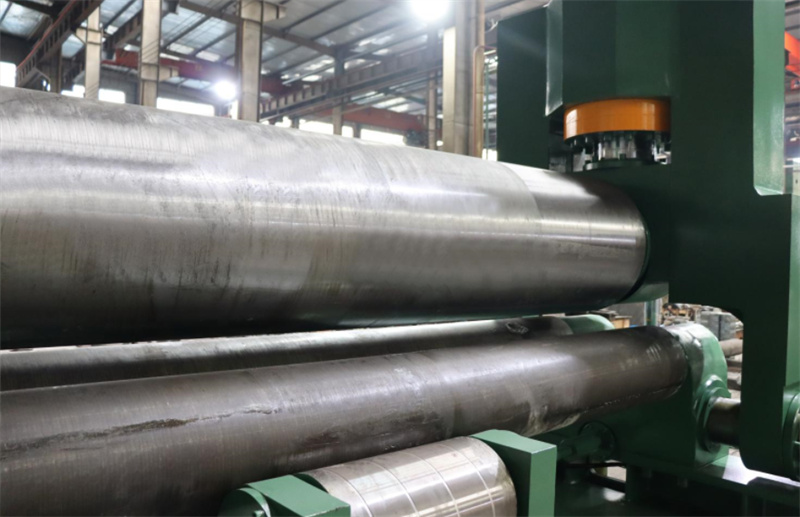
افحص جودة سطح الأسطوانات ودقتها بانتظام. تحقق من وجود خدوش أو تعرجات أو عيوب أخرى على سطح الأسطوانة، وأصلحها فور اكتشافها. فعلى سبيل المثال، يمكن تنعيم الخدوش الطفيفة باستخدام ورق صنفرة؛ أما التعرجات الأشد خطورة فتتطلب إصلاحاً باللحام.
- تحقق من توازي واستقامة الأسطوانات. فإذا لم تكن الأسطوانات متوازية أو مستقيمة وفق المتطلبات، فإن ذلك يؤثر سلباً على جودة دحرجة الصفائح المعدنية. ويمكن استخدام أدوات مثل الميزان والمايكروميتر للفحص؛ ويجب تعديل أي انحرافات فوراً. فعلى سبيل المثال، يمكن ضبط توازي واستقامة الأسطوانات عبر تعديل موقع تركيبها أو باستخدام قطع تسوية.
٤. تحقق من نظام النقل
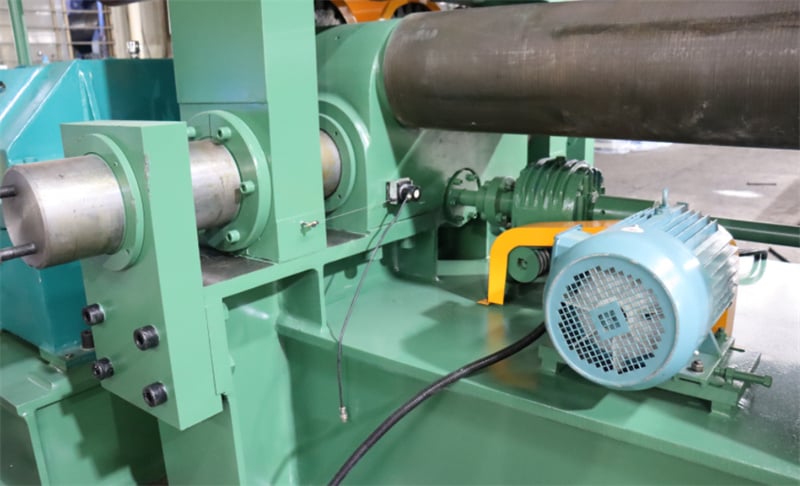
- فَحِصُ نِظَامِ التَّنْقِيلِ لِآلةِ تَدْحِيسِ الصُّفَحَاتِ بِشَكْلٍ دَوْرِيٍّ، وَذَلِكَ شَامِلًا التَّروسَ وَالسَّلاسِلَ وَالشَّرَايِطَ إلَخ. وَتَفَقَّدْ تَآكُلَ التَّروسِ وَمَا إِنْ كَانَتْ سَلاسِلُ وَشَرَايِطُ التَّنْقِيلِ مُشَدَّدَةً بِالشَّكْلِ الْمُنَاسِبِ. فَمَثَلًا، رَاقِبْ مَا إِنْ كَانَتْ أَسْنَانُ التَّروسِ مُتَآكِلَةً أَوْ مُتَشَقِّقَةً، وَاسْتَعْمِلْ مِقْيَاسَ الشَّدِّ لِلتَّأَكُّدِ مِنْ أَنَّ شَدَّ السَّلاسِلِ وَالشَّرَايِطِ يَتِمُّ وَفْقَ المَتَطلَّبَاتِ.
- اسْتَبْدِلْ مُكَوِّنَاتِ التَّنْقِيلِ المُتَآكِلَةِ جِدًّا. فَإِذَا كَانَتْ مُكَوِّنَاتُ التَّنْقِيلِ مِثْلَ التَّروسِ وَالسَّلاسِلِ وَالشَّرَايِطِ مُتَآكِلَةً جِدًّا، فَسَوْفَ تَأثِرُ ذَلِكَ عَلَى العَمَلِ الطَّبِيعِيِّ لِلمَعِدَّةِ. وَيَجِبُ اسْتِبْدَالُ المُكَوِّنَاتِ المُتَآكِلَةِ جِدًّا فَورًا لِضَمَانِ أَداءِ المَعِدَّةِ وَدِقَّتِهَا. فَمَثَلًا، يَجِبُ اسْتِبْدَالُ التَّروسِ المُتَآكِلَةِ جِدًّا؛ وَيَجِبُ ضَبْطُ السَّلاسِلِ وَالشَّرَايِطِ المُرْخَاةِ أَوْ اسْتِبْدَالُهَا.
ثَالِثًا: التَّحْذِيرَاتُ
١. العَمَلُ بِالأَمَانِ
- عند صيانة آلة تشكيل الصفائح، يجب الالتزام الصارم بإجراءات التشغيل الآمنة. فعلى سبيل المثال، عند تنظيف المعدات وفحصها، يجب قطع التيار الكهربائي أولًا لتفادي الصدمة الكهربائية؛ وعند فحص الأنظمة الهيدروليكية والكهربائية وإصلاحها، يجب أن تُنفَّذ العمليات من قِبل أشخاص مؤهلين لتفادي وقوع الحوادث.
- يجب على المشغلين ارتداء معدات الحماية الشخصية الضرورية، مثل القفازات والنظارات الواقية. وبخاصة عند تنظيف المعدات وإصلاحها، يجب اتخاذ الحيطة والحذر لتفادي الإصابات الناتجة عن شرائح المعدن أو الزيوت وغيرها.
٢. سجلاّت الصيانة
- إنشاء نظام شامل لتسجيل عمليات الصيانة، يشمل تسجيل وقت كل جلسة صيانة ومحتواها ونتائجها. فعلى سبيل المثال، تسجيل نظافة المعدات وحالة التزييت وفحص القطع المشدودة وفحص الأنظمة الكهربائية والهيدروليكية.
- تسجِّل السجلات الخاصة بالصيانة أساساً لإدارة وصيانة المعدات، كما تساعد المشغّلين على اكتشاف المشكلات المحتملة في المعدات بشكلٍ فوري واتخاذ التدابير المناسبة لمعالجتها.
٣. الصيانة الاحترافية
- إذا عانَت آلة دحرجة الصفائح من عطلٍ أو تلفٍ، فيجب إصلاحها فوراً. أما الأعطال المعقدة، فيجب أن يُجري إصلاحها فنيو صيانة متخصصون. فمثلاً، تُعالَج أعطال الأنظمة الكهربائية والهيدروليكية بواسطة مهندسين كهربائيين وهيدروليكيين متخصصين؛ بينما يُصلح التلف في الأجزاء الميكانيكية بواسطة فنيي صيانة ميكانيكية متخصصين.
- عند إجراء الصيانة، يجب استخدام قطع الغيار الأصلية أو البديلة الموثوقة لضمان أداء المعدات ودقّتها. وفي الوقت نفسه، يجب الانتباه إلى جودة الإصلاح لتفادي حدوث أعطال ثانوية.
باختصار، يتطلب صيانة آلة تدحرج الصفائح ذات الأسطوانات الثلاث المتناظرة فهم الصيانة اليومية والصيانة الدورية والاحتياطات الواجب اتخاذها. ويُعد الالتزام الصارم بدليل التشغيل الخاص بالجهاز أمراً جوهرياً لضمان أداء الجهاز ودقته، ولتمديد عمره الافتراضي.

