





Where Are Punching Machines Applied in the Shipbuilding Industry?
Efficiency and precision are essential when building modern vessels. Punching machines play an important part in this process by allowing accurate hole creation, cutting, and shaping of steel plates and structural parts. If you are wondering where these machines are used in shipyards and how they support vessel production, you have come to the right place. Throughout this article, I will describe their main applications, outline common operating practices, and offer advice on maintenance and troubleshooting. By the end, you will see exactly why punching machines are so valuable in shipbuilding.
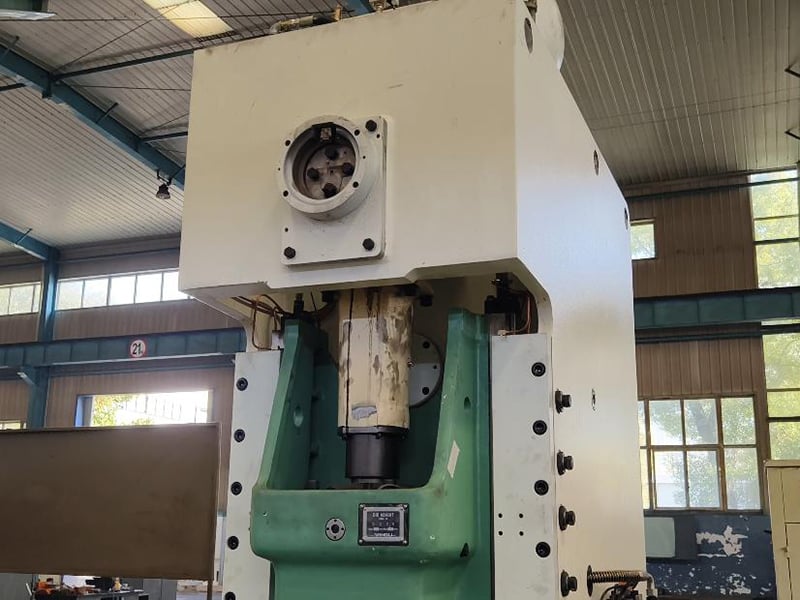
Applications of Punching Machines in the Shipbuilding Industry
Structural Steel Fabrication
Punching machines are commonly used to handle the large steel plates that make up a ship's hull, deck, and bulkheads. These machines enable precise hole punching for rivets, bolts, and welding points, which produces strong and dependable joints. Because the punching process is so accurate, it removes the risk of misalignment, a factor that is crucial to preserving the strength and safety of large marine structures.
Assembly of Ship Frames
In shipbuilding, frames form the skeleton of the vessel. Punching machines are used to make connection holes on beams, girders, and ribs, which are later joined into the ship's framework. By automating this task, workers save a considerable amount of time and avoid mistakes that could endanger the frame's structural soundness.
Deck and Superstructure Components
Ship decks and superstructures include many panels, stairs, and platforms that need holes for fasteners, handrails, and fittings. Punching machines allow uniform holes to be produced quickly, which supports efficient assembly. This is especially useful when several identical parts have to be made with consistent quality.
Pipe and Tube Processing
Shipbuilding relies heavily on piping systems for fuel, water, and exhaust. Punching machines can be used to create openings in panels and supports where pipes will be routed. With correct alignment, these openings minimize the need for rework during pipe installation and improve the overall flow of work.
Specialized Equipment Installation
Punching machines are also used to prepare mounting points for heavy equipment such as engines, cranes, and winches. By producing precisely placed holes, they guarantee that this machinery is installed securely and aligned correctly with the vessel's structural framework.
Operating Punching Machines for Shipbuilding
Preparing the Work Area
Before I start, I always confirm that the workspace is clean and that the steel plates are positioned correctly. Any debris or uneven surfaces can affect punching accuracy and damage the material.
Setting Up the Tooling
Different ship components call for different punch sizes. I carefully choose and install the right die and punch set for each job. When working with large steel plates, hydraulic or CNC-controlled punching machines deliver the most efficient and precise results.
Adjusting for Precision
To achieve consistent accuracy, I calibrate the punching machine based on the plate thickness and the hole size. This step prevents deformation of the material and ensures that the holes line up with assembly requirements.
Performing Routine Checks
Throughout the operation, I keep track of the machine's performance, watching for tool wear, misalignment, or drops in hydraulic pressure. Paying close attention to these factors helps avoid expensive downtime during production.
Common Maintenance Tips for Shipyard Punching Machines
Routine Inspections
I advise inspecting the machine on a daily basis for worn punches, damaged dies, and hydraulic system leaks. Catching these problems early helps prevent sudden failures.
Lubrication and Cleaning
Keeping the moving parts properly lubricated is essential. In a shipyard environment, dust and metal shavings build up quickly, so I make a point of cleaning the machine regularly to extend its working life.
Preventive Maintenance for Consistency
Arranging preventive maintenance every few hundred hours of operation keeps punching machines running at their best. This lowers unplanned downtime and helps ensure that shipbuilding projects stay on schedule.
FAQs
Why are punching machines important in the shipbuilding industry?
They are essential for creating precise holes and shapes in steel plates, which guarantees accuracy when assembling hulls, decks, and structural frames.
What type of punching machine is best for shipyards?
CNC punching machines are ideal because they handle large steel plates with high accuracy and speed, cutting down on manual work and boosting efficiency in shipbuilding projects.
How often should a punching machine be maintained in shipbuilding?
I recommend performing routine checks daily and scheduling preventive maintenance every 500 hours of operation to ensure smooth performance and reduce downtime.
Conclusion
Punching machines are applied at nearly every stage of ship construction, from processing structural steel plates to installing machinery and piping systems. Their ability to deliver precise, efficient results makes them indispensable for modern shipyards. By following proper setup, operation, and maintenance practices, you can get the most out of your punching machine and keep your shipbuilding projects moving forward.
If you would like to learn more about how these machines can benefit your shipyard, feel free to contact our team for detailed guidance and solutions tailored to your production needs.

