





What factors influence the replacement cycle of wear parts in a pipe-bending machine?
For the exact same pipe-bending machine, some facilities find that wear parts last a full year, while others need to replace them after just three months. It’s not a matter of luck—it comes down to the following variables.
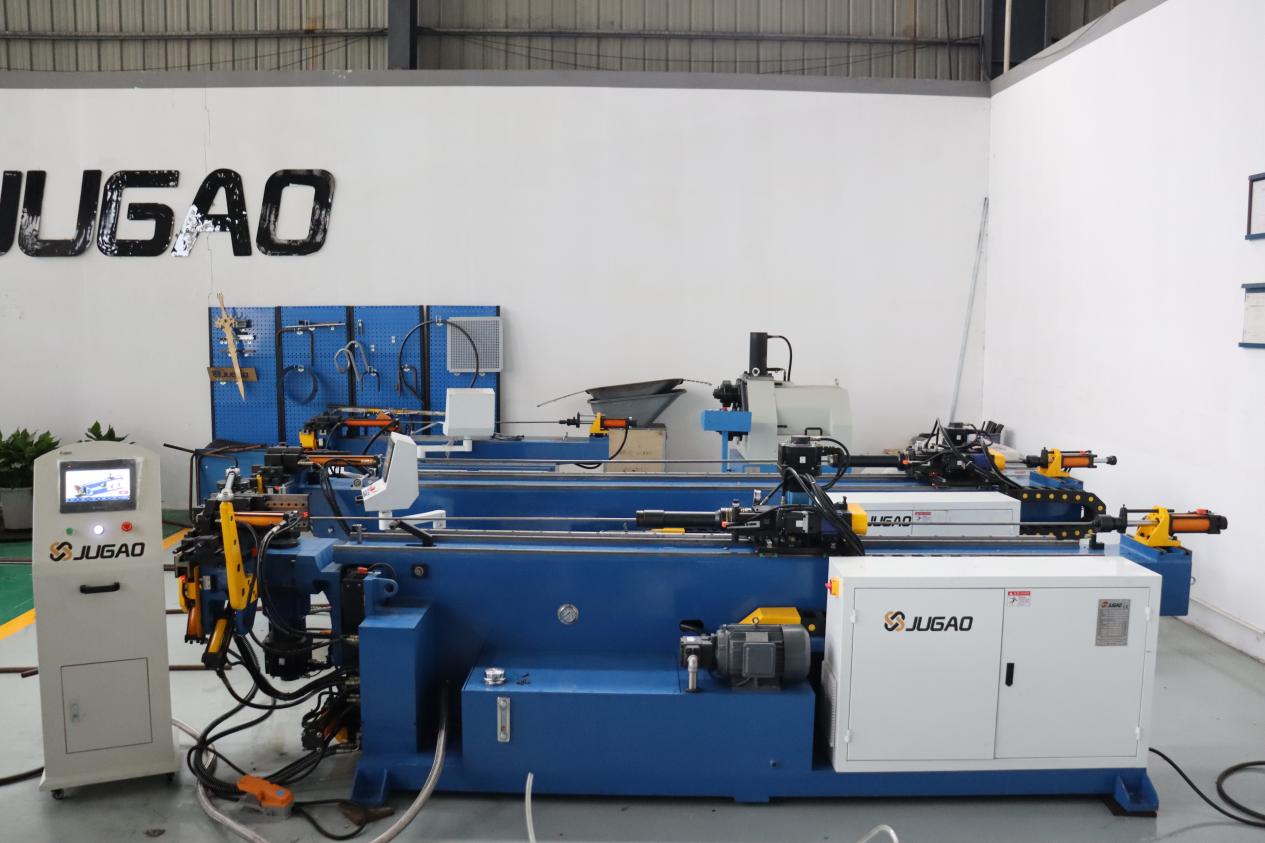
I. Production Intensity
Machines that run two or three shifts a day—or operate continuously—will naturally see faster wear on mandrels, dies, and clamp blocks compared to those used intermittently. Continuous operation leads to heat accumulation and repetitive stress, which accelerates material fatigue. Replacement intervals should be based on actual operating hours rather than calendar time.
II. Material Type and Wall Thickness
Materials such as stainless steel, high-strength steel, and thick-walled tubing generate significantly higher friction and bending forces than low-carbon steel or aluminum, leading to more rapid wear on dies and mandrels. Particular caution is required when frequently switching materials; for instance, using settings optimized for aluminum to bend stainless steel will drastically shorten the lifespan of wear parts.
III. Die Quality and Surface Treatment
Wear resistance varies significantly depending on the material—such as hardened steel or specialized alloys—and surface treatments like nitriding or chrome plating. While high-quality dies may have a higher initial cost, their longer service life and consistent bending quality make them more cost-effective in the long run. Conversely, inferior dies may be cheaper, but they require frequent replacement and often yield inconsistent results.
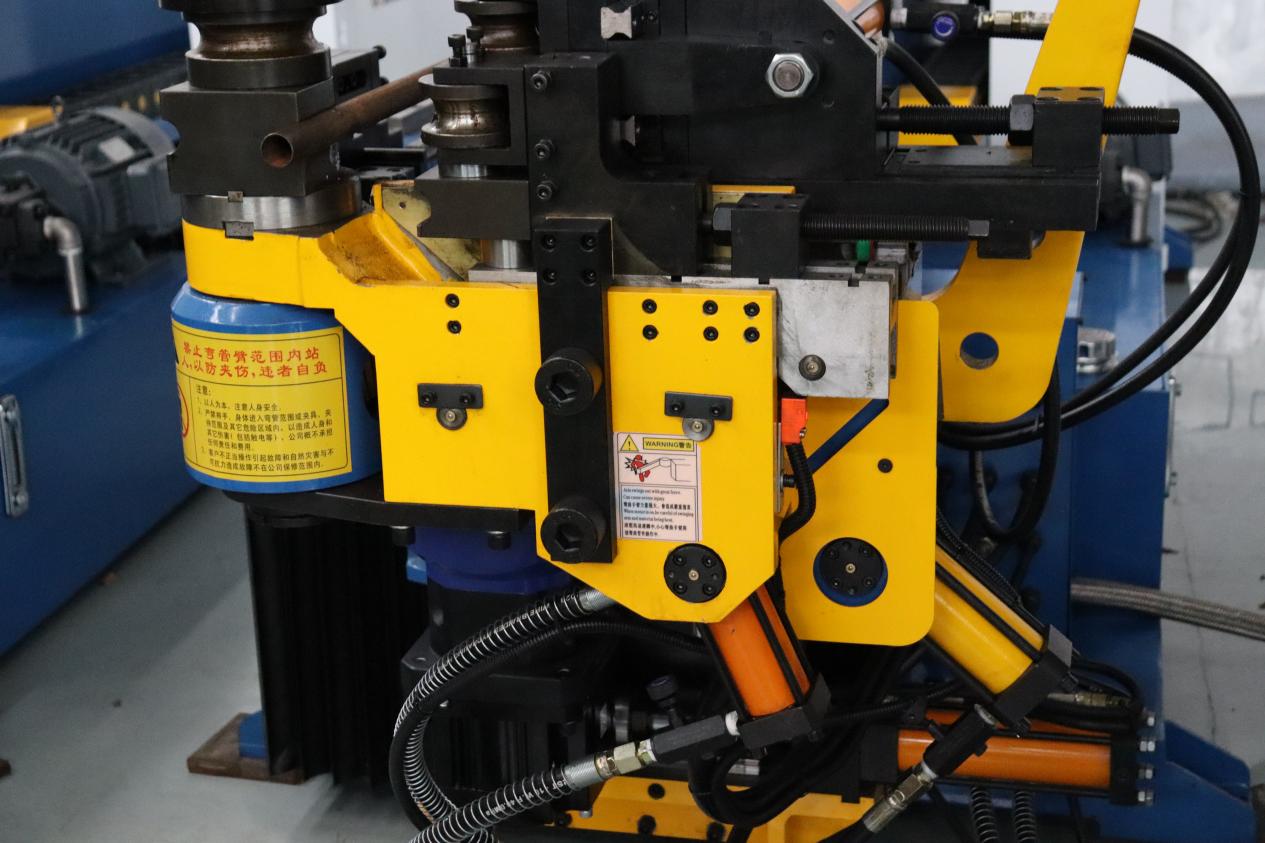
IV. Alignment and Fit Precision
If a mandrel or die is not properly aligned with the bending axis, contact becomes uneven, accelerating localized wear. Checking the fit after tooling changes or maintenance can prevent unnecessary damage to the equipment.
V. Bending Parameter Settings
Excessive bending speeds, overly high clamping forces, or incorrect mandrel positioning all exacerbate wear. Reducing bending speeds and precisely calibrating pressure settings can often extend the life of wear parts without compromising production efficiency.
VI. Lubrication and Maintenance
Inadequate lubrication increases friction and heat, causing rapid wear on mandrels and dies. Using the correct lubricant, ensuring consistent application, and performing regular inspections help maintain a predictable and manageable rate of wear. Many instances of premature component failure can ultimately be traced back to lubrication issues.
VII. Operator Skill and Process Consistency
Experienced operators know how to set parameters, listen for unusual noises, and make timely adjustments. Inconsistent settings across different shifts can lead to uneven wear. Standardizing operating procedures and providing proper training are highly effective ways to extend the service life of tooling.
The replacement cycle of wearing parts is not a fixed value. It is determined by production intensity, materials, mold quality, parameters, lubrication and personnel operations. By recording the operating hours and working conditions corresponding to each replacement, and accumulating several rounds of data, you can determine a replacement rhythm suitable for your workshop.

