





Proven Maintenance Strategies to Extend Press Punching Machine Service Life
In modern sheet metal manufacturing, maximizing the operational lifespan of press punching equipment is vital to sustaining continuous production lines and protecting machinery investments. Experiencing unplanned machinery shutdowns or costly component overhauls severely undermines shop-floor productivity. In this technical operational guide, JUGAO outlines industry-tested preventive maintenance routines, environmental safeguards, and operating protocols designed to preserve press performance, eliminate premature wear, and guarantee consistent processing quality across long-term production schedules.
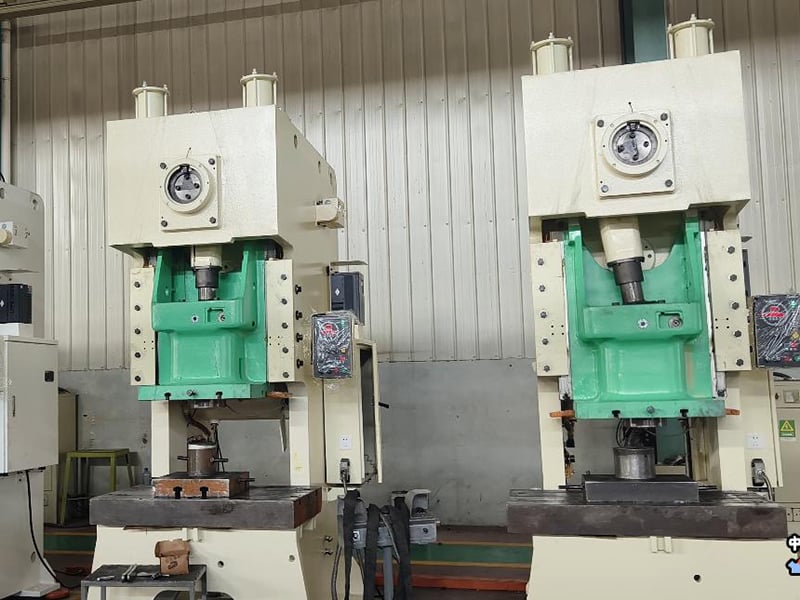
Systematic Routine Inspections for Long-Term Equipment Integrity
Step 1: Daily Visual Examinations and Safety Interlock Diagnostics
Prior to initiating shift operations, machine technicians must perform a comprehensive physical walkthrough to detect fluid leaks, structural wear, or loosened fasteners. Simultaneously, test all physical safety guards, emergency shutdown controls, and optoelectronic interlocks to verify full responsiveness. Identifying minor defects—such as a backing-off bolt or micro-fractured safety shield—prevents major system breakdowns during high-speed operation.
Step 2: Tooling Concentricity, Alignment, and Blade Wear Assessments
Rigorous inspection of punch-and-die concentricity and cutting edge conditions is essential. Misaligned tooling introduces unbalanced lateral forces, which accelerate wear on the ram guides, bushings, and bolster base. If tooling edges exhibit chipping, excessive radii wear, or galling, technicians should immediately schedule surface regrinding or tool replacement to preserve part tolerance and machine geometry.
Comprehensive Lubrication Protocols and Maintenance Timelines
Selecting Grade-Specific Oils and High-Performance Greases
Adhering strictly to manufacturer-specified fluid specifications is mandatory for friction control. Maintain a centralized registry of approved hydraulic oils and lithium/synthetic greases, avoiding non-compliant commercial substitutes. High-grade lubricants preserve film strength under heavy thermal and pressure loads, preventing thermal breakdown across slide gibs, main bearings, and hydraulic seals.
Formulating a Disciplined Lubrication Schedule
Establish a structured lubrication cycle: every 100 operational hours for high-frequency automatic presses, and every 250 hours for medium-duty equipment. Maintenance tasks encompass greasing all grease nipples, lubricating linear guide rails, and analyzing hydraulic reservoir levels. A standardized maintenance logbook ensures technician accountability and process repetition.
Environmental Controls and Facility Shop-Floor Standards
Regulating Facility Ambient Temperature and Humidity Levels
Unregulated shop environments accelerate machinery degradation. Excess ambient moisture induces oxidation on exposed ground surfaces, while extreme heat degrades hydraulic seals and elastomeric hoses. JUGAO recommends keeping ambient shop temperatures within 15–25 °C (59–77 °F) and relative humidity under 60%, deploying industrial dehumidification or climate management systems when seasonal shifts occur.
Establishing Workstation Sanitation and Scrap Management Protocols
Accumulated metal swarf, scale, and airborne dust cause slide scoring and seal failure. Implement mandatory end-of-shift floor sweeping, vacuuming around machine bases, and installing protective chip guards on collection bins. Eliminating abrasive particulate buildup protects sliding surfaces and enhances operational safety.
Operator Training Programs and Operational Parameter Control
Implementing Standardized Operator Training Standards
Conduct periodic refresher training for machine operators covering tonnage thresholds, stroke adjustment settings, and material handling procedures. Operating punching machinery beyond rated capacities or executing improper stroke depths severely accelerates mechanical fatigue and risks permanent frame distortion.
Tracking Key Machine Performance Metrics and Alarm Logs
Modern CNC punching presses feature onboard telemetry tracking operating tonnage, cycle frequencies, and system warnings. JUGAO recommends weekly data reviews to spot abnormal trends—such as sudden tonnage spikes or temperature shifts—enabling predictive maintenance before hardware failure occurs.
Strategic Spare-Parts Inventory Management
Maintaining Critical High-Wear Spare Inventories
Stock an on-site reserve of essential consumable components—including hydraulic seals, O-rings, fluid filters, and punch tips. Maintaining critical spares minimizes lead-time bottlenecks, enabling rapid component swaps during routine servicing or unexpected wear.
Utilizing Genuine OEM Replacement Components
Fitting authentic OEM parts guarantees exact dimensional tolerances and metallurgical compatibility. While aftermarket alternatives may offer short-term cost savings, inconsistent hardness or tolerance deviations can induce premature machine wear and compromise structural stability.
Frequently Asked Questions (FAQ)
Q: At what interval should hydraulic fluid filters be replaced?
A: JUGAO advises replacing hydraulic fluid filter cartridges every 500 operating hours or semi-annually, whichever milestone is reached first. Clean hydraulic oil prevents valve spool binding and protects internal pump vanes from particulate damage.
Q: Is automated or unattended operation recommended for punching equipment?
A: Unattended operation is strongly discouraged. Qualified personnel should remain present to respond immediately to safety interlocks or sensor alarms, preventing minor feed jams from cascading into major tool or machine damage.
Q: What are the recommended procedures for storing inactive punch and die tooling?
A: Thoroughly clean punch and die assemblies, apply a uniform coating of rust-inhibiting storage oil, and store tooling units in protective containers within a climate-controlled cabinet. Organized, dry storage prevents oxidation and physical impact damage.
Summary & JUGAO Technical Support
Extending the operational lifespan of press punching equipment demands a comprehensive maintenance culture: combining daily inspections, precise lubrication regimes, strict environmental controls, and skilled machine operation. Adhering to these engineering best practices drastically reduces unscheduled downtime, lowers overall operating expenses, and ensures steady, high-precision manufacturing output. For specialized maintenance scheduling, diagnostic support, or genuine factory spare parts, please contact the JUGAO dedicated service team for expert guidance.

