





Operation and Maintenance Guide for Laser Welder Chillers
Frequent breakdowns in your high-temperature welding equipment? The root cause may not be the welder itself—it’s the chiller!
When workshop temperatures exceed 35°C in the heat of summer, a spike in defective welds and unexplained machine downtime is often the result of a chiller’s temperature control system failing.
The chiller acts as the "heart" of the welding system, keeping it cool.
Stable water temperature and consistent water circulation are essential for ensuring welding precision and extending the lifespan of your equipment.
Common Summer Risks for Chillers
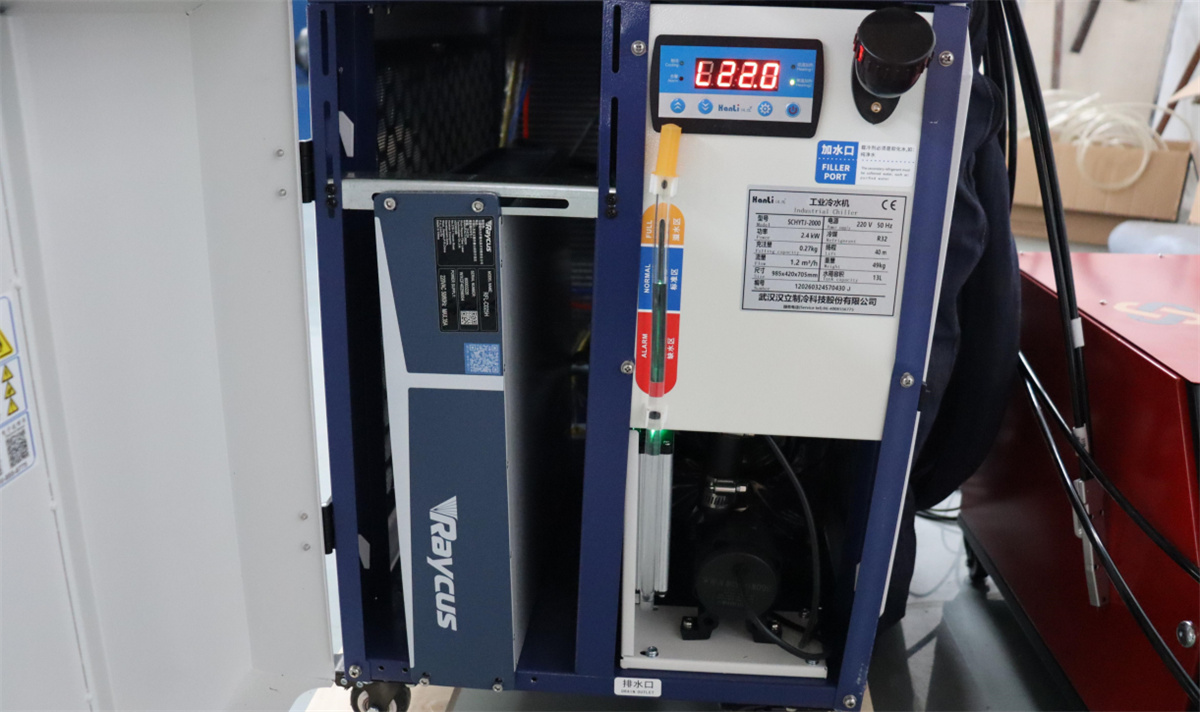
Operating at full load in high temperatures often leads to insufficient cooling, high-temperature alarms, condensation within the optical path, and sudden shutdowns—all of which disrupt stable production in the workshop.
The Cascading Costs of Neglecting Maintenance
Failing to perform summer maintenance can lead to a range of issues: a drop in laser power, defects in weld seams, the burning out of components, or total system failure—resulting in both high repair costs and lost production capacity.
I. Four Major Summer Risks for Chillers—Pitfalls Many Factories Fall Into
In the hot, poorly ventilated, and dusty environment of a summer workshop, chillers are prone to frequent breakdowns due to prolonged, overloaded operation. Be especially vigilant regarding these four hidden risks:
Risk 1: Lowering the Water Temperature Too Much—A Recipe for Destructive Condensation
This is the most dangerous and common mistake made in the summer! Many operators mistakenly believe that a lower temperature always yields better cooling—this is incorrect.
In the high humidity of summer, if the difference between the water temperature and the ambient room temperature exceeds 10°C, condensation is inevitable. This causes fogging on laser lenses, moisture in the optical path, and short-circuits that can burn out laser modules. This often leads to the total loss of core components, resulting in exorbitant repair costs!
Risk 2: Obstructed Heat Dissipation—Leading to Frequent High-Temperature Alarms and Shutdowns
Welding fumes and dust in the workshop can easily clog the condenser fins of a chiller. Furthermore, if equipment is packed too tightly or air vents are blocked by materials, heat dissipation efficiency drops sharply.
The consequences: insufficient cooling capacity, high-pressure/high-temperature alarms, and forced equipment shutdowns—all of which bring production lines to a halt and severely hinder batch manufacturing.
Risk 3: Water Quality Deterioration – Cooling Failure and Soaring Rejection Rates
High temperatures accelerate bacterial growth and scale formation in the water system. Failure to replace the water or filter cartridges over an extended period can lead to clogged water channels and poor circulation.
Although the equipment may appear to be running normally, its cooling capacity is often severely compromised. This directly results in unstable laser output, yellowing of weld seams, weak welds, or missed welds—causing the product rejection rate to remain consistently high.
Risk 4: Voltage Instability During Peak Power Demand – Damage to the Entire System
During summer, high electrical loads often cause frequent voltage fluctuations in the workshop. This leads to the chiller compressor cycling on and off repeatedly, disrupting the refrigeration cycle. Not only does this shorten the compressor's lifespan, but it also destabilizes the power supply to the laser welder, triggering various unexpected malfunctions.
II. Optimal Summer Temperature Control Parameters – Use These Settings
The golden rule for summer temperature control: avoid excessively low temperatures, maintain a stable temperature differential, ensure proper ventilation, and perform regular maintenance. Steer clear of indiscriminate cooling; use precise parameter settings to prevent 90% of potential failures at the source!
Standard Single-Temperature Laser Chiller: Set temperature to 26°C–28°C.
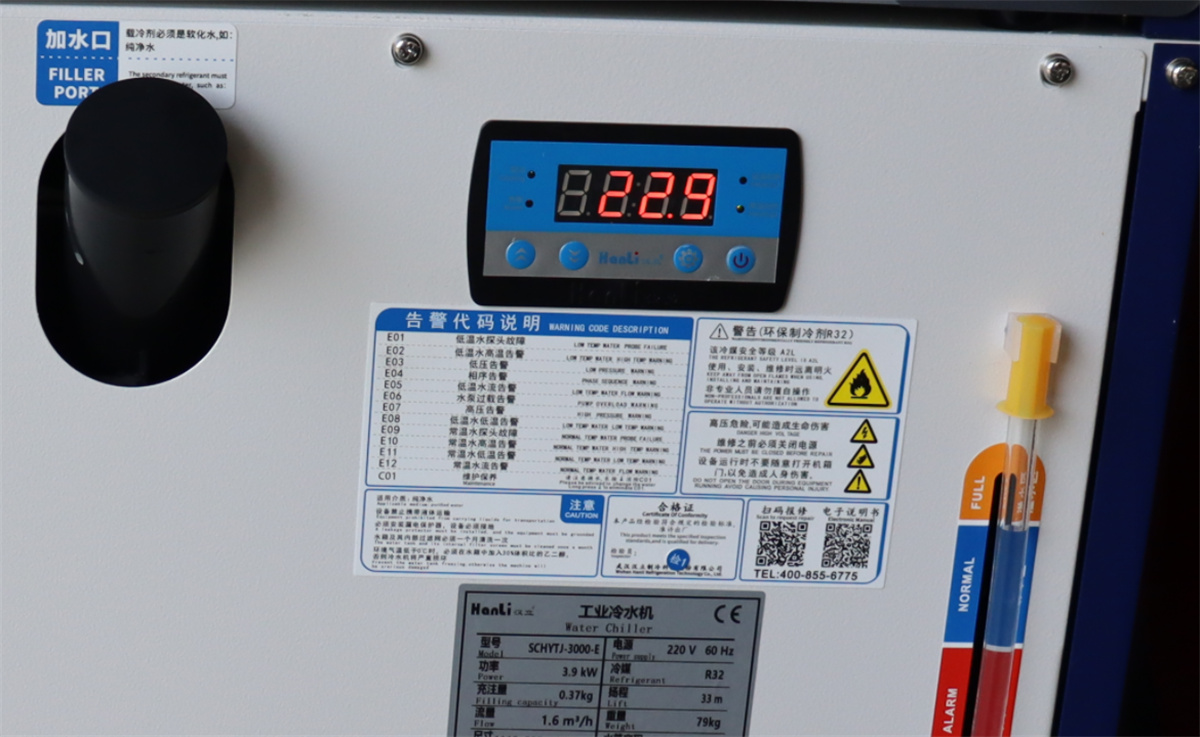
Dual-Temperature/Dual-Control Laser Chiller: Low-temperature circuit at 23°C–25°C / High-temperature circuit at 28°C–30°C.
Key to Preventing Condensation: Keep the difference between the water temperature and the ambient workshop temperature at ≤8°C.
Environmental Limits: The workshop temperature must not exceed 40°C. In high-temperature environments, additional ventilation or cooling equipment must be installed to assist with heat dissipation.
III. Practical Guide to Standardized Summer Chiller Maintenance
Follow these 5 daily maintenance steps to keep your equipment running reliably and avoid summer heat-related breakdowns!
01 Ensure Adequate Ventilation – Avoid "Suffocating" the Equipment
Maintain a clearance of at least 30cm around the unit. Do not place the chiller against walls or stack materials in a way that blocks the air vents. Clear debris from the air inlets and outlets daily to ensure smooth airflow and efficient heat dissipation.
02 Regular Dust Removal to Prevent Cooling Obstructions
Use dry compressed air weekly to clear dust and welding fumes from the condenser and cooling fans. Perform a thorough, deep cleaning of the entire unit once a month to prevent poor heat dissipation and high-temperature alarms at the source.
03 Proper Water Usage: Regular Replacement of Water and Filter Elements
The use of tap water or standard purified water is strictly prohibited; only distilled or deionized water must be used.
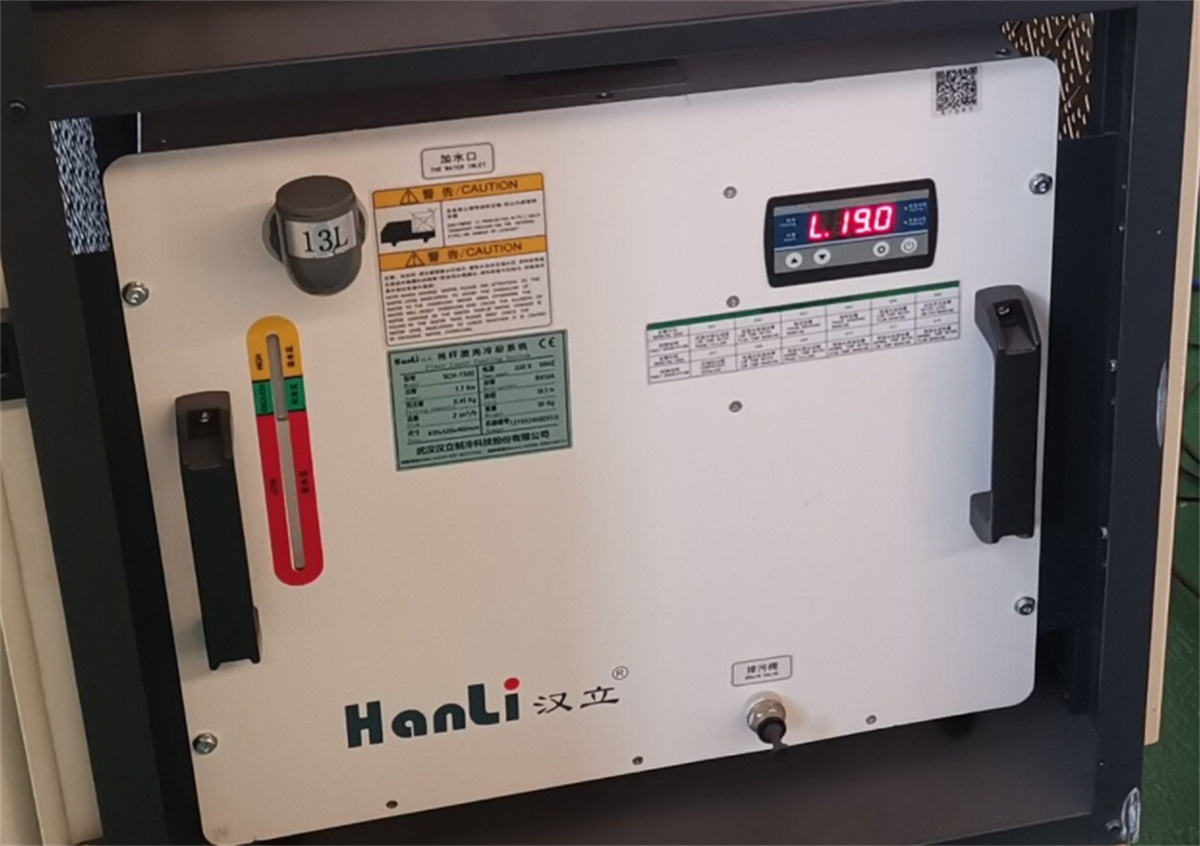
During the high temperatures of summer, replace the cooling water every 15–30 days. Regularly inspect and replace filter elements to prevent scale and impurities from clogging the water circuit, ensuring a stable water circulation system.
04 Stable Power Supply to Protect Internal Circuitry
Voltage fluctuations are common during peak summer power consumption. It is recommended to use a voltage stabilizer with an appropriate power rating to prevent frequent equipment restarts or circuit damage, thereby providing comprehensive protection for the core components of both the chiller and the laser welding machine.
05 Daily Pre-Operation Inspections to Identify Potential Issues Early
Before starting the equipment, check water temperature parameters, water flow pressure, and the operational status of the cooling fans. If you encounter unusual noises, water leaks, high-temperature alarms, or abnormal parameters, shut down the machine immediately for inspection and repair—never operate the equipment while it is faulty or under excessive strain.
IV. A Note from the Manufacturer: Meticulous Maintenance for Consistent Summer Productivity
Laser welding equipment is a high-precision system; the stability of the chiller is directly linked to the consistency of welding quality and production efficiency. In the high-temperature conditions of summer, proper temperature control and standardized maintenance are far more cost-effective and stress-free than dealing with repairs after a breakdown.
Many enterprises focus solely on the operation of the welding machine while neglecting the maintenance of the supporting chiller. This oversight often leads to significant losses, including equipment damage, production stoppages, and a sharp rise in defect rates. Diligent daily maintenance is the key to extending equipment lifespan, reducing production costs, and ensuring highly efficient manufacturing.

