




How to Fix Hydraulic Oil Leaks in a Pipe Bending Machine?
Hydraulic oil leakage is one of the most common issues encountered with pipe bending machines. Beyond wasting oil and contaminating the floor, such leaks can lead to a drop in system pressure—resulting in insufficient bending force and inconsistent bending angles—or, in severe cases, a complete machine shutdown. Below, we outline the common causes of leaks, diagnostic methods, and the steps for repair.
I. Identifying the Cause of Leaks
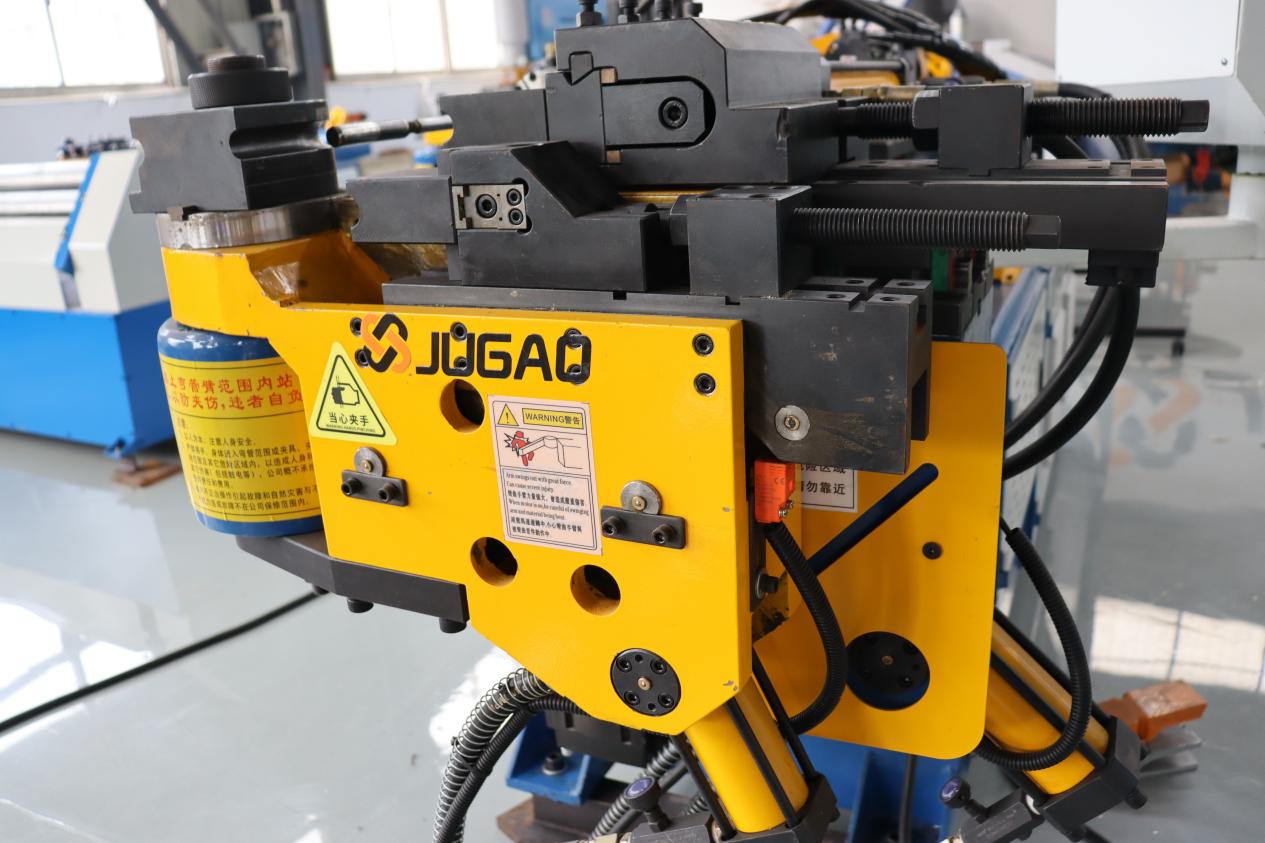
Aging of seals is the most common cause. Rubber components—such as cylinder piston rod seals, pump shaft oil seals, and O-rings in valve blocks—gradually harden and crack due to exposure to high temperatures, high pressure, and oil contamination.
Loose connections are also frequent. Given the significant vibrations in pipe-bending machines, pipe fittings, ferrules, and flange bolts can loosen over time. High-pressure oil begins to seep from these loose points—initially appearing as a thin film, then progressing to visible oil droplets.
Hose failure is another major issue. Hoses may crack due to excessive bending, aging, or friction against nearby moving parts. Once the outer layer is damaged and the internal reinforcement (braided layer) is exposed, the hose may eventually burst or develop leaks.
Two other often-overlooked causes include: overfilling the oil tank (causing oil to expand when heated and overflow through the breather vent) and setting the system pressure too high (exceeding the capacity of seals and hoses, leading to leaks at the weakest points).
II. Diagnosis: Locate the Leak Before Disassembling
Start with a visual inspection of the exterior. Look for fresh oil stains around hoses, fittings, pump stations, valve blocks, and cylinder connections—these are your primary suspects. Wipe the areas clean, operate the machine for a while, and observe again; the leak source will become more apparent.
Examine the cylinder piston rods. If the rod surface is oily or if oil drips after the machine stops, the dust seal or piston rod seal is likely worn. If a cylinder fails to maintain pressure at the end of its stroke and begins to retract on its own, the internal piston seal has failed—this is an "internal leak."
Check the oil level and system pressure. If the oil level is too high, drain the excess. Use a pressure gauge to measure the system pressure and compare it against the manufacturer’s recommended values; if it is too high, adjust the relief valve.
III. Repair Methods
For leaks at fittings: Use a torque wrench to retighten the connection to the manufacturer’s recommended torque. If the leak persists, disassemble the fitting to inspect the ferrule or O-ring, and replace any damaged parts. When installing an O-ring, apply a small amount of hydraulic oil to prevent it from being nicked or cut during tightening. Oil leakage from seals: When replacing a seal for a hydraulic cylinder piston rod, ensure it is installed in the correct orientation, with the lip facing the pressure side. If the piston rod surface has minor scratches, polish them with fine-grit sandpaper; if the scratches are deep, the piston rod must be replaced. When replacing a pump shaft oil seal, check that the pump housing’s return line is clear; an obstructed return line can cause pressure to build up inside the pump, leading to premature failure of the new oil seal.
Oil leakage from hoses: Hoses that exhibit external cracking, bulging, or leakage at the fittings should be replaced entirely; do not attempt repairs using tape or adhesive. During installation, ensure the bend radius is not too small, secure the hoses with clamps, and prevent them from coming into contact with moving parts.
Oil overflow from the reservoir: Drain excess oil until the level reaches the manufacturer's specified standard. Check the breather vent for blockages; a clogged vent can cause pressure to rise inside the reservoir, resulting in oil leakage.
Excessive pressure: Adjust the relief valve to the manufacturer's recommended setting. Excessive pressure not only causes leaks but also accelerates the aging and degradation of seals and hoses.
IV. Preventive Measures
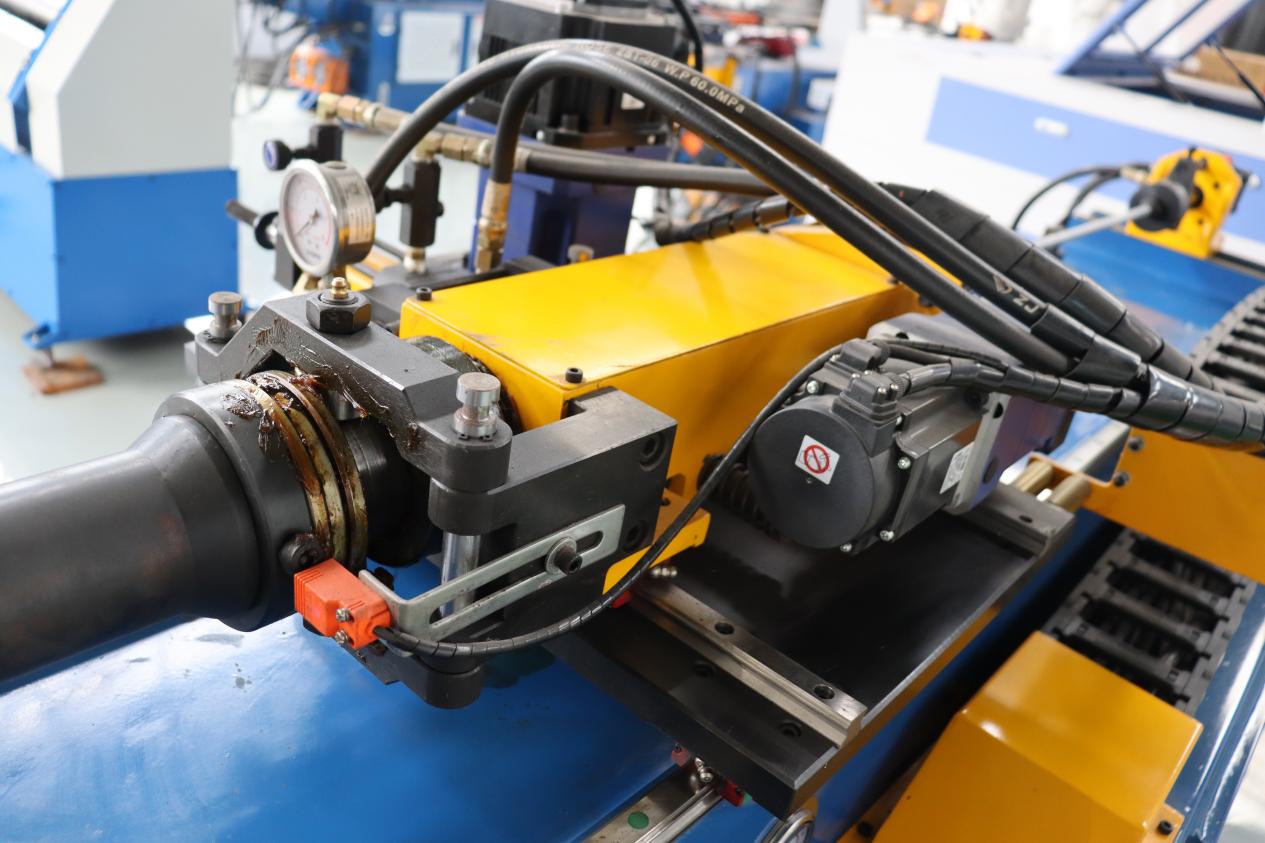
Regularly inspect hoses and seals, and replace them promptly if signs of aging, cracking, or wear are detected. Keep the hydraulic fluid clean by periodically changing both the fluid and the filter elements; contaminated fluid accelerates the wear of seals. Ensure system pressure is set according to specifications—do not increase it arbitrarily. Proactively replace hoses every two to three years; do not wait until they burst.
V. Key Considerations
Do not delay repairs if an oil leak is discovered. A minor leak, if left unaddressed, can escalate into a major one and potentially lead to safety hazards. Always depressurize the system before performing repairs, as high-pressure oil spray poses a significant danger. When replacing seals, use original manufacturer parts or components that meet the exact same specifications—do not use unsuitable substitutes.

