





How to Choose a Punching Machine Worktable Correctly
Choosing a suitable punching machine worktable can make a real difference to your production efficiency and to the quality of the parts you turn out.
If you have been struggling with inconsistent results, or are wondering how to get more from your punching machine, it pays to understand what makes an effective worktable. In this article I walk you through the key considerations step by step, so you can pick the worktable that fits your own requirements with confidence.
Factors to Consider When Choosing a Punching Machine Worktable
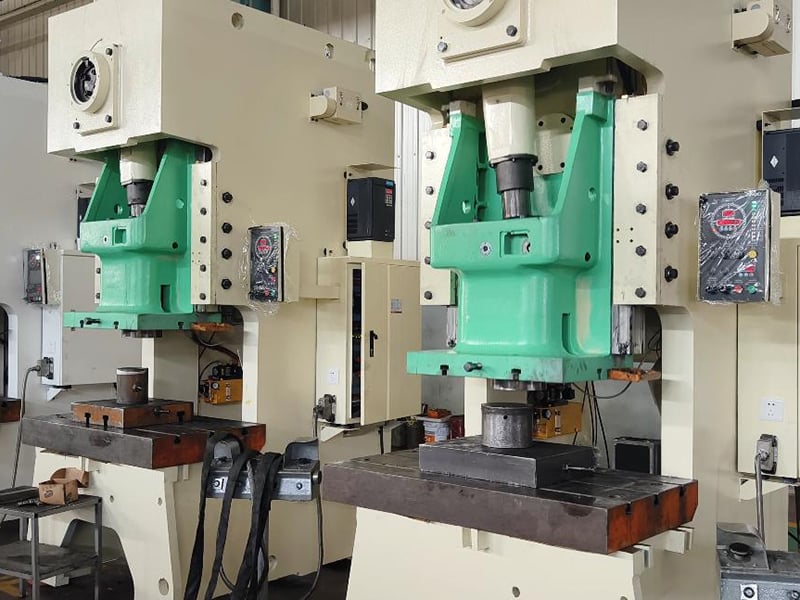
Evaluate the Material Compatibility
The first step when you select a worktable is to judge how well it suits the materials you run. Different tables perform best with particular materials, such as stainless steel, aluminum, or mild steel. Picking a table that matches your dominant material type gives you better precision and a longer service life for your punches and dies.
Consider Table Dimensions and Size
The dimensions of the worktable matter a great deal, especially when you handle large or irregularly shaped workpieces. A table that is too small can create operational difficulties, delays, or inaccuracies. Measure the largest dimensions you work with regularly, then choose a worktable that accommodates those sizes comfortably, with room left for accurate and safe operation.
Assess Durability and Construction Quality
Durability is another important consideration. A sturdy, well-built worktable made from high-quality steel or alloy can endure extended use and heavy workloads. Always inspect or ask about the structural build and the quality of the welding. A durable worktable cuts downtime, reduces how often maintenance is needed, and lowers overall operating costs.
Examine Worktable Surface and Precision Features
Precision and surface flatness are central to high-quality punching. Favor a worktable with a highly polished or coated surface, since this limits friction and protects workpiece quality. Beyond that, tables with built-in precision alignment guides or grid lines can simplify setup and improve accuracy, saving time and cutting errors in the punching process.
Advanced Features for Enhanced Performance
Incorporating Automation Capabilities
For operations that call for high productivity, consider a worktable with automation features such as motorized indexing or programmable positioning. Automation reduces manual input and improves precision, which raises throughput and consistency considerably in your manufacturing processes.
Integrated Clamping Systems
Clamping systems are essential for holding workpieces firmly during operation. Look for built-in pneumatic or hydraulic clamping that delivers fast, secure, and dependable holding. Better clamping means precise punching, improved safety, and greater operating efficiency.
Anti-Vibration and Noise Reduction Features
Vibration and noise during punching can tire operators and introduce inaccuracies. Choosing worktables fitted with anti-vibration pads or noise-dampening features can greatly improve safety and accuracy in the workplace. Such features reduce machine wear and operator discomfort, which leads to better productivity.
Maintenance and Care for Long-Term Efficiency
Regular Inspection and Cleaning
Routine inspection and cleaning keep your worktable performing well and lasting longer. Remove debris regularly and check the surface for signs of wear or damage. A simple maintenance schedule can extend the worktable's lifespan and preserve consistent precision.
Scheduled Lubrication and Surface Treatment
Regular lubrication and protective surface treatments are essential preventive steps. They reduce friction, guard against rust and corrosion, and keep precision alignment intact. Following the recommended maintenance intervals sustains high performance and cuts downtime.
FAQs
How do I ensure maximum accuracy with my Punching Machine Worktable?
To reach maximum accuracy, choose a worktable with precision-ground surfaces and built-in alignment features. Routine maintenance and proper alignment checks will raise accuracy further.
What size Punching Machine Worktable should I choose for large sheet metal parts?
Always pick a table larger than the biggest workpiece you expect, so that stability and precision are guaranteed. Measure your largest components and add extra margin for safety and ease of operation.
How often should my Punching Machine Worktable undergo maintenance?
A routine maintenance check should ideally take place monthly, with a thorough inspection every six months. Frequent cleaning and prompt handling of minor wear prevent major operational problems.
Conclusion
Choosing the right Punching Machine Worktable is fundamental to high precision, consistent quality, and better productivity in your manufacturing operations. By weighing material compatibility, table size, durability, precision features, and possible advanced capabilities, you will reach a well-informed decision that fits your specific requirements.
Remember that proper maintenance greatly extends the working life of your worktable and preserves accuracy. For personalized guidance, further questions, or support, feel free to contact our expert team at JUGAO. We are always here to help you reach your manufacturing goals.

