





Higher Power Isn't Always Better for Laser Welding Machines! 3 Hidden Drawbacks of Choosing High Power
When purchasing a laser welding machine, many enterprises instinctively look at the power rating—1000W, 1500W, 2000W, 3000W, or even higher. Does higher power automatically mean faster welding speeds and a wider range of applications?
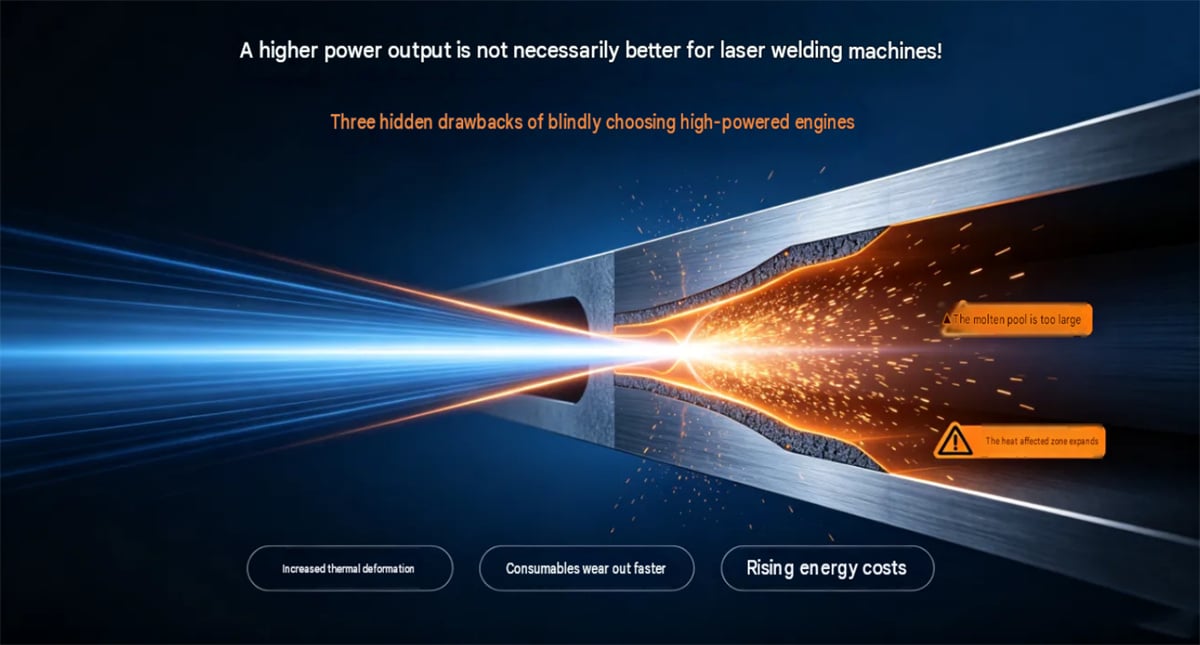
In reality, higher power is not always better for laser welding machines.
The ideal laser power varies depending on the material, plate thickness, weld joint configuration, and production requirements. Pursuing "high power" alone can not only increase equipment procurement costs but also lead to issues regarding process compatibility, energy efficiency, and product quality.
Therefore, when selecting a laser welding machine, the real priority is ensuring the equipment's power matches your specific welding application.
I. What Does Laser Welding Machine Power Actually Mean?
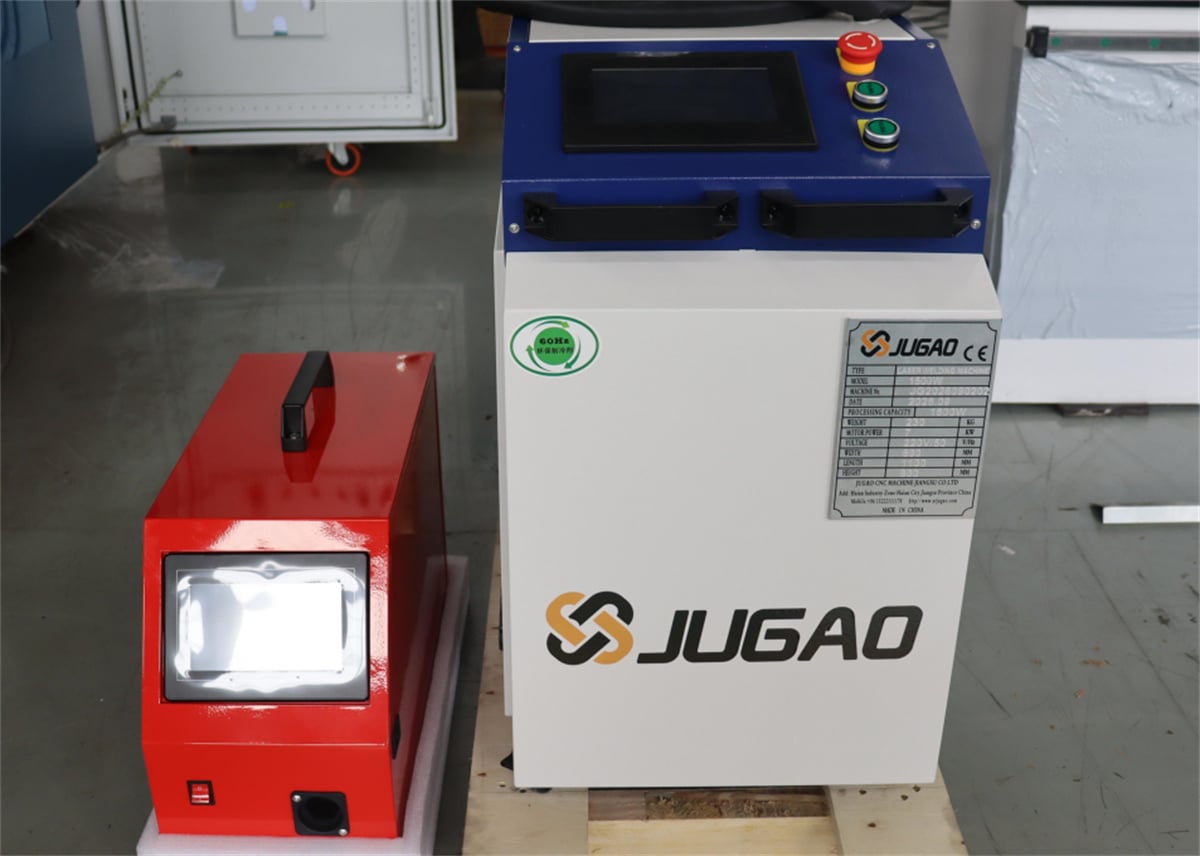
The power of a laser welding machine typically refers to the laser source's rated output power—such as 1000W, 1500W, 2000W, or 3000W.
Simply put, laser power determines the amount of energy delivered to the workpiece per unit of time; it is therefore linked to factors such as welding speed, penetration depth, and material compatibility.
However, this does not mean that:
3000W necessarily yields better welding results than 2000W, nor is 2000W necessarily more suitable for every workpiece than 1500W.
Actual welding performance is also influenced by the following factors:
Workpiece material
Material thickness
Weld seam width
Welding speed
Focal position
Beam oscillation mode
Shielding gas
Laser welding head
Workpiece surface condition
Weld structure and assembly gap
Thus, laser power is just one parameter to consider during selection—not the sole criterion.
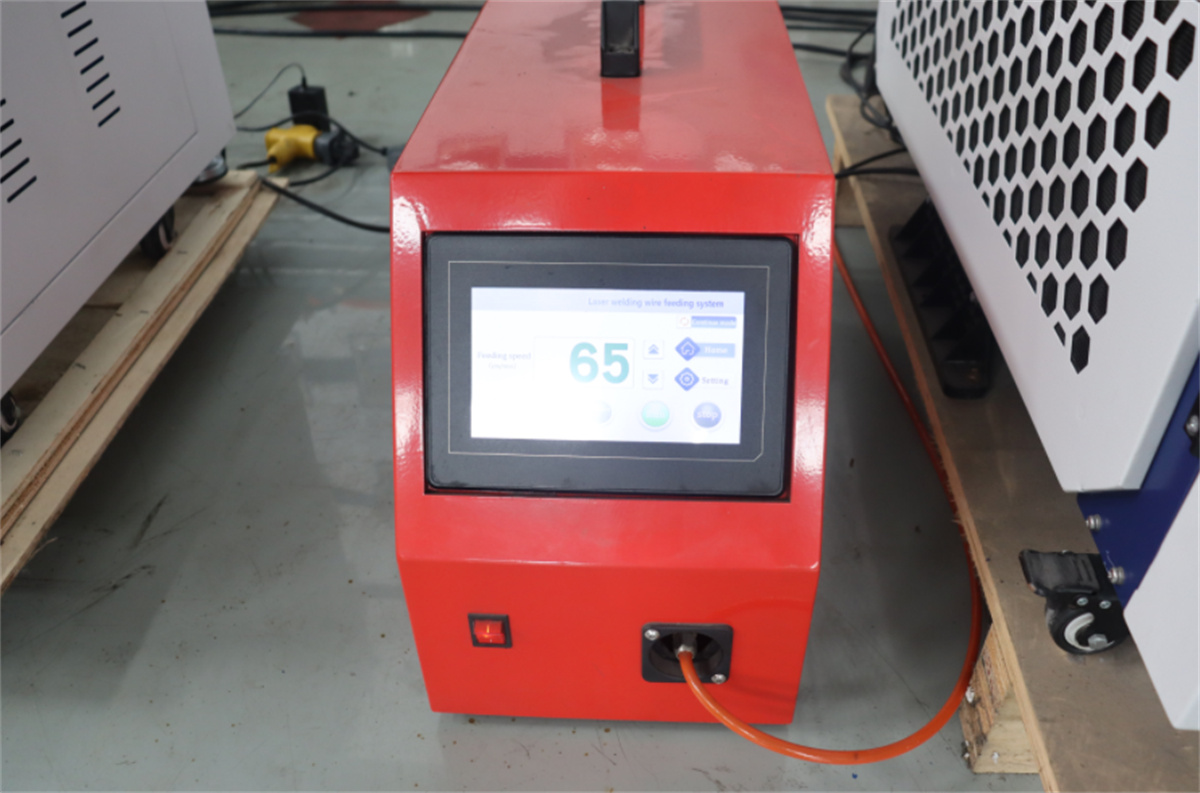
II. 3 Hidden Drawbacks of Blindly Choosing High-Power Laser Welding Machines
Drawback 1: Increased equipment investment without a guaranteed boost in actual productivity
This is an issue that many enterprises tend to overlook. If the workpieces being produced are primarily thin sheets, small metal parts, or products requiring limited welding, yet the equipment’s laser power far exceeds actual process requirements, the additional investment in machinery may not translate into a corresponding gain in production efficiency.
Consider metal sheet welding, for example:
Requirements for laser power vary depending on workpiece thickness, weld seam length, and production cycle times.
If the product does not actually require higher power, purchasing equipment simply to achieve "high power" may unnecessarily increase upfront investment costs.
Therefore, equipment selection should not be based on a simple logic of:
"If the budget allows → Buy higher power"
Instead, the selection process should follow this sequence:
"Actual workpiece → Process requirements → Production cycle time → Equipment power"
For enterprises, an appropriate power configuration is usually more practically beneficial than simply pursuing the highest possible power output.
III. Drawback 2: Excessive power makes matching process parameters more difficult
Laser welding is not simply a matter of cranking the power to the maximum and proceeding to weld.
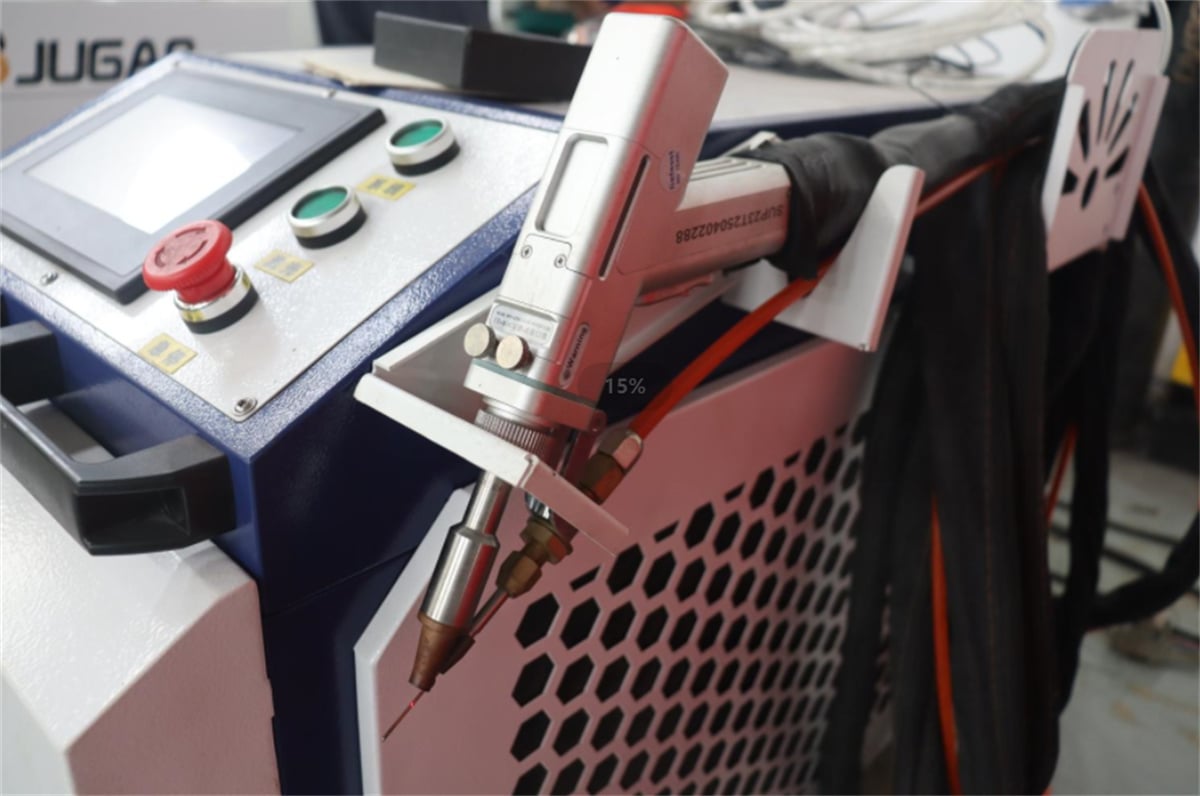
Actual production requires the integrated control of various process parameters, such as laser power, welding speed, focal position, beam oscillation amplitude, and shielding gas.
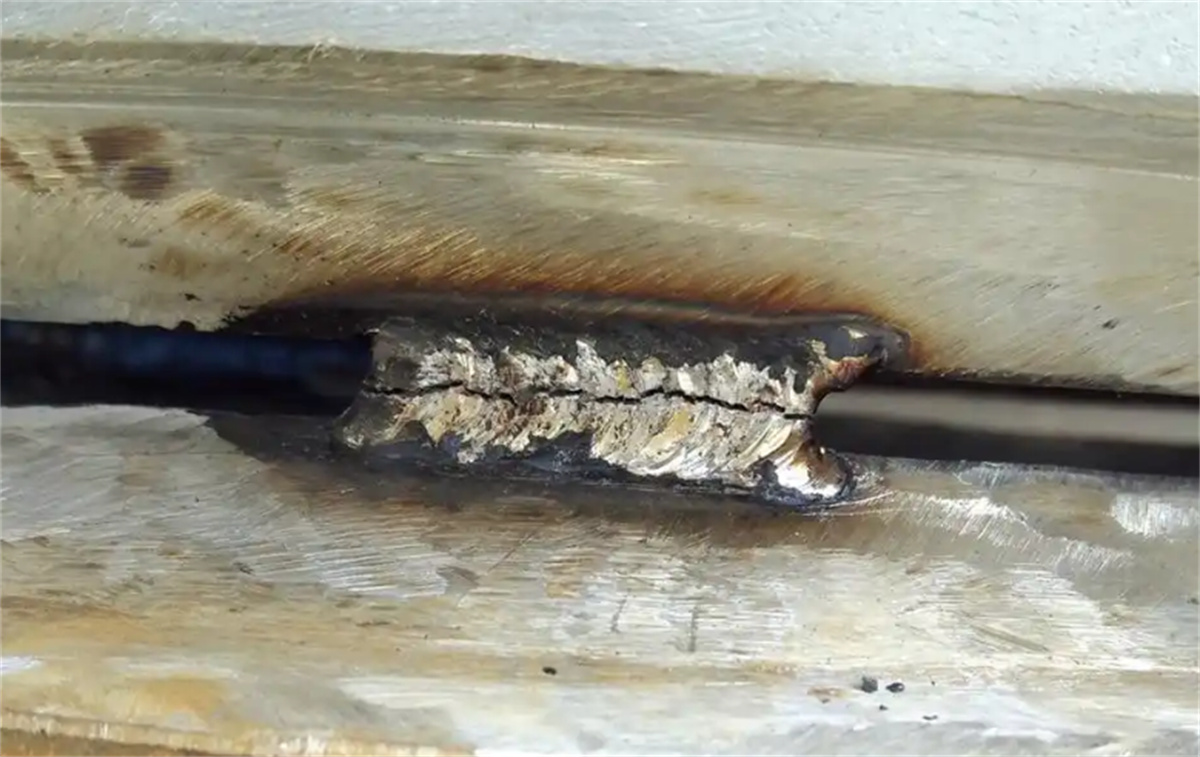
If the workpiece is thin but the laser power is set high—and parameters are not properly matched—the following issues may occur:
Burn-through
Excessive weld seam width
Excessive heat input
Surface deformation
Increased welding spatter
Inconsistent weld seam appearance
Thin-sheet welding, in particular, is highly sensitive to heat input control.
Of course, high-power laser welding machines can be adjusted (via power, speed, and other parameters) to suit different workpieces; it is not the case that "high-power equipment cannot weld thin sheets."
The real issue is:
Higher equipment power does not mean that welding process matching can be ignored.
For enterprises, if the equipment is primarily used for thin sheets, precision parts, or products with strict aesthetic requirements, it is more important to focus on the equipment's power adjustment range and overall process control capabilities rather than just its maximum power rating.
IV. Drawback 3: Potential "excess" in energy utilization and equipment configuration
The actual operating cost of a laser welding machine depends not only on laser power but also on factors such as operating time, cooling methods, auxiliary equipment, consumables, and production cycle times. If equipment operates at a low load for extended periods while the actual product does not require high power, the advantages of high-power equipment may not be fully realized.
Consider a simple example:
A factory primarily manufactures thin stainless steel or carbon steel sheets (around 1mm thick) with a steady daily welding volume. Testing confirms that 1500W or 2000W equipment is sufficient to meet production needs.
In this scenario, opting for 3000W equipment does not necessarily yield production gains proportional to the increase in power.
Therefore, when selecting a laser welding machine, enterprises should consider:
Equipment investment + actual production capacity + operational requirements + future expansion plans
...rather than simply comparing laser wattage.
V. Should one always opt for a low-power laser welding machine?
At this point, some enterprises might fall into another misconception:
"Since high power isn't necessarily better, is it more cost-effective to buy low-power equipment?"
This is not entirely correct either.
If the equipment's power falls short of actual process requirements, it may fail to achieve the necessary weld penetration and welding speed.
For instance, when dealing with thicker metal sheets, deep welds, or applications requiring high production throughput, insufficient power might necessitate slower welding speeds or even result in a failure to achieve the desired welding quality.
Thus, the key to selecting laser welding machine power is not:
"The higher, the better" or "The lower, the more money saved."
Instead, it is about:
Sufficiency, suitability, and a reasonable margin of safety.
VI. How should laser welding machine power be determined based on different operating conditions?
When making an actual selection, consider the following aspects:
Welding Thin Sheets
If the primary tasks involve welding thin sheets, small sheet metal components, or metal parts for electronics and appliances, the focus should be on precision control and heat input rather than simply pursuing high power.
Common power ratings—such as 1000W, 1500W, and 2000W—all have their respective application scenarios.
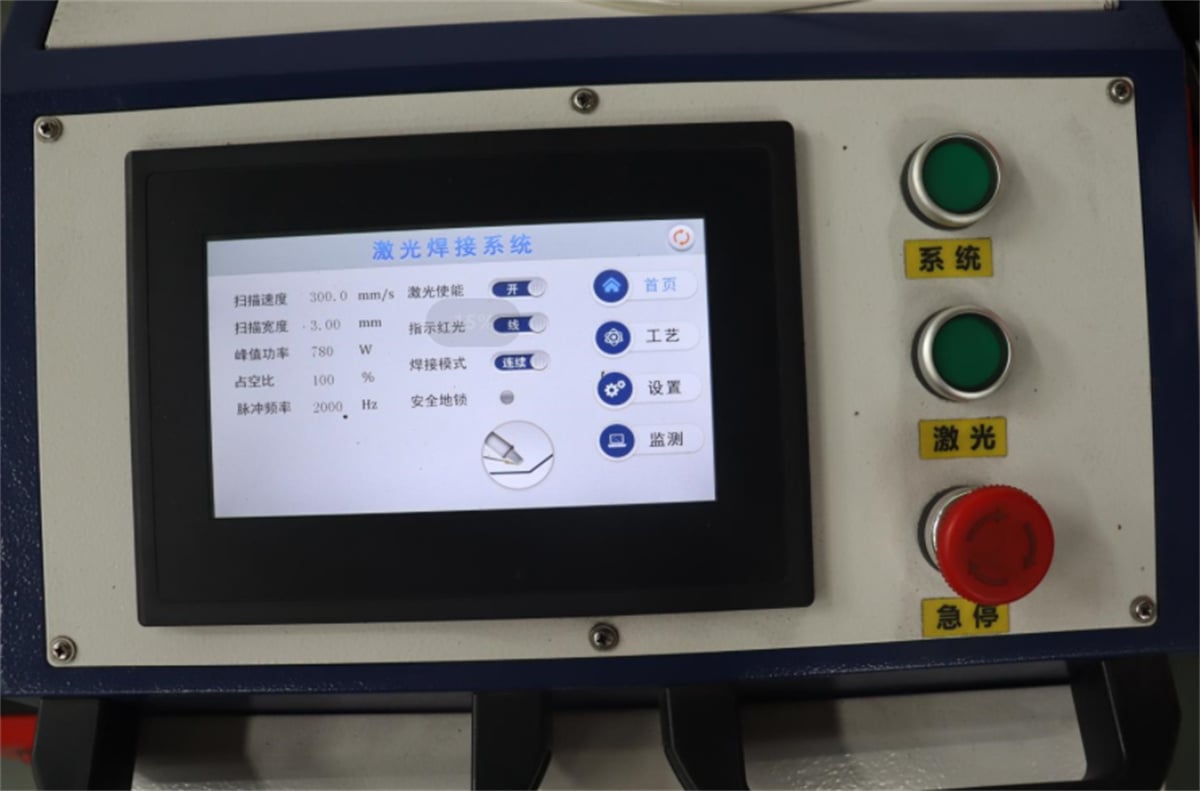
Ultimately, the decision should be based on test results involving the actual materials and thicknesses.
Medium-thickness metal sheets
If the product thickness increases and higher demands are placed on welding speed and penetration depth, higher-power equipment—such as 2000W or 3000W models—should be evaluated.
In this scenario, factors such as welding speed, weld joint configuration, and production cycle time must be considered holistically.
Thicker sheets or high-efficiency continuous production
For thicker metal materials or production scenarios requiring higher welding efficiency per unit of time, higher-power laser equipment may offer greater potential.
However, the final power setting must still be determined through actual process testing, rather than simply selecting a power level based solely on sheet thickness.
VII. Five key factors to consider when choosing a laser welding machine
1. Material
Laser welding characteristics differ for materials such as stainless steel, carbon steel, galvanized sheet, and aluminum alloy.
First, identify the actual material to be welded, then evaluate the required power.
2. Thickness
Sheet thickness is a key reference factor for determining laser power.
However, power cannot be determined by thickness alone; factors such as weld joint configuration, welding speed, and product specifications must also be considered.
3. Welding speed
If the enterprise has strict requirements for production cycle times, the balance between equipment power and the target welding speed must be considered.
4. Weld requirements
Different products have varying requirements regarding weld appearance, penetration depth, deformation, and weld strength.
For products with high aesthetic requirements, overall process control is particularly important.
5. Future production needs
If the enterprise plans for product upgrades, increased sheet thickness, or expanded production capacity in the future, it is advisable to select equipment with some reserve capacity beyond current process needs.
This prevents current equipment from being inadequate while also avoiding the need for repeated equipment purchases in the short term.
VIII. Why conduct sample testing before purchasing a laser welding machine?
Laser welding machines are equipment where the process itself is critical.
Even with the same 2mm metal sheet, requirements for equipment power can vary depending on the material, weld joint configuration, assembly gap, and production speed.
Therefore, before purchasing, enterprises are advised to conduct tests using actual workpieces.
Actual sample testing allows you to verify:
What power level is appropriate?
What welding speed can be achieved?
Does the penetration depth meet requirements? Does the weld appearance meet standards?
Are there any issues like burn-through, spatter, or deformation?
Is the equipment suitable for subsequent mass production?
Testing on actual workpieces provides a more intuitive assessment than simply looking at equipment specification sheets.
This is particularly important for companies adopting laser welding for the first time; sample testing helps minimize the gap between equipment selection and actual production requirements.
IX. The Right Approach to Selecting Laser Welding Machine Power
To summarize the selection process in a single sentence:
Examine the workpiece first, then determine the process; conduct tests first, then determine the power.
Do not assume you need a 3,000W machine simply because a competitor uses one.
Likewise, do not automatically assume a low-power machine is the right choice just because a 1,000W model comes with a lower price tag.
A more rational selection process looks like this:
Determine material → Determine thickness → Clarify welding requirements → Determine production cycle time → Test on actual workpieces → Determine laser power → Configure equipment.
A laser welding machine selected this way will better align with actual production needs.
X. Laser Welding Machines: Higher Power Isn't Always Better—Matching Is Key
Laser welding solutions allow you to match the equipment power to the specific material, thickness, weld joint structure, and production cycle time. Unsure about which power level to choose? Send us your actual workpieces; JUGAO offers free process evaluations and sample testing. We determine the optimal equipment solution based on actual welding results, helping you avoid guesswork and ensuring the welding machine truly serves your production needs.

