





Які основні компоненти трубогібного верстата?
Станки для гнуття труб є ключовим обладнанням для досягнення точного гнуття труб. Незалежно від того, чи є вони гідравлічними, електричними чи ЧПК-станками, їхня основна конструкція ґрунтується на трьох основних функціях: стабільному затисканні, точному обертанні та ефективній опорі. Розуміння функції кожного компонента сприяє правильній експлуатації та технічному обслуговуванню обладнання.
1. Механізм обертання при гнутті (ручка гнуття)
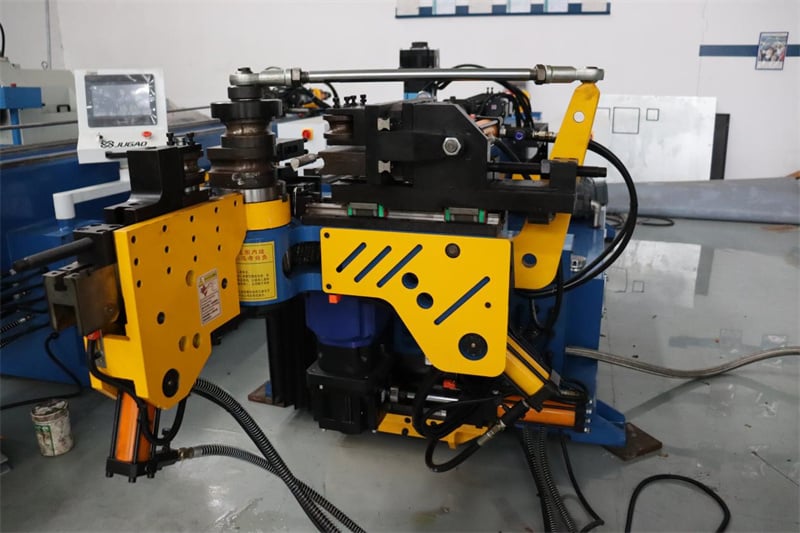
Це складається з гнучкої матриці (основної матриці), важеля гнуття та передавального механізму. Гнуча матриця закріплена на обертовому валу, а важіль гнуття приводить трубу в обертання навколо матриці, забезпечуючи контроль кута гнуття. Спосіб передачі, як правило, — це гідравлічний двигун, сервопривід або рейково-шестерня механізм, що визначає крутний момент і точність гнуття.
2. Механізм затискання
Він включає затискну матрицю та затискний циліндр (або пневмоциліндр). Його призначення — надійно зафіксувати трубу до гнучкої матриці, запобігаючи її зсуву або ковзанню під час гнуття. Зусилля затискання має бути достатньо великим і рівномірним; в іншому разі можуть виникнути зморшки або спотворення поперечного перерізу.
3. Оправка та механізм приводу оправки
Для тонкостінних труб або вигинання з малим радіусом оправка є основним компонентом, який запобігає обвалюванню та зморшкуванню внутрішньої сторони труби. Оправка зазвичай має шарнірний (кульовий) кінець або є жорсткою, кріпиться за допомогою стрижня оправки, а її рух уперед і назад регулюється за допомогою пневмоциліндра або сервомотора. Точність позиціонування оправки безпосередньо впливає на якість вигинання.
4. Протизморшковий матричний інструмент (протизморшкова пластина)
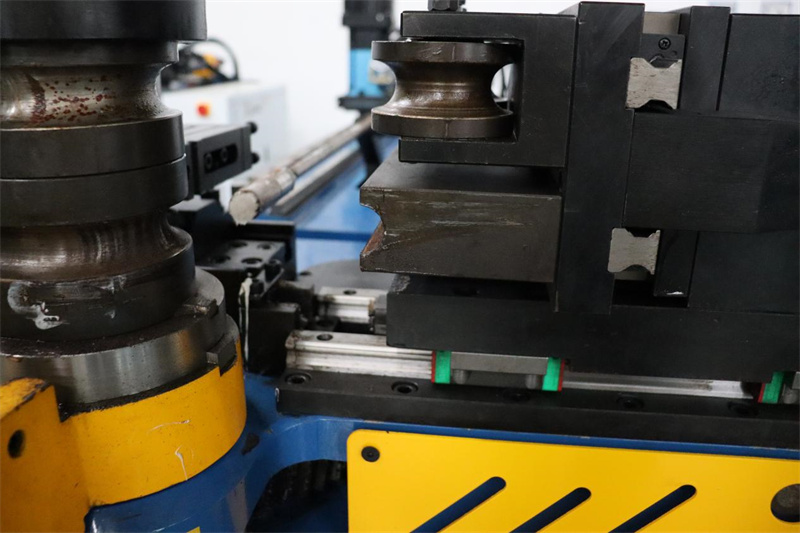
Встановлюється за місцем розташування вигинної матриці й під час вигинання прижимає внутрішню сторону труби, запобігаючи утворенню зморшок на внутрішній дузі. Її форма точно відповідає кривині вигинної матриці, тому цей допоміжний матричний інструмент є обов’язковим для забезпечення високої якості вигинання труб.
5. Силова система
Гідравлічні трубогібні верстати використовують гідравлічну насосну станцію, циліндри та соленоїдні клапани як основні компоненти, забезпечуючи високотоннажне затискання та згинання; електричні трубогібні верстати використовують сервомотори, редуктори та кулькові гвинти для досягнення високоточної регуляції. Стабільність силової системи безпосередньо впливає на продуктивність обладнання та його термін служби.
6. Система керування
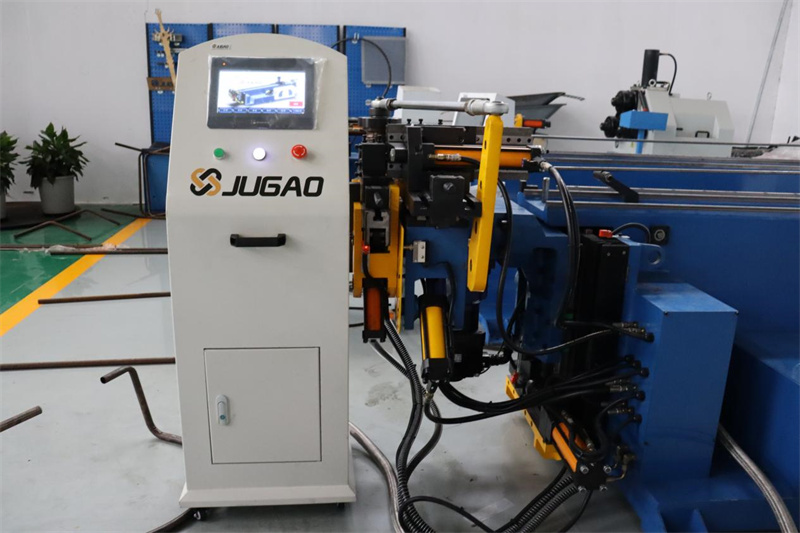
Сучасні трубогібні верстати, як правило, оснащені програмованими логічними контролерами (PLC) або ЧПУ-системами числового керування, а також інтерфейсом «людина–машина» (сенсорним екраном). Програмоване керування дозволяє автоматично обробляти складні тривимірні форми труб, у тому числі кути згину, просторові кути повороту при кількох згинаннях та відстань подачі.
7. Механізм подачі та обертання (многовісні моделі)
Використовується для безперервної обробки кількох згинів. Подаюча тележка (вісь Y) керує лінійною подачею труби, тоді як обертальна вісь (вісь B) керує просторовим кутом обертання труби під час згинання. Зазвичай приводиться в рух сервоприводом у поєднанні з високоточними направляючими рейками та системою «зубчаста рейка — шестерня».
8. Система матриць
Складається з гнутих матриць, затискних матриць, матриць проти зморшкування, оправок і направляючих матриць, кожна з яких розроблена окремо з урахуванням різних діаметрів труб і радіусів згинання. Матеріали для матриць зазвичай — сталь Cr12MoV або інструментальна легована сталь, які піддаються термообробці для підвищення зносостійкості. Точність матриць безпосередньо визначає якість зігнутої труби.
9. Станина та направляючі рейки
Як основна конструкція всього верстата, станина повинна мати достатню жорсткість для того, щоб витримувати величезні згинальні моменти під час згинання. Для важких трубогінних верстатів часто використовують цільне лиття або зварні конструкції зі сталевих листів великої товщини. Напрямні рейки забезпечують точність руху механізмів подачі та обертання.
10. Система охолодження та мащення
Радіатор гідравлічної оливи, масляний насос та розподільник утворюють систему охолодження та мащення, що забезпечує стабільну температуру оливи й мінімізує знос рухомих деталей під час тривалої експлуатації.
Трубогінний верстат — це прецизійний пристрій, що високо інтегрує механічні, гідравлічні, електричні технології та технології виготовлення штампів. Від затискання до згинання, від підтримки серцевини до багатовісного зв’язку — кожен компонент відіграє вирішальну роль. Лише при чіткій координації всіх систем можливе ефективне, стабільне та високоякісне виробництво зігнутих труб.

