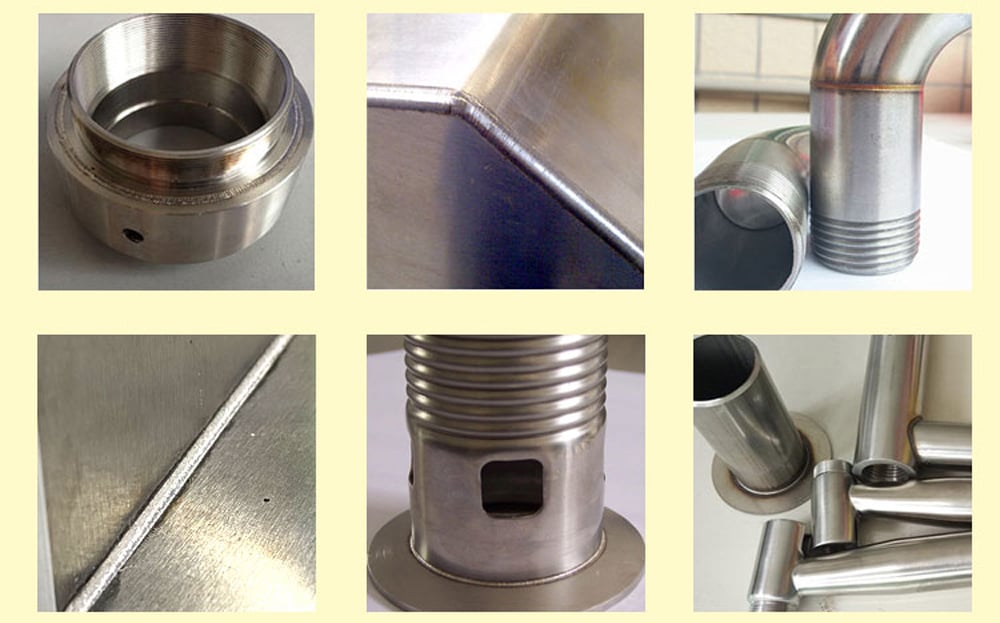


ข้อดีของหุ่นยนต์เชื่อมอุตสาหกรรมคืออะไร
ระบบควบคุมอัจฉริยะของหุ่นยนต์เชื่อมอุตสาหกรรมมีความเร็วในการตอบสนองเทียบเท่าช่างเชื่อมผู้ชำนาญการ ซึ่งสามารถปรับพารามิเตอร์การเชื่อมสำหรับรอยเชื่อมที่ซับซ้อนได้ และความสามารถในการจัดเก็บข้อมูลยังสามารถบันทึกพารามิเตอร์เหล่านี้ไว้ได้ ระหว่างการเชื่อมรอยเชื่อมที่มีข้อกำหนดเดียวกัน ระบบจะเรียกพารามิเตอร์เหล่านี้กลับมาใช้งานโดยอัตโนมัติ ทำให้ลดเวลาในการตอบสนอง
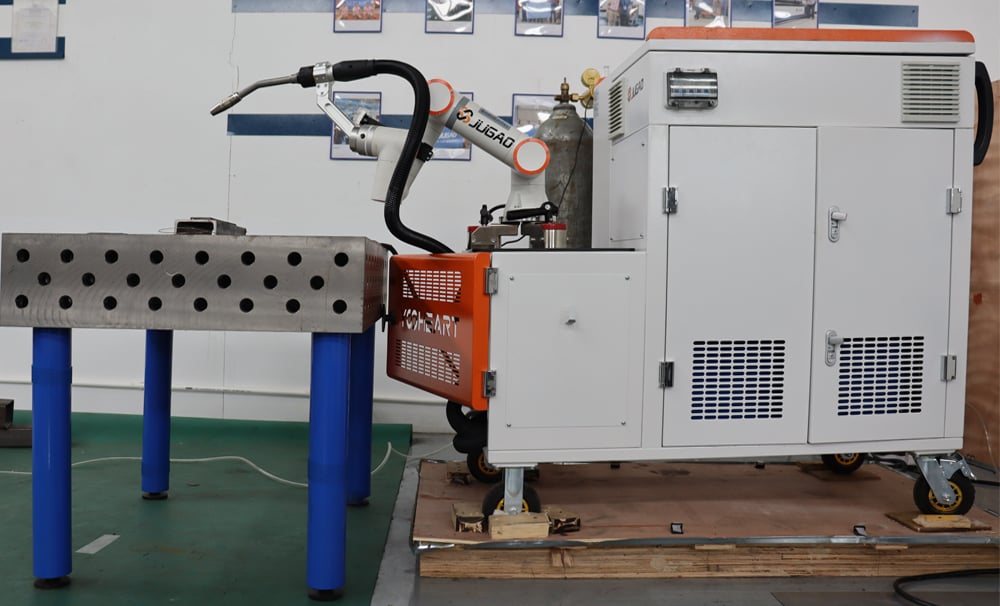
ด้วยความก้าวหน้าทางเทคโนโลยีและการพัฒนาอย่างต่อเนื่องของวงการการเชื่อม หุ่นยนต์เชื่อมจึงค่อยๆ เข้ามาแทนที่การเชื่อมแบบด้วยมือแบบดั้งเดิม ซึ่งช่วยเพิ่มประสิทธิภาพในการเชื่อมได้อย่างมาก แล้วหุ่นยนต์เชื่อมอุตสาหกรรมจะช่วยผู้ใช้งานให้บรรลุประสิทธิภาพในการเชื่อมที่สูงขึ้นได้อย่างไร? หุ่นยนต์เชื่อมอุตสาหกรรมคืออุปกรณ์กลไกอัตโนมัติที่ใช้ในการดำเนินการเชื่อม ในขณะที่การเชื่อมแบบดั้งเดิมมักประสบปัญหา เช่น กระบวนการเชื่อมยาก ประสิทธิภาพต่ำ ขาดแคลนแรงงาน และคุณภาพของการเชื่อมไม่สม่ำเสมอ การนำหุ่นยนต์เชื่อมอุตสาหกรรมมาใช้งานจึงช่วยแก้ไขปัญหาเหล่านี้ให้ผู้ใช้งานและสามารถนำไปใช้จริงในสายการผลิตได้ บทความนี้จาก Erbid Robotics จะพาท่านทำความเข้าใจถึงข้อได้เปรียบของหุ่นยนต์เชื่อมอุตสาหกรรม
ข้อได้เปรียบของหุ่นยนต์เชื่อมอุตสาหกรรม:
1. ระบบควบคุมการเชื่อมอัจฉริยะ
หุ่นยนต์เชื่อมอุตสาหกรรมถูกติดตั้งเซ็นเซอร์หลายตัว ซึ่งเซ็นเซอร์อาร์คสามารถระบุตำแหน่งรอยเชื่อมได้โดยอัตโนมัติ และส่งข้อมูลเกี่ยวกับรอยเชื่อมไปยังระบบควบคุม ระบบควบคุมจะใช้พารามิเตอร์ที่เขียนโปรแกรมไว้เพื่อเติมวัสดุเชื่อมลงในแนวรอยเชื่อมอย่างแม่นยำตามปริมาณที่เหมาะสม ช่วยลดอัตราการแก้ไขงานซ้ำและเพิ่มประสิทธิภาพในการเชื่อม
2. การประสานงานแบบหลายแกนช่วยเพิ่มความยืดหยุ่นในการเชื่อม
หุ่นยนต์เชื่อมอุตสาหกรรมโดยทั่วไปมีข้อต่อที่เคลื่อนไหวได้หกข้อ ซึ่งทำงานร่วมกันอย่างยืดหยุ่น ระบบควบคุมอัจฉริยะสามารถป้อนข้อมูลที่เขียนโปรแกรมไว้และดำเนินการเชื่อมชิ้นงานผ่านวิธีการสอน (teaching) การเคลื่อนที่ที่ประสานกันของแต่ละแกนช่วยเพิ่มความเร็วในการเชื่อม และเป็นองค์ประกอบสำคัญของหุ่นยนต์เชื่อมแบบอัตโนมัติเต็มรูปแบบ
3. โครงสร้างที่กะทัดรัดและสมเหตุสมผล
โครงสร้างของหุ่นยนต์เชื่อมอุตสาหกรรมประกอบด้วยส่วนตัวหุ่นยนต์ แหล่งจ่ายพลังงานสำหรับการเชื่อม ระบบควบคุมอัจฉริยะ หัวเชื่อม แผงควบคุมแบบมือถือ (teach pendant) ระบบควบคุม กลไกป้อนลวดเชื่อม ฯลฯ โครงสร้างที่กะทัดรัดและการทำงานร่วมกันอย่างสอดคล้องกันของชิ้นส่วนทั้งหมดช่วยเพิ่มประสิทธิภาพในการเชื่อม
4. การเพิ่มอุปกรณ์เสริมสำหรับการเชื่อมช่วยยกระดับความแม่นยำในการเชื่อม
การเพิ่มอุปกรณ์เสริมสามารถยกระดับระดับการใช้งานอัตโนมัติของหุ่นยนต์เชื่อมอุตสาหกรรมได้ ระบบควบคุมจำเป็นต้องเชื่อมต่อกับการตั้งค่าอุปกรณ์เสริมต่าง ๆ อุปกรณ์เสริมที่ใช้บ่อย ได้แก่ เครื่องปรับตำแหน่งชิ้นงานสำหรับการเชื่อม (welding positioners) สถานีทำความสะอาดหัวเชื่อม (torch cleaning stations) ระบบติดตามรอยเชื่อม (weld seam tracking systems) และราวป้องกันความปลอดภัย (safety railings) เป็นต้น