





Jakie kluczowe parametry należy wziąć pod uwagę przy wyborze maszyny do cięcia?
Spis treści
• Szczegółowy podział podstawowych parametrów maszyn do tnących
○ Kluczowe wskaźniki zdolności tnącej
○ Jakość noży i konstrukcja mechaniczna
○ Prędkość cięcia i wydajność eksploatacyjna
○ Funkcje sterowania i poziom zautomatyzowania
• Często zadawane pytania
○ Jaka jest maksymalna grubość materiału, którą można przetwarzać standardowymi maszynami do tnących?
○ Jak utrzymywać maszynę do tnących w celu zapewnienia jej maksymalnej wydajności?
○ Czy maszyny do tnących mogą przetwarzać różne typy materiałów?
• Ostateczne uwagi
W operacjach obróbki metali dobór maszyny tnącej zgodnej z wymaganiami produkcji ma kluczowe znaczenie dla zwiększenia wydajności procesu. Szczegółowa znajomość podstawowych parametrów technicznych maszyny stanowi podstawę do podjęcia świadomej decyzji zakupowej. Jeśli szukasz profesjonalnego wyjaśnienia specyfikacji maszyn tnących, w niniejszym artykule systematycznie przedstawione są kluczowe wskaźniki oraz czynniki wymagające szczególnej uwagi przy ocenie sprzętu, co pozwala dokonać precyzyjnego wyboru dostosowanego do konkretnych warunków produkcyjnych. Niezależnie od tego, czy jesteś początkującym użytkownikiem technologii tnących, czy doświadczonym praktykiem dążącym do zoptymalizowania istniejącej konfiguracji sprzętu, ten przewodnik zapewni Ci praktyczne i wartościowe wskazówki. 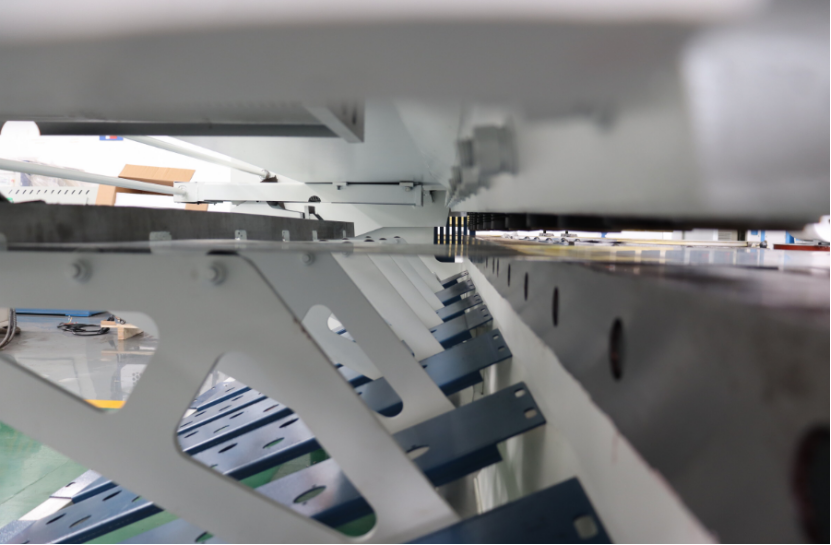
Szczegółowy podział podstawowych parametrów maszyn do tnących
Kluczowe wskaźniki zdolności tnącej
Wydajność tnąca to najważniejszy parametr wydajnościowy maszyny tnącej, określany wspólnie przez maksymalną grubość materiału oraz maksymalną szerokość cięcia, jakie urządzenie jest w stanie przetworzyć. Wśród tych parametrów maksymalna grubość przetwarzanego materiału określa bezpośrednio zakres specyfikacji materiałów, z jakimi maszyna może pracować. Na przykład, jeśli w produkcji przetwarzane są grube płyty stalowe, należy wybrać model wyraźnie oznaczony jako odpowiedni do tej klasy grubości i wyposażony w wymaganą maksymalną szerokość cięcia. Dodatkowo właściwości materiału obrabianego znacząco wpływają na wyniki tnienia. Różne metale, takie jak stopy aluminium, stal nierdzewna czy stal węglowa, różnią się znacznie pod względem twardości, plastyczności oraz wytrzymałości na ścinanie; dlatego konieczne jest wcześniejsze potwierdzenie zgodności urządzenia z fizycznymi właściwościami materiału przeznaczonego do przetwarzania.
Jakość noży i konstrukcja mechaniczna 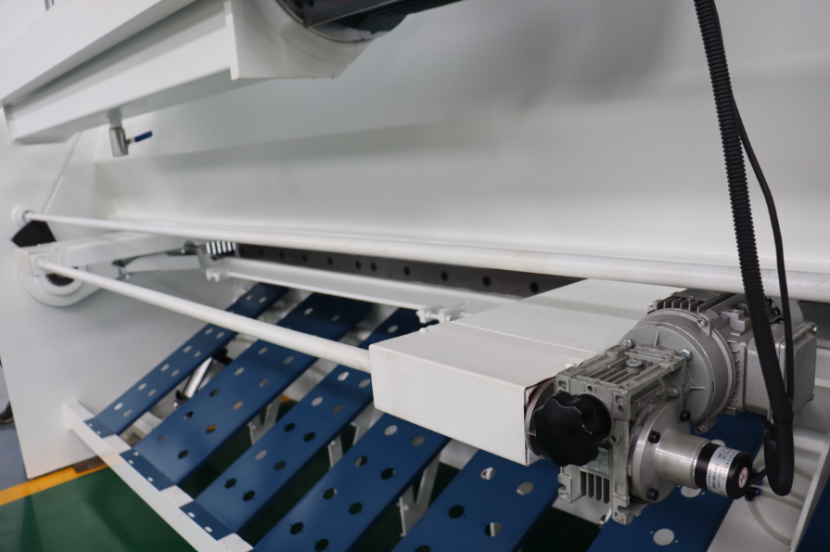
Jakość i projekt konstrukcyjny ostrzy są kluczowymi czynnikami decydującymi o dokładności cięcia, jakości obróbki oraz czasie eksploatacji maszyny tnącej. Wysokiej jakości ostrza do maszyn tnących są zazwyczaj wykonywane z wysokowytrzymałej stali stopowej – materiału odpornego na zużycie, który zachowuje ostrość krawędzi tnącej nawet podczas długotrwałych operacji cięcia o wysokiej częstotliwości, co znacznie zmniejsza zużycie ostrzy oraz częstotliwość ich wymiany. Parametry konfiguracji ostrzy – w tym kąt natarcia, kształt geometryczny oraz luz pomiędzy ostrzem górnym a dolnym – mają bezpośredni wpływ na skuteczność cięcia oraz jakość przekroju blachy. Dlatego przy ocenie maszyn tnących należy szczególnie zwrócić uwagę na specyfikacje materiałowe oraz szczegóły projektu konstrukcyjnego ostrzy, aby zapewnić, że urządzenie będzie w stanie stale generować gładkie, bezgrzebieniowe cięcia.
Prędkość cięcia i wydajność eksploatacyjna
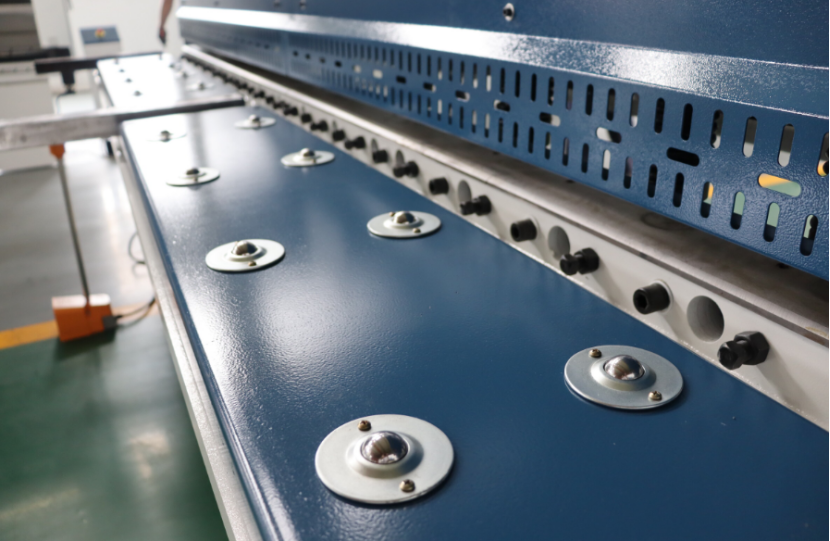
Prędkość cięcia jest kluczowym parametrem służącym do oceny wydajności produkcyjnej maszyny tnącej i odnosi się do czasu potrzebnego na wykonanie jednego pełnego cyklu cięcia. Ogólnie rzecz biorąc, wyższe prędkości cięcia przekładają się na większą wydajność w jednostce czasu, jednak zwiększenie prędkości należy uzgadniać z jakością cięcia. Zbyt wysokie prędkości mogą prowadzić do powstawania zaślepek na krawędziach blach, odkształceń materiału, a nawet przeciążenia maszyny. Zaleca się wybieranie maszyn tnących wyposażonych w funkcję wielostopniowej regulacji prędkości, umożliwiającą elastyczną dostosowę prędkości cięcia do grubości, twardości oraz wymagań technologicznych różnych materiałów, co pozwala osiągnąć optymalny kompromis między wydajnością produkcyjną a precyzją cięcia.
Funkcje sterowania i poziom zautomatyzowania
Funkcje sterowania maszyną tnącą bezpośrednio decydują o wygodzie jej obsługi, spójności produkcji oraz bezpieczeństwie eksploatacji. Obecnie dostępne na rynku maszyny tnące dzielą się głównie na dwa typy: z ręcznym sterowaniem i w pełni automatycznym sterowaniem. Wysokiej klasy modele, takie jak Seria JUGAO P40 299.9 ELGO obsługują cyfrowe systemy sterowania dotykowego, moduły pamięci programowalnych parametrów oraz wielopoziomowe systemy ochrony bezpieczeństwa. Funkcje te nie tylko zmniejszają zmęczenie operatora i zwiększają wydajność pracy, ale także skutecznie ograniczają zagrożenia dla bezpieczeństwa podczas eksploatacji. Przy dokonywaniu zakupu należy wybrać urządzenie z poziomem sterowania odpowiednim dla skali produkcji oraz wymagań dotyczących automatyzacji.
Często zadawane pytania
Jaka jest maksymalna grubość materiału, którą można przetwarzać standardowymi maszynami do tnących?
Maksymalna grubość ciętego materiału w maszynach tnących różni się znacznie w zależności od specyfikacji modelu i jego zastosowania projektowego. Większość popularnych przemysłowych maszyn tnących dostępnych na rynku jest w stanie przetwarzać materiały metalowe o grubości od 1 mm do 20 mm. Dokładna nominalna zdolność przetwarzania podana jest w oficjalnym podręczniku technicznym dostarczanym przez producenta urządzenia. Nigdy nie należy eksploatować maszyny powyżej jej nominalnej zdolności cięcia pod względem grubości materiału, ponieważ może to prowadzić do uszkodzenia ostrzy (np. łamania się krawędzi tnących), odkształcenia ramy lub nawet do poważnych wypadków związanych z bezpieczeństwem.
Jak utrzymywać maszynę do tnących w celu zapewnienia jej maksymalnej wydajności?
Regularna i ustandaryzowana konserwacja jest podstawowym środkiem zapewnienia stabilnej pracy maszyny tnącej oraz wydłużenia jej czasu użytkowania. Codzienna konserwacja powinna obejmować trzy kluczowe aspekty: po pierwsze, regularne sprawdzanie stopnia zużycia ostrzy i natychmiastowe naostrzanie tępych krawędzi lub wymianę silnie zużytych lub uszkodzonych ostrzy; po drugie, okresowe sprawdzanie poziomu oleju, ciśnienia oleju oraz stanu uszczelek w układzie hydraulicznym w celu zapobiegania wyciekowi oleju, niewystarczającemu ciśnieniu oraz innym problemom; po trzecie, smarowanie szyn prowadzących, łożysk oraz innych części ruchomych specjalnymi smarami zgodnie z określonym cyklem. Szczegółowe harmonogramy konserwacji oraz ustandaryzowane procedury operacyjne zawarte są w oryginalnej instrukcji obsługi dostarczonej razem z maszyną.
Czy maszyny do tnących mogą przetwarzać różne typy materiałów?
Większość przemysłowych maszyn tnących charakteryzuje się pewnym stopniem uniwersalności w zakresie obrabianych materiałów i może przetwarzać różnorodne, powszechnie stosowane blachy metalowe. Należy jednak zauważyć, że różne materiały – takie jak stal nierdzewna, stop aluminium, miedź czy blacha ocynkowana – stawiają odmienne wymagania dotyczące typu noża, luzu tnącego oraz prędkości cięcia. Przed rozpoczęciem obróbki nowej kategorii materiału należy najpierw upewnić się, czy urządzenie jest kompatybilne z właściwościami fizycznymi danego materiału, a następnie dostosować odpowiednie parametry procesu. Dzięki temu zapewni się wysoką jakość przekroju tnącego oraz uniknie się niepotrzebnych uszkodzeń urządzenia.
Ostateczne uwagi
Podsumowując, zdolność tnąca, jakość noży, prędkość cięcia oraz funkcje sterowania to cztery kluczowe parametry, które wymagają starannego rozważenia przy zakupie maszyny tnącej. Tylko kompleksowa i szczegółowa ocena tych parametrów w połączeniu z wielkością produkcji, rodzajem przetwarzanych materiałów oraz wymaganiami dotyczącymi dokładności pozwoli wybrać naprawdę odpowiednie urządzenie tnące, co z kolei przyczyni się do podniesienia ogólnej wydajności produkcji oraz jakości przetwarzania. Jeśli podczas procesu doboru maszyny tnącej pojawią się u Państwa dodatkowe pytania lub będzie potrzebna profesjonalna pomoc techniczna oraz rozwiązania dostosowane do indywidualnych potrzeb, zapraszamy do skontaktowania się z naszym zespołem. Działamy z założeniem zapewnienia Państwu najbardziej odpowiednich rozwiązań w zakresie obróbki tnącej, dopasowanych do konkretnych wymagań.

