


L'impatto profondo del calo dei tassi di natalità sull'industria della saldatura: sfide e opportunità
Negli ultimi decenni, i paesi di tutto il mondo hanno affrontato un graduale calo dei tassi di natalità. Questo fenomeno non riflette soltanto cambiamenti nella struttura sociale, ma ha anche un impatto profondo sui modelli operativi di vari settori industriali. Essendo una componente fondamentale della produzione industriale, il settore della saldatura risente in modo significativo del calo dei tassi di natalità. Questo articolo esaminerà le sfide e le potenziali opportunità che questa tendenza pone al settore della saldatura. Inoltre, con l’avvento dell’Industria 4.0, la produzione industriale si orienterà sempre più verso l’intelligenza, con un numero crescente di robot che interverranno per assistere o sostituire gli esseri umani nel loro lavoro.
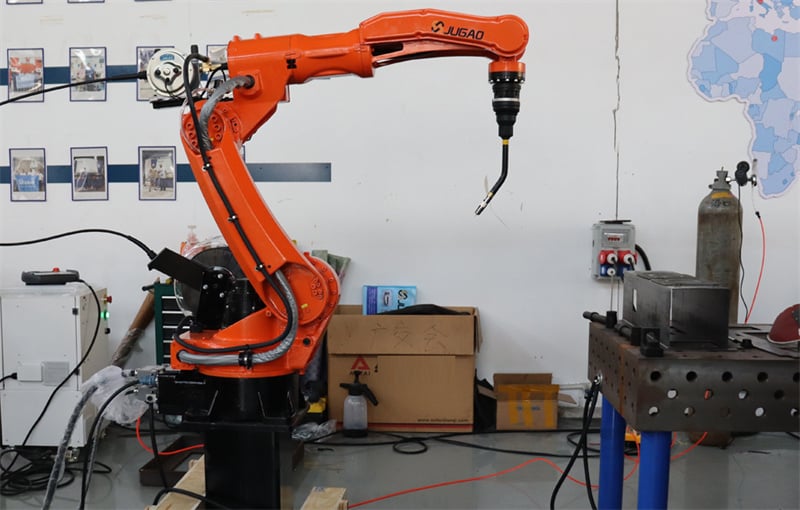
Nel settore della saldatura, i robot intelligenti per la saldatura già esistenti sono in grado di sostituire gli esseri umani nelle operazioni di saldatura, consentendo a una singola persona di gestire un intero reparto di saldatura. I robot per la saldatura possono inoltre operare 24 ore su 24, aiutando le aziende a ridurre i costi del lavoro e a migliorare l’efficienza della saldatura.
Il problema della carenza di manodopera nel settore della saldatura
Il settore della saldatura ha storicamente fatto ampio affidamento su lavoratori qualificati e dipendenti delle linee di produzione. Tuttavia, a causa del calo dei tassi di natalità, l’offerta di manodopera sta diventando sempre più ristretta. Il settore della saldatura si trova ad affrontare una carenza di personale e la perdita di operatori qualificati. L’interesse sempre minore dei giovani per il lavoro manuale pesante rappresenta una sfida significativa per molte aziende nel reclutamento e nella fidelizzazione dei talenti.
Sfide: Carenza di lavoratori qualificati e riduzione della produttività
La ridotta offerta di manodopera potrebbe influenzare direttamente l’efficienza produttiva e la capacità del settore della saldatura. La generazione più giovane manifesta un interesse relativamente basso per la saldatura, determinando un invecchiamento della forza lavoro composta da operatori esperti e un potenziale interruzione nella trasmissione delle competenze. Inoltre, la complessità e i requisiti elevati in termini di abilità dei processi di saldatura rendono il settore ancora più dipendente da personale qualificato. Una carenza di manodopera giovane potrebbe portare a una stagnazione tecnologica e a problemi di qualità nel processo produttivo.
Innovazione tecnologica: L'ascesa dell'automazione e dell'intelligenza
Tuttavia, il calo dei tassi di natalità sta anche spingendo il settore della saldatura a trasformarsi attivamente e ad abbracciare le opportunità offerte dall'innovazione tecnologica. Per far fronte alla carenza di manodopera, molte aziende specializzate nella saldatura stanno investendo in attrezzature produttive automatizzate e intelligenti. L'applicazione di tecnologie quali robot per la saldatura automatica, sistemi intelligenti di monitoraggio e analisi in tempo reale dei dati del processo di saldatura può ridurre significativamente la dipendenza dalla manodopera manuale e migliorare l'efficienza produttiva.
Opportunità: Lo sviluppo della tecnologia di saldatura intelligente
Contro il contesto di continui progressi tecnologici, l'utilizzo di attrezzature per la saldatura automatizzata sta diventando sempre più diffuso. I robot per la saldatura automatizzata possono eseguire operazioni di saldatura ad alta precisione e ad alta efficienza, riducendo in modo significativo gli errori umani e migliorando al contempo la stabilità e la produttività della linea di produzione. Le tecnologie intelligenti possono inoltre monitorare in tempo reale la qualità della saldatura, fornendo tempestivamente feedback e aggiustamenti dei parametri di saldatura, migliorando ulteriormente la qualità del prodotto e l'efficienza produttiva. Pertanto, il settore della saldatura dipenderà sempre di più da attrezzature automatizzate per far fronte alle sfide poste dalla carenza di manodopera.
Sostituzione della forza lavoro nel settore della saldatura: l'integrazione tra innovazione e formazione
Per affrontare la carenza di manodopera, il settore della saldatura ha bisogno non solo di innovazione tecnologica, ma anche di una formazione rafforzata per la prossima generazione di lavoratori. Potenziare l’interesse e le competenze dei giovani nella tecnologia della saldatura attraverso la formazione professionale e l’istruzione continua è fondamentale per lo sviluppo del settore. In particolare, la formazione specializzata nella tecnologia della saldatura automatizzata e nella conduzione di robot aiuterà la prossima generazione di operatori della saldatura a integrarsi agevolmente nei sistemi produttivi intelligenti.
Riepilogo: Sfide e opportunità coesistono
Nel complesso, l’impatto del calo dei tassi di natalità sul settore della saldatura non può essere ignorato. Dalla carenza di manodopera agli aggiornamenti tecnologici, il settore della saldatura si trova ad affrontare una serie di sfide. Tuttavia, i progressi tecnologici e l’applicazione dell’automazione e delle tecnologie intelligenti offrono nuove opportunità al settore. Solo attraverso un’innovazione continua e un’adeguata risposta ai cambiamenti della struttura sociale il settore della saldatura potrà garantirsi una posizione favorevole nella competizione futura.