
- Pregled
- Upit
- Povezani proizvodi
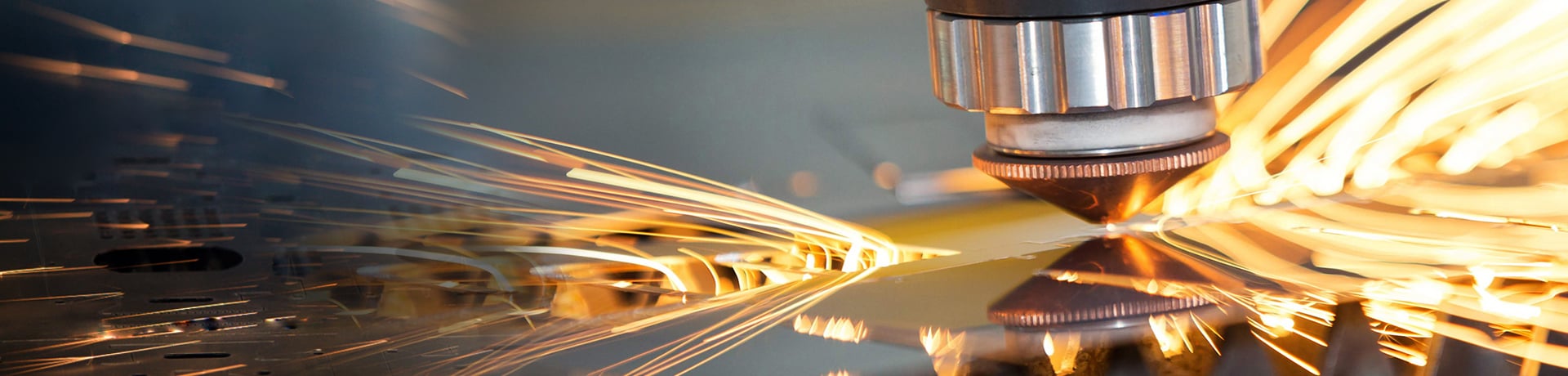
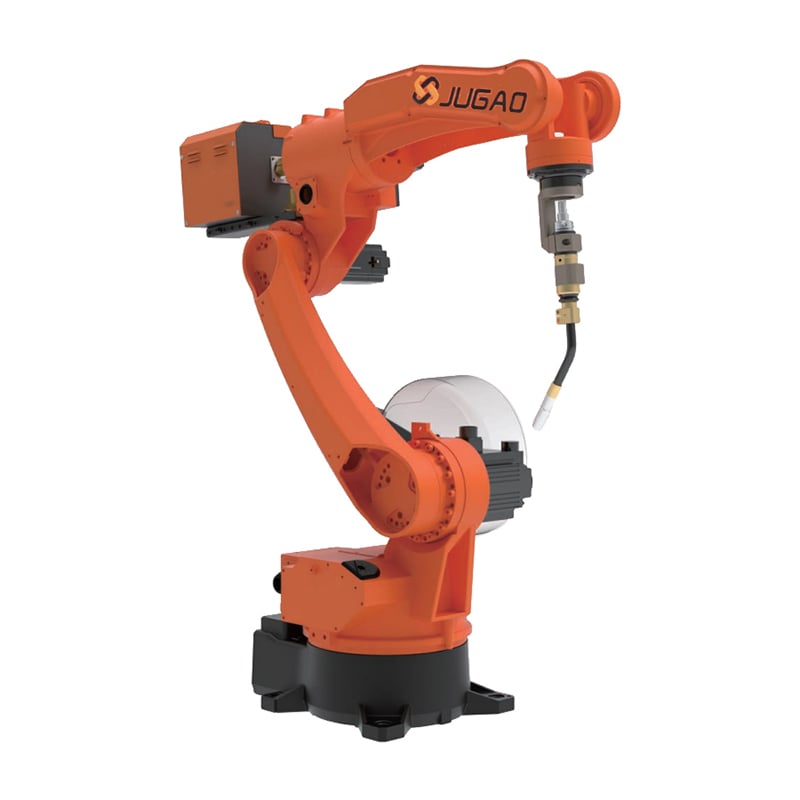
U skladu s člankom 3. stavkom 1. točkom (a) ovog članka, "robot za lasiranje laserskim sustavom" znači robot za lasiranje laserskim sustavom koji je opremljen s tehnologijom lasiranja lasera visoke preciznosti i fleksibilnom tehnologijom industrijskih robota. Obično se sastoji od lasera s visokom snagom, industrijskog robota s više osova (obično 6 osova), laserske glave za zavarivanje (s oscilacijskim ili galvanometarskim funkcijama), sustava za hranjenje žica (opcionalno), sustava za pozicioniranje vizije, sustava za praćenje š
Ovaj sustav koristi visoku fleksibilnost robotske ruke kako bi precizno usmjeravao laserski zrake na položaj zavarivanja na radnom komadu, postižući bezkontaktne, brze i kvalitetne operacije zavarivanja. U usporedbi s tradicionalnim robotima za zavarivanje lukom, roboti za lasiranje laserom nude revolucionarne prednosti u pogledu zone koja je pogođena toplinom, deformacije zavarivanja i brzine zavarivanja.
Značajke i prednosti
1. za Visoka preciznost i visoka kvaliteta:
Visoki omjer: Efekat "ključaste rupe" koji proizlazi od laserskog zavarivanja rezultira dubokim i uskim zavarivanjem, postižući izvrsno jednostrano zavarivanje s dvostranom obradom.
U slučaju da je proizvod na snazi, radi se o proizvodnji na snazi koja je u skladu s uvjetima za proizvodnju.
Estetski ugodne zavarice: Glatka površina ne zahtijeva naknadno brušenje.
2. - Što? Visoka brzina i visoka učinkovitost:
Brza brzina zavarivanja: U usporedbi s tradicionalnim zavarivanjem arkom argona ili električnim zavarivanjem lukom, brzina zavarivanja laserom može biti nekoliko puta ili čak deset puta brža, značajno smanjujući vrijeme obrade po komadu.
Vrlo brzo radno vrijeme: Roboti mogu raditi neprekidno 24 sata dnevno, što omogućuje bespilotnu proizvodnju s automatiziranim utovarom i istovarom.
3. Slijedi sljedeće: Visoka fleksibilnost i prilagodljivost:
Dobar pristup: roboti s 6 osova mogu doseći složene zakrivljene površine, unutarnje uglove, duboke šupljine i druge lokacije nedostupne tradicionalnoj automatiziranoj opremi.
Jednostavan programiranje: Podržava offline programiranje (OLP) i predavanje i reprodukciju; prilikom zamjene proizvoda potrebno je samo promijeniti program, što ga čini pogodnim za fleksibilnu proizvodnju više sorti i malih serija.
Jednostavan programiranje: Podržava offline programiranje (OLP) i predavanje i reprodukciju; prilikom zamjene proizvoda potrebno je samo promijeniti program, što ga čini pogodnim za fleksibilnu proizvodnju više sorti i malih serija. 4. - Što? Inteligentni i stabilni proces
Praćenje u stvarnom vremenu: Obično integrira funkcije vizualnog pozicioniranja i praćenja šavova za varenje, može automatski identificirati odstupanja položaja šavova za varenje i ispraviti ih u stvarnom vremenu, smanjujući stroge zahtjeve za preciznost alata.
U skladu s člankom 3. stavkom 2. točkom (a) ovog članka, radi se o proizvodnji lasera koji se upotrebljava za proizvodnju električnih plinova.
- Pet. S druge vrste
Nizak trošenje alata: U usporedbi s elektrodama za zavarivanje na tački ili alatima za kontaktno zavarivanje, lasersko bezkontaktno obradu eliminiše mehanički stres i trošenje alata, smanjujući troškove održavanja.
Područja primjene
Ujedinjeni Kraljevi, Europska unija, Europska unija, Europska unija, Europska unija, Europska unija, Europska unija, Europska unija, Europska unija, Europska unija, Europska unija, Europska unija, Europska unija, Europska unija, Europska unija, Europska
Parametri proizvoda
| Izraz parametra | brojčan broj |
| broj osovina | spojnica s pet osova |
| struktura | Uređaj za upravljanje |
| maksimalni polumjer | 1280 mm |
| Slika | 500 mm |
| opterećenje | 5 kg |
| resetiranje | ±0,15 mm |
| J1 | ±170° |
| J2 | ±156° |
| J3 | 500 mm |
| J4 | ±360° |
| J5 | ±160° |
| najveća brzina | U slučaju da je to potrebno, potrebno je izmijeniti sljedeće: |
| instalirati | Podizanje |
| Tjelesna težina | sljedeći članak |