





प्रेस ब्रेक रैम सिंक्रोनाइज़ेशन दोष का कारण क्या है?
विषय-सूची
1. प्रेस ब्रेक रैम सिंक्रोनाइज़ेशन के कार्य सिद्धांत को समझना
○ सीएनसी प्रेस ब्रेक में Y1 और Y2 अक्ष नियंत्रण
2. प्रेस ब्रेक रैम सिंक्रोनाइज़ेशन दोष को ट्रिगर करने वाले हाइड्रोलिक कारक
○ सिलेंडरों के बीच असंतुलित हाइड्रोलिक दबाव
○ दूषित हाइड्रोलिक द्रव
3. रैखिक एन्कोडर और प्रतिपुष्टि प्रणालियों के दोष
○ रैखिक स्केलों में विसंरेखण या क्षति
○ प्रतिपुष्टि संकेतों में वैद्युतिक हस्तक्षेप
4. यांत्रिक संरचना और फ्रेम विरूपण से संबंधित समस्याएँ
○ उच्च भार के तहत फ्रेम विरूपण
○ गाइड रेल्स और रैम का क्षरण
5. सीएनसी पैरामीटर और कैलिब्रेशन से संबंधित समस्याएँ
○ Y1/Y2 अक्षों का गलत कैलिब्रेशन
○ रखरोज़ के बाद पैरामीटर की गलत कॉन्फ़िगरेशन
6. प्रेस ब्रेक रैम सिंक्रनाइज़ेशन के लिए चरणबद्ध ट्राउबलशूटिंग
○ चरण 1: हाइड्रोलिक दबाव संतुलन की पुष्टि करें
○ चरण 2: रैखिक एन्कोडर्स और वायरिंग हार्नेस का निरीक्षण करें
○ चरण 3: यांत्रिक संरेखण स्थिति की जाँच करें
○ चरण 4: सीएनसी नियंत्रण प्रणाली का पुनः कैलिब्रेशन करें
7. अक्सर पूछे जाने वाले प्रश्न (FAQs)
○ प्रेस ब्रेक रैम सिंक्रोनाइज़ेशन की खराबी का प्राथमिक कारण क्या है?
○ अपर्याप्त रखरखाव के कारण क्या प्रेस ब्रेक रैम सिंक्रोनाइज़ेशन समस्याएँ उत्पन्न हो सकती हैं?
○ सिंक्रोनाइज़ेशन समस्याओं के यांत्रिक और हाइड्रोलिक कारणों के बीच अंतर कैसे करें?
○ क्या पुनः कैलिब्रेशन सभी सिंक्रोनाइज़ेशन त्रुटियों को दूर कर सकता है?
8. निष्कर्ष
JUGAO प्रेस ब्रेक के रैम्स के साथ सिंक्रोनाइज़ेशन समस्याएँ आमतौर पर अनियमित मोड़ के कोणों, Y1 और Y2 अक्षों की असंगत गति, या CNC नियंत्रक पर लगातार अलार्म सूचनाओं के रूप में प्रकट होती हैं। ऐसी समस्याएँ नए और लंबे समय तक संचालित मशीनों दोनों में उत्पन्न हो सकती हैं, और इन्हें अनदेखा करने से सीधे मोड़ की सटीकता, उपकरण के सेवा जीवन और उत्पादन की समग्र स्थिरता पर प्रभाव पड़ेगा। इस लेख में JUGAO प्रेस ब्रेक रैम सिंक्रोनाइज़ेशन विफलता के प्रमुख कारणों पर विस्तार से चर्चा की गई है, आपको मूल कारणों के निदान के लिए चरण-दर-चरण प्रक्रिया का मार्गदर्शन किया गया है, तथा मशीन के चिकने और सटीक संचालन को पुनः स्थापित करने के लिए व्यावहारिक समाधान प्रस्तुत किए गए हैं।
प्रेस ब्रेक रैम सिंक्रोनाइज़ेशन के कार्य सिद्धांत को समझना
किसी भी ट्रबलशूटिंग के आरंभ करने से पहले, यह सुनिश्चित करना आवश्यक है कि मशीन ऑपरेटर आधुनिक CNC प्रेस ब्रेक के सिंक्रोनाइज़ेशन तंत्र को पूर्णतः समझता हो।
CNC प्रेस ब्रेक में Y1 और Y2 अक्ष नियंत्रण
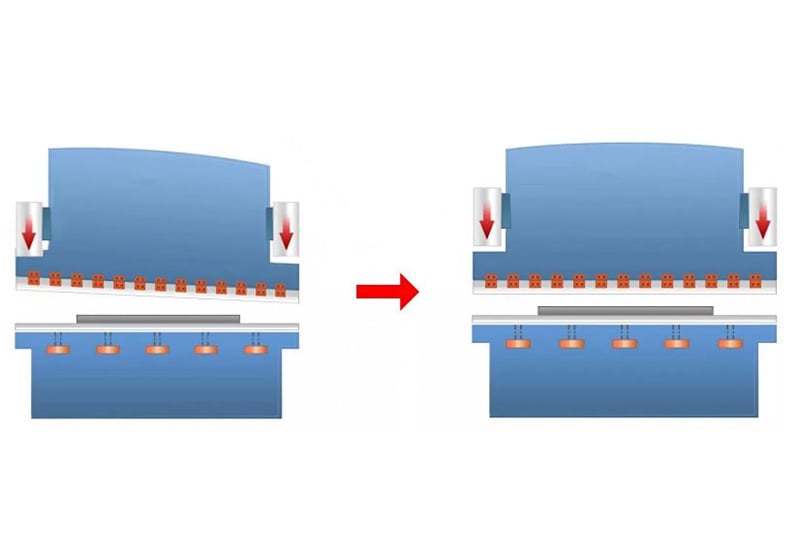
अधिकांश हाइड्रोलिक सीएनसी प्रेस ब्रेक में, रैम को दो स्वतंत्र हाइड्रोलिक सिलेंडर—बाएँ (Y1) और दाएँ (Y2)—द्वारा संचालित और नियंत्रित किया जाता है। सीएनसी नियंत्रक निरंतर रैखिक एन्कोडर्स से स्थिति प्रतिक्रिया डेटा प्राप्त करता है और गतिशील रूप से अनुपातिक वाल्वों को समायोजित करता है ताकि संचालन के दौरान रैम एक पूर्णतः समानांतर गति पथ बनाए रखे।
समक्रमण प्रणाली की विफलता के कारण बेंडिंग प्रक्रिया के दौरान रैम थोड़ा झुक जाएगा, जिससे निम्नलिखित समस्याएँ उत्पन्न होती हैं:
• बेंडिंग कोणों में विचलन
• औजारों का असमान घिसावट
• मशीन फ्रेम पर तनाव का केंद्रीकरण
इस नियंत्रण प्रणाली की स्पष्ट समझ जुगाओ प्रेस ब्रेक रैम समक्रमण समस्याओं के सटीक निदान को संभव बनाती है, जिससे ट्रबलशूटिंग प्रक्रिया में अंधाधुंध अनुमानों से बचा जा सकता है।
प्रेस ब्रेक रैम समक्रमण दोष को ट्रिगर करने वाले हाइड्रोलिक कारक
हाइड्रोलिक प्रणाली की अस्थिरता व्यावहारिक अनुप्रयोगों में समक्रमण समस्याओं के सबसे प्रचलित कारणों में से एक है।
सिलेंडरों के बीच असंतुलित हाइड्रोलिक दबाव
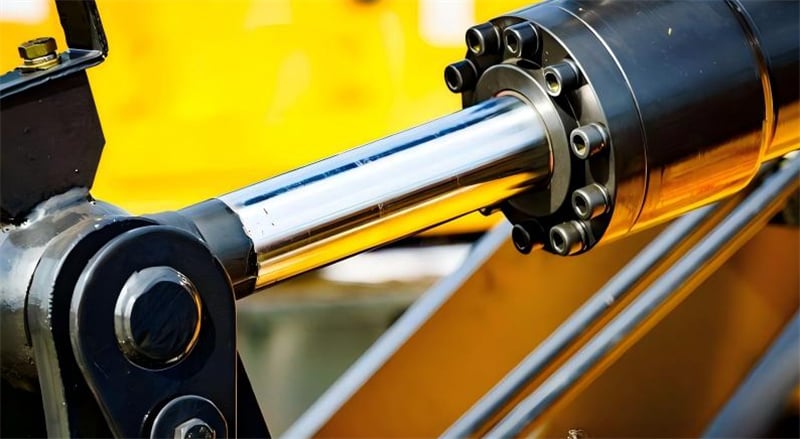
यदि एक सिलेंडर को आपूर्ति किया गया हाइड्रोलिक दबाव दूसरे सिलेंडर की तुलना में थोड़ा कम है, तो रैम गति के दौरान समानांतर स्थिति बनाए रखने में असमर्थ होगा। यह दबाव असंतुलन आमतौर पर निम्नलिखित कारकों के कारण होता है:
• घिसे हुए हाइड्रोलिक सील
• हाइड्रोलिक प्रणाली में आंतरिक तेल रिसाव
• अवरुद्ध हाइड्रोलिक नियंत्रण वाल्व
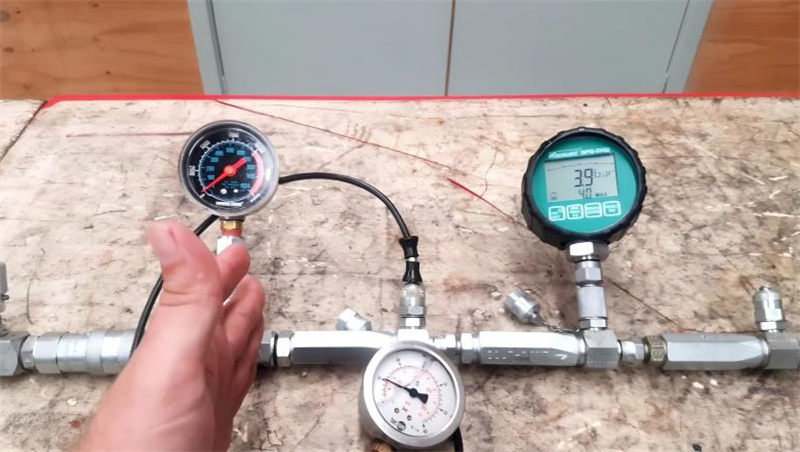
इस समस्या के निदान के लिए, Y1 और Y2 सिलेंडर के दोनों ओर प्रणाली के दबाव को मापने के लिए कैलिब्रेटेड दबाव गेज का उपयोग करने की सिफारिश की जाती है। एक बार जब दबाव असंतुलन का पता लगा लिया जाता है, तो हाइड्रोलिक सील और अनुपातिक वाल्व का तुरंत निरीक्षण आवश्यक है।
दूषित हाइड्रोलिक द्रव
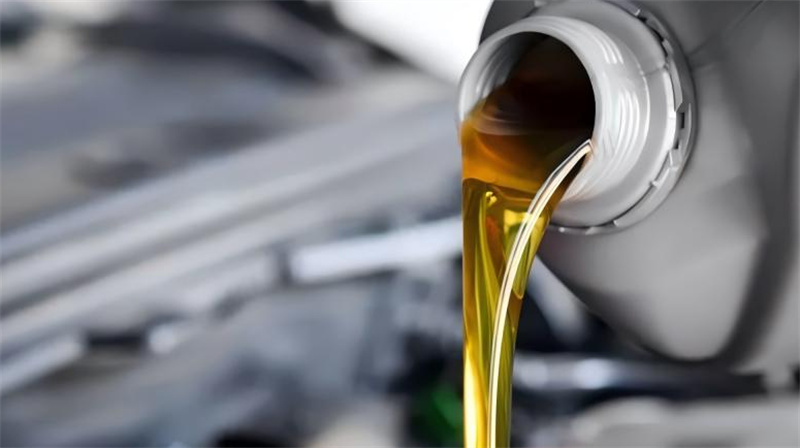
दूषित हाइड्रोलिक द्रव अनुपातिक वाल्वों की सटीकता को गंभीर रूप से कम कर देता है। द्रव में भी सूक्ष्मतम ठोस कण वाल्वों की प्रतिक्रिया गति को बाधित कर सकते हैं, जिसके परिणामस्वरूप Y1 और Y2 अक्षों के बीच सुधारात्मक समायोजनों में देरी आती है।
हाइड्रोलिक प्रणाली के दूषण के कारण JUGAO प्रेस ब्रेक रैम सिंक्रोनाइज़ेशन दोषों से बचने के लिए नियमित हाइड्रोलिक तरल फिल्ट्रेशन और निर्धारित समय पर इसका प्रतिस्थापन अपरिहार्य रोकथाम उपाय हैं।
रैखिक एन्कोडर और प्रतिक्रिया प्रणालियों के दोष
रैम की स्थिति की सटीक वास्तविक-समय प्रतिक्रिया सिंक्रोनाइज़ेशन प्रणाली के सामान्य संचालन की मुख्य गारंटी है।
रैखिक स्केल में विसंरेखण या क्षति
यदि कोई रैखिक एन्कोडर ढीला हो जाता है, विसंरेखित हो जाता है, या उसकी सतह धूल और मलबे से दूषित हो जाती है, तो यह सीएनसी नियंत्रण प्रणाली को अशुद्ध स्थिति संकेत प्रेषित करेगा। यह गलत प्रतिक्रिया नियंत्रक को रैम की स्थिति का अत्यधिक सुधार या अपर्याप्त सुधार करने का कारण बनती है, जिससे सिंक्रोनाइज़ेशन त्रुटियाँ उत्पन्न होती हैं।
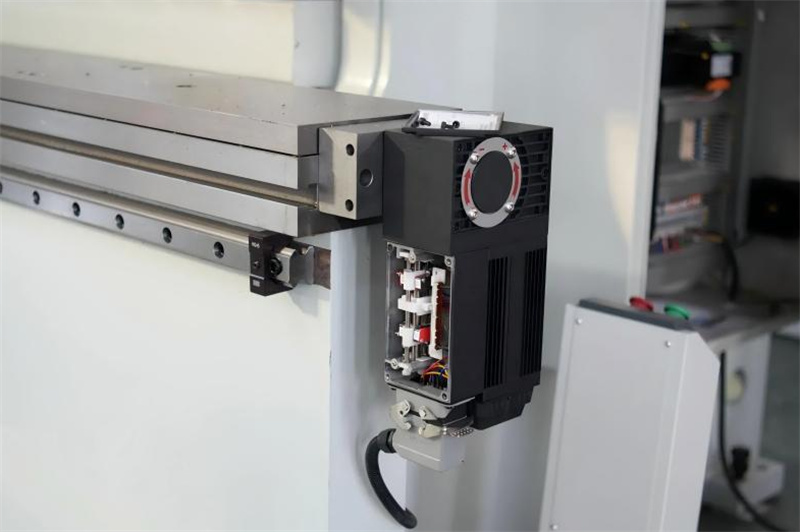
इस पहलू के निराकरण के दौरान, निम्नलिखित चरणों का कड़ाई से पालन किया जाना चाहिए:
1. एन्कोडर माउंटिंग ब्रैकेट की कसाव और अखंडता का निरीक्षण करें
2. दूषकों को हटाने के लिए रैखिक स्केल की सतह को सावधानीपूर्ण रूप से साफ़ करें
3. एन्कोडर और स्केल पर खरोंच या धंसाव जैसे भौतिक क्षति की जाँच करें
क्षतिग्रस्त एन्कोडर को बदलने से अक्सर JUGAO प्रेस ब्रेक रैम सिंक्रोनाइज़ेशन त्रुटियाँ तुरंत दूर हो जाती हैं।
फीडबैक सिग्नल में विद्युत हस्तक्षेप
विद्युत प्रणाली का खराब ग्राउंडिंग या क्षतिग्रस्त सिग्नल केबल्स फीडबैक सिग्नल के अस्थिर संचरण का कारण बन सकते हैं। यह हस्तक्षेप निम्नलिखित असामान्य घटनाओं का कारण बनता है:
• गति के दौरान रैम का अचानक झटका
• सीएनसी नियंत्रक पर सिंक्रोनाइज़ेशन से संबंधित अलार्म कोड का सक्रिय होना
• रैम की वास्तविक स्थिति का सेट स्थिति से क्रमिक विचलन
उच्च-परिशुद्धता वाली सीएनसी प्रेस ब्रेक प्रणालियों के स्थिर संचालन सुनिश्चित करने के लिए शील्डेड सिग्नल केबल्स का उपयोग और मानक ग्राउंडिंग उपायों को लागू करना आवश्यक है।
यांत्रिक संरचना और फ्रेम विरूपण से संबंधित समस्याएँ
कुछ मामलों में, सिंक्रोनाइज़ेशन दोष हाइड्रोलिक या विद्युत दोषों के कारण नहीं, बल्कि मशीन की यांत्रिक संरचना से संबंधित समस्याओं के कारण होते हैं।
उच्च भारों के तहत फ्रेम का विकृति
यदि प्रेस ब्रेक का उपयोग अक्सर इसकी अधिकतम टनेज के लगभग बराबर मोड़ कार्य के लिए किया जाता है, और उचित क्राउनिंग समायोजन के बिना किया जाता है, तो समय के साथ मशीन फ्रेम की स्थायी विकृति हो सकती है। यह विकृति सीधे रैम की गति की समानांतरता को प्रभावित करती है और अंततः JUGAO प्रेस ब्रेक रैम के साथ स्पष्ट सिंक्रोनाइज़ेशन समस्याओं का कारण बनती है।
फ्रेम की संरेखण स्थिति की जाँच के लिए उच्च-परिशुद्धता वाले मापन उपकरणों का उपयोग सिंक्रोनाइज़ेशन समस्या के मूल कारण के रूप में संरचनात्मक तनाव का निर्धारण करने का एक प्रभावी तरीका है।
गाइड रेल्स और रैम का घिसावट
गाइड रेल्स पर अत्यधिक घिसावट रैम के दोनों ओर असमान यांत्रिक प्रतिरोध पैदा करती है। यह असंतुलित घर्षण रैम की चिकनी गति को बाधित करता है, जिसके परिणामस्वरूप सिंक्रोनाइज़ेशन प्रणाली में अस्थिरता आती है।
इस तरह के यांत्रिक असंतुलन को रोकने के लिए गाइड रेल्स का नियमित चिकनाई करना और रैम तथा गाइड रेल्स के बीच सरकने वाले संपर्क सतहों का नियमित निरीक्षण करना आवश्यक है।
सीएनसी पैरामीटर और कैलिब्रेशन के साथ समस्याएँ
कुछ मामलों में, सिंक्रोनाइज़ेशन विफलता हार्डवेयर क्षति के कारण नहीं होती है, बल्कि सीएनसी प्रणाली के पैरामीटर के गलत कॉन्फ़िगरेशन के कारण होती है।
Y1/Y2 अक्षों का गलत कैलिब्रेशन
यदि प्रेस ब्रेक के घटक हाल ही में बदले गए हैं या सीएनसी कंट्रोलर को अपडेट किया गया है, तो प्रणाली का पूर्ण पुनः कैलिब्रेशन आमतौर पर आवश्यक होता है। मुख्य कैलिब्रेशन चरणों में शामिल हैं:
• Y1 और Y2 अक्षों के लिए संदर्भ बिंदु वापसी प्रक्रिया का निष्पादन
• रैम समानांतरता कैलिब्रेशन का संचालन
• क्राउनिंग कॉम्पेंसेशन पैरामीटर का सेटअप
सीएनसी प्रेस ब्रेक को सही तरीके से कैलिब्रेट करने की सही विधि का ज्ञान दैनिक संचालन में सिंक्रोनाइज़ेशन से संबंधित अलार्म सूचनाओं की एक बड़ी संख्या को दूर कर सकता है।
रखरखाव के बाद पैरामीटर का गलत कॉन्फ़िगरेशन
रखरखाव के दौरान सीएनसी प्रणाली के पैरामीटर का अनुचित संशोधन सिंक्रोनाइज़ेशन नियंत्रण प्रणाली की प्रतिक्रिया गति या सहनशीलता सीमा को बदल सकता है, जिससे रैम की असामान्य गति हो सकती है।
सीएनसी सिस्टम में कोई भी समायोजन करने से पहले सभी मूल पैरामीटर्स का बैकअप लेना एक मौलिक संचालन नियम है, और पैरामीटर संशोधन प्रक्रिया के दौरान निर्माता के संचालन दिशानिर्देशों का सख्ती से पालन करना आवश्यक है।
प्रेस ब्रेक रैम सिंक्रोनाइज़ेशन के लिए चरण-दर-चरण ट्रबलशूटिंग
जुगाओ प्रेस ब्रेक रैम सिंक्रोनाइज़ेशन समस्याओं को दूर करते समय, दक्षता और सटीकता में सुधार के लिए एक संरचित और व्यवस्थित ट्रबलशूटिंग प्रक्रिया अत्यावश्यक है:
चरण 1: हाइड्रोलिक दबाव संतुलन की पुष्टि करें
वास्तविक बेंडिंग प्रक्रिया के दौरान Y1 और Y2 सिलेंडरों दोनों के हाइड्रोलिक दबाव को मापें और दोनों डेटा सेटों की तुलना करें। इसी समय, हाइड्रोलिक प्रणाली में आंतरिक तेल रिसाव के संकेतों की सावधानीपूर्वक जाँच करें, जैसे असामान्य तेल तापमान में वृद्धि या दबाव में गिरावट।
चरण 2: रैखिक एन्कोडर और वायरिंग हार्नेस का निरीक्षण करें
रैखिक एन्कोडर्स और रैखिक स्केल्स की सफाई की पुष्टि करें, सिग्नल केबल्स की अखंडता की जाँच करें ताकि टूटने या क्षरण के कोई लक्षण न छूटें, और विद्युत हस्तक्षेप के कारकों को दूर करने के लिए सिस्टम के ग्राउंडिंग कनेक्शन की गुणवत्ता की पुष्टि करें।
चरण 3: यांत्रिक संरेखण स्थिति की जाँच करें
गाइड रेल्स की चिकनाई की स्थिति का निरीक्षण करें, स्लाइडिंग सतहों पर असामान्य घर्षण या क्षरण की जाँच करें, और मशीन फ्रेम के किसी भी विकृति या रैम के विसंरेखण का पता लगाने के लिए परिशुद्ध मापन उपकरणों का उपयोग करें।
चरण 4: सीएनसी नियंत्रण प्रणाली का पुनः कैलिब्रेशन करें
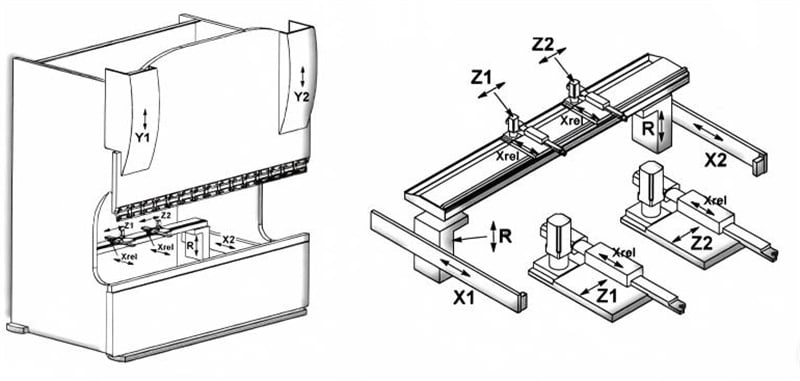
Y1 और Y2 अक्षों का पूर्ण कैलिब्रेशन करें, और उत्पादन आवश्यकताओं को पूरा करने के लिए रैम की समानांतर गति की पुष्टि करने के लिए कई स्ट्रोक स्थितियों पर इसकी जाँच करें।
इस चरणबद्ध ट्रबलशूटिंग प्रक्रिया का पालन करने से मशीन के भागों के अनावश्यक प्रतिस्थापन से बचा जा सकता है और उपकरण की खराबी के कारण उत्पादन में होने वाले अवरोध को न्यूनतम किया जा सकता है।
फ्रीक्वेंटली अस्क्ड क्वेश्चंस (FAQs)
प्रेस ब्रेक रैम सिंक्रोनाइज़ेशन की खराबी का प्राथमिक कारण क्या है?
व्यावहारिक साइट पर अनुभव के आधार पर, दोनों सिलेंडरों के बीच असंतुलित हाइड्रोलिक दबाव और रैखिक एन्कोडरों का गलत संरेखण प्रेस ब्रेक के रैम सिंक्रोनाइज़ेशन विफलता के दो सबसे आम कारण हैं।
क्या अपर्याप्त रखरखाव प्रेस ब्रेक रैम सिंक्रोनाइज़ेशन समस्याओं का कारण बन सकता है?
बिल्कुल। दूषित हाइड्रोलिक द्रव का उपयोग करना, फीडबैक प्रणाली के ढीले वायरिंग हार्नेस, और यांत्रिक भागों के नियमित चिकनाई का अभाव जैसी खराब रखरखाव प्रथाएँ प्रेस ब्रेक में सिंक्रोनाइज़ेशन दोषों के जोखिम को काफी बढ़ा देती हैं।
सिंक्रोनाइज़ेशन समस्याओं के यांत्रिक और हाइड्रोलिक कारणों के बीच अंतर कैसे करें?
निदान शुरू करने के लिए Y1 और Y2 सिलेंडरों के हाइड्रोलिक दबाव को मापें। यदि दोनों ओर दबाव मान स्थिर और संतुलित हैं, तो अगला कदम यांत्रिक घिसावट (जैसे गाइड रेल की घिसावट) और एन्कोडरों से असामान्य फीडबैक संकेतों की जाँच करना है।
क्या पुनः कैलिब्रेशन सभी सिंक्रोनाइज़ेशन त्रुटियों को दूर कर सकता है?
कई व्यावहारिक मामलों में, हाँ। Y1 और Y2 अक्षों का उचित कैलिब्रेशन तथा सीएनसी प्रणाली के समकालिकता (सिंक्रोनाइज़ेशन) पैरामीटर्स का सटीक समायोजन, रैम की स्थिर समानांतर गति को प्रभावी ढंग से पुनर्स्थापित कर सकता है। हालाँकि, यदि समस्या गंभीर हार्डवेयर क्षति (जैसे फ्रेम का विरूपण या एन्कोडर घटकों का टूटना) के कारण उत्पन्न होती है, तो केवल पुनः कैलिब्रेशन समस्या का समाधान नहीं कर सकता।
निष्कर्ष
जुगाओ प्रेस ब्रेक रैम की समकालिकता विफलता आमतौर पर एकल कारक के कारण नहीं होती है; यह अक्सर हाइड्रोलिक दबाव असंतुलन, एन्कोडर की खराबी, यांत्रिक घिसावट या सीएनसी प्रणाली के अनुचित कैलिब्रेशन जैसी कई समस्याओं के संयोजन का परिणाम होती है। व्यावहारिक इंजीनियरिंग अनुभव के आधार पर, असामान्य लक्छनों का शुरुआती पता लगाना तथा एक संरचित, चरणबद्ध ट्रबलशूटिंग प्रक्रिया अपनाना प्रेस ब्रेक की मोड़ने की सटीकता को शीघ्रता से पुनर्स्थापित करने की कुंजी है।
हाइड्रोलिक प्रणाली की सफाई को बनाए रखकर, रैखिक एन्कोडर जैसे प्रतिक्रिया घटकों की अखंडता और सटीकता की सुरक्षा करके, यांत्रिक गतिशील भागों के नियमित चिकनाई को सुनिश्चित करके, और सीएनसी प्रणाली के नियोजित कैलिब्रेशन को करके, रैम सिंक्रोनाइज़ेशन की खराबियों के जोखिम को काफी कम किया जा सकता है, और प्रेस ब्रेक के सेवा जीवन को बढ़ाया जा सकता है।
यदि आपके प्रेस ब्रेक के साथ लगातार और अनसुलझी सिंक्रोनाइज़ेशन समस्याओं का सामना कर रहे हैं, तो एक व्यावसायिक तकनीकी सेवा टीम से संपर्क करने की सिफारिश की जाती है जो व्यापक ऑन-साइट निरीक्षण और सटीक कैलिब्रेशन प्रदान करे। आज उपकरण का समय पर और उचित रखरखाव करने से भविष्य में महंगे उत्पादन अवरोध को रोका जा सकता है।

