




पाइप बेंडिंग मशीन की मरम्मत और रखरखाव पूर्णतः भिन्न चीजें हैं।
वर्कशॉप में बहुत समय बिताने के बाद, मैंने एक सामान्य घटना देखी है: कई मालिक "खराब होने पर मरम्मत करना" को रखरखाव के साथ समान मान लेते हैं। वे उपकरणों की उपेक्षा करते रहते हैं जब तक कि वे पूरी तरह से खराब नहीं हो जाते, फिर जल्दी से मरम्मत के लिए फोन करते हैं।
वास्तव में, मरम्मत और रखरखाव दो पूरी तरह अलग-अलग अवधारणाएँ हैं। इन्हें भ्रमित करने से आपके उपकरणों का जीवनकाल कम से कम आधा हो सकता है।
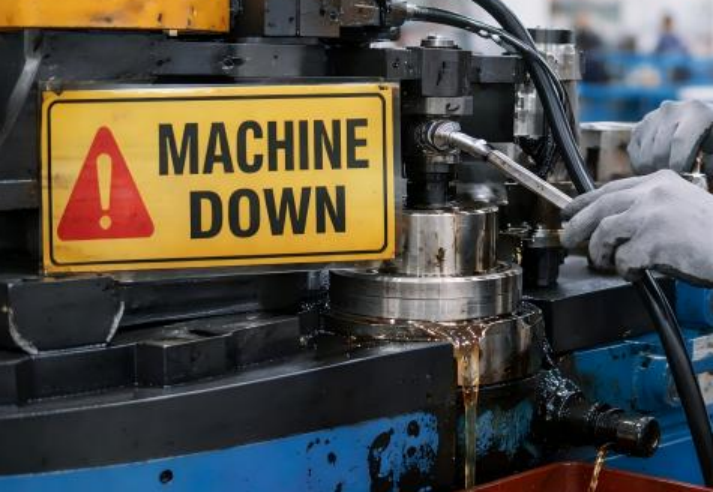
रखरखाव "रोग की रोकथाम" की तरह है, जबकि मरम्मत "आपात स्थिति के समाधान" की तरह है।
रखराखाव का अर्थ है उन सक्रिय कार्यों का प्रदर्शन जो आप उपकरण के अभी भी सामान्य रूप से काम करने के दौरान करते हैं। उदाहरण के लिए, सप्ताह में एक बार गाइड रेल्स पर ग्रीस लगाना, महीने में एक बार विद्युत कैबिनेट की सफाई करना, तिमाही में हाइड्रोलिक तेल फ़िल्टर को बदलना और वार्षिक रूप से कोण सेंसर की कैलिब्रेशन करना। ये कार्य तत्काल आवश्यक नहीं हैं, लेकिन इन्हें नज़रअंदाज़ करने से अवश्य ही जल्द या बाद में समस्याएँ उत्पन्न होंगी।
दूसरी ओर, मरम्मत वह कार्य है जो आप तब करते हैं जब उपकरण पहले से ही खराब हो चुका हो। उदाहरण के लिए, एक रिसने वाले हाइड्रोलिक सिलेंडर पर सील को बदलना, जल गए मोटर के कॉइल को पुनः वाइंड करना, या फँसे हुए बेंडिंग आर्म पर बेयरिंग को बदलना। इस समय उत्पादन पहले ही रुक चुका है और स्थिति गंभीर है।
एक सरल उपमा: रखराखाव दैनिक दाँतों की सफाई और नियमित जाँच के समान है; ऐसा करने से दाँतों के दर्द से बचा जा सकता है। मरम्मत एक तीव्र दाँतों के दर्द के समान है जो आपको उसे निकलवाने के लिए मजबूर कर देता है —दर्दनाक, महँगा और कार्य में व्यवधान डालने वाला।
ऐसा क्यों है कि कई लोग केवल मरम्मत करते हैं, लेकिन रखराखाव नहीं करते?
सरल शब्दों में कहें तो, यह तीन शब्दों पर टिका है: आलस्य, लागत बचत और टालमटोल।
"आज बहुत काम है, कल पेट्रोल भर लूँगा" —और गाइड रेल का क्षरण हो जाता है। "फ़िल्टर अभी भी उपयोग में लाया जा सकता है, मैं इसे अगले महीने बदल दूँगा" —और अशुद्धियाँ वाल्व को अवरुद्ध कर देती हैं। "यह ज़्यादा शोर नहीं कर रहा है, मैं इसे थोड़ी देर और चलाने दूँगा" —और बेयरिंग टूट जाती है।
अंततः, यह वर्तमान में थोड़ी-सी राशि बचाने और बाद में बहुत अधिक खर्च करने के बारे में है। गाइड रेल के एक सेट को बदलने की लागत 20,000 युआन से अधिक है, जबकि ग्रीस के एक डिब्बे की कीमत कुछ दर्जन युआन है।
रखरखाव और मरम्मत के बीच के अंतर को कुछ ही शब्दों में स्पष्ट किया जा सकता है:
समय के संदर्भ में, रखरखाव तब किया जाता है जब उपकरण सामान्य रूप से कार्य कर रहा होता है, जबकि मरम्मत खराबी के बाद शुरू की जाती है। इसे कौन कर सकता है, इस संदर्भ में, रखरखाव ऑपरेटरों और टीम लीडरों द्वारा किया जा सकता है, जबकि मरम्मत के लिए विशेषज्ञ तकनीशियनों की आवश्यकता होती है। लागत के संदर्भ में, रखरखाव की लागत थोड़ी होती है (तेल, फ़िल्टर, श्रम), जबकि मरम्मत की लागत अधिक होती है (भाग, श्रम और डाउनटाइम के कारण उत्पादन के नुकसान)। उद्देश्य के संदर्भ में, रखरखाव का उद्देश्य खराबियों को रोकना और उपकरण के जीवनकाल को बढ़ाना होता है, जबकि मरम्मत का उद्देश्य कार्यक्षमता को पुनर्स्थापित करना और आपातकालीन मरम्मत करना होता है। स्थिति के संदर्भ में, रखरखाव पूर्वानुमानात्मक और जानबूझकर किया जाने वाला कार्य है, जबकि मरम्मत तत्काल और प्रतिक्रियाशील होती है।
रखरखाव आपको सक्रिय रूप से पैसे बचाता है, जबकि मरम्मत आपके बटुए को निष्क्रिय रूप से खर्च कर देती है। अपनी पाइप बेंडिंग मशीन के साथ अच्छा व्यवहार करें, ताकि यह आपकी यात्रा के बीच में बार-बार खराब न हो। इसे चालू करने से पहले प्रतिदिन कुछ मिनट का समय निकालकर इसकी जाँच करना, पोंछना और इसकी आवाज़ सुनना, इसके खराब होने के बाद उसकी मरम्मत करने की तुलना में सौ गुना कम परेशानी वाला कार्य है।

