





Operating Procedures for Hydraulic Guillotine Shears and Hydraulic Swing-Beam Shears
How should hydraulic shearing machines be used? Mastering this is essential for first-time users; failure to do so may result in improper operation, leading to various issues that disrupt the machine's normal functioning. Here, we outline the operating procedures specifically for hydraulic swing-beam shears.
1. Operation of Hydraulic Guillotine Shears
(1) Run the machine through several idle cycles to ensure normal operation. Perform test cuts on sheets of varying thicknesses—starting from thin to thick—to familiarize the user with the machine's performance.
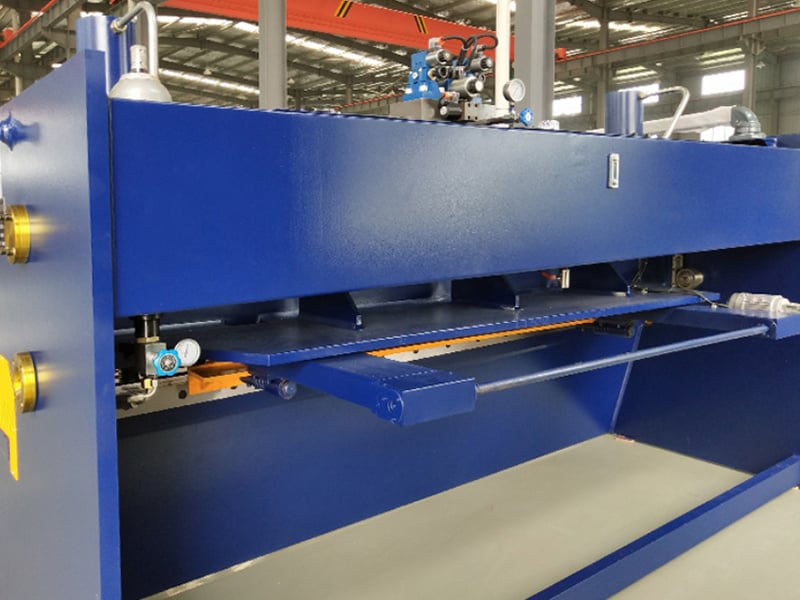
(2) Adjust the blade clearance appropriately for different sheet thicknesses during test cuts. Failure to set the correct clearance will affect blade durability.
(3) Open the pressure gauge switch during the shearing process to monitor the hydraulic system pressure; the pressure should remain below 20 MPa when cutting 12mm thick plates.
(4) The factory-set pressure range is 20–22 MPa. Users must adhere to this specification; do not increase the pressure to cut materials exceeding the machine's rated capacity, as this may cause damage.
(5) Operation should be smooth and quiet; if any abnormal noise occurs, stop the machine immediately for inspection.
(6) Monitor the hydraulic oil temperature during operation; if it exceeds 60°C, shut down the machine to allow it to cool.
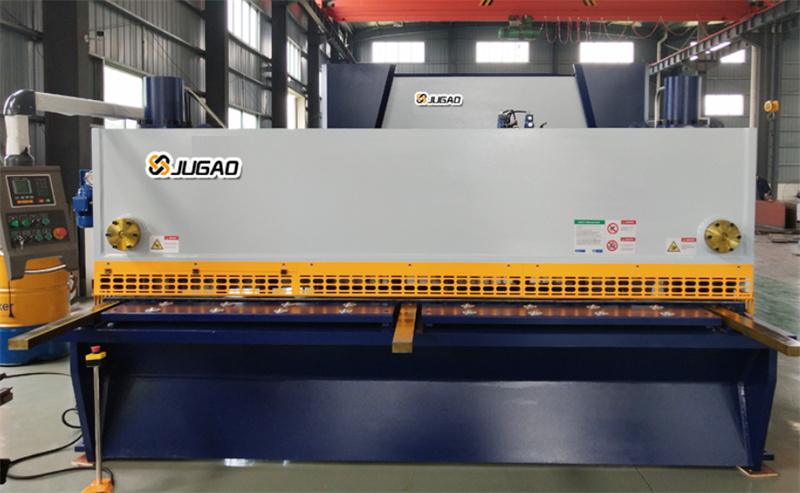
2. Operating Procedures for Hydraulic Swing-Beam Shearing Machines
(1) Before Operation
a. Before performing a no-load test run, manually cycle the machine through one full working stroke to verify normal operation before starting the equipment.
b. For equipment with hydraulic systems, check that the oil reservoir level is sufficient. After starting the oil pump, inspect valves and pipelines for leaks and ensure the pressure meets specifications; open the air bleed valve to purge air from the system.
(2) During Operation
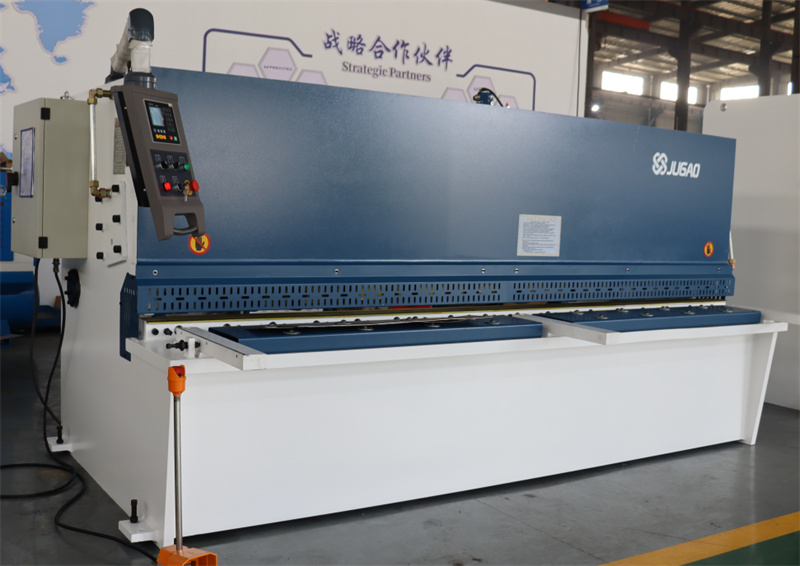
a. Do not shear stacked sheets; do not trim the rough edges of sheets; do not shear narrow strips or short pieces that cannot be securely clamped.
b. Adjust the clearance between the shear blades according to the sheet thickness, ensuring it does not exceed 1/30 of the sheet thickness. Blades must be securely fastened, with the upper and lower blade faces kept parallel; verify the adjustment by manually cycling the machine to prevent accidents.
c. Keep the shear blade edges sharp; replace them promptly if they become dull or chipped.
d. During shearing, the hold-down device must firmly clamp the sheet; do not proceed with shearing if the sheet is not securely clamped.
e. For equipment with hydraulic systems, do not adjust any hydraulic valves without authorization, with the exception of the throttle valve.
f. Determine the permissible sheet thickness for the hydraulic swing-beam shearing machine by referring to the "Curve Chart Showing the Relationship Between Sheet Ultimate Strength and Thickness."
(3) After operation
The upper blade beam should be lowered to its lowest position.

